 PADEL RULES
Padel Rules for Beginners — Scoring, Serving & Wall Play (2026)
6 min read
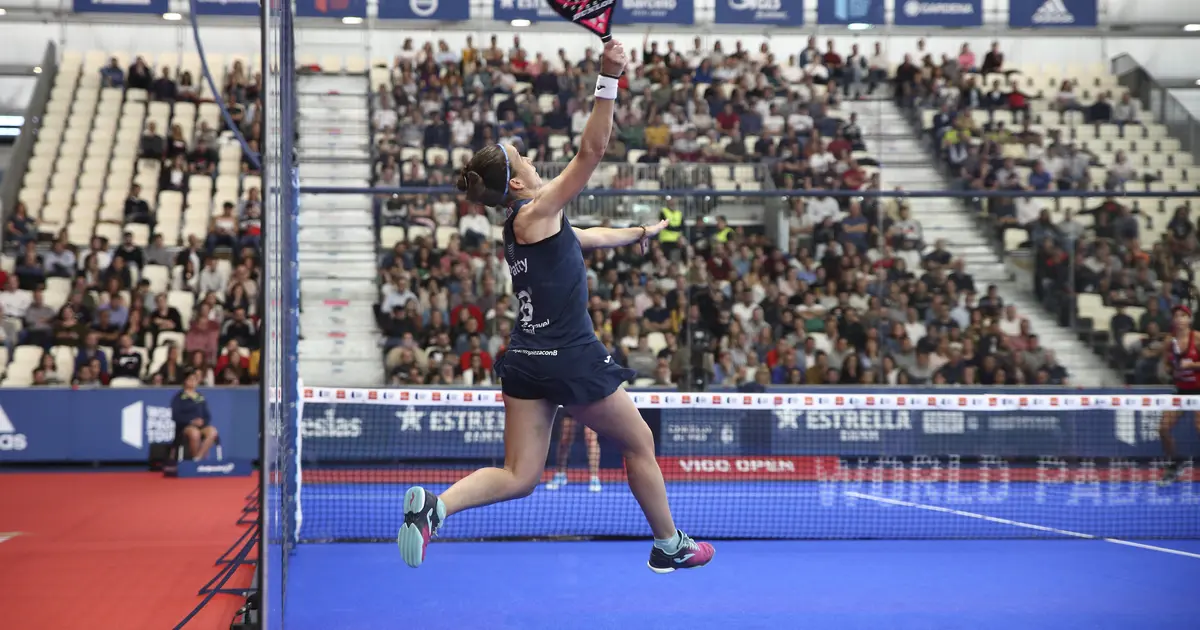
You don’t need to memorise a rulebook to play padel. Here are the ten rules that actually matter in a typical game, explained with examples of what happens when each one applies. For the complete official rulebook, see our Padel Rules 2026 guide.
The 10 Rules Every Beginner Needs to Know
1. Padel is always doubles
Four players, two per side. There is no singles padel at competitive level — the court is too wide for one person to cover. If you only have three people, you play an “americano” format where pairs rotate after short sets, but the standard game is always 2v2.
2. The serve is underhand
Drop the ball, let it bounce once, and hit it at or below hip height. Aim diagonally into the opposite service box. You get two attempts — if both miss, the other team wins the point.
Example: You drop the ball, it bounces, you swing — but your racket catches it at chest height. Fault. You try again, this time keeping the contact point low. The ball sails into the correct box. Play on.
You must stand behind the service line with at least one foot on the ground at the moment of contact. For detailed serving technique, see How to Play Padel.
3. Walls are in play after the ball bounces
Once the ball bounces on the floor on your side, it can hit the back glass, side walls, or mesh and you can still return it. This is THE rule that makes padel different from every other net sport — shots that would be unreachable in tennis become perfectly playable off the glass.
Example: Your opponent hits a deep shot. It bounces near the back of the court and rebounds off the glass behind you. You step back, read the angle, and lob it back over the net. Perfectly legal.
4. One bounce maximum
You must hit the ball before it bounces twice on your side. The wall does not reset the bounce count — it is still the same bounce.
Example: The ball bounces on your court, hits the back glass, comes back toward you, and bounces on the floor again before you can reach it. Point over — the other team wins it. The wall gave you extra time, but that second floor contact ended the rally.
5. Scoring is 15–30–40–game
Exactly like tennis. At 40-40 (deuce), the 2026 FIP rules use a deciding point — the receiving team chooses which side they receive from. This is sometimes called the “Star Point” or “golden point.”
Sets: first to 6 games, with at least a 2-game lead. At 6-6, a tiebreak decides the set. Matches: best of 3 sets.
6. The ball must bounce on the floor BEFORE hitting a wall on the opponent’s side
You cannot hit the ball directly into a wall on the opponent’s side of the court. It must land on their floor first. If it doesn’t, the point goes to them.
Example: You smash the ball hard and it flies directly into your opponent’s back glass without touching the floor. That is your point lost — the ball hit their wall before their floor, so it counts as out.
This trips up new players who are used to squash, where hitting straight into the wall is normal.
7. You can leave the court
If the ball bounces on your side and then flies over the back wall or out through a side door, you can chase it outside the court and hit it back over or around the net. This is one of padel’s most spectacular plays and one of the reasons crowds love the sport.
The ball has to come back into play by crossing over or around the net — it cannot go through the net or through the cage on the opponent’s side. For exact court dimensions and door placements, see our dedicated guide.
8. The wrist strap is mandatory
Your racket must be attached to your wrist with the safety cord at all times during play. Under 2026 FIP rules, dropping your racket or breaking the cord costs you the point immediately. This is not optional — clubs and tournaments enforce it strictly, and for good reason in an enclosed court with four players.
9. Net cord on serve = replay
If your serve clips the net cord and still lands in the correct service box, the serve is replayed — that’s called a “let.” You take the same serve again (first or second).
During a regular rally, a net clip is NOT a let. If the ball touches the net and drops onto the opponent’s side, play continues as normal.
10. Mesh or fence hit after serve bounce = fault
If your serve bounces in the correct service box but then pops up and hits the wire mesh or metal fencing (not the glass), it is a fault. The glass is fine, the mesh is not — on serves specifically. During a normal rally, the mesh is in play on your own side.
Quick Reference: In Play vs Out
| Situation | Result |
|---|---|
| Ball bounces on floor, then hits back glass | In play — hit it back |
| Ball bounces on floor, then hits side wall | In play — keep playing |
| Ball hits opponent’s wall without bouncing on their floor | Out — point to opponent |
| Ball hits mesh/fence directly without floor bounce | Out — point to other side |
| Serve bounces in box, then hits glass | In play — valid serve |
| Serve bounces in box, then hits wire mesh | Fault — serve again |
Three Things to Remember at Your First Match
Call the score before each serve. The serving team’s score is always said first. “30–15” means the serving pair has 30, the receiving pair has 15.
When in doubt, replay the point. In social padel without referees, a disputed call is usually settled by replaying the point. Sportsmanship is genuinely part of padel culture — more so than in most racket sports.
Ask your opponents to explain a rule if you’re unsure. Experienced padel players are almost always happy to help beginners. The community grew by welcoming new players, and nobody expects you to know every rule on day one.
Where to Learn More
Once you have these ten rules down, you’re ready to play. For more depth:
- Padel Rules 2026 — full official rules and 2026 FIP changes
- How to Play Padel — step-by-step beginner’s guide covering equipment, positioning, and tactics
- Padel for Beginners — tips for getting started and finding your first club
- Court Dimensions — exact court layout and measurements
More Beginner Resources
Get the Free Beginner Guide PDF
Rules, scoring & first-lesson tips — one printable PDF for new players.
No spam. Unsubscribe anytime. By submitting you agree to our Privacy Policy. We use double opt-in for confirmation (GDPR compliant).
Stay in the loop
Get padel rule updates and tournament news — no spam.
More in Beginner Guides
Can You Play Padel Alone? Solo Practice Options and Drills
Can you play padel alone? Padel is a doubles sport, but you can practise solo with wall drills, ball machines, and specific exercises.

Padel Doubles Tactics — Strategy Guide for All Levels
Master padel doubles tactics with this strategy guide. Covers court positioning, attacking from the net, defending from the baseline, and key shot.

How Long Does a Padel Match Last? Average Duration and Format
How long does a padel match last? Most padel matches last 60–90 minutes. Learn about set format, tie-breaks, and what affects match duration.

How to Find and Book a Padel Court
Learn how to find and book a padel court near you using Playtomic, Matchi, Google Maps, and club websites. Includes tips for first-timers on pricing, equipment hire, and what to expect.