Official FIP Regulations

Basic Rules

Browse all 24 articles in Basic Rules
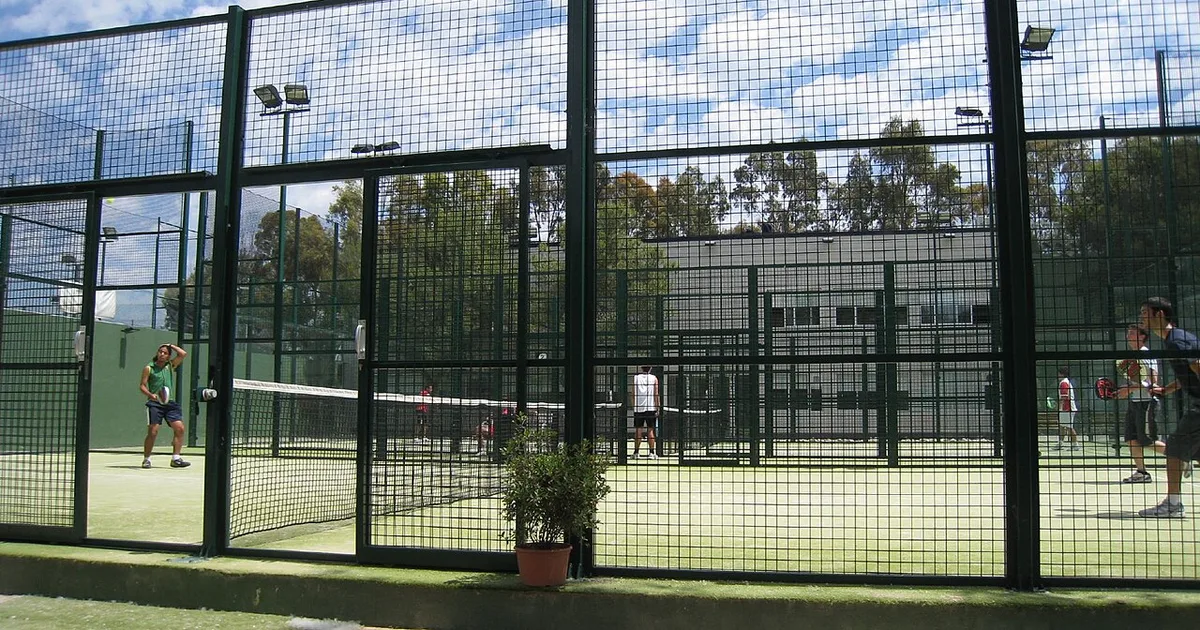
Understanding the basic rules of padel is the single most important step you can take before stepping onto the court. Whether you are picking up a racket for the first time or transitioning from tennis, squash, or pickleball, padel has its own rhythm — and knowing the rules gives you the confidence to enjoy it from your very first rally. This section of Padel Rules covers every fundamental regulation you need to learn how to play padel properly, all grounded in the official FIP 2026 rulebook.

What Makes Padel Rules Different

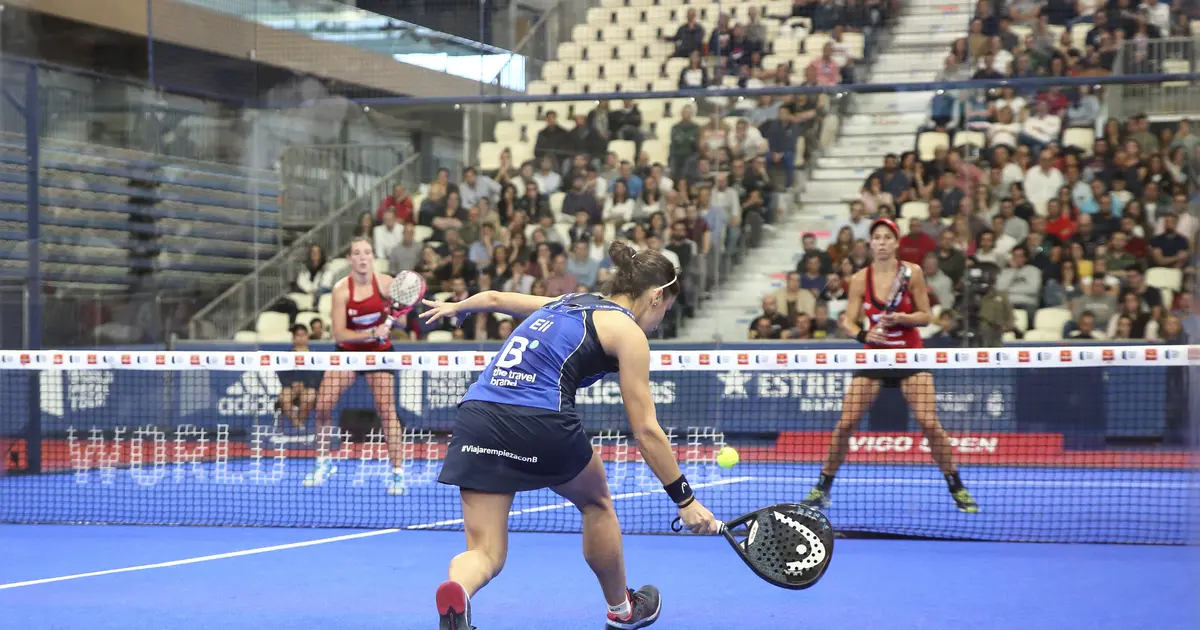
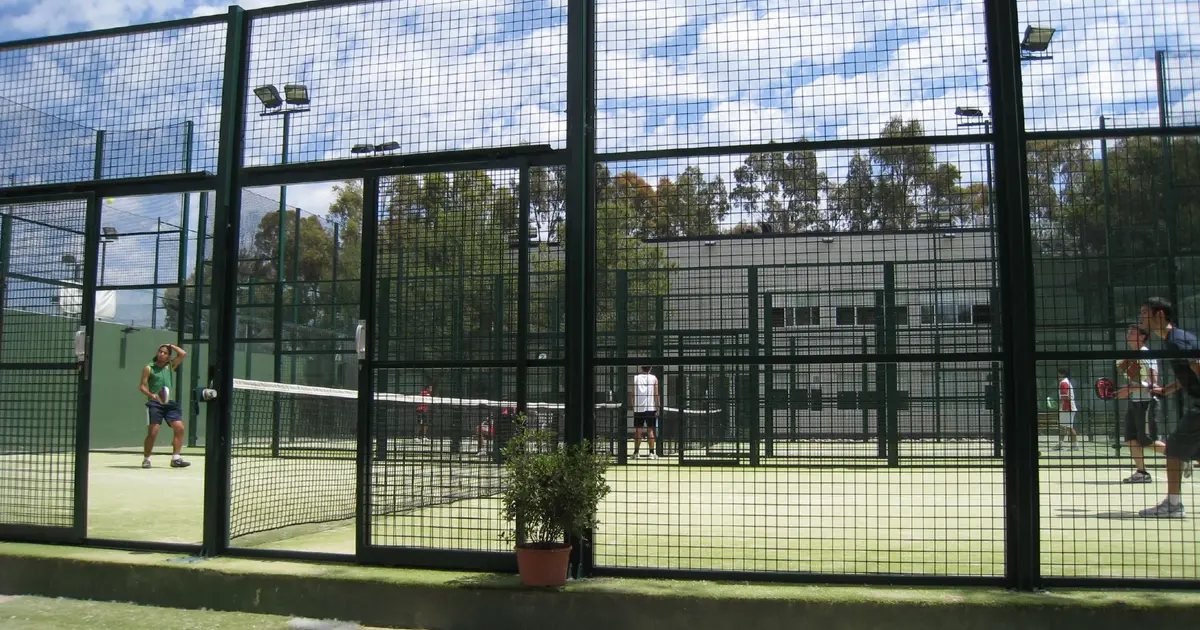
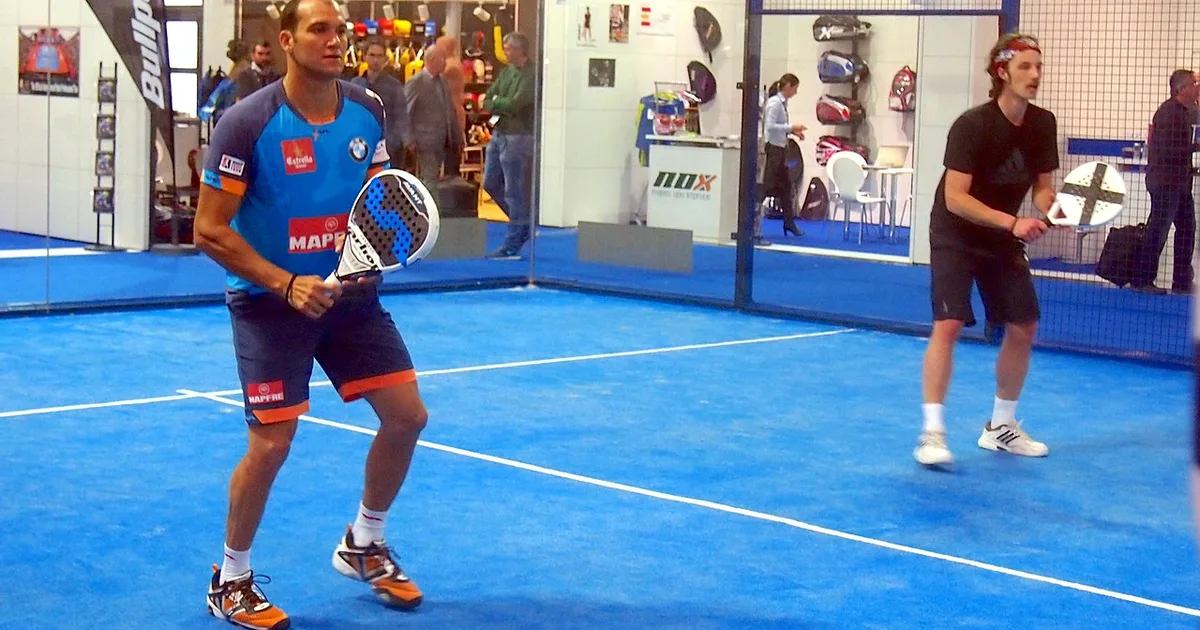
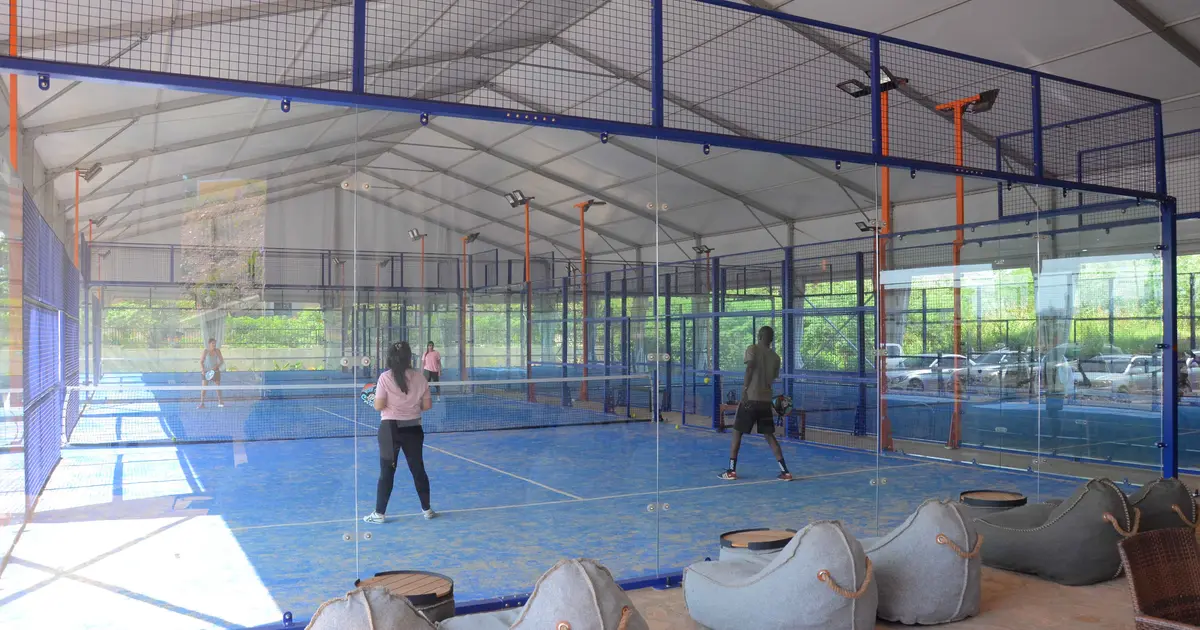
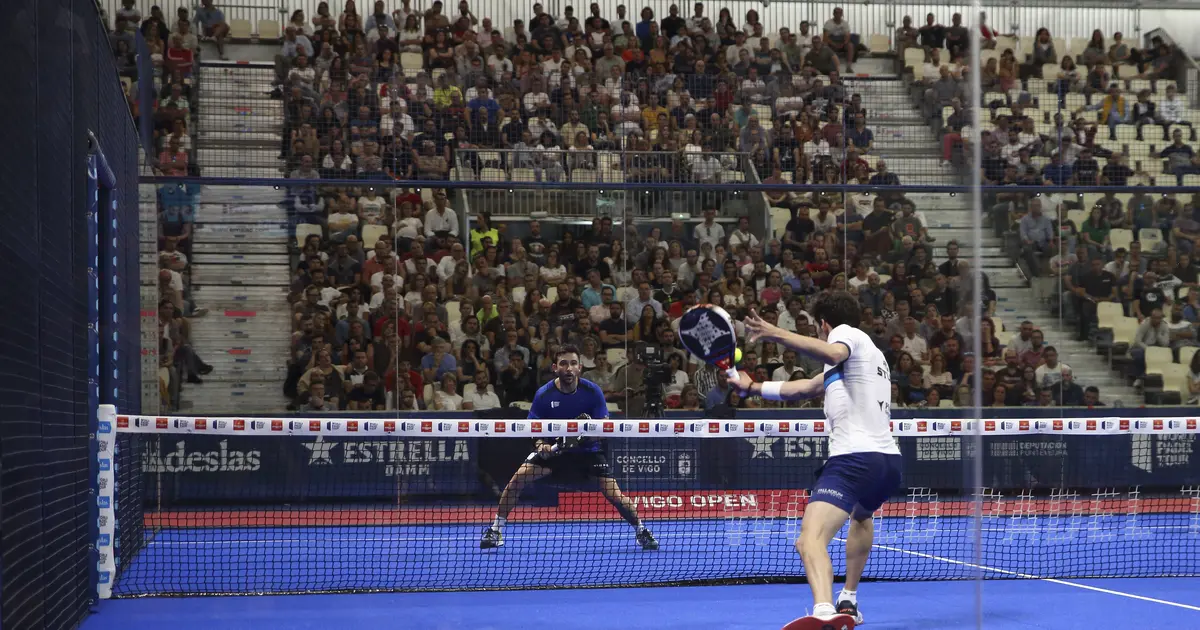
Padel is played in doubles on a court enclosed by glass walls and metallic fencing. That enclosed space is not just decoration — it is part of the game. The ball can be played off the walls after bouncing, which creates rallies that no other racket sport can match. Serves must be hit underhand, below waist height, and into the diagonally opposite service box. These padel basic rules are simple to learn, but they change the entire dynamic of play compared to sports like tennis.

The Padel Rules 2026 guide on this site walks through the complete FIP rulebook in plain language, covering the latest revisions adopted at the FIP General Meeting in Acapulco in November 2025. If you want a single reference that covers everything, start there.

Serving and Service Order

The serve is how every point begins, and padel serve rules have specific requirements that catch new players off guard. You must bounce the ball behind the service line and strike it at or below hip height — no overhead serves allowed. The ball must clear the net and land in the opponent’s service box without touching the side walls before the bounce. A serve that clips the net and lands in is replayed as a let.

Our Padel Serve Rules article breaks down the technique step by step, from legal stance and ball drop to common faults and tactical placement. For the order of who serves when, Service Order explains how teams decide serving rights through the toss, maintain partner order within a set, and switch at the start of a new set.

Scoring in Padel

Padel uses the same scoring system as tennis: 15, 30, 40, game. Sets are won by the first team to six games with at least a two-game lead, and a tie-break is played at 6-6. Most matches are best of three sets. What changed in 2026 is the introduction of the Star Point rule — at deuce (40-40), a single decisive point is played instead of the traditional advantage format, speeding up matches and adding pressure to clutch moments.

The Padel Scoring System article on this site explains every scenario with clear examples, including tie-break mechanics and the Star Point rule in detail.

Wall Play and Court Boundaries

The walls are what make padel unique. After the ball bounces on your side of the court, it can hit the back wall or side walls, and you can still play it — as long as it has only bounced once on the floor. You cannot, however, volley the ball into a wall on your opponent’s side; it must cross the net and bounce on their floor first.

Our Wall Play Rules & Technique guide covers every legal and illegal wall scenario, with tactical advice on positioning and reading rebounds. For one of padel’s most exciting moments — when the ball exits through the side gates and players chase it outside the court — see Out-of-Court Play, which explains the 2026 safety corridor expansion and when this spectacular rule applies.

Faults, Lets, and Common Situations

New players often wonder what happens when the ball hits a player, bounces twice, or lands on the line. Padel rules cover all of these situations with clear outcomes. A ball that strikes any part of a player’s body (other than the racket hand) before bouncing is a point for the opposition. A ball that bounces twice on your side is a lost point. Lines are considered inside the court.

These details matter in real play. The Padel Rules FAQ answers the most common questions we receive, while What Happens If the Ball Hits a Player and Can the Ball Bounce Twice? go deeper into specific scenarios with examples from match situations.

The FIP 2026 Rulebook as the Authority

Every rule on this site is sourced from the International Padel Federation’s official 2026 regulations. The FIP is the global governing body for padel, and its rulebook is the definitive reference used by referees, tournament organisers, and national federations worldwide. We cite specific FIP rule numbers throughout our articles so you can verify anything against the source.

Whether you want a quick refresher before a social match or a thorough understanding before your first tournament, padel rules are straightforward once you see them in action. The articles below cover each topic in depth — from serving to scoring, wall play to player conduct. Browse the guides below to find exactly what you need.

More Basic Rules Articles

24 articles in Basic Rules
A padel player losing the point after the ball strikes their body during a rally
Basic Rules

What Happens If the Ball Hits a Player in Padel?

If the ball hits a player's body in padel, that player's team loses the point — with limited exceptions. Full FIP rule breakdown with scenarios.

Read more
Apr 2026
A padel player exiting through the court door to chase a ball that has left the court
Basic Rules

What Happens When the Ball Goes Out of the Court in Padel?

When the ball leaves the padel court through an open door or over the fence, the point may continue if a player can retrieve it.

Read more
Apr 2026
A padel ball bouncing on the court surface — you must return it before the second bounce
Basic Rules

Can the Ball Bounce Twice in Padel?

No — if the ball bounces twice on your side of the court, you lose the point. Learn the one-bounce rule, wall rebounds, and the exceptions every padel.

Read more
Apr 2026
Padel Fault Rules and Lets
Basic Rules

Padel Fault Rules and Lets

A fault is an invalid serve — two faults lose the point. A let means the serve is replayed with no penalty. Covers every fault type and the let rule with real-match scenarios.

Read more
Mar 2026
A padel player striking the ball — deliberate double contact is a fault and loses the point
Basic Rules

What Happens If You Hit the Ball Twice in Padel?

Hitting the ball twice in padel results in losing the point — unless the double contact is unintentional and happens in a single continuous swing.

Read more
Apr 2026
Mixed Doubles Padel: How Equal Competition Rules Work
Basic Rules

Mixed Doubles Padel: How Equal Competition Rules Work

Mixed doubles padel (1 male + 1 female per team) follows standard doubles rules with one critical difference: the Golden Point deuce rule creates gender-matched serve-receive. Learn why, how it affects strategy, and why there's no gender-based service rotation.

Read more
Mar 2026
Out-of-Court Play: Padel's Most Spectacular Rule
Basic Rules

Out-of-Court Play: Padel's Most Spectacular Rule

Out-of-court play allows players to chase and return balls exiting through side gates. Learn when it applies, why it requires special court setup, the 2026 safety corridor expansion, and tactical strategy.

Read more
Mar 2026
Young players learning padel on an adapted court during a junior training session
Basic Rules

Junior Padel Rules: Age Groups, Court Size & Ball Types (FIP 2026)

Official junior padel rules: FIP age groups (sub-10 to sub-18), adapted court dimensions, low-compression ball stages, and 2026 scoring formats explained.

Read more
Apr 2026
Padel Let Rule Explained: When Is a Serve Replayed?
Basic Rules

Padel Let Rule Explained: When Is a Serve Replayed?

The padel let rule requires a serve replay when the ball clips the net and lands in the service box. Learn when lets are called, how they differ from faults, and what happens during rallies.

Read more
Apr 2026
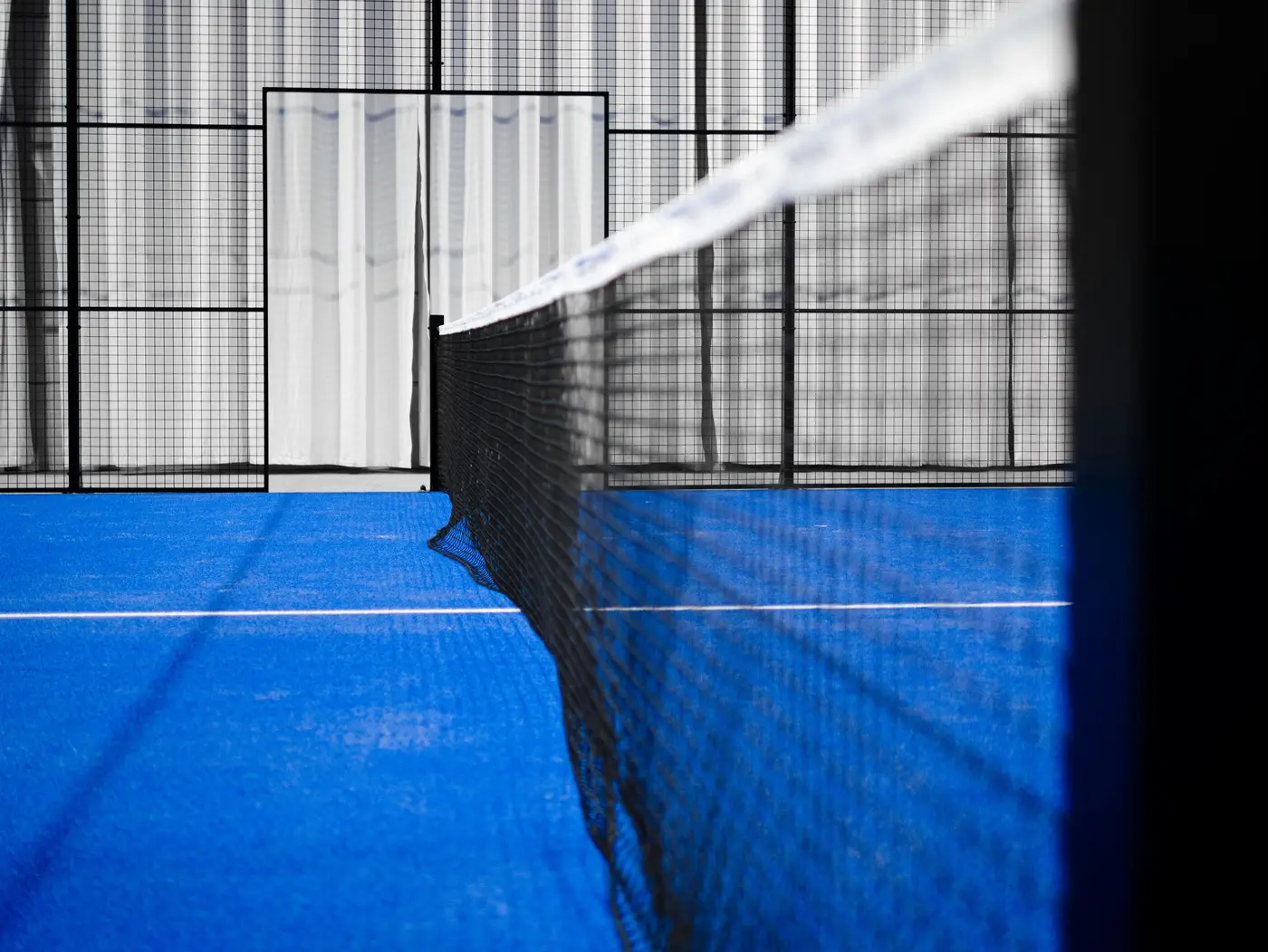
Close-up of a padel net — touching the net during play results in losing the point
Basic Rules

Can You Touch the Net in Padel?

No — touching the net, the net posts, or any part of the opponent's court during a rally results in losing the point.

Read more
Apr 2026
Padel Rules 2026 — Complete FIP Rulebook Guide
Basic Rules

Padel Rules 2026 — Complete FIP Rulebook Guide

Learn the complete padel rules for 2026. Official FIP rulebook with Star Point scoring, serve rules, court dimensions, faults, and wall play.

Read more
Mar 2026
Padel Rules FAQ 2026 — Official Rules Explained
Basic Rules

Padel Rules FAQ 2026 — Official Rules Explained

Padel rules FAQ with 17 common questions answered: scoring, serves, wall play, net touch rules, the 2026 Star Point system, singles vs doubles, and more.

Read more
Apr 2026
Padel vs Pickleball — Courts, Rules & Equipment Compared (2026)
Basic Rules

Padel vs Pickleball — Courts, Rules & Equipment Compared (2026)

Padel vs pickleball — how do they compare? We break down the courts, rules, equipment, fitness demands, and social aspects to help you pick the right sport.

Read more
Apr 2026
Padel vs Squash — How the Rules Differ
Basic Rules

Padel vs Squash — How the Rules Differ

Padel and squash both use enclosed courts with walls, but their scoring, ball, serve, and gameplay rules are very different. Full rule comparison.

Read more
Apr 2026
Padel vs Tennis — 7 Key Differences Every Player Should Know
Basic Rules

Padel vs Tennis — 7 Key Differences Every Player Should Know

Padel vs tennis — what's the difference? Compare courts, walls, scoring, serving, and equipment in this side-by-side guide for tennis players exploring padel.

Read more
Apr 2026
Player Rotation and Changeovers
Basic Rules

Player Rotation and Changeovers

Players change ends after the first game of each set and then every two games. During a tie-break, sides are changed after every 6 points.

Read more
Mar 2026
Padel Scoring System Explained — Points, Sets & Tie-Breaks (2026)
Basic Rules

Padel Scoring System Explained — Points, Sets & Tie-Breaks (2026)

How does padel scoring work? Points go 15, 30, 40, game — with sets, tie-breaks, and the 2026 Star Point rule at deuce. Simple guide with clear examples.

Read more
Feb 2025
A padel server committing a service fault — a double fault gives the point to the receiving team
Basic Rules

What Happens After a Fault in Padel?

After a first serve fault in padel you get a second serve. A double fault gives the point to the receiving team. Full FIP rules explained.

Read more
Apr 2026
Padel Serve Rules — Technique, Faults & Tactical Guide (2026)
Basic Rules

Padel Serve Rules — Technique, Faults & Tactical Guide (2026)

Complete padel serve guide covering the official FIP 2026 rules, step-by-step technique, common faults, and tactical advice from beginner to advanced level.

Read more
Mar 2026
Service Order
Basic Rules

Service Order

Service order in padel: decided by toss, partners must maintain the same order within a set. Learn who can serve first, when order can change, and how the rules work in practice.

Read more
Mar 2026
The Star Point Rule in Padel Explained
Basic Rules

The Star Point Rule in Padel Explained

The Star Point is padel's 2026 tiebreaker for a third consecutive deuce — one deciding point, with the receiving team choosing which side to receive.

Read more
Mar 2026
Padel Wall Play Rules & Technique: The Definitive Guide
Basic Rules

Padel Wall Play Rules & Technique: The Definitive Guide

Complete guide to padel wall play: the official rules for back glass, side walls, and mesh, plus skill-level technique breakdowns and shot explanations from beginner to advanced.

Read more
Mar 2026
What Is Padel? Rules, Court Size & How It Differs from Tennis
Basic Rules

What Is Padel? Rules, Court Size & How It Differs from Tennis

Padel is a doubles racket sport on a glass-walled court — not paddle tennis. Learn the rules, scoring, court dimensions, and why 25 million people play it worldwide.

Read more
Apr 2026
Padel court service boxes — the ball must land in the diagonally opposite service box or it is a fault
Basic Rules

What Happens If You Serve to the Wrong Box in Padel?

Serving to the wrong service box in padel is a fault. Learn what happens with wrong-box serves, service order errors, and how the 2026 FIP rules handle.

Read more
Apr 2026