 PADEL RULES
Strategy & Tactics
Browse all 16 articles in Strategy & Tactics
Padel is a sport where strategy wins more points than power. The enclosed court, the glass walls, the doubles format — everything about the game rewards players who think clearly, position well, and make better decisions than their opponents. Whether you are looking to improve your padel positioning, develop a reliable game plan, or understand the tactical patterns that separate competitive players from recreational ones, this section covers the strategies and tactics that make the difference on court.
What makes padel strategy distinct from other racket sports is the team dimension. You are always playing with a partner, always sharing the court, always coordinating. A brilliant individual shot means nothing if it leaves your partner exposed. Understanding how to win at padel starts with understanding how to think as a pair.
Controlling the Net — The Foundation of Padel Tactics
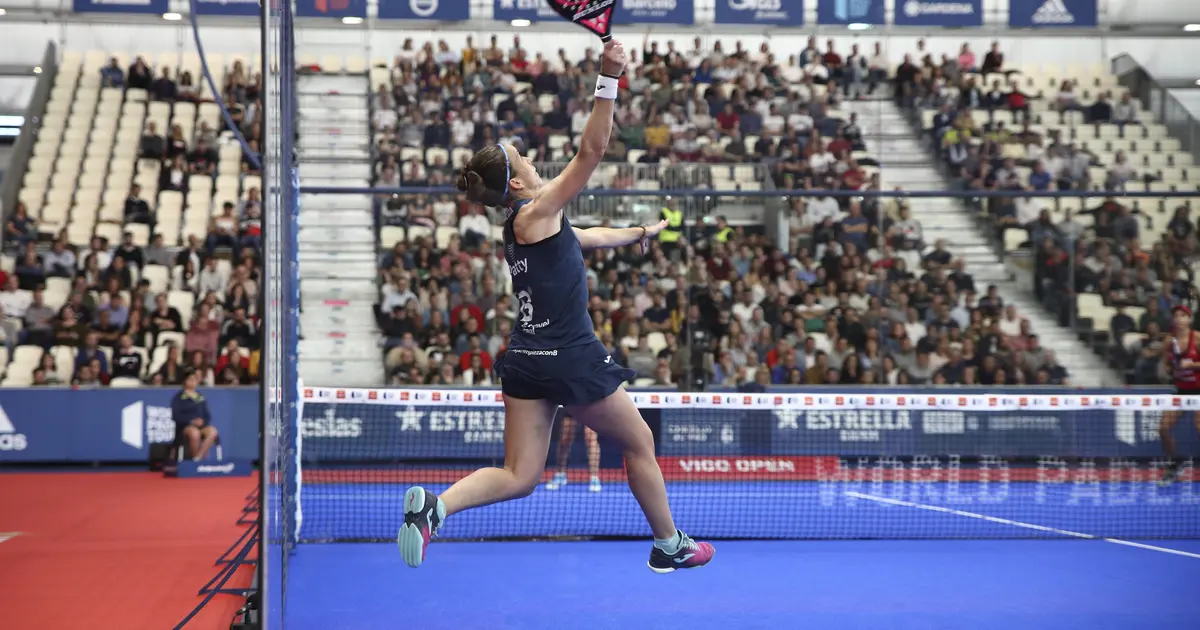
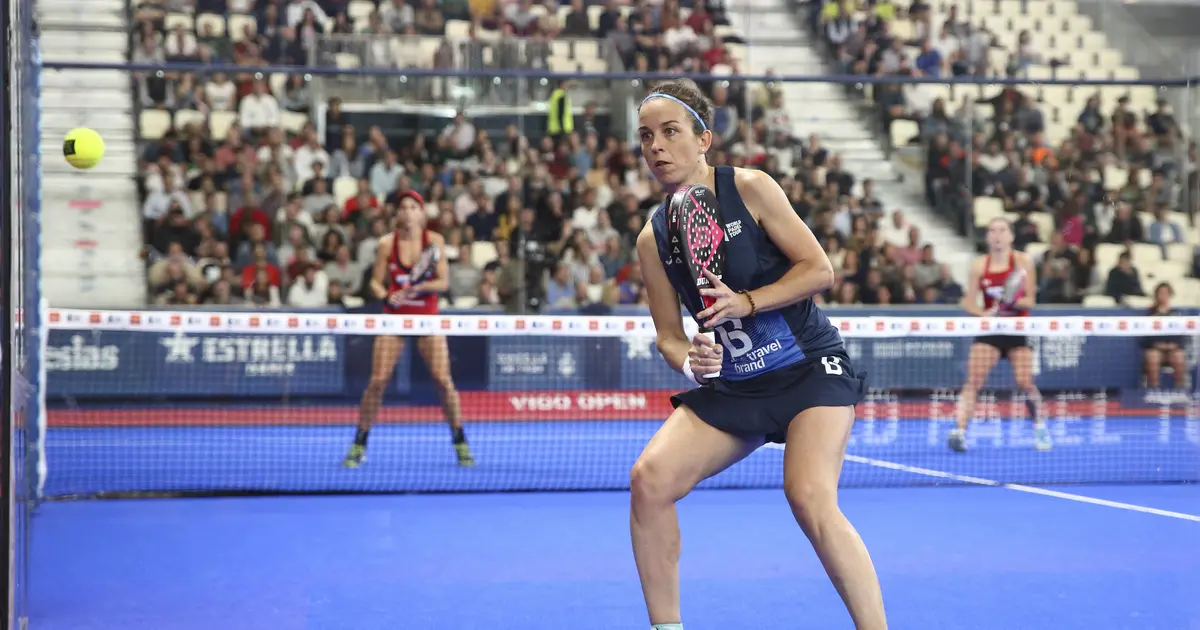
The single most important strategic principle in padel is net dominance. The pair that controls the net controls the point. From the net position, you have shorter angles, can volley before the ball reaches the glass, and force opponents into defensive replies. Our guide to net play strategy covers volley positioning, poaching, and overhead coverage — the three pillars of effective net control.
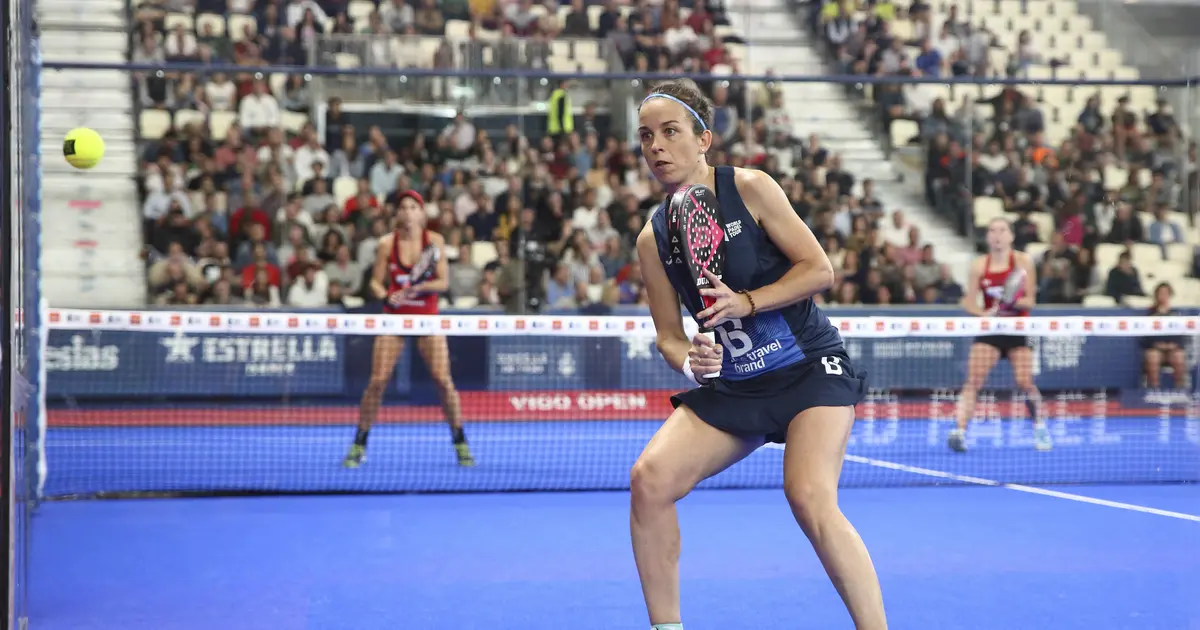
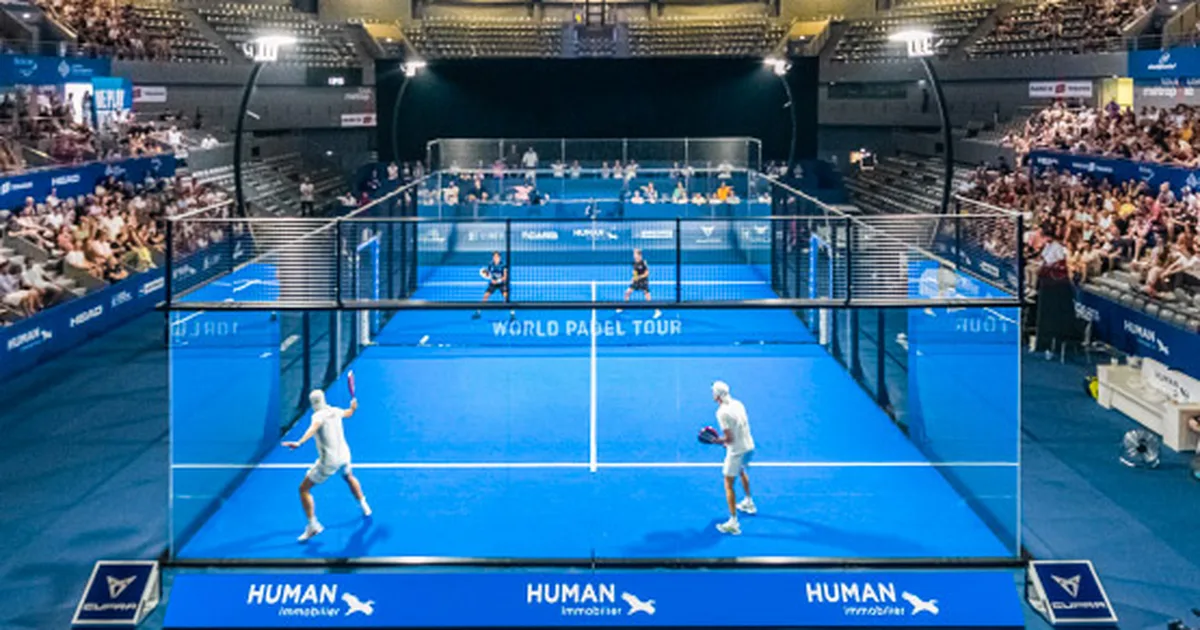
But getting to the net is only half the battle. Staying there requires discipline, footwork, and the right shot selection. The doubles positioning guide explains where each player should stand in different game situations — after serving, after returning, during rallies, and during transitions. Correct positioning eliminates gaps and forces opponents to play into your strength zones rather than finding open court.
Diagonal Play and Court Geometry
Padel tactics rely heavily on diagonal play. The cross-court ball travels over the lowest part of the net, covers the longest distance on the court, and creates the widest angles for your next shot. Playing diagonally is not just a preference — it is a fundamental principle of padel strategy that underpins everything from serve placement to return of serve to rally patterns.
The serve strategy guide breaks down placement, spin, and pressure serves that exploit these angles. The return of serve tactics article covers how to neutralise a strong serve and transition from defence to attack. Together, these two guides give you a complete picture of how every point begins and how to gain an early advantage.
Tactical Patterns — Bajada, Lob, and When to Attack
Advanced padel tactics revolve around a handful of key patterns. The lob pushes opponents off the net and buys time. The bajada — taking the ball off the back glass aggressively — turns defence into attack. The chiquita, played low at the opponents’ feet, forces weak volleys that create openings.
Knowing when to use each pattern is what separates padel strategy from shot-making. Our guide on attack versus defence explains the decision points: when to go for the winner, when to reset the point, and when patience is the most aggressive tactic available. The defensive tactics guide covers glass-wall defence, lob recovery, and how to reset points when you are under pressure — skills that are essential for competing at any level beyond recreational play.
Team Coordination and Communication
Padel is a doubles sport, and no strategy works without coordination between partners. The partner communication guide explains how to call switches, signal intentions, and stay aligned during fast exchanges. The formations guide covers standard and alternative setups — including the 1-3 formation and Australian formation — and when each gives your team an edge.
Choosing the right side of the court matters too. Our guide on left side versus right side helps you and your partner decide which position suits each player based on hand dominance, shot preferences, and playing style. In mixed doubles, positioning and shot selection shift further — the mixed doubles strategy guide covers the specific tactical adjustments that make mixed teams effective.
The Mental Side of Competitive Padel
Strategy extends beyond shot selection and positioning. The mental game is where matches are won and lost, especially under pressure. The padel mental game guide covers composure, resilience, and how to stay calm when the score tightens. For high-stakes situations — tie-breaks, match points, tournament play — our guide on dealing with pressure offers practical techniques for managing nerves and maintaining focus.
Preparation also plays a role. The pre-match routine guide walks through mental and physical warm-up steps that help you start matches sharp. And the concentration tips guide addresses the in-match focus challenges — distractions, momentum shifts, and lapses between points — that every competitive player faces.
Building Your Game Plan
Moving from recreational to competitive padel means moving from reacting to planning. A game plan does not need to be complicated: know your strengths, understand your opponents’ weaknesses, and have a default pattern you trust when the pressure rises. The guides on common mistakes help you identify the habits that hold most players back, while the broader tactical articles in this section give you the tools to build a structured approach to every match.
Browse the strategy and tactics guides below to find the areas where your game has the most room to grow.
16 articles in Strategy & Tactics



No articles found for your search.