 PADEL RULES
Court Dimensions
Browse all 7 articles in Court Dimensions
A padel court is not just a playing surface — it is a precisely engineered space where every measurement has a purpose. The 10-metre width, the 20-metre length, the glass back walls, the lower side fencing — these dimensions are not arbitrary. They are calibrated to produce the particular dynamics that make padel tactically interesting: the wall rebound, the lob, the speed differential between the baseline and the net. Understanding the court’s geometry is not just useful for construction — it shapes how you play and think about every shot you hit.
This section covers the official FIP court specifications for padel: every dimension, every tolerance, every structural requirement that defines a regulation court. Whether you are managing a facility, disputing a ruling, or simply trying to understand why your shots behave the way they do, these are the numbers that govern the game.
Overall Court Dimensions
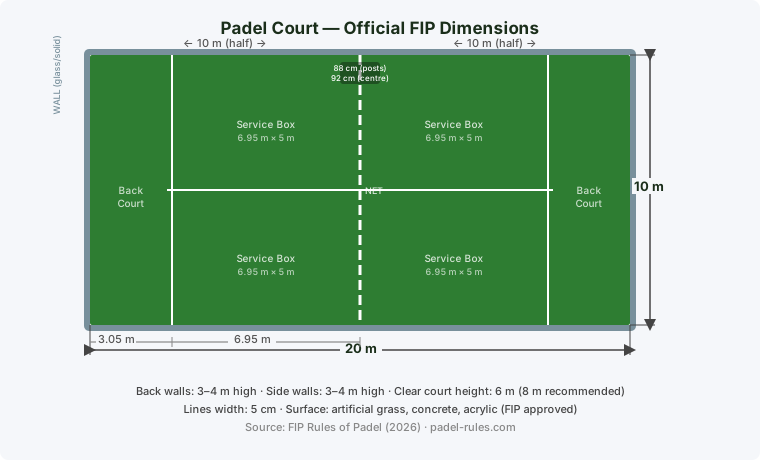
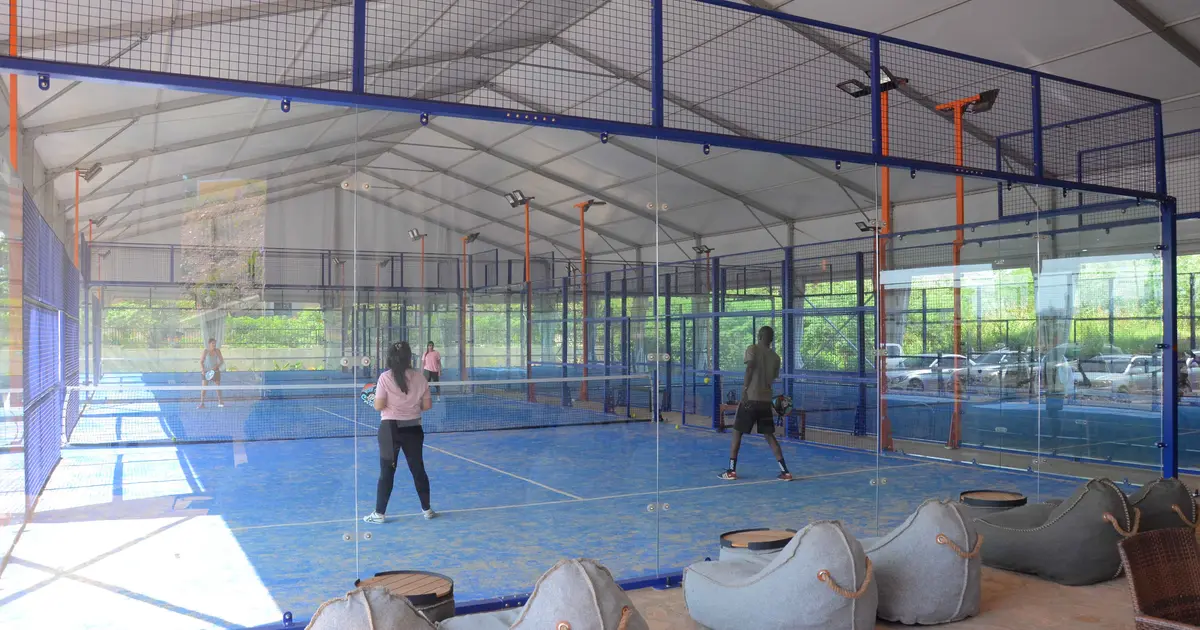
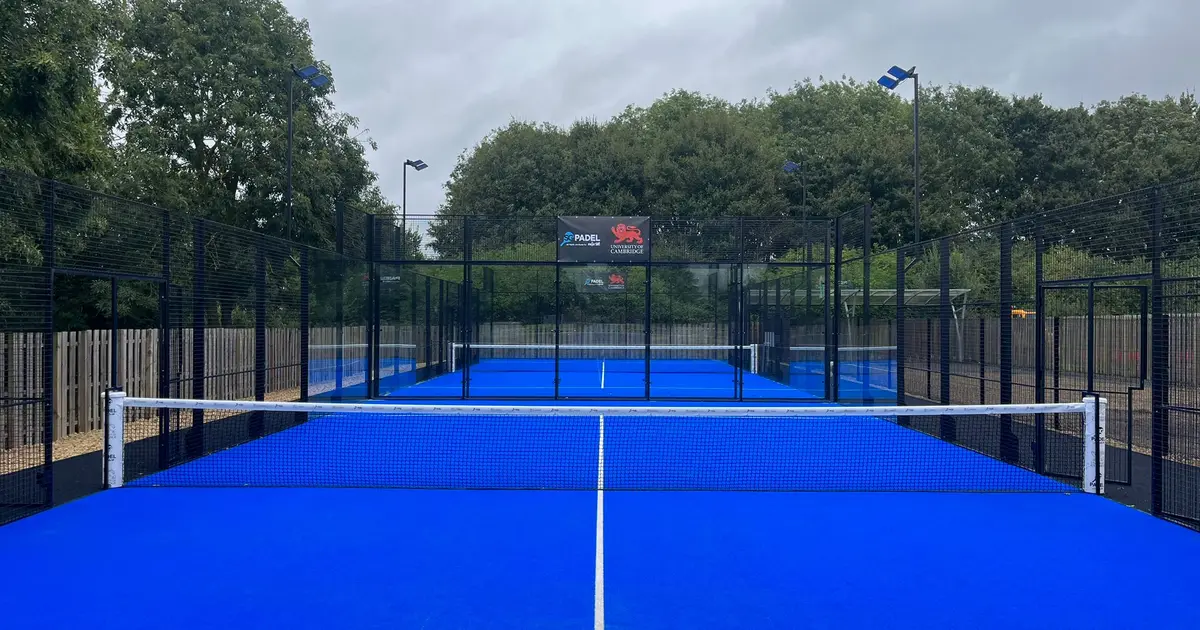
A regulation padel court measures 10 metres wide by 20 metres long, enclosed within a combination of glass walls and metallic mesh fencing. The total playing area is 200 square metres — substantially smaller than a tennis doubles court, which is why padel rewards positioning and precision over raw power. Our complete court dimensions guide provides the full measurement breakdown including tolerances and how dimensions interact with wall construction.
The service boxes are a key structural feature. Each service box divides the court into four quarters, and their precise measurements affect serve placement, return positioning, and how the glass rebounds behind the service line. The service box size guide explains the measurements in detail and what they mean in practice.
Walls: Glass, Fencing, and Heights
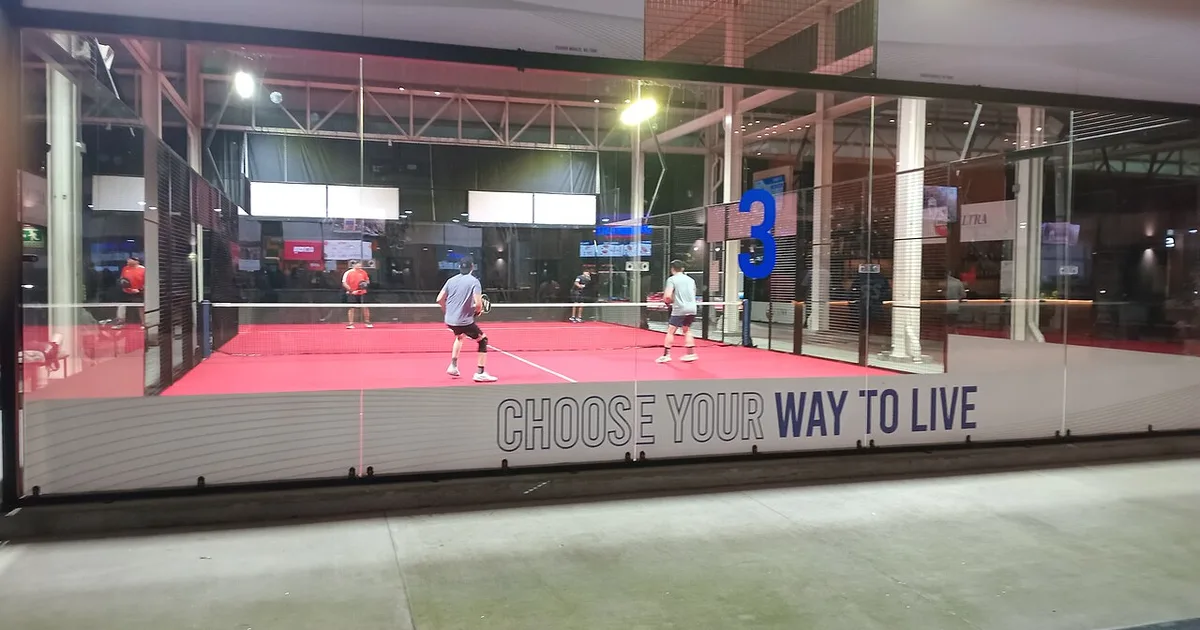
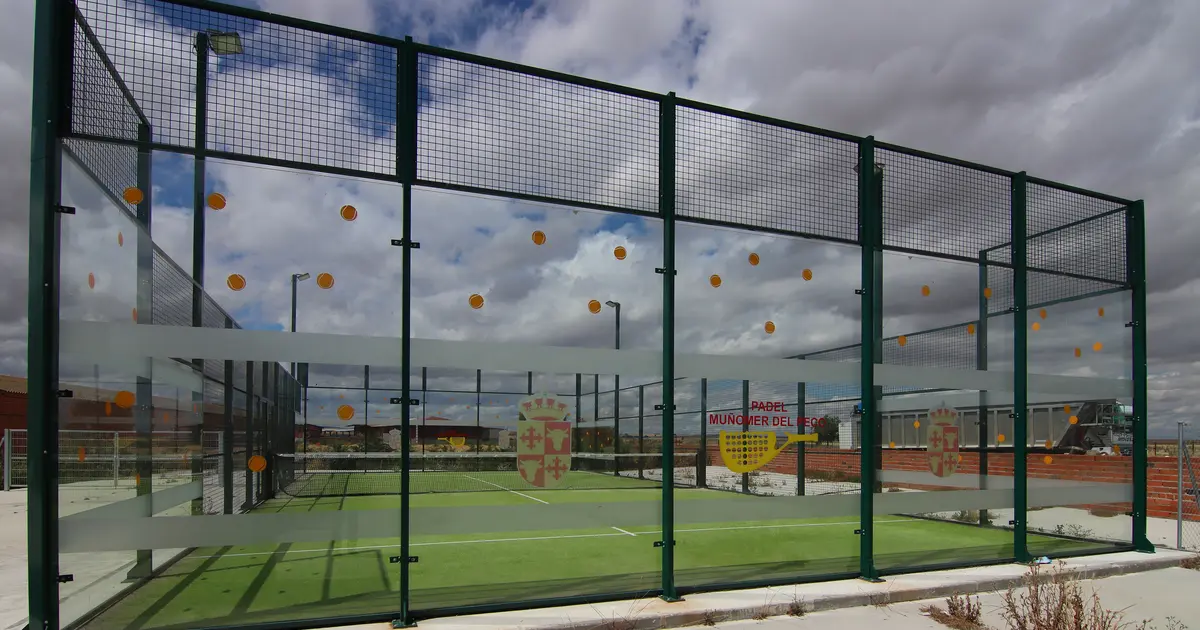
Padel courts use two types of boundary: solid glass walls at the back and metallic mesh fencing along the sides and part of the back. The configuration is not uniform — the height and type of material changes at different points along the court perimeter. The glass wall height guide explains FIP specifications for back wall and side wall glass sections and why these heights matter for consistent rebound play.
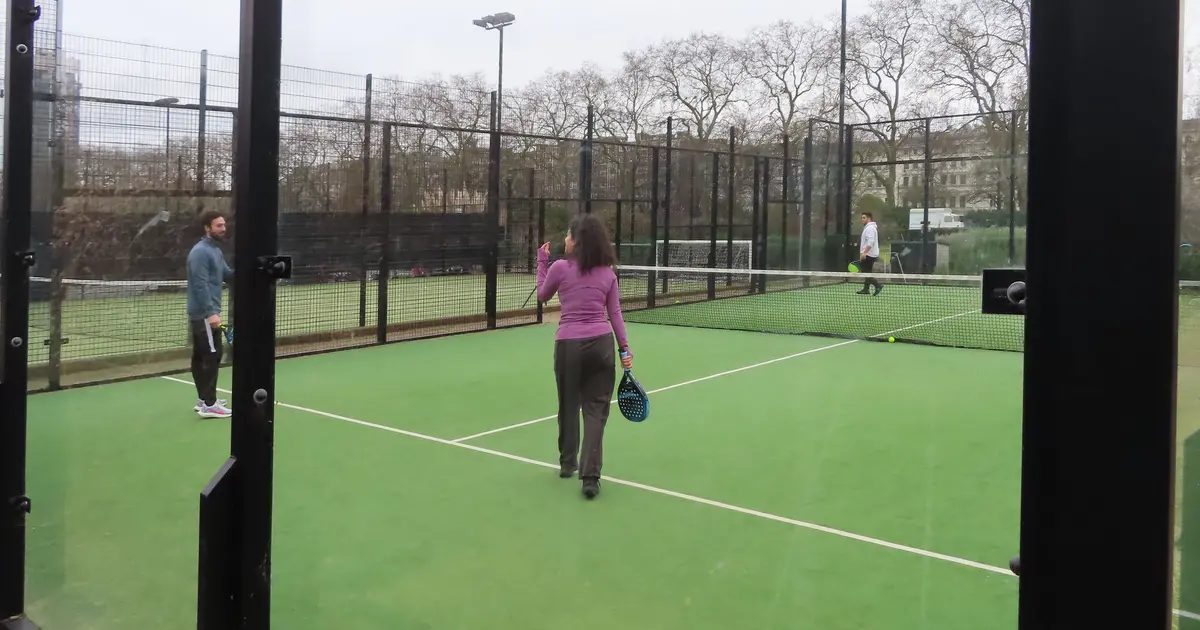
Side wall configuration determines the character of wall play on any court. The panels closest to the net are lower mesh fencing; the panels behind the service line transition to glass. This hybrid design means the ball behaves differently depending on which panel it contacts. The side wall configuration guide covers the dimensional rules and the strategic consequences of each wall zone.
The Net
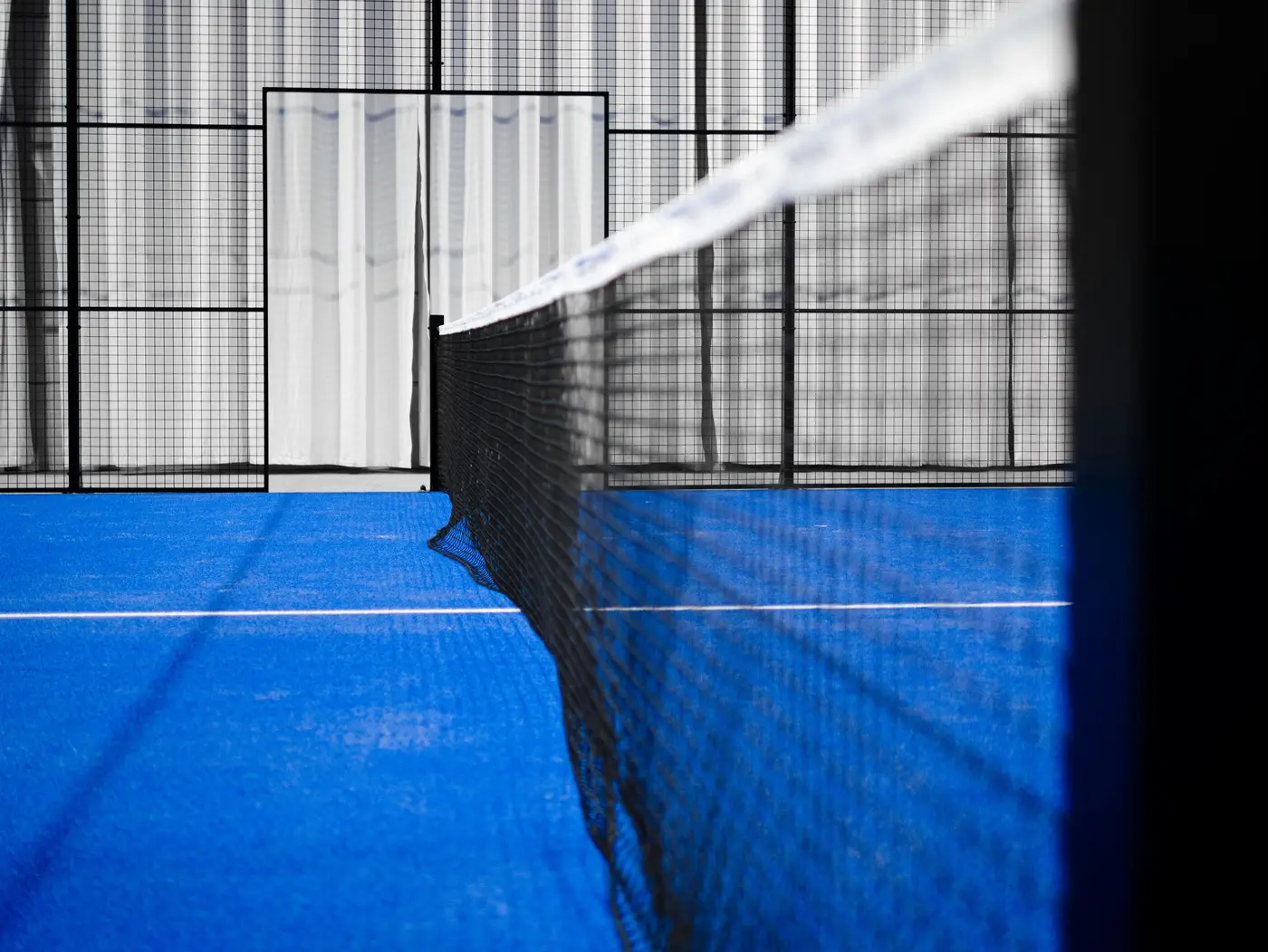
The net divides the court into two equal halves and must conform to precise FIP specifications: height at the posts, height at the centre, width, and material requirements. The net specifications guide details every measurement and explains the two-centimetre difference between post height and centre height — a feature that makes cross-court low shots marginally easier than down-the-line attempts and subtly influences padel tactics at every level.
Playing Surface and Court Construction
The playing surface affects ball bounce, foot grip, and joint loading — three factors that determine both playability and player safety. FIP regulations specify acceptable surface types, friction coefficients, and maintenance standards for competition courts. The playing surface guide covers the materials used on professional and club courts, from synthetic grass to concrete, and what to expect from each.
Court construction requirements go beyond the playing area itself. The court construction guide covers foundation requirements, drainage, post anchoring, and the structural tolerances that distinguish a professionally built court from one that will develop problems over time.
Why Dimensions Matter Beyond Construction
Most padel players rarely think about court specifications — until a wall rebound is inconsistent, a net feels too high, or a court seems narrower than it should. Understanding the official dimensions gives you a reference point when something feels wrong, and helps you adapt when you play on courts that sit at the edges of the permitted tolerance range.
Competitive players also benefit from knowing exactly where the service box lines fall. Serving wide to the body, angling shots toward the side wall gap, and positioning for returns all become more precise when you understand the geometry you are working with. The court is not just background — it is a tool, and these guides explain how it is built and what its dimensions mean for your game.
Browse the court dimensions guides below to understand every measurement that defines the padel playing environment.
7 articles in Court Dimensions
No articles found for your search.