 PADEL RULES
Techniques
Browse all 16 articles in Techniques
Padel is a sport where technique decides points more often than raw power. The enclosed court, the glass walls, the low-pressure ball — everything about the game rewards players who develop clean, repeatable padel shots and smart movement patterns. Whether you are learning how to play padel for the first time or looking to sharpen specific strokes, this section covers every technique you need, from foundational grips and footwork to advanced spin shots used on the 2026 Premier Padel tour.
What separates padel techniques from those in tennis or squash is the constant interplay between the ball, the walls, and your positioning. You are not just hitting — you are reading angles, managing space, and choosing the right shot for the right moment. That decision-making is what makes padel endlessly rewarding to improve at.
Where to Start: The Foundations
Every padel technique builds on two fundamentals: how you hold the racket and how you move your feet. Get these right and every shot becomes easier to learn.
The continental grip is the standard hold for almost every padel shot. It lets you switch between forehand and backhand without changing hand position, which is critical in a fast-paced doubles game where reaction time is measured in fractions of a second. Our grip guide walks through hand placement, pressure points, and the most common grip mistakes beginners make.
Footwork is the other half of the equation. The split step, recovery patterns, and lateral movement that padel demands are specific to the sport — you need to cover the court efficiently while staying balanced enough to hit clean shots off the walls. Good footwork is the single biggest differentiator between intermediate and advanced players.
Essential Padel Shots
Once your grip and movement are solid, the core padel shots are your next priority. These are the strokes you will use in every single match:
-
The serve — Padel’s underhand serve technique is unique among racket sports. Under 2026 FIP rules, the ball must be struck at or below hip height after bouncing behind the service line. Our step-by-step guide covers stance, ball drop, contact point, and tactical placement.
-
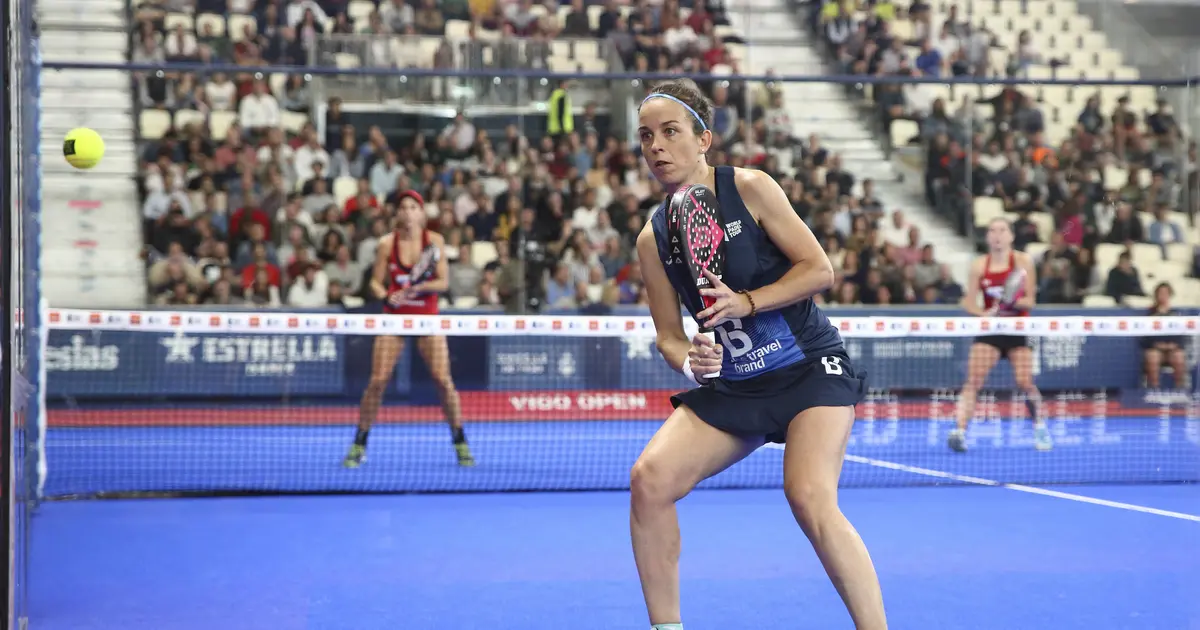
The volley — Controlling the net is how you win points in padel. The volley is a compact, controlled punch shot that requires soft hands and precise timing rather than big swings.
-
The lob — When opponents dominate the net, the lob is your primary weapon to push them back. Hitting it with the right height, depth, and spin is a skill that takes practice but pays off immediately.
-
Wall play — Reading rebounds off the glass is what makes padel unique. Our wall play technique guide covers timing, positioning, and how to turn defensive wall shots into offensive opportunities.
Intermediate and Advanced Techniques
As your game matures, padel opens up a vocabulary of specialised shots that give you tactical options most recreational players never develop:
The bandeja is an overhead slice played from behind the service line — it is the most important defensive overhead in padel and the shot that separates beginners from intermediate players. Once you can hit a reliable bandeja, you hold the net far more effectively.
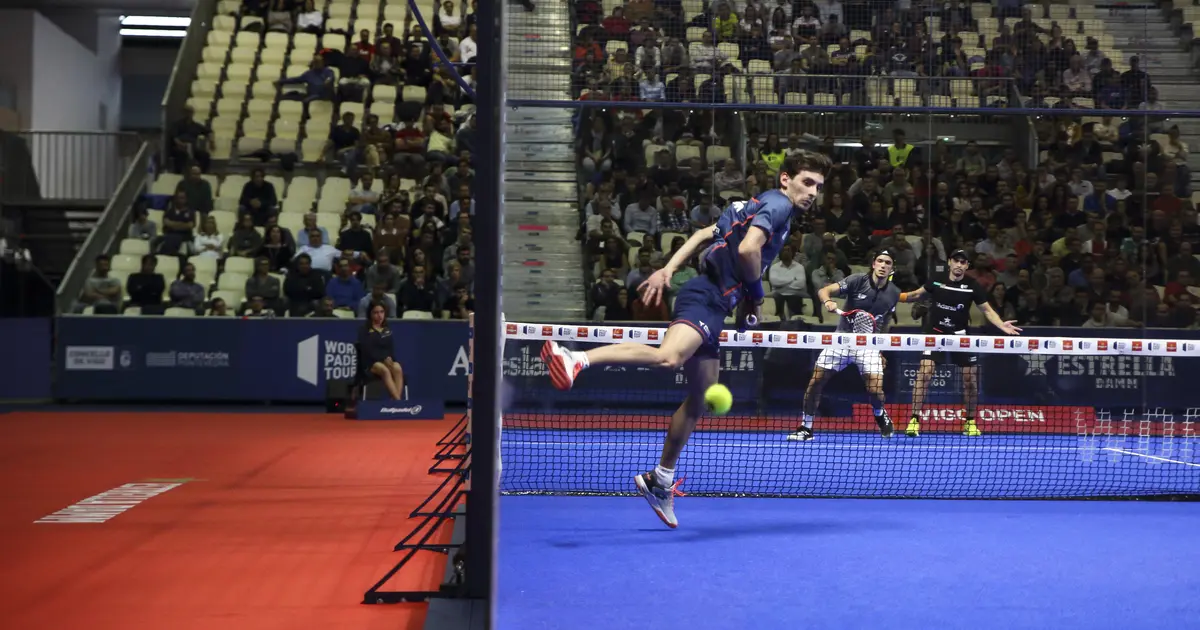
The vibora adds sidespin to the overhead, creating an aggressive shot that bounces unpredictably off the side wall. The smash is padel’s power shot — a full overhead remate used when the ball sits up high enough for you to attack with pace. Knowing when to choose between bandeja, vibora, and smash is one of the key tactical decisions in every point.
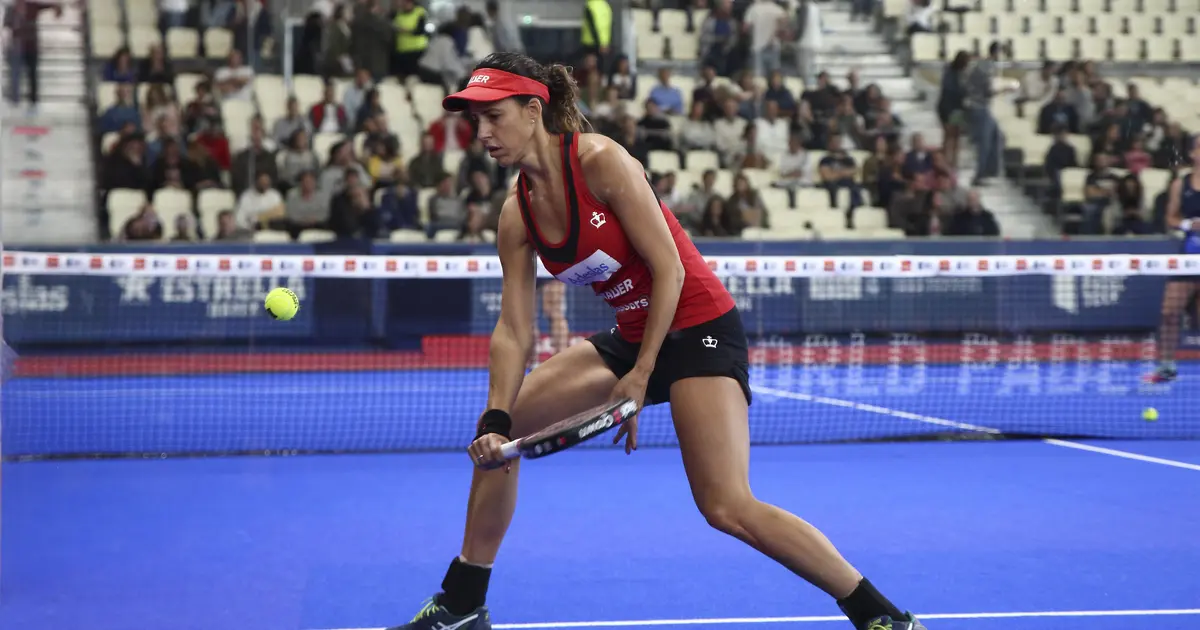
For more nuanced play, the chiquita is a soft, low dipping shot aimed at your opponents’ feet to force a weak reply. The rulo uses heavy topspin to create an angled cross-court shot that kicks off the side wall. And the bajada — taking the ball off the back wall after it bounces high — is a technique that turns defence into attack in a single motion.
Playing the Glass and Adapting to Conditions
Wall play is not just one technique — it is an entire skill set. The contrapared teaches you to hit off your own back wall, a shot that feels unnatural at first but becomes second nature with practice. Dealing with lobs covers how to read, react, and recover when opponents push you deep, while net positioning explains where to stand, when to advance, and how to hold ground at the net as a pair.
Even external conditions change how you play. Playing padel in wind walks through the spin, shot selection, and tactical adjustments that experienced players make when outdoor conditions disrupt normal ball flight — a scenario increasingly common as padel courts expand into open-air venues across Europe and the Middle East.
Building Your Game From Beginner to Advanced
The progression path in padel techniques is clear: master grip and footwork first, then build a reliable serve, volley, and lob. From there, add the bandeja and wall play. Once those are consistent, the vibora, chiquita, smash, and rulo give you the shot variety to compete at a higher level.
Every article in this section is written for players who want to understand not just how to hit a shot, but when and why to use it. Browse the technique guides below and start with wherever your game needs the most work.
16 articles in Techniques
No articles found for your search.