 PADEL RULES
Court Specifications
Browse all 3 articles in Court Specifications
Building a padel court is not just about installing glass walls and painting lines. The FIP technical regulations extend to lighting quality, court orientation, access gate design, and a range of structural requirements that determine whether a venue can host sanctioned play. These specifications exist for good reasons — consistent lighting prevents unfair advantages, standardised access gates ensure safety, and correct orientation protects players from sun glare during competition. This section covers the off-court requirements that every padel facility must meet.
Whether you are evaluating a venue, designing a new facility, or checking whether a court meets FIP standards for tournament use, the guides here explain what is required and why.
Court Access
Every padel court must provide safe, functional access for players. FIP regulations specify minimum gate dimensions, opening mechanisms, and placement requirements to ensure players can enter and exit the court safely — including during emergencies. The court access guide details the structural requirements for court gates and what to check when inspecting a venue for compliance.
Access requirements are often overlooked in budget construction projects, but they matter both for player safety and for tournament eligibility. Courts that fail access requirements cannot be used for FIP-sanctioned events, which affects clubs seeking to host local, regional, or national competitions.
Court Illumination
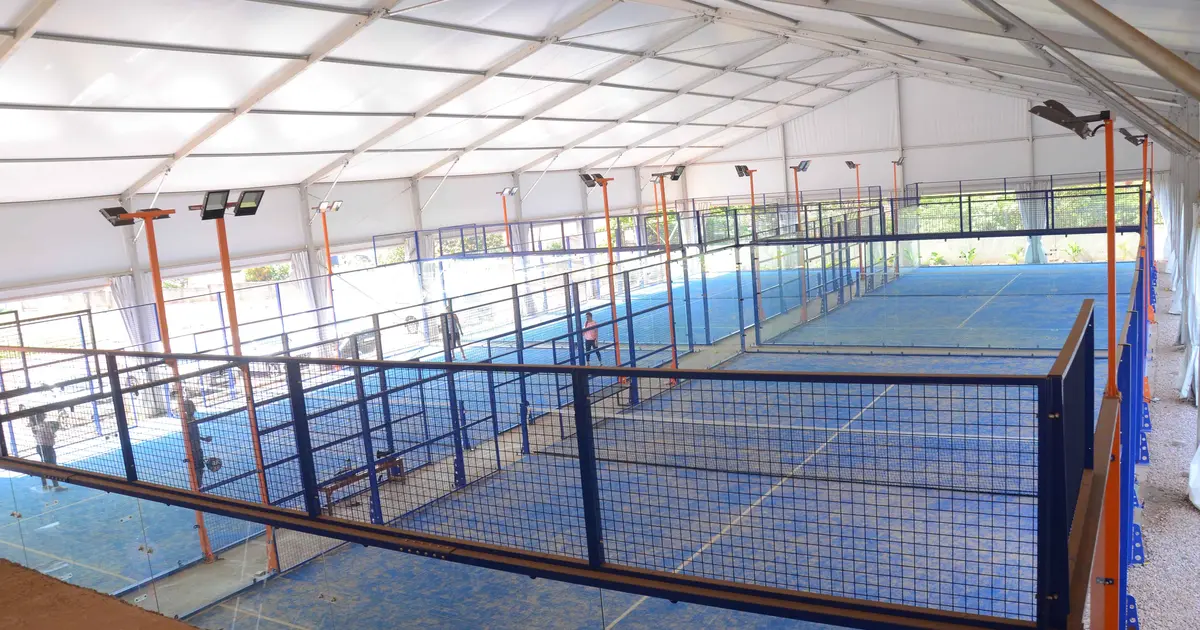
Lighting quality has a significant effect on match quality and player performance. Courts that are too dark, unevenly lit, or that produce glare on the glass walls create conditions where ball tracking becomes inconsistent — an unfair disadvantage that FIP regulations are designed to prevent. The court illumination guide explains the lux level requirements for different categories of play, from recreational courts to professional competition venues, and the uniformity ratios that ensure consistent lighting across the entire playing surface.
Illumination standards also influence outdoor versus indoor court requirements. Outdoor courts used for evening play must meet different specifications from indoor venues where external light is not a factor. The guide covers both scenarios and explains how to assess whether an existing lighting installation meets the applicable standard.
Court Orientation
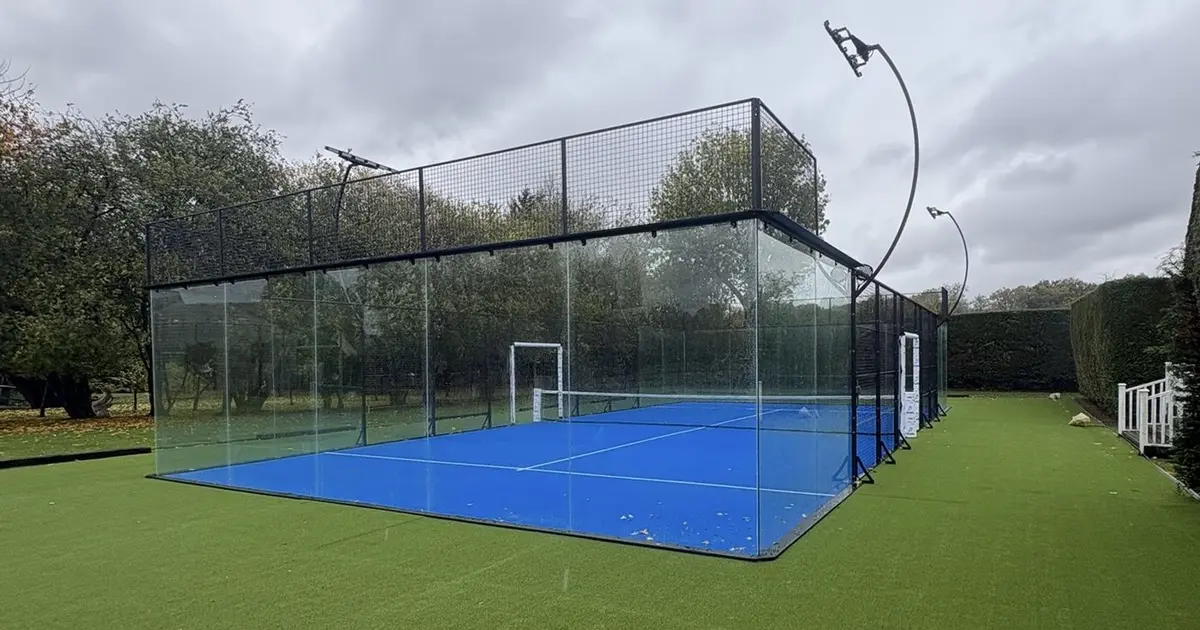
On outdoor courts, the sun is an unavoidable factor. FIP guidelines recommend specific orientation angles to minimise the effect of direct sunlight on player vision during peak playing hours. A court that faces the wrong direction can put one pair at a consistent disadvantage — especially during serve, where looking into low sun makes tracking the ball genuinely difficult. The court orientation guide explains the recommended north-south alignment, the reasoning behind it, and how tournament directors handle orientation when construction constraints make ideal positioning impossible.
Why These Specifications Matter
For most recreational players, court specifications operate invisibly — a well-built court simply feels right. But for clubs, tournament organisers, and facility managers, compliance with FIP standards is a prerequisite for official recognition and competitive play. Courts that fail to meet specification cannot host federation-sanctioned events, which limits a club’s ability to attract competitive players and develop its membership.
Understanding the specifications also helps players advocate for their club’s standards. If lighting is uneven, access gates are too narrow, or outdoor orientation is causing glare problems, knowing the FIP requirements gives players and club committees the language to request improvements with reference to official standards.
Browse the court specification guides below for the complete technical requirements that define a compliant padel facility.
3 articles in Court Specifications
No articles found for your search.