 PADEL RULES
Player Guidelines
Browse all 5 articles in Player Guidelines
Padel is a sport governed by both rules and conventions. The official FIP regulations do not just define how the ball is played — they specify how players must conduct themselves, what they must wear, what equipment they must use, and how time is managed between points. These player guidelines exist to ensure fair competition, protect the health and safety of players, and maintain the respect and integrity that the sport demands at every level of play.
Understanding your obligations as a player is as important as understanding the scoring rules. Whether you play club social padel or regional competition, these guidelines apply. This section covers the official FIP player requirements in full.
Attire and Presentation
FIP regulations specify standards for playing attire across all sanctioned competition. Players must wear appropriate sports clothing that does not include offensive imagery or messaging. Tournament-level events may require matching team colours or branded kit conforming to sponsor agreements. The proper attire guide covers what is permitted, what is prohibited, and how dress code rules are enforced at different tiers of competition from recreational to professional.
Attire rules are rarely controversial at club level, but they can become significant at structured competition. A player turned away from a match for non-compliant dress, or issued a conduct warning for inappropriate clothing, has recourse only through understanding what the rule says precisely — and this guide provides that clarity.
Wrist Strap Requirements
Every padel player is required to use a wrist strap that connects their hand to the racket. This is a safety rule, not a preference: an unsecured racket in an enclosed four-player court is a genuine hazard. The wrist strap rules guide explains the FIP requirement, what constitutes a compliant strap, and the penalties that apply if a player competes without one. Under the 2026 FIP revision, referees are empowered to halt play and issue conduct penalties if a wrist strap is missing or broken during a match.
2026 rule change: The 2026 revision strengthened enforcement of the wrist strap requirement. Referees can now issue a conduct warning and require immediate compliance rather than simply reminding players. Repeated non-compliance escalates through the penalty ladder.
Medical Timeouts and Injury Procedures
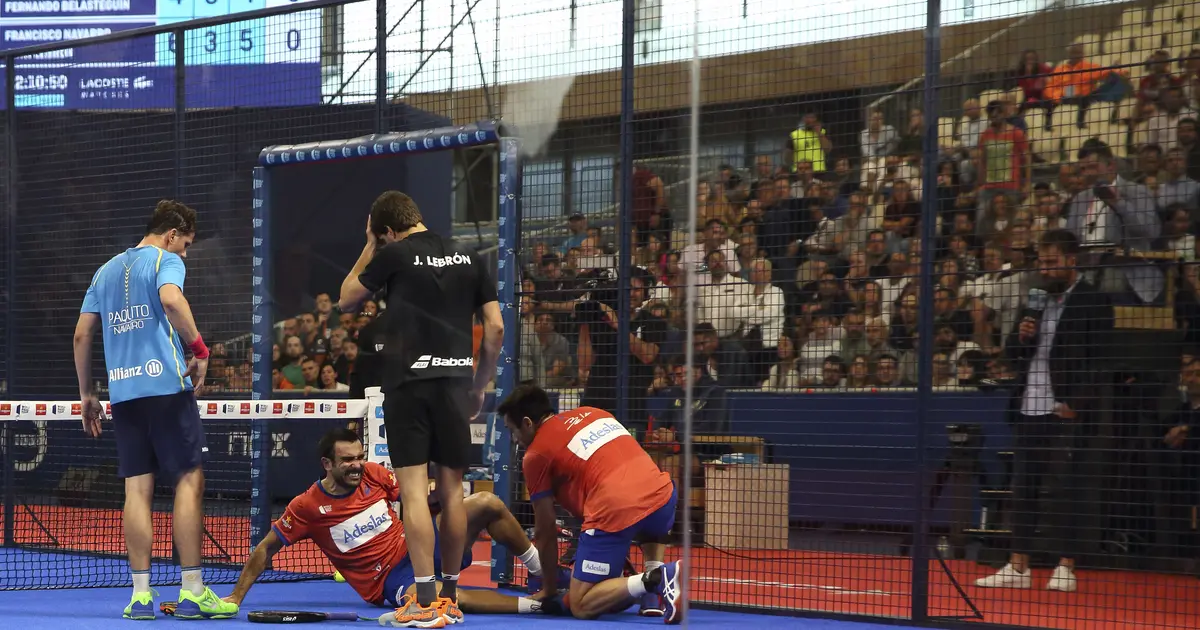
Padel matches allow a medical timeout when a player suffers a genuine injury requiring on-court treatment. The rules governing when a medical timeout can be requested, how long it lasts, and what treatment is permitted are strictly defined to prevent tactical use of injury breaks. The medical timeout guide explains the permitted duration, the role of the medical officer, and what happens when an injured player cannot continue — including the rules on substitution at certain tournament levels.
Injury prevention is equally important. The padel injury prevention guide covers the most common padel injuries — shoulder strains, lateral epicondylitis, ankle sprains — and the preparation and technique adjustments that reduce risk. Prevention is always preferable to treatment, and understanding the physical demands padel places on specific joints and muscle groups helps players train and compete more safely.
Court Etiquette
Beyond the written rules, padel has well-established conventions that govern player behaviour on and around the court. Calling balls out honestly, not crossing adjacent courts while a point is in progress, and acknowledging good shots from opponents are all part of the sport’s culture. The court etiquette guide explains both the formal FIP conduct expectations and the informal conventions that are widely observed in club play across Europe and South America.
Good etiquette protects the social fabric of the sport and makes every match more enjoyable for all four players. At club level, most disputes arise not from technical rule violations but from failures of etiquette — and understanding what is expected prevents most of those situations before they arise.
Playing Responsibly
These guidelines collectively define what it means to be a compliant padel player. They are not bureaucratic obstacles — they are the framework that makes fair, safe, and enjoyable competition possible. A player who understands their obligations can focus on the game rather than disputes, and contributes to the kind of environment that makes padel worth playing.
Browse the player guidelines below for the full detail on conduct, safety, and etiquette requirements at every level of padel.
5 articles in Player Guidelines

No articles found for your search.