 PADEL RULES
Padel Equipment
Browse all 37 articles in Padel Equipment
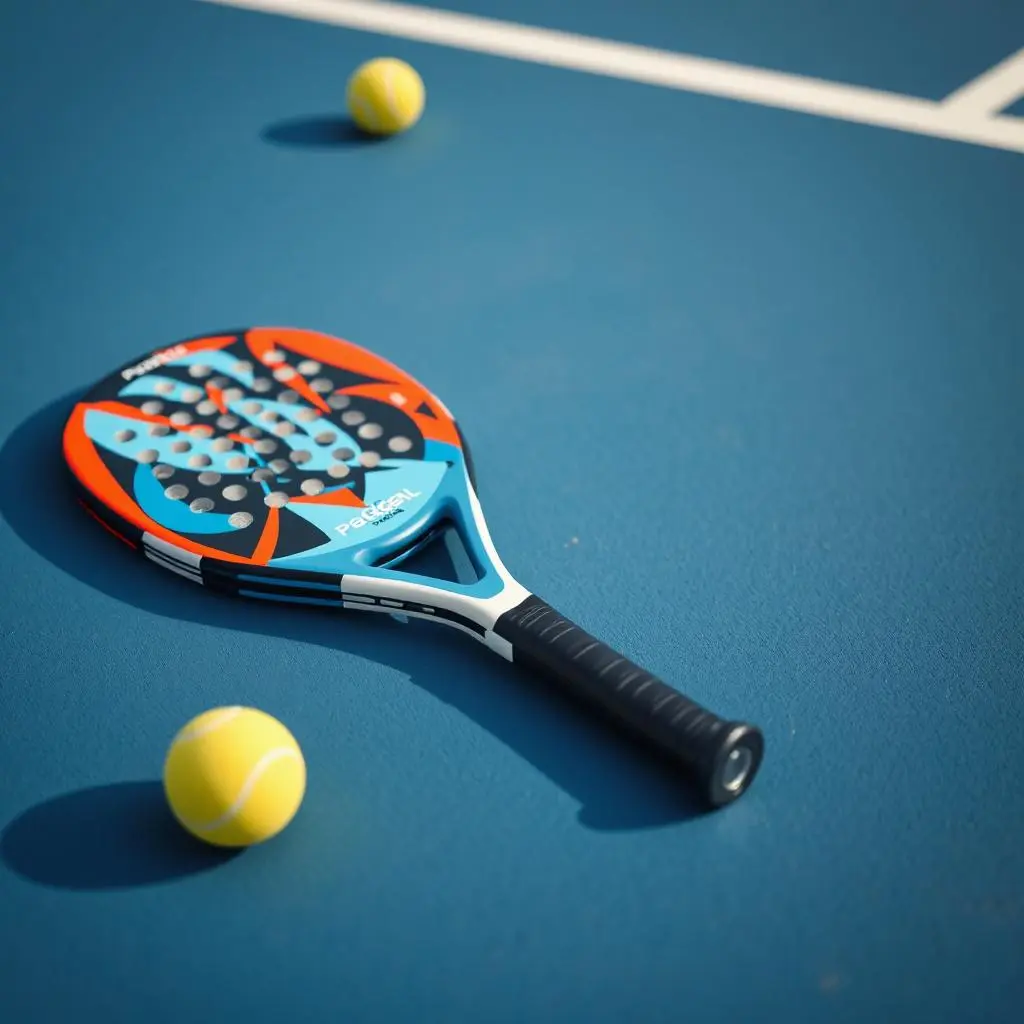
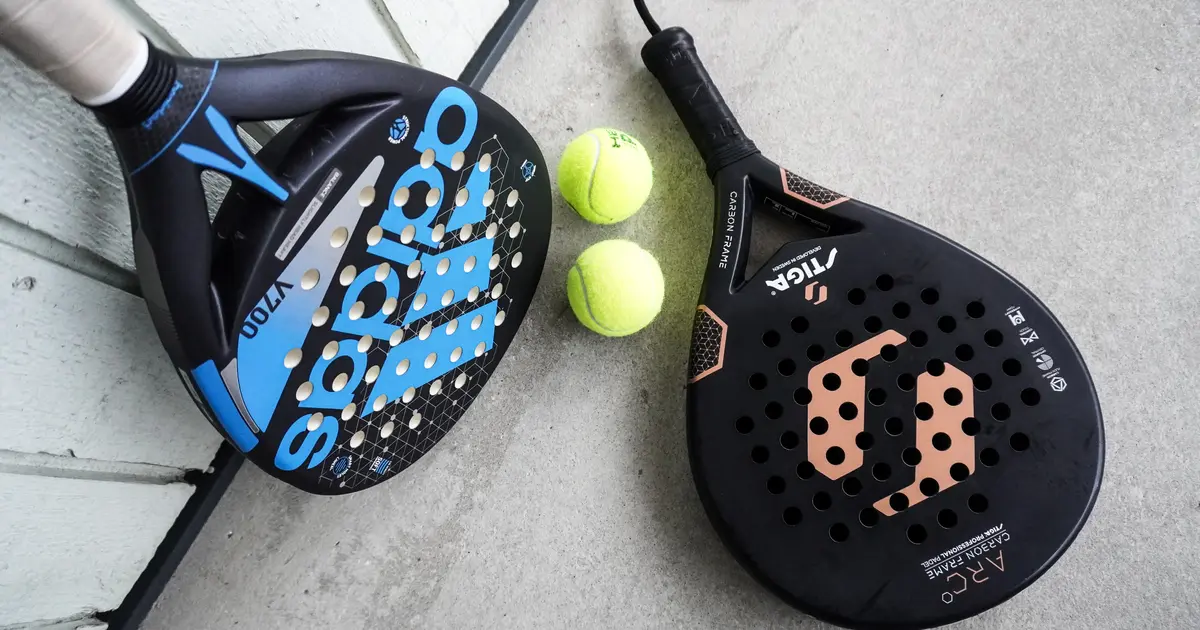
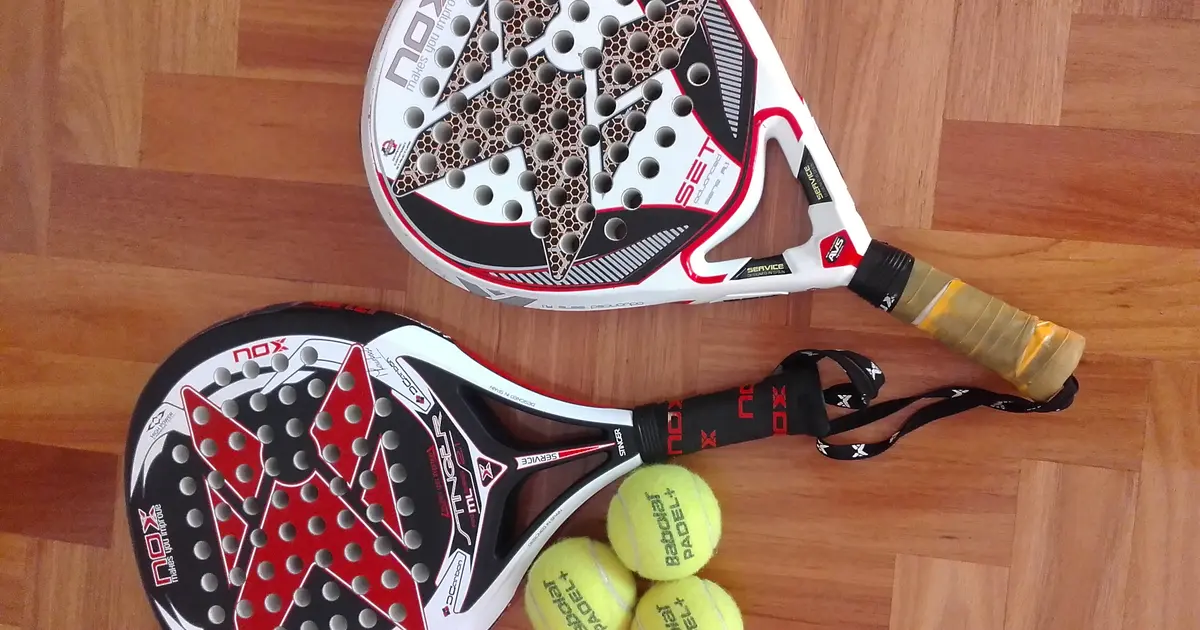
Choosing the right padel equipment is one of the most impactful decisions you will make as a player — whether you are stepping onto the court for the first time or competing at club level. Unlike many racket sports where a single piece of gear dominates the conversation, padel demands attention across several categories: rackets, balls, footwear, grips, bags, and protective accessories. Each one affects how you play, how comfortable you feel during long matches, and how quickly your game improves.
This section of Padel Rules brings together everything you need to make informed equipment choices, from detailed reviews and brand comparisons to official regulation breakdowns and practical buying advice.
What Padel Equipment Actually Covers
The racket is the centrepiece, but it is far from the only thing that matters. Padel balls behave differently from tennis balls — they have lower pressure and a smaller bounce window, which directly shapes rally pace and spin potential. Footwear needs to handle lateral movement on artificial grass or concrete surfaces without marking the court. Grips and overgrips influence racket feel, sweat management, and injury prevention. Even your bag matters if you are carrying multiple rackets and want to protect them from temperature swings.
We cover all of these categories in depth. Our Best Padel Rackets 2026 roundup tests and ranks ten models across different playing styles, and our Best Women’s Padel Rackets 2026 guide covers women-specific models by level — from lightweight beginner rackets to Bea González’s Pearl Cloud and Delfi Brea’s Vertex W. The Padel Racket Buying Guide explains the fundamentals of shape, weight, balance, and materials so you can evaluate any racket on your own terms.
Key Factors When Choosing Your Gear
The biggest mistake new players make is buying based on brand recognition or price alone. What actually matters is matching equipment to your level, playing style, and physical build.
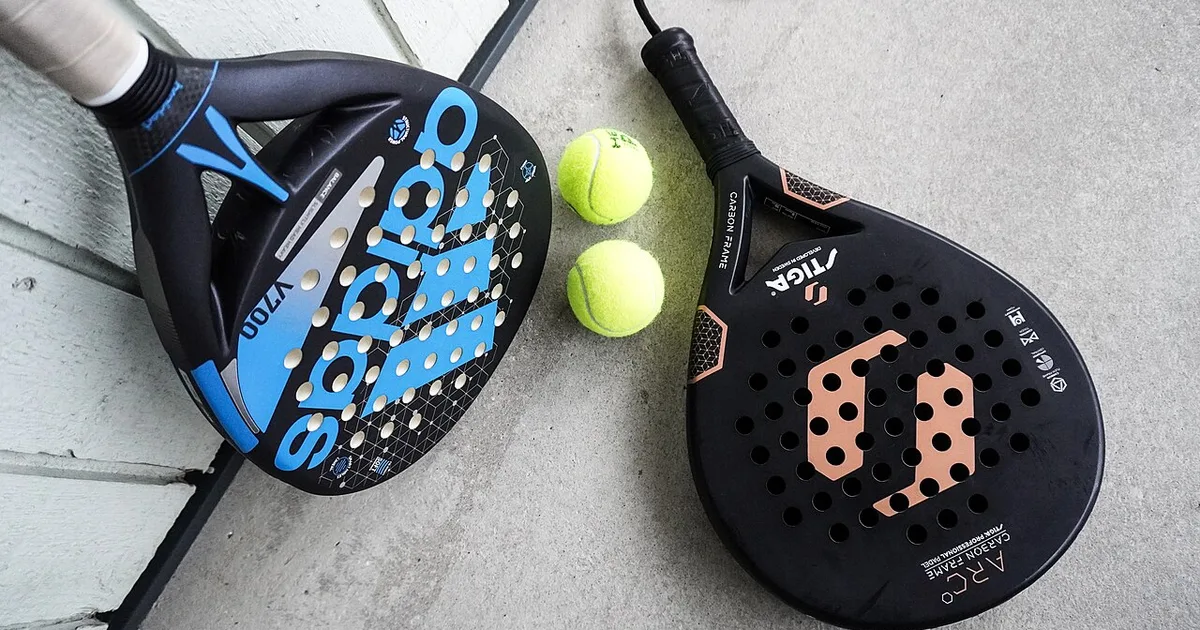
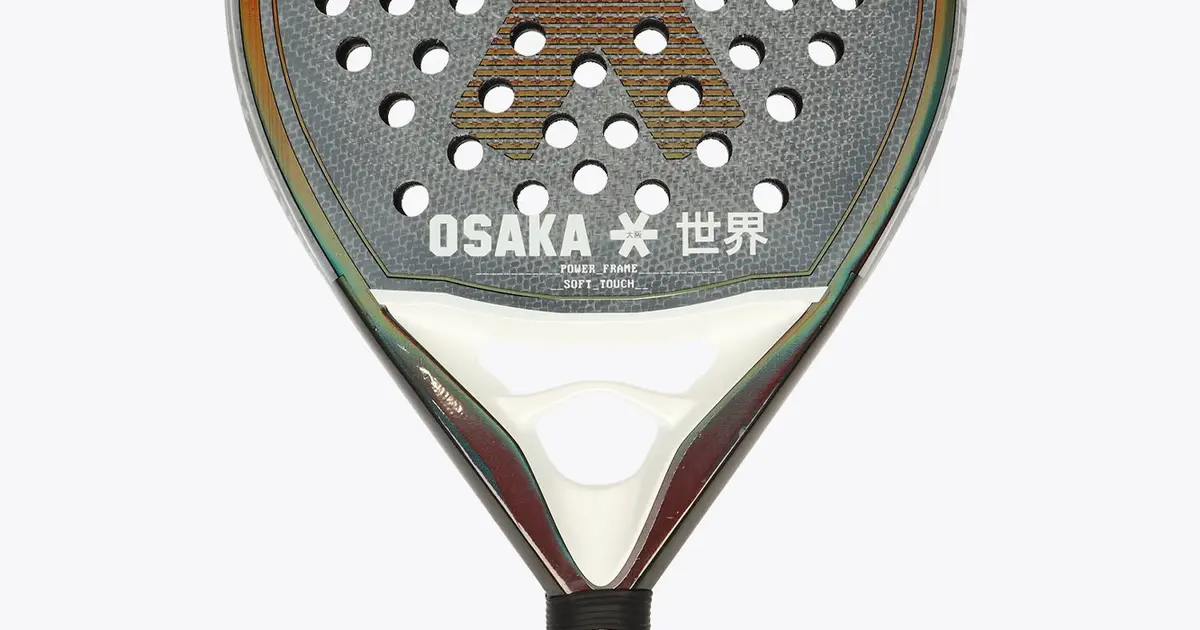
For rackets, the three decisions that matter most are shape (round for control, diamond for power, teardrop for a balance of both), weight (lighter rackets under 360 g suit beginners; heavier ones above 375 g reward experienced players with more stability), and core material (soft EVA for comfort and touch, hard EVA or foam for power and speed). Face material also plays a role — carbon fibre delivers stiffness and power, while fibreglass offers a softer, more forgiving response.
For shoes, the priority is lateral support and a herringbone or omni-pattern sole designed for the court surface you play on most. Clay-court tennis shoes can work in a pinch, but dedicated padel shoes provide better grip on artificial grass and more reinforcement in the toe area where dragging is common. Our Best Padel Shoes 2026 guide tests five pairs on court and ranks them by grip, comfort, and durability.
Balls are often overlooked, but using the wrong ball changes the entire feel of the game. Our Best Padel Balls 2026 comparison covers FIP-approved options and explains why pressure, felt quality, and altitude rating matter.
FIP Regulations at a Glance
The International Padel Federation (FIP) sets strict specifications to keep competition fair. Rackets must not exceed 45.5 cm in total length, with a maximum head width of 26 cm and a thickness of 38 mm. The hitting surface must be perforated, and no stringing is allowed. These constraints prevent any player from gaining an unfair technological advantage — skill and strategy decide matches, not engineering.
Balls must meet defined pressure, size, and bounce-height requirements. The FIP also mandates non-marking soles for all footwear used in sanctioned play. If you want the full technical breakdown, our Padel Racket Specifications article covers every measurement and the reasoning behind it.
What You Will Find in This Section
Our padel equipment library includes over 20 articles spanning several formats:
- Ranked reviews — tested gear with clear recommendations (rackets, shoes, balls)
- Buying guides — framework articles that teach you how to evaluate equipment yourself
- Brand comparisons — head-to-head breakdowns like Bullpadel vs Nox and HEAD vs Babolat
- Regulation explainers — official FIP rules for rackets, balls, and footwear
- Accessories coverage — grips, bags, protective eyewear, and more in our Padel Accessories Guide
Every article is written with real playing experience and grounded in FIP regulations. We update our recommendations as new models release each season, so the best padel gear picks you see here reflect what is actually available and tested right now — not recycled lists from last year.
Whether you are building your first kit or upgrading a single piece of equipment, start with the guides below.
Brand Guides
We have dedicated brand guides for every major padel manufacturer, covering their racket lines, technology, and which models suit different player types:
- Adidas Padel
- Babolat Padel
- Bullpadel Rackets
- HEAD Padel
- Nox Padel
- StarVie Padel
- Tecnifibre Padel
- Víbora Padel
- Wilson Padel
- Royal Padel
- Dunlop Padel Rackets & Balls 2026 — Complete Brand Guide
Racket Guides
- Padel Racket Shapes Explained — Round, Drop or Diamond?
- Diamond vs Round Padel Racket: Which Shape Should You Buy?
- Carbon vs Fibreglass Padel Rackets — Which Material Is Better?
- Best Padel Racket for Beginners 2026 — 4 Affordable Picks Tested
Shoes & Footwear
- Padel Shoes and Footwear Requirements: Why Non-Marking Soles Matter
- Padel Shoes Guide 2026 — Sole Types, Grip & What to Look For
- What Shoes Should You Wear for Padel? A Beginner’s Guide
Other Equipment
37 articles in Padel Equipment

No articles found for your search.