 PADEL RULES

FIP Approved Padel Balls 2026: Official Certified List
13 min read
Settling an argument? Send this rule to your padel group.
Knowing which padel balls carry current FIP certification matters for club managers, tournament organisers, coaches, and competitive players alike. The FIP approval list is the authoritative reference for whether a ball is legal in sanctioned competition — and it covers a broader range of brands than most players realise.
This article is the complete guide to FIP-certified padel balls for 2026: what the certification process involves, the full table of approved brands with certification dates, and practical guidance on choosing between standard and high-altitude options.
For the technical specifications behind these approvals, see our padel ball requirements guide. For curated recommendations across the top six brands, see our best padel balls 2026 picks.
What FIP Ball Approval Actually Means
FIP approval is not a marketing label — it is a documented certification granted after laboratory testing against the FIP’s official technical standards. The FIP sets three core requirements for approved balls:
Technical Specifications
| Parameter | Requirement |
|---|---|
| Diameter | 6.35–6.77 cm |
| Weight | 56.0–59.4 grams |
| Bounce height | 135–145 cm when dropped from 2.54 m (8 ft) onto hard concrete |
| Internal pressure | 4.6–5.2 kg per 2.54 cm² (approx. 67–75 PSI) |
| Surface | Uniform bare rubber (no felt covering) |
| Colour | White, yellow, or any colour with sufficient contrast against the court |
Every ball on the FIP approval list has been submitted by the manufacturer, tested in an accredited laboratory, and confirmed to fall within these ranges. The approval is not self-reported — it requires physical samples to be assessed against the specification.
Why These Numbers Were Chosen
The diameter and weight ranges are tight enough to ensure consistency between manufacturers while allowing for realistic production tolerances. A 4.2 mm diameter window and a 3.4 g weight window mean that any player picking up a ball from any approved brand will experience recognisably similar feel and weight.
The bounce range of 135–145 cm (10 cm window) is the most gameplay-critical parameter. Balls at the top of the range produce faster, more explosive rallies; balls at the lower end encourage control and longer points. Ten centimetres sounds small — in practice, a ball bouncing at 144 cm plays noticeably differently from one at 136 cm.
The Certification Cycle
FIP certifications are time-limited, typically lasting two years. Manufacturers must resubmit for re-certification before expiry. This matters because:
- Rubber compounds, felt suppliers, and manufacturing processes can change without public announcement
- A certification renewed in 2025 with production from a different supplier than the 2023 approval is technically a different ball
- Tournament organisers should verify that the specified ball’s current approval has not lapsed
The FIP updates its official list periodically. The table below reflects certifications current or renewed as of 2026.
Full Table of FIP-Approved Padel Balls (2026)
The following table covers all brands with FIP certification as of August 2026. Certification dates are approximate based on the two-year renewal cycle standard used by the FIP.
| Brand | Model | Approval Date | Expiry Date | Altitude Type |
|---|---|---|---|---|
| Adidas | Adidas Padel Ball | Jan 2025 | Jan 2027 | Standard |
| Akkeron | Akkeron Tour | Mar 2024 | Mar 2026 | Standard |
| Artengo (Decathlon) | Artengo Padel Ball | Sep 2024 | Sep 2026 | Standard |
| Atemi | Atemi Padel | Feb 2024 | Feb 2026 | Standard |
| Babolat | Babolat Court Padel | Nov 2024 | Nov 2026 | Standard |
| Babolat | Babolat Gold Padel | Nov 2024 | Nov 2026 | Standard |
| Bullpadel | Bullpadel Premium Pro | Apr 2025 | Apr 2027 | Standard |
| Bullpadel | Bullpadel Premium Pro High Altitude | Apr 2025 | Apr 2027 | High Altitude |
| Decathlon | Decathlon Padel Ball | Sep 2024 | Sep 2026 | Standard |
| Drop Shot | Drop Shot Pro | Jun 2024 | Jun 2026 | Standard |
| Dunlop | Dunlop Pro Padel | Mar 2025 | Mar 2027 | Standard |
| Dunlop | Dunlop Pro Padel High Altitude | Mar 2025 | Mar 2027 | High Altitude |
| Enebe | Enebe Padel Ball | May 2024 | May 2026 | Standard |
| Gamma | Gamma Padel | Aug 2024 | Aug 2026 | Standard |
| Garlando | Garlando Padel | Jan 2025 | Jan 2027 | Standard |
| Head | Head Padel Pro | Feb 2025 | Feb 2027 | Standard |
| Head | Head Padel Pro S | Feb 2025 | Feb 2027 | Standard |
| Head | Head Padel Pro High Altitude | Feb 2025 | Feb 2027 | High Altitude |
| Koxil | Koxil Padel | Oct 2024 | Oct 2026 | Standard |
| Lotto | Lotto Padel Ball | Jul 2024 | Jul 2026 | Standard |
| Nassau | Nassau Padel | Dec 2024 | Dec 2026 | Standard |
| Nox | Nox Pro Titanium | May 2025 | May 2027 | Standard |
| Nox | Nox Pro Titanium High Altitude | May 2025 | May 2027 | High Altitude |
| Oranje | Oranje Padel | Nov 2024 | Nov 2026 | Standard |
| Pacific | Pacific Padel Ball | Jun 2024 | Jun 2026 | Standard |
| Padel Session | Padel Session Pro | Sep 2024 | Sep 2026 | Standard |
| Padelone | Padelone Pro | Apr 2024 | Apr 2026 | Standard |
| Pro Kennex | Pro Kennex Padel | Jul 2025 | Jul 2027 | Standard |
| Pros Pro | Pros Pro Padel | Mar 2024 | Mar 2026 | Standard |
| Quickspin | Quickspin Padel | Aug 2024 | Aug 2026 | Standard |
| Royal Padel | Royal Padel RX | Jan 2025 | Jan 2027 | Standard |
| Salming | Salming Padel | Feb 2025 | Feb 2027 | Standard |
| Siux | Siux Pro Tour | Jun 2025 | Jun 2027 | Standard |
| Sixzero | Sixzero Padel | Oct 2024 | Oct 2026 | Standard |
| Softee | Softee Padel | Apr 2024 | Apr 2026 | Standard |
| StarVie | StarVie S3 Pro | Mar 2025 | Mar 2027 | Standard |
| Tecnifibre | Tecnifibre Padel | Dec 2024 | Dec 2026 | Standard |
| Varlion | Varlion Summa | May 2024 | May 2026 | Standard |
| Vibora | Vibora Tour | Jul 2025 | Jul 2027 | Standard |
| Volt | Volt Padel | Nov 2024 | Nov 2026 | Standard |
| Wilson | Wilson Premier Padel | Jan 2025 | Jan 2027 | Standard |
| Wilson | Wilson Premier Padel High Altitude | Jan 2025 | Jan 2027 | High Altitude |
Note: This table reflects certification data as of August 2026. Certifications approaching their expiry date should be verified against the current official FIP list before specifying for competition use.
Standard vs High-Altitude Balls: Which Do You Need?
The altitude question is more important than many players realise. The FIP’s 2026 rule update sets the threshold at 1,000 metres above sea level — above this altitude, tournament organisers must specify high-altitude balls.
Why Altitude Affects Ball Behaviour
At high altitude, atmospheric pressure is lower. This means there is less air resistance on the ball in flight and less external pressure counteracting the internal gas pressure of the ball. The combined effect is a ball that:
- Travels faster through the air
- Bounces higher off the court surface
- Comes off glass walls with more pace than expected
At 1,500–2,000 metres, an uncorrected standard ball can bounce 10–15 cm higher than the FIP maximum — which makes the game significantly faster, rewards power over technique, and reduces the tactical depth that makes padel enjoyable at any level.
The 2026 Rule Change
The previous threshold (set in 2021) was 500 metres. The January 2026 revision moved it to 1,000 metres after testing showed that at 500–900 m, standard balls behaved normally. This eliminated a loophole where clubs at moderate elevation could use low-pressure balls even when it was not genuinely necessary. The new threshold targets venues where altitude materially affects play.
Where High-Altitude Balls Are Required
| Location | Altitude | Ball Type Required |
|---|---|---|
| La Paz, Bolivia | 3,600 m | High-altitude |
| Bogotá, Colombia | 2,600 m | High-altitude |
| Quito, Ecuador | 2,850 m | High-altitude |
| Mexico City, Mexico | 2,250 m | High-altitude |
| Denver, USA | 1,609 m | High-altitude |
| Johannesburg, South Africa | 1,753 m | High-altitude |
| Madrid, Spain | 640 m | Standard |
| Barcelona, Spain | 12 m | Standard |
| London, UK | 11 m | Standard |
| Dubai, UAE | 5 m | Standard |
High-Altitude Ball Specifications
High-altitude balls must bounce 121.92–135 cm when dropped from 2.54 metres. This lower bounce compensates for the altitude effect — the reduced internal pressure means the ball behaves like a standard ball does at sea level. All other specifications (diameter, weight, exterior) remain identical.
Of the 35+ brands on the FIP list, the following currently offer a certified high-altitude variant: Head, Bullpadel, Dunlop, Wilson, and Nox. Most regional and smaller brands produce standard balls only.
Choosing Approved Balls: Practical Guidance
For Tournament Organisers
Verify two things before specifying a ball for a sanctioned event:
- The ball appears on the current FIP approval list
- The certification has not expired (check the expiry date against your event date)
Specifying a ball with an expired certification — even from a major brand — is non-compliant. Major tournaments typically specify Head, Dunlop, Wilson, or Bullpadel because these brands consistently maintain up-to-date certification and offer guaranteed supply in bulk quantities.
For Club Managers and League Organisers
If your league requires FIP-approved balls, any brand in the table above is technically legal for use. The practical decision is between:
- Premium tier (Head, Dunlop, Wilson): Higher cost per can, longer durability, consistent quality control. Best for competitive leagues and match play.
- Value tier (Bullpadel, Nox, Babolat, Varlion, StarVie): Mid-range pricing, good quality, popular among club players. Most offer bulk purchasing options.
- Budget tier (Artengo/Decathlon, Softee, Enebe, Drop Shot): Lowest per-can cost, suitable for recreational leagues and coaching sessions where balls are used in high volume.
Shop Head padel balls → Shop Wilson Premier Padel balls → Shop Bullpadel Premium Pro balls → Shop Nox padel balls →
For Competitive Players
Use whichever FIP-approved ball your club or league specifies. For training and practice, choose a ball that matches the speed and feel of what you play in competition — this removes one variable from your preparation.
If you train at sea level and compete at altitude (or vice versa), keep both standard and high-altitude balls in your bag. The difference in play feel is significant enough to require specific adjustment, and practicing with the wrong ball type before a high-altitude event will leave you unprepared for the faster pace.
The Major Brands in Detail
Head — The Premier Padel Standard
Head’s Padel Pro is the official ball of Premier Padel, the top professional circuit. This association has made it the benchmark ball for the sport. Head maintains certification across three variants: standard, speed (Pro S), and high-altitude. Their quality control is among the most consistent in the industry, with minimal batch-to-batch variation.
Dunlop — Built for Durability
Dunlop has been producing padel balls since the early growth of the sport in Europe. The Pro Padel’s rubber compound is engineered for extended felt life and pressure retention — players consistently report 5–6 matches before meaningful pressure drop. Available in standard and high-altitude variants.
Wilson — The Premier Padel Tour Ball
Wilson supplies balls for Premier Padel events alongside Head, and the Premier Padel ball is the specific model used in top-tier competition. Identical core specifications to the Head Padel Pro with Wilson’s own rubber and felt formulation. Highly consistent, available in standard and high-altitude.
Bullpadel — Value at Scale
Bullpadel’s Premium Pro has been one of the best-selling padel balls worldwide for several years. Faster character than Head or Dunlop, favouring aggressive players. Strong bulk purchasing options make it the go-to choice for clubs buying in high volume. Standard and high-altitude certified.
Nox — Spanish Pedigree
Nox is one of the longest-established Spanish padel brands, and the Pro Titanium ball carries the technical credibility that comes with that heritage. Used by several professional players and coaches as their preferred training ball. Standard and high-altitude variants certified.
Shop Head padel balls in bulk → Shop Bullpadel Premium Pro 24-box →
What Happens When a Certification Expires?
When a brand’s FIP certification expires, the ball is removed from the approved list until re-certification is obtained. Practically:
- For tournaments: A ball with an expired certification cannot be specified as the official match ball. If the expiry is discovered mid-tournament, a different approved ball must be sourced.
- For clubs: An expired certification does not mean the ball suddenly plays differently — the physical specifications of the ball have not changed. It means the ball is no longer documented to meet FIP standards and cannot be used in sanctioned competition.
- For recreational play: No practical impact. The ball’s actual properties are unaffected by certification status.
Brands with upcoming expirations in late 2026 include: Akkeron, Atemi, Drop Shot, Enebe, Gamma, Pros Pro, and Softee. Players and organisers using these brands for competition should monitor the FIP list for renewal confirmation.
Summary
The FIP certification list for 2026 covers 35+ brands from five continents. The core specifications — diameter, weight, and bounce — are tight enough to ensure genuine consistency across the list. Certification is time-limited and must be renewed, making it essential for tournament use to verify expiry dates rather than assuming all listed brands are current.
For standard play at sea level, any ball on the approved list is legally eligible. For altitude above 1,000 metres, only the five brands offering certified high-altitude variants (Head, Bullpadel, Dunlop, Wilson, Nox) currently provide a compliant option.
For the technical rules that define why these specifications exist, see the padel ball requirements article. For ball recommendations, see best padel balls 2026.
Related Equipment Guides
Was this page helpful?
Thanks for your feedback!
Free beginner PDF + rule updates
Get the 4-page beginner guide to the 2026 padel rules, then one short email a week for four weeks and a monthly newsletter.
More in Padel Equipment
Adidas Padel Rackets & Shoes 2026 — Complete Brand Guide
Adidas padel in 2026: the Metalbone racket line, Barricade and Adizero shoes, brand history, and which Adidas gear suits your level.
Babolat Padel Rackets 2026 — Best Models & Technology Guide
The Babolat padel racket range for 2026: compare the Viper, Counter and Technical lines, with prices, player endorsements and our picks.
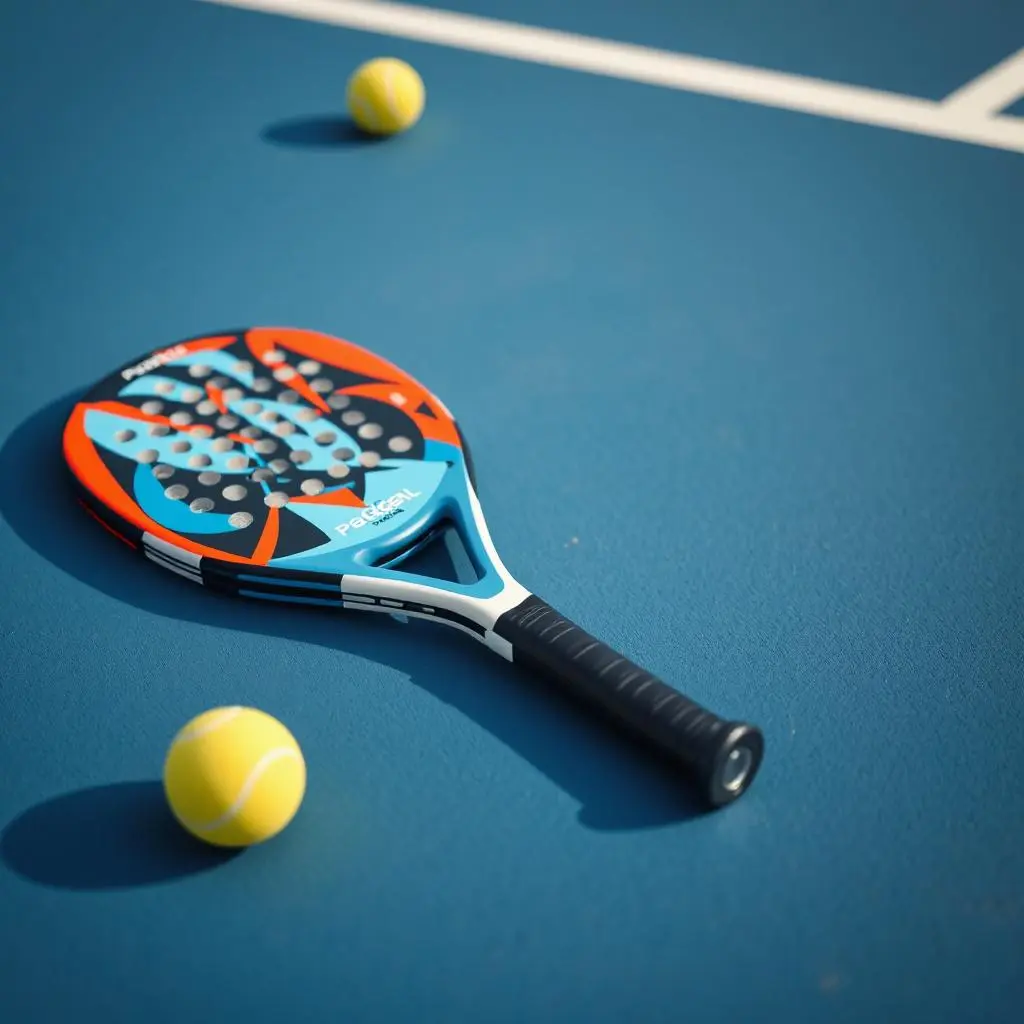
Padel Ball Specifications: Why Balls Matter
FIP padel ball specifications control bounce, durability and consistency. How balls differ from tennis, why altitude matters, why approved balls are used.
Best Padel Bags 2026: How to Choose + 5 Verified Picks
How to choose a padel bag: backpack or racket bag, racket capacity, thermal and shoe pockets. Plus 5 current bags with specs checked on makers' sites.