 PADEL RULES
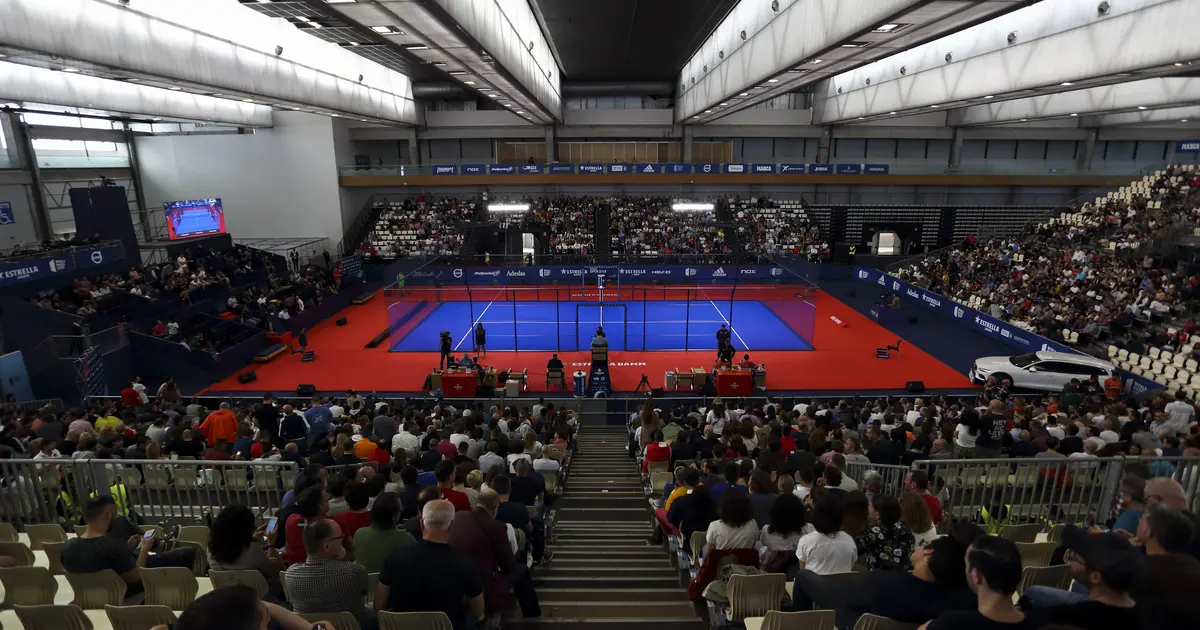
Padel Fault Rules and Lets
7 min read
A fault is a failed serve that costs you an attempt. A let is a serve that must be replayed through no fault of the server. One fault is free — two in a row (a double fault) lose the point. Understanding this distinction will save you arguments on court. For the full service requirements, see serve rules.
Every Fault Type — With Real-Match Scenarios
Under FIP Rules of Padel 2026, Rule 7, any of the following makes a serve a fault:
Ball lands outside the service box
You aimed for the wide serve but it drifted — the ball lands on or outside the service box line. Lines are good (in), but anything beyond them is a fault. This is the single most common fault at every level of the game.
Ball struck above hip level
You bounced the ball too hard and it came up higher than expected. Your racket catches it at chest height — fault. This is the most common fault for beginners transitioning from tennis. In padel, the ball must be at or below hip height at the moment of contact.
Foot fault
Your front foot crept over the service line as you swung. Under 2026 rules, at least one foot must remain behind the service line at the moment of contact — but that one foot is strictly enforced. Stepping on the line, crossing the centre-line extension, or entering your own reception box all count as foot faults.
Ball crosses the centre line before contact (2026 rule change)
You bounced the ball, it drifted toward the centre, and by the time you made contact it had crossed the imaginary centre-line extension. This is a fault under Rule 6.2 of the 2026 FIP revision — the ball must stay on your side until struck. The 2021 rules did not explicitly prohibit this, and some servers exploited the gap by letting the ball travel forward, shortening the effective distance across the net. The 2026 rules close that loophole. See padel rules 2026 changes for all updated regulations.
Serve hits the metallic fence after bouncing in the box
Your serve had too much topspin — it bounced in the correct box but then popped up and hit the wire mesh above the glass. This is a fault even though it landed in the right spot. The same applies if the ball exits through the court gate on a court where out-of-court play is not authorised.
Miss
You swung and completely whiffed the ball after it bounced. Even attempting to hit the ball and missing counts as a fault. If you decide not to swing, that is not a fault — you simply restart.
Other fault situations
A serve is also a fault if the ball hits the server, their partner, or anything worn or carried by either player before landing in the service box.
The Double Fault
If the server faults on both the first and second serve, the receiving team wins the point. At professional level, double faults happen roughly two to four times per match. At recreational level, they are far more common — especially when players try to add speed or spin to their second serve. The safest second-serve approach: aim for the centre of the box with a medium-pace flat stroke.
The Let Rule
Under FIP Rules of Padel 2026, Rule 8, a let means the serve is replayed with no penalty. Neither serve attempt is consumed.
Net cord let
The ball clips the net tape or cord and lands in the correct service box. Play stops, and the server tries again. Under FIP rules, if the ball hits the net post (not just the cord or tape) and lands in the box, it is still a let — the serve is replayed.
Receiver not ready
If the server fires the ball and the receiver was not set up, the receiver can indicate they were not ready — by raising a hand or by not attempting to play the ball. This is a let and the serve is replayed.
First-serve let vs. second-serve let
When a let occurs on the first serve, the entire point is replayed and the server keeps both serves. When a let occurs on the second serve, only the second serve is replayed — you do not get your first serve back.
Lets During Rallies
Lets are not limited to serves. Under the rules on interference, a let may be called during a rally when:
- A ball from an adjacent court rolls onto yours mid-rally — let, entire point replayed.
- External interference occurs — a person walks across the court, an object falls from above, or anything else outside the players’ control disrupts play.
At multi-court facilities, the adjacent-court let is the most common. If you see a ball rolling onto your court, call “let” immediately — do not wait for it to interfere with the shot. When a rally let is called, the entire point is replayed from the first serve. See interference for the complete rules on external disturbances.
Net Ball During Rallies Is NOT a Let
If the ball clips the net during a regular rally (not a serve) and drops over to the opponent’s side, play continues — the rally is live. This catches many beginners off guard: on serves, a net clip is a let; during rallies, it is perfectly legal. See ball in play for the full rules on what keeps the ball in play.
Summary Table
| Situation | Result |
|---|---|
| Serve touches net or net post, lands in box | Let — replay serve |
| Serve touches net, lands out | Fault |
| Serve lands correctly in box | Good serve |
| Serve lands in box, then touches fence before 2nd bounce | Fault |
| Serve lands in box, exits through gate (no safety zone) | Fault |
| Foot fault (crosses service line, centre line, or own reception box) | Fault |
| Ball crosses centre line before contact (2026 rule) | Fault |
| Ball above hip level on serve | Fault |
| Server misses the ball | Fault |
| Receiver not ready | Let — replay serve |
| Ball from adjacent court interrupts rally | Let — replay entire point |
| Ball clips net during rally, lands in | In play — rally continues |
| Ball clips net during rally, lands out | Point to opponent |
For a dedicated deep dive on when serves are replayed, see padel let rule explained.
Practical Tips by Level
Beginners: If you are unsure whether something was a fault or a let, communicate with your opponents. In recreational padel without a referee, sportsmanship calls are expected. When in doubt, replay the point.
Intermediate players: Practice your second serve until it is reliable. A consistent second serve that lands in the box is worth far more than a risky first serve that produces double faults. Add spin only once you can land the flat serve nine times out of ten.
Gear That Helps You Avoid Faults
Most double faults stem from misjudging strike height or losing control of the racket face angle. A lighter, round-shaped racket with a large sweet spot gives beginners more room for error — see our best padel racket for beginners guide. Ball quality matters too: worn or depressurised balls bounce inconsistently during the toss, making it harder to time the strike below hip level. Check our padel balls guide for FIP-approved options.
Related Padel Rules
Stay in the loop
Get padel rule updates and tournament news — no spam.
More in Basic Rules
What Happens If the Ball Hits a Player in Padel?
If the ball hits a player's body in padel, that player's team loses the point — with limited exceptions. Full FIP rule breakdown with scenarios.
What Happens When the Ball Goes Out of the Court in Padel?
When the ball leaves the padel court through an open door or over the fence, the point may continue if a player can retrieve it.
Can the Ball Bounce Twice in Padel?
No — if the ball bounces twice on your side of the court, you lose the point. Learn the one-bounce rule, wall rebounds, and the exceptions every padel.

What Happens If You Hit the Ball Twice in Padel?
Hitting the ball twice in padel results in losing the point — unless the double contact is unintentional and happens in a single continuous swing.