 PADEL RULES
Common Padel Injuries and How to Prevent Them
9 min read
Padel is a low-impact sport compared to tennis or squash, but its unique movement patterns — constant lateral shuffling, frequent overhead shots, wall rebounds, and the repetitive split-step — create specific injury risks that every player should understand.
Most padel injuries are overuse injuries that build up gradually over weeks or months. This means they are largely preventable with the right habits, equipment, and training.
Note: This article provides general information about common padel injuries and prevention strategies. It is not medical advice. If you are experiencing pain or an injury, consult a physiotherapist or sports medicine professional for proper diagnosis and treatment.
The Most Common Padel Injuries
1. Padel Elbow (Lateral Epicondylitis)
What it is: Inflammation of the tendons on the outside of the elbow from repetitive gripping and wrist extension.
Why it happens in padel: The solid racket face transmits more vibration than a strung tennis racket. Off-centre hits, excessive grip pressure, and the high volume of overhead shots (bandeja, vibora, smash) all stress the forearm extensors.
Symptoms: Pain on the outer elbow, weak grip, pain when twisting or lifting.
Prevention:
- Use the correct grip size — check it with the finger-gap test (see Grip and Overgrip Guide)
- Relax your grip between shots — squeeze only at impact
- Choose a round-shaped racket with soft foam for better vibration absorption
- Do daily eccentric wrist exercises (3 sets of 15, slowly lowering a light weight)
For a detailed guide, see Padel Elbow — What It Is, Prevention, and Recovery.
2. Shoulder Rotator Cuff Tendinitis
What it is: Inflammation of the rotator cuff tendons (the small muscles that stabilise the shoulder joint) from repetitive overhead movements.
Why it happens in padel: The bandeja, vibora, and smash are played overhead and require the shoulder to generate force while the arm is raised and rotating. Playing these shots many times per session — often dozens in a single match — gradually overloads the rotator cuff if it is not conditioned for the work.
Symptoms: Pain in the front or side of the shoulder during or after overhead shots, pain when raising the arm, night-time aching.
Prevention:
- Include rotator cuff exercises in your weekly routine: external rotations with a band, prone Y-T-W raises, and scapular push-ups (see Padel Fitness Training)
- Warm up your shoulders thoroughly before playing — arm circles, band pull-aparts, and gentle overhead swings
- Avoid overhead shots during the first 5 minutes of play — start with volleys and groundstrokes
- Do not play through shoulder pain — rest early to avoid chronic injury
3. Ankle Sprains
What it is: Stretching or tearing of the ligaments on the outside of the ankle, usually from rolling the foot inward during a lateral movement.
Why it happens in padel: The constant side-to-side shuffling, split-steps, and rapid direction changes — particularly on artificial grass — place high lateral load on the ankles. Wearing incorrect footwear dramatically increases the risk.
Symptoms: Sudden pain on the outside of the ankle, swelling, difficulty bearing weight.
Prevention:
- Wear padel-specific shoes with herringbone soles designed for artificial grass. Running shoes, cross-trainers, and indoor court shoes do not provide adequate lateral support
- Strengthen your ankles with single-leg balance exercises: stand on one foot for 30 seconds, progress to doing it with eyes closed or on an unstable surface
- Include ankle circles in every warm-up (see Padel Warm-Up Routine)
- If you have a history of ankle sprains, consider wearing an ankle brace during play
2026 rule change: The 2026 FIP regulations require players in sanctioned tournaments to wear appropriate footwear for the playing surface. While this rule is primarily about court protection, it reinforces the importance of proper padel shoes for both safety and performance.
4. Knee Pain (Patellar Tendinitis / General Knee Pain)
What it is: Pain around or below the kneecap, often caused by inflammation of the patellar tendon (the tendon connecting the kneecap to the shinbone) or general overload of the knee joint.
Why it happens in padel: The deep knee bends required for volleys at the net, the lunging movements to reach wide balls, and the repeated impact of the split-step all load the knee joint. Playing on hard surfaces (older courts with thin artificial grass) increases the impact.
Symptoms: Pain below or around the kneecap, stiffness after sitting, pain when squatting or going down stairs, discomfort during the split-step.
Prevention:
- Strengthen your quadriceps and hamstrings with squats, lunges, and single-leg exercises
- Avoid playing on worn-out court surfaces where the turf provides insufficient cushioning
- Warm up your legs thoroughly before playing — walking lunges, leg swings, and bodyweight squats
- If knee pain appears, reduce playing frequency and ice the knee after sessions
- Ensure your padel shoes have adequate cushioning
5. Achilles Tendon Problems
What it is: Pain, stiffness, or inflammation of the Achilles tendon (the thick tendon connecting the calf muscles to the heel bone).
Why it happens in padel: The split-step — the foundational movement in padel — involves landing on the balls of your feet and loading the Achilles tendon with every shot your opponent plays. In a typical match, you perform hundreds of split-steps. Combined with the pushing-off motion used in lateral shuffles, the Achilles is under constant stress.
Symptoms: Stiffness in the Achilles area (especially in the morning or after sitting), pain at the back of the heel during or after playing, a thickened or tender tendon.
Prevention:
- Calf raises: 3 sets of 15, both legs, daily — this is the single most effective Achilles tendon conditioner
- Eccentric calf raises (lowering slowly): stand on a step, rise on both feet, lower on one foot over 4 seconds. 3 sets of 12 per leg
- Never skip the warm-up — the Achilles tendon needs gradual loading before explosive activity
- Increase playing volume gradually — jumping from 1 to 4 sessions per week is a common trigger
6. Lower Back Pain
What it is: Pain in the lower back (lumbar region) from muscular strain or joint irritation.
Why it happens in padel: Every shot in padel involves trunk rotation, and overhead shots add spinal extension (arching backward) to the rotation. Players who lack core strength compensate with their lower back, leading to muscular fatigue and pain.
Symptoms: Dull ache in the lower back during or after playing, stiffness when bending forward, discomfort during overhead shots.
Prevention:
- Strengthen your core with anti-rotation exercises (Pallof press), dead bugs, and planks (see Padel Fitness Training)
- Warm up your trunk with rotational stretches before playing
- Focus on rotating through your thoracic spine (mid-back) rather than your lumbar spine — this is a technique issue that coaching can address
- If you play frequently, include dedicated core work 2–3 times per week
General Prevention Strategies
These habits protect against most padel injuries:
1. Warm up every time
A 10–15 minute dynamic warm-up before playing reduces the risk of muscle and tendon injuries significantly. See Padel Warm-Up Routine for a complete routine.
2. Wear the right shoes
Padel shoes with herringbone soles are designed for the lateral movements and artificial grass surfaces of padel courts. Incorrect footwear is a factor in ankle sprains, knee pain, and blisters. See the Padel Shoes Buying Guide for recommendations.
3. Choose the right racket
A racket that is too heavy, too head-heavy, or too stiff increases the load on your arm and shoulder. Beginners and players with elbow or shoulder issues should choose a round-shaped racket with a soft foam core. See our Racket Buying Guide.
4. Build up gradually
Most overuse injuries happen when players increase their playing volume too quickly. If you are new to padel or returning from a break:
- Week 1–2: 1–2 sessions
- Week 3–4: 2–3 sessions
- Week 5+: 3–4 sessions if your body is adapting well
Add no more than one session per week.
5. Rest and recover
- Take at least one complete rest day between sessions during your first month
- Sleep and nutrition directly affect tendon and muscle recovery
- Ice any area that feels sore or inflamed after playing — 15 minutes, wrapped in a cloth
- If pain persists for more than 3 days after a session, reduce your playing volume
6. Cool down after playing
A 5-minute cool-down with static stretches after the match helps maintain flexibility and reduces next-day stiffness. See the cool-down section in Padel Warm-Up Routine.
7. Train off-court
The most injury-resistant players are those who supplement their padel with targeted strength and conditioning. Two to three short sessions per week — focusing on shoulders, core, legs, and forearms — make a measurable difference. See Padel Fitness Training.
When to Stop and Seek Help
Stop playing and consult a professional if you experience:
- Sharp, sudden pain during a specific movement
- Swelling in a joint (ankle, knee, elbow)
- Pain that does not improve with 3–5 days of rest
- Numbness or tingling in the arm or hand
- A popping or snapping sensation in a joint or tendon
- Pain that worsens over successive sessions despite rest
Under FIP tournament regulations, players may request a medical timeout during a match for acute injuries. For recreational play, the priority is always to stop early rather than play through pain.
Key Takeaways
- Most padel injuries are overuse injuries that develop gradually — and are largely preventable
- Warm up before every session, wear proper shoes, and choose a racket suited to your level
- Padel elbow, shoulder tendinitis, and ankle sprains are the three most common injuries
- Build playing volume gradually and include rest days between sessions
- Off-court strength training (shoulders, core, forearms, calves) is the most effective long-term injury prevention strategy
- If pain persists or worsens, stop playing and see a professional — early intervention prevents chronic problems
For the complete guide on padel’s most common arm injury, see Padel Elbow. For guidance on getting started safely, see How to Play Padel.
Stay in the loop
Get padel rule updates and tournament news — no spam.
More in Player Guidelines

Padel Court Etiquette: 8 Rules Every Player Must Know
8 essential padel court etiquette rules: continuous play, hindrance calls, ball retrieval, and the FIP conduct standards every club and competitive player must follow.
Medical Timeouts: How Padel Balances Injury Care and Fair Play
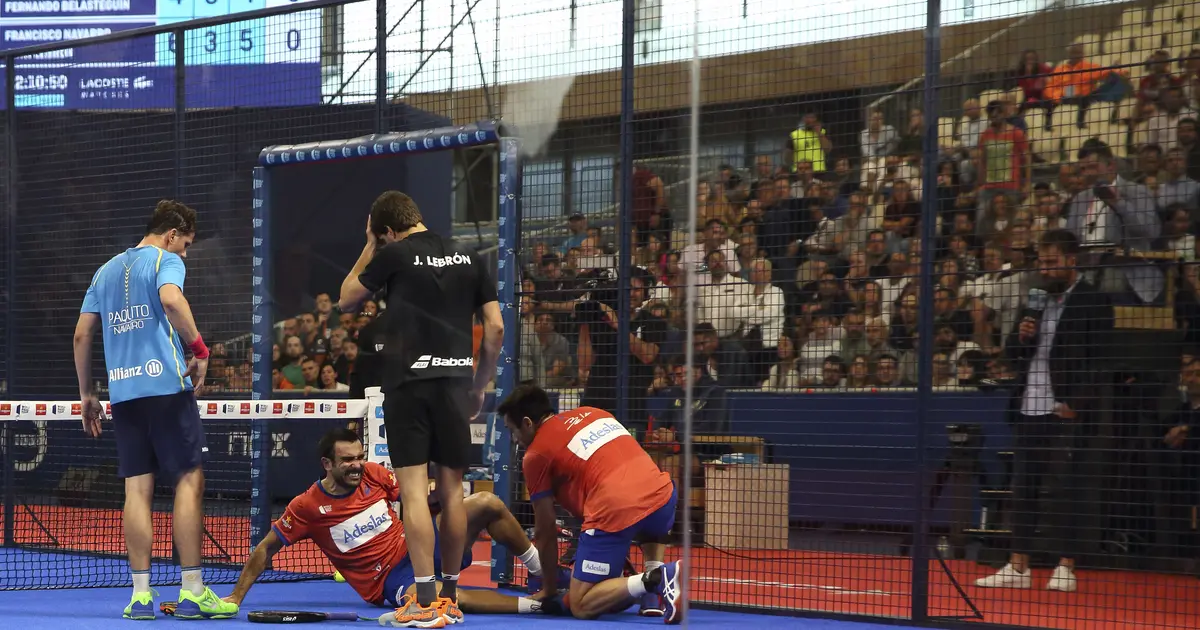
Players get one 3-minute medical timeout per match to treat injuries. Learn when it applies, what counts as medical vs. abuse, heat/cramp rules, and why no warm-up is allowed after treatment.
Proper Attire
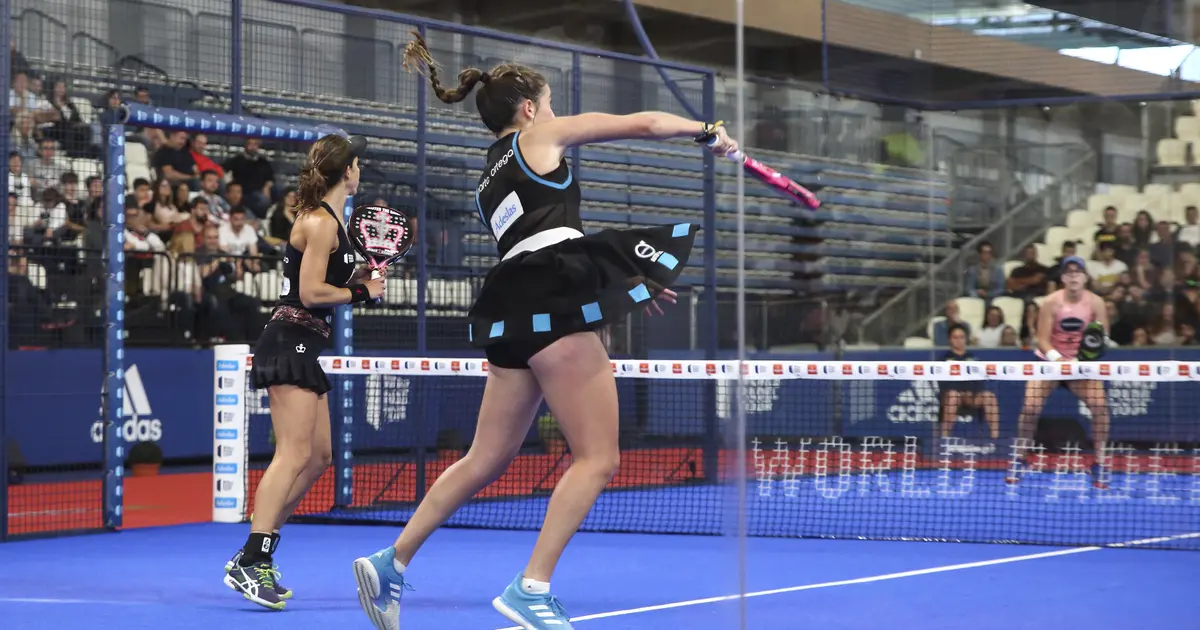
FIP regulations require non-marking footwear and appropriate sports clothing. Professional events have additional branding and sponsor requirements.
Padel Wrist Straps: Mandatory Safety Equipment & Why Length Matters
Wrist straps are mandatory safety equipment in padel. Learn why they're non-negotiable, what makes a strap tournament-legal (max 35 cm, non-elastic), what happens if it breaks, and how to maintain them safely.