 PADEL RULES
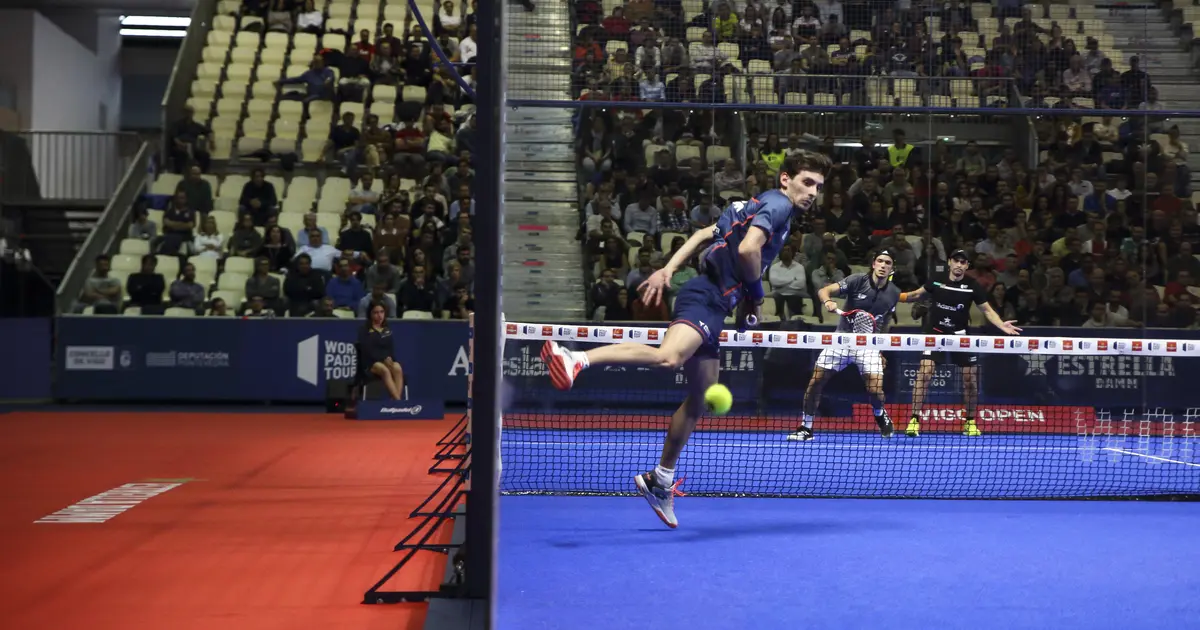
The Bandeja in Padel — How to Hit It and When to Use It
5 min read
The bandeja is one of the most important shots in padel for players at the net. It allows you to deal with a high lob without abandoning your net position — and when executed well, it produces a ball that bounces low and stays near the back glass, making it very hard for opponents to lob back.
What Is the Bandeja?
The word bandeja means “tray” in Spanish — the name describes the flat, open racket face used to hit the shot. It is an overhead played with slice, producing a ball that skids and stays low after bouncing. Unlike a smash, the bandeja is not designed to end the point outright. Its purpose is to maintain net control while putting the ball in a difficult spot for the opponents.
The bandeja sits between the volley and the smash in terms of height. You use it when the ball is above your head but not in the “smash zone” — typically when a lob forces you to take a step back but you can still control the shot.
When to Use the Bandeja
Use the bandeja when:
- The opponent’s lob is high but not short enough to smash with angle
- You want to stay at the net rather than risk your position
- Your team has net control and you do not want to give it up
- The ball is above head height and a clean smash would likely come back off the glass
Avoid the smash when:
- The ball is going deep toward the back glass — a hard smash will rebound and give opponents an easy ball
- You are not sure you can angle the ball down — if in doubt, bandeja
General principle: When you are unsure between a smash and a bandeja, choose the bandeja. Keeping the net is almost always worth more than attempting a winner.
Technique
Grip
Use a continental grip (the same as for a volley or slice). This naturally opens the racket face for the slice motion.
Preparation
- Turn sideways as soon as you see the lob — your non-dominant shoulder faces the net
- Step back if needed to let the ball drop to a comfortable contact point — slightly in front and above your shoulder
- Raise your non-hitting arm to point at the ball — this aids balance and timing
The Swing
- Take the racket back with the elbow bent, racket head above your wrist
- Drive the racket forward and slightly downward, brushing across and under the ball — the slice is what gives the shot its low bounce
- The follow-through is short and controlled — not a full swing like a smash
Contact Point
Contact the ball in front of your body, slightly to the side of your hitting shoulder. If the ball is too far back, you lose control of direction.
After the Shot
Stay at the net. This is the whole point of the bandeja. After hitting, move back into your net position ready for the next ball.
Direction
The three main directions for a bandeja:
| Direction | When to use |
|---|---|
| Centre (middle) | Default option — creates confusion between opponents, hardest to lob back from |
| Cross-court to backhand | Target the weaker overhead player, force them onto their backhand |
| Down the line | Use sparingly — opens up the opposite side of the court |
Avoid hitting wide — wide bandejas are easier for opponents to pick up and lob back over the other side.
Common Mistakes
Trying to smash everything. Many beginners reach for a smash when the ball is high. A hard smash into the back glass often comes back as a good defensive ball for the opponent. The bandeja is the smarter choice in most situations.
Not turning sideways. Hitting the bandeja with your body facing the net reduces your ability to generate slice and control direction. Turn early.
Too much backswing. The bandeja is a compact, controlled shot. A large backswing slows your preparation and reduces precision.
Hitting too flat. If you don’t brush across and under the ball, the shot comes out flat and bounces high — easy to lob back. The slice is what makes the bandeja effective.
Bandeja vs Smash — A Quick Reference
| Shot | Ball height | Goal | Risk |
|---|---|---|---|
| Bandeja | High, above shoulder | Stay at net, keep control | Low — ball stays in safe zone |
| Smash | Short, below fence | End the point | Higher — ball may return off glass |
| Vibora | Shoulder to overhead | Attack with pace | Medium — requires good timing |
Useful Links
- How to Play Padel — beginner fundamentals
- Padel Doubles Tactics — when to use overheads tactically
- The Vibora — the attacking overhead
- The Smash — when to go for the put-away
- The Lob — the shot that forces you to play overheads
Related Techniques & Training
Stay in the loop
Get padel rule updates and tournament news — no spam.
More in Techniques
La Bajada in Padel — Taking the Ball Off the Back Wall
Learn how to hit la bajada in padel. This guide covers the technique for taking the ball off the back wall on the way down, when to use it, common.
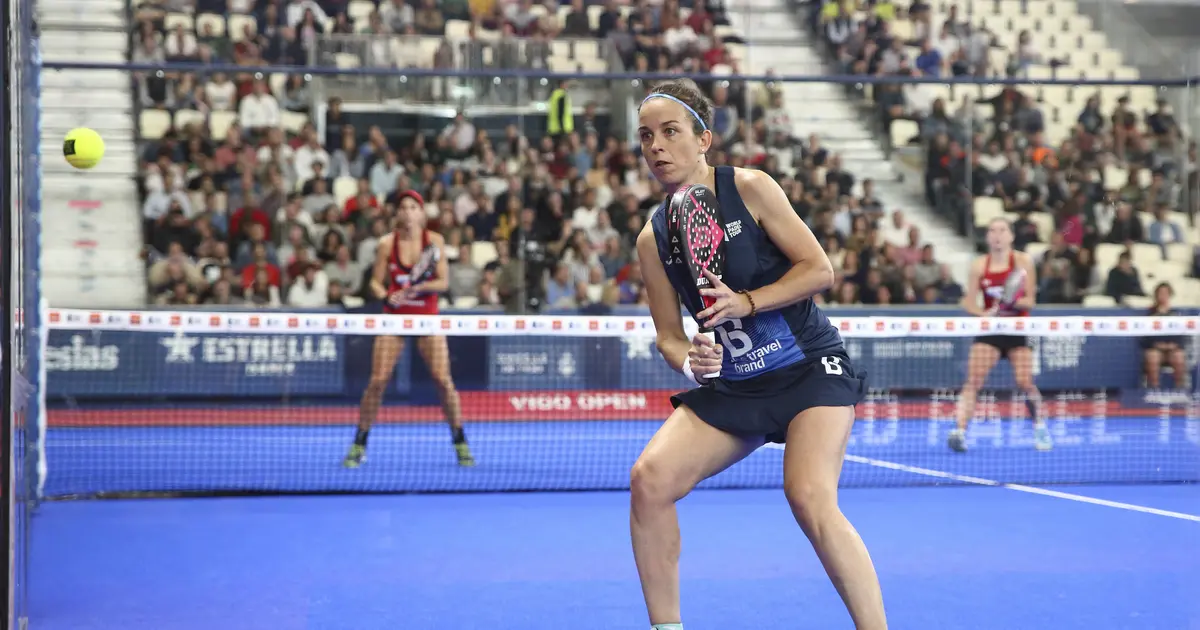
The Chiquita in Padel — Technique, Timing, and When to Use It
Learn how to hit the chiquita in padel. This guide covers technique, grip, body position, when to play the chiquita, common mistakes, and how the pros use.
La Contrapared in Padel: How to Hit Off Your Own Back Wall
Master la contrapared — the padel shot where you hit the ball against your own back wall to return it over the net. Technique, timing, and when to use it.
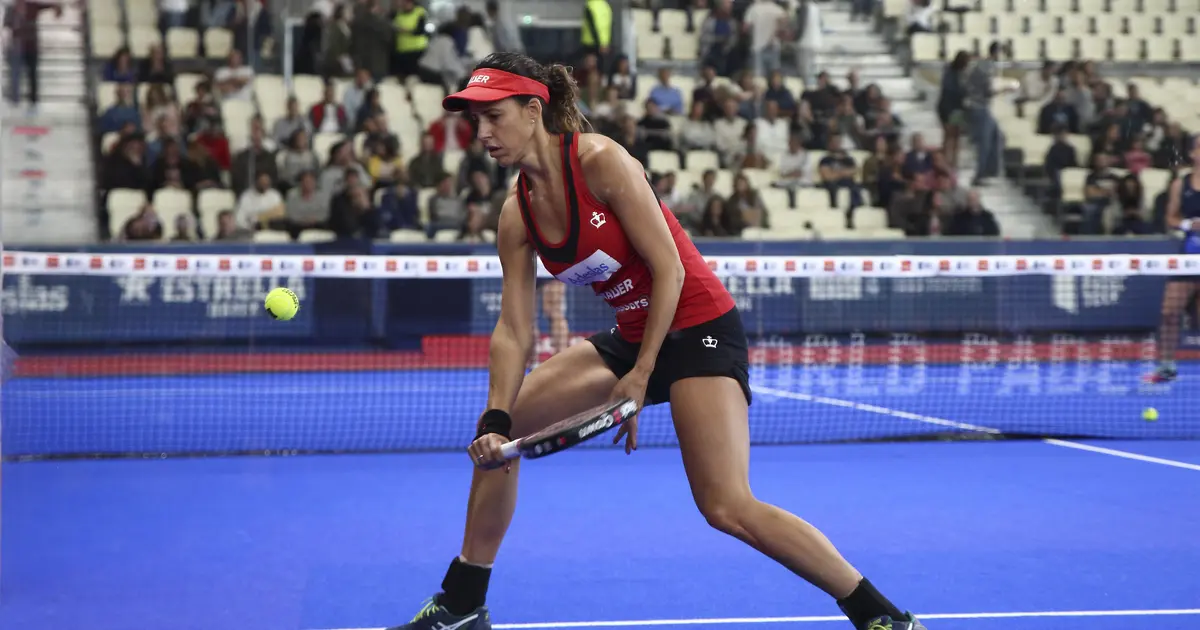
Dealing with Lobs in Padel: Read, React, and Recover
Master the art of dealing with lobs in padel. Learn how to read the lob early, choose between a bandeja and smash, track the ball off the glass, and position yourself defensively.