 PADEL RULES
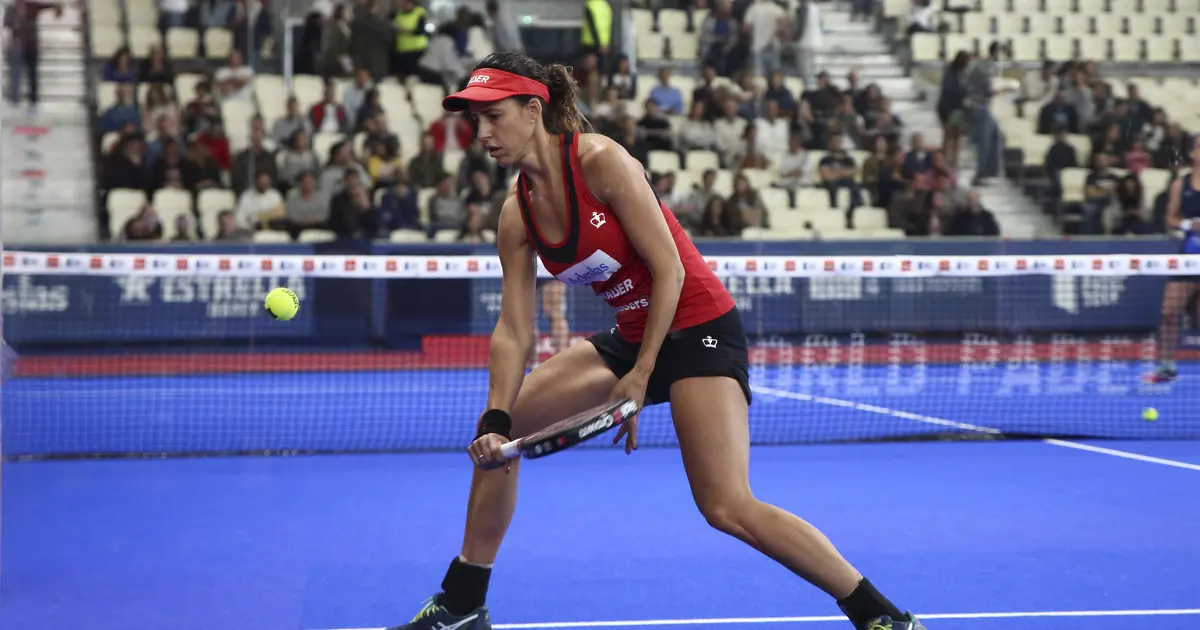
The Lob in Padel — How to Hit It and Read the Glass
7 min read
The lob is the most important tactical shot in padel from the baseline. It is the primary weapon of the defending team — the shot that challenges net control, buys time, and creates the opportunity to advance. Players who cannot lob are trapped at the baseline indefinitely. Players who lob well can compete with teams that are technically superior.
Why the Lob Is Padel’s Most Important Defensive Shot
In tennis, the lob is a situational weapon — used occasionally to push a net rusher back. In padel, it is a core tactical tool used in almost every rally.
The reasons come from the court structure:
- Net position is decisive — the team at the net wins most points. The lob is how you challenge that advantage
- The back glass extends play — a lob that reaches the back glass is not out; it stays in play and the opponents must deal with a potentially awkward rebound
- Overheads are unreliable in padel — unlike tennis, a hard smash often comes back off the glass. A good lob is harder to put away than most beginners expect
Without the lob, the baseline team has no path to winning a point. With it, every defensive situation is recoverable.
When to Lob
Lob when:
- You are at the baseline and opponents are at the net — this is the standard defensive situation
- You need time to recover your position — the lob travels slowly and gives you several seconds
- Opponents are low at the net after hitting a short ball — a lob over their heads wins the point or forces them to retreat
- You want to switch positions — a cross-court lob over one opponent, combined with both players moving to the opposite side, is a classic counter-attack pattern
- You want to target the weaker overhead player — send the lob consistently to their backhand
Avoid lobbing when:
- You are near the net — a lob from close range has no arc and is easy to smash
- Your lob is short — a short lob lands in the service box, giving opponents a clean smash opportunity
- You are under extreme time pressure — if you cannot control the ball, a defensive groundstroke is safer
Technique
Grip
Use an eastern or semi-western forehand grip for topspin lobs; a continental grip for slice lobs. Most padel lobs use a relatively open racket face and a swing that goes upward through the ball.
Preparation
- Take the ball early if possible — do not wait for it to drop to ankle height. Hitting a lob from a higher contact point gives more control
- Bend your knees and get low, especially for balls that are at feet height after coming off the glass
- Open the racket face slightly and swing upward
The Swing
- Start with the racket below the ball
- Swing upward through the ball — this creates the height and depth
- Brush up the back of the ball for a light topspin effect (helps the ball dip before the glass)
- Follow through upward — your racket should finish above your shoulder
Target
Aim for the ball to:
- Travel high over the net players — at least 1–2 metres above their reach
- Land near the back line or hit the back glass high (above 3 metres)
- Target the backhand side of the player who has a weaker overhead
High Lob vs Flat Lob
| Type | Description | When to use |
|---|---|---|
| High topspin lob | Looping arc, dips before back glass | Standard defensive lob — most reliable |
| Flat deep lob | Lower trajectory but aimed deep | When opponents are far forward and you want pace through them |
| Cross-court lob | Aimed diagonally over one opponent | To switch positions and open the opposite side |
The high, deep lob is always the safe default. If you are unsure, lob high.
Reading the Back Glass
What happens after your lob lands at the back is as important as the lob itself — both for opponents playing the ball and for you repositioning.
How the Glass Behaves
High ball, slow pace → steep rebound toward centre A slow lob that hits the glass high will rebound outward at a steep angle, often bouncing into the middle of the court. The ball loses pace off the glass.
Low ball, fast pace → shallow rebound along the wall A fast, flat ball that hits the glass low will rebound nearly parallel to the wall, hugging the side. This is the hardest ball to retrieve from the back.
Corner (side + back wall) → highly unpredictable When a ball hits both the side wall and the back wall in quick succession, the rebound is hard to predict. The standard technique is to play the ball off the first wall and not try to wait for the double bounce.
Using the Glass Yourself
When you are at the baseline and the ball bounces off the back glass toward you:
- Move laterally early — the ball often comes back faster than you expect
- Position yourself so the ball is in front of you, not behind
- Let the ball come to you if time allows — forcing a shot while moving back often produces a short ball
After the Lob — Advance
After you hit a good lob, do not stand still. The lob has given you time — use it:
- Advance toward the net as soon as the lob is on its way
- If the lob is very good (over the heads of opponents), you may reach the net before they can play the ball
- If opponents are running back to deal with the glass rebound, you have time to get into net position
The lob is not a passive shot. It is the tool you use to switch from defending to attacking.
Common Mistakes
Lobbing too short. The most common error. A short lob lands in the service box, giving opponents a clean smash. Always err on the side of lobbing deeper — a lob that hits the back glass is still in play.
Lobbing from too close to the net. If you are near mid-court, a lob lacks height and arc. Opponents can smash it comfortably. Only lob from baseline positions.
Not advancing after the lob. Players who lob and stand still stay at the baseline indefinitely. The lob creates time — use it to move forward.
Always lobbing to the same side. Good opponents will read this and position their stronger overhead player on that side. Mix your targets — cross-court, backhand, centre.
Useful Links
- How to Play Padel — beginner fundamentals
- Padel Doubles Tactics — lob tactics and positioning
- The Bandeja — the overhead response to your lob
- The Vibora — the attacking overhead
- The Smash — the power response to a short lob
- Wall Play — rules for the ball hitting walls and fencing
Stay in the loop
Get padel rule updates and tournament news — no spam.
More in Techniques
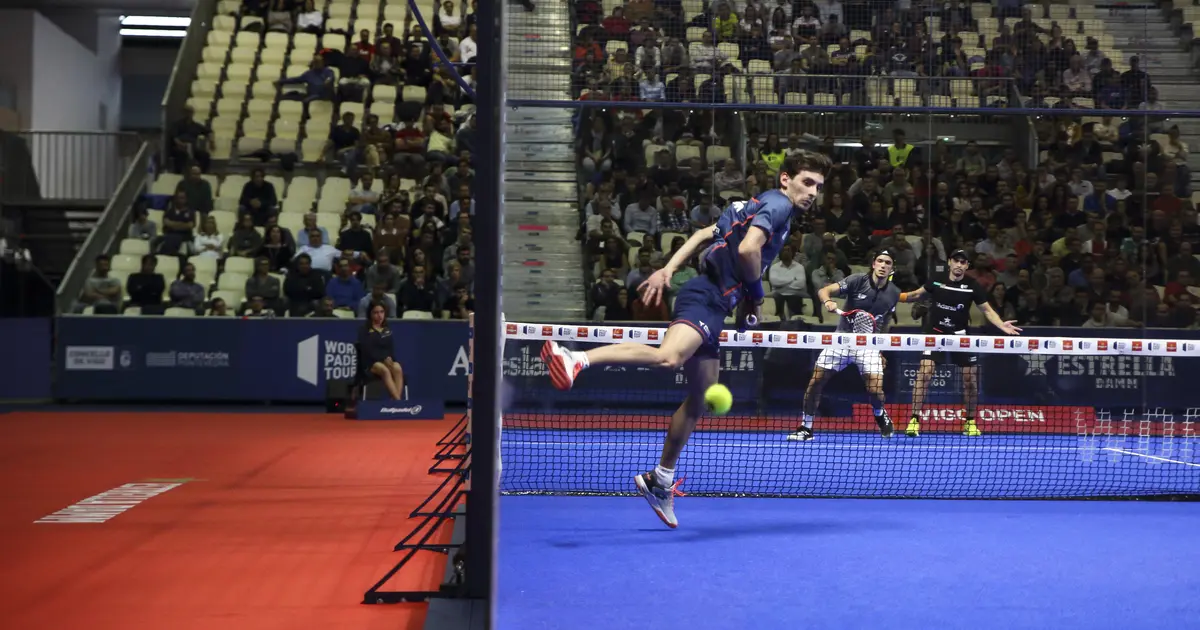
La Bajada in Padel — Taking the Ball Off the Back Wall
Learn how to hit la bajada in padel. This guide covers the technique for taking the ball off the back wall on the way down, when to use it, common.
The Bandeja in Padel — How to Hit It and When to Use It
Learn how to hit the bandeja in padel. This guide covers technique, body position, when to choose bandeja over smash, and how it keeps you at the net.
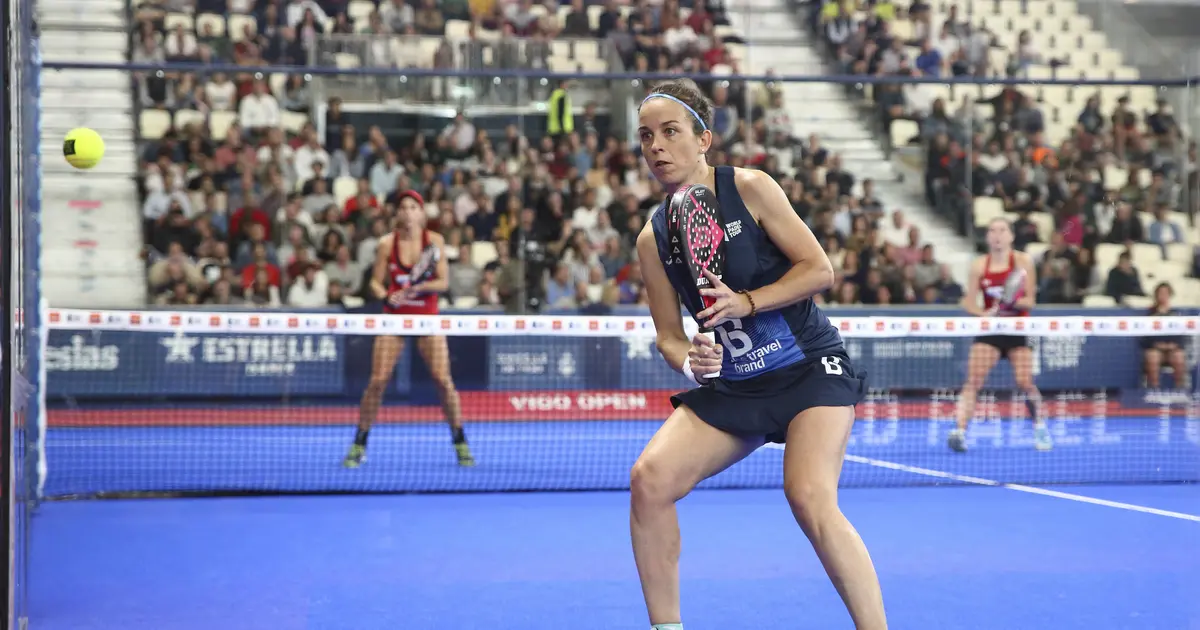
The Chiquita in Padel — Technique, Timing, and When to Use It
Learn how to hit the chiquita in padel. This guide covers technique, grip, body position, when to play the chiquita, common mistakes, and how the pros use.
La Contrapared in Padel: How to Hit Off Your Own Back Wall
Master la contrapared — the padel shot where you hit the ball against your own back wall to return it over the net. Technique, timing, and when to use it.