 PADEL RULES
La Bajada in Padel — Taking the Ball Off the Back Wall
7 min read
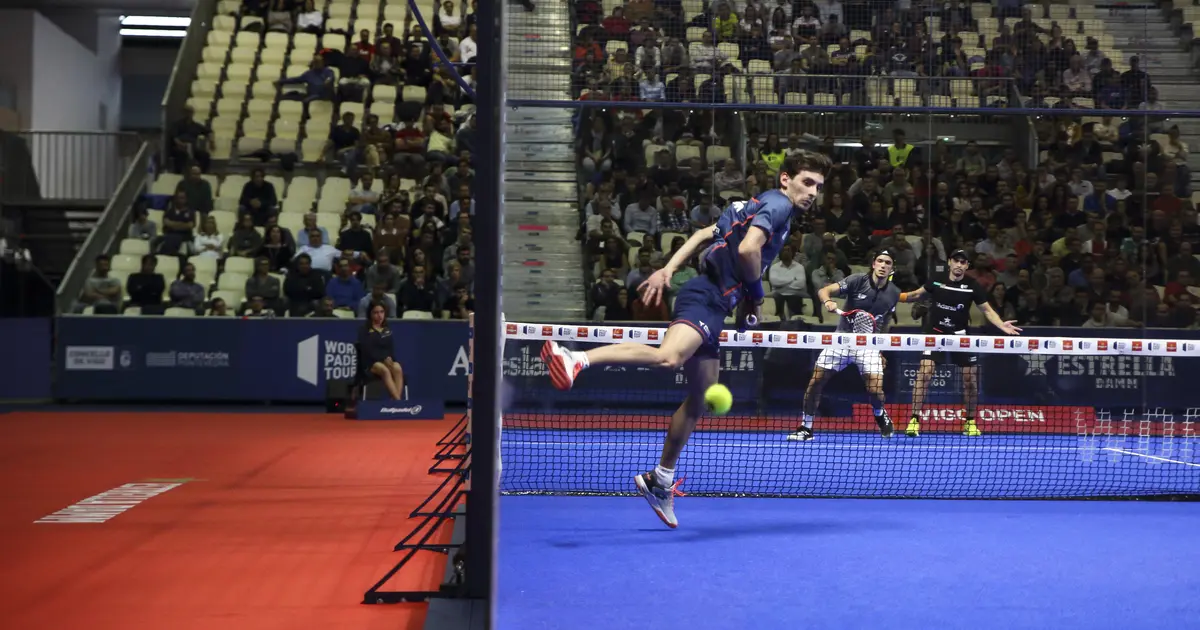
La bajada is one of the most exciting and effective attacking shots in padel. It transforms a defensive situation — dealing with a ball off the back glass — into an aggressive stroke that can put immediate pressure on the opponents or even win the point outright.
What Is La Bajada?
In Spanish, bajada means “descent” or “coming down.” In padel, it refers to the act of hitting the ball as it descends after bouncing off the back glass, rather than waiting for it to drop low and playing a passive shot.
When a ball hits the back wall and rebounds into the court, most recreational players wait for it to fall to a low height and then play a lob or a defensive chiquita. La bajada is the alternative: you step in early, meet the ball at a higher contact point (typically between waist and shoulder height), and drive it aggressively back toward the opponents.
The shot requires good timing, anticipation, and the ability to read how the ball will come off the glass. Different speeds, spins, and angles produce different rebounds, and misjudging the trajectory by even a few centimetres can result in a mishit or an unforced error.
When to Use La Bajada
La bajada is an attacking option. Use it when:
- The ball comes off the back glass at a height between your waist and shoulder
- You have time to set your feet and prepare properly — rushing the bajada leads to errors
- The opponents are expecting a defensive shot (lob or chiquita) and you can catch them off guard
- You want to maintain forward momentum and follow the shot to the net
- The rebound is clean and predictable — not spinning wildly or coming off at an awkward angle
Avoid la bajada when:
- The ball comes off the glass very low (below knee height) — there is not enough margin to hit aggressively
- You are off balance or late to the ball — a defensive lob is safer
- The rebound is unpredictable (heavy spin, unusual angle off the side wall and glass)
- The opponents are well positioned and expecting the shot
General principle: la bajada rewards patience and selection. Playing it on the right ball can shift the momentum of a rally; forcing it on the wrong ball gives away free points.
Technique
Reading the Glass
Before you can hit la bajada, you must learn to read the rebound. The key factors are:
- Speed of the incoming ball — faster balls rebound further from the glass, giving you more room to swing
- Height of the bounce off the glass — higher rebounds allow a higher contact point and more aggressive shots
- Spin — balls with heavy topspin kick up higher off the glass; sliced balls stay lower and closer to the wall
- Angle — balls that hit the glass straight on rebound directly back; angled balls deflect sideways and are harder to time
Spend time practising reading different rebounds before attempting aggressive bajadas. The read is the hardest part of the shot.
Footwork
Position yourself beside the ball, not directly behind it. You need space between your body and the ball to swing freely. As the ball comes off the glass, take a small adjustment step to get your hitting shoulder lined up. Your feet should be slightly wider than shoulder width, with your weight transferring forward through the shot.
Swing and Contact
The swing is similar to a forehand or backhand drive, but adjusted for the ball’s descending trajectory:
- Backswing — compact, not too long. You do not have time for a full tennis-style preparation.
- Contact point — in front of your body, at waist to shoulder height. The earlier you catch the ball (higher contact), the more aggressive the shot can be.
- Swing path — slightly downward through the ball for a flat, penetrating trajectory. Advanced players add topspin by brushing up, but the priority is keeping the ball low over the net.
- Follow-through — extend toward the target. A short or choppy follow-through reduces control.
Moving Forward
La bajada is most effective when you follow the shot to the net. After hitting, take two or three steps forward with your partner. The purpose of the bajada is not just to hit an aggressive ball but to use it as a springboard to take the net position.
Common Mistakes
Getting too close to the glass. If you stand too close to the back wall, you have no room to swing. Give yourself at least an arm’s length of distance from the glass when preparing.
Hitting too early. Trying to take the ball before it has fully come off the glass often results in mishits. Wait for the ball to separate cleanly from the wall before committing to the swing.
Overcommitting on bad rebounds. Not every ball off the glass is suitable for a bajada. If the rebound is low, tight to the wall, or spinning unpredictably, play a defensive shot instead. Forcing the bajada on a bad ball is one of the most common causes of unforced errors at club level.
Forgetting to move forward. Hitting a great bajada but staying at the back of the court wastes the advantage. The bajada creates pressure only if you follow it up by taking the net with your partner.
How the Pros Play It
Professional players like Ale Galán, Juan Lebrón, and Paquito Navarro use la bajada to devastating effect. They read the glass faster than recreational players, which gives them extra milliseconds to prepare — and in padel, milliseconds make the difference between a winner and an error.
Galán is particularly known for his forehand bajada, which he hits with heavy topspin and follows to the net in one fluid motion. Lebrón uses a flatter, more penetrating bajada that skids through the court and arrives at the net player’s feet before they can react.
The professional approach to la bajada is all about selection. Top players do not attempt it on every ball off the glass. They wait for the right rebound, the right moment, and then execute with conviction. That selective aggression is what separates a weapon from a liability.
How to Practise
The simplest drill: have a partner or coach feed balls against the back glass from the other side of the net. Start with medium-paced feeds that produce clean, high rebounds. Focus on:
- Reading the rebound trajectory
- Setting your feet before swinging
- Making contact at waist height or above
- Following the shot forward
As your timing improves, increase the speed and variety of the feeds. Add spin, change angles, and mix in balls that are not suitable for bajada — forcing yourself to decide between attacking and defending on each ball.
La bajada is a shot that rewards practice and court time. The more balls off the glass you see, the better your reads become — and better reads mean better bajadas.
Related Techniques & Training
Stay in the loop
Get padel rule updates and tournament news — no spam.
More in Techniques
The Bandeja in Padel — How to Hit It and When to Use It
Learn how to hit the bandeja in padel. This guide covers technique, body position, when to choose bandeja over smash, and how it keeps you at the net.
The Chiquita in Padel — Technique, Timing, and When to Use It
Learn how to hit the chiquita in padel. This guide covers technique, grip, body position, when to play the chiquita, common mistakes, and how the pros use.
La Contrapared in Padel: How to Hit Off Your Own Back Wall
Master la contrapared — the padel shot where you hit the ball against your own back wall to return it over the net. Technique, timing, and when to use it.
Dealing with Lobs in Padel: Read, React, and Recover
Master the art of dealing with lobs in padel. Learn how to read the lob early, choose between a bandeja and smash, track the ball off the glass, and position yourself defensively.