 PADEL RULES
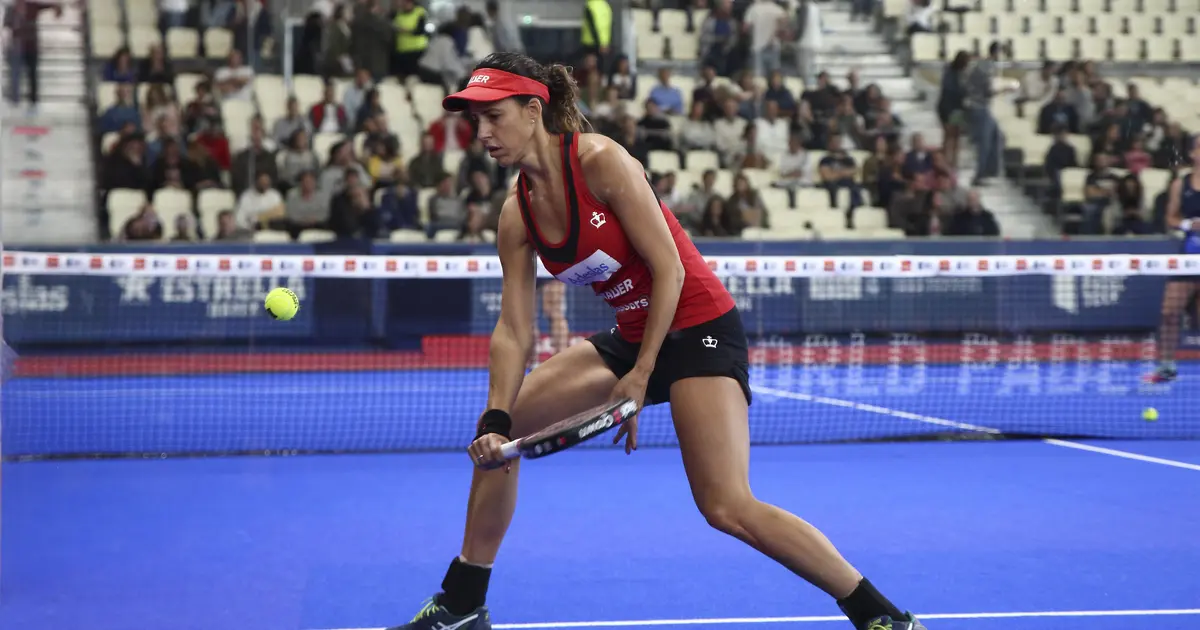
Dealing with Lobs in Padel: Read, React, and Recover
5 min read
Why Lobs Are So Effective in Padel
The lob is one of the most powerful weapons in padel. Unlike tennis, the walls keep the ball in play, which means a well-placed lob forces the net team to retreat, reset the point, and deal with an awkward ball off the glass. If you cannot handle lobs confidently, you will lose the net position that wins matches.
This guide breaks down the full sequence: reading the lob, making the right shot choice, handling the back glass, and recovering defensively.
Reading the Lob Early
The earlier you detect a lob, the more time you have to react. Watch for these cues from your opponent:
- Open racket face — when the opponent’s racket tilts back significantly, a lob is likely coming.
- Body position — a player who drops low under the ball and leans back is setting up a lob rather than a drive.
- Court geometry — when your opponents are under pressure deep in their court, the lob is often their safest escape.
- Eye direction — many club players look up before lobbing. At higher levels this is less reliable, but it still helps.
Train yourself to read these signals during warm-up and practice matches. The moment you detect the lob, begin your shoulder turn.
Bandeja vs Smash vs Let It Bounce
This is the critical decision point. Choosing the wrong shot leads to errors or giving your opponent a free attack.
When to Smash
- The lob is short (lands around or inside the service line).
- You have time to set your feet under the ball.
- The ball is at a comfortable height — above your head but not extremely high.
- You want to finish the point or apply heavy pressure.
When to Bandeja
- The lob pushes you past the service line.
- The ball is very high and dropping steeply.
- You want control and spin rather than power.
- Your goal is to maintain net position rather than win the point outright.
When to Let It Bounce
- The lob is very deep with heavy topspin that will kick off the glass.
- You are already behind the service line and still moving backward.
- You are off-balance and a volley attempt would be risky.
- The ball trajectory tells you it will come off the glass at a comfortable height.
A common rule: if in doubt, let it bounce. A controlled shot off the glass is better than a mis-hit overhead.
Tracking the Ball Off the Back Glass
Playing the ball off the glass is a padel-specific skill. Here is how to get comfortable with it:
- Turn sideways as soon as you decide to let the ball bounce. Face the back wall with your shoulder.
- Position yourself about one meter from the wall. Too close and you have no swing room. Too far and you reach awkwardly.
- Let the ball come to you. After it hits the glass, it loses speed. Wait for it to drop into your hitting zone rather than lunging at it.
- Keep your swing compact. There is limited space near the wall, so use a shorter backswing and focus on placement over power.
- Aim for a high, deep return. A defensive lob back over the opponents is the safest option. A low drive is riskier but can catch them off guard.
Practice tip: have a partner feed lobs to the back glass repeatedly. Start with predictable feeds and gradually add variety in height, speed, and spin.
Defensive Positioning When Retreating
When the lob goes over your head and you must retreat, positioning is everything.
How to Move Back
- Turn sideways immediately. Do not backpedal — it is slow and dangerous.
- Use crossover steps for longer distances and shuffle steps for short adjustments.
- Keep your racket up at chest height, ready for either an overhead or a volley off the glass.
- Communicate with your partner. Call “mine” or “yours” early. If you are the one retreating, your partner should slide to cover the center.
Where to Position
- If you are playing the ball off the glass, settle about one meter from the wall.
- If your partner is taking the ball, shift toward the center to cover the open court.
- After playing the defensive shot, both players should try to move forward together to reclaim the net.
Common Mistakes
Avoid these frequent errors that club players make when dealing with lobs:
- Backpedaling instead of turning sideways — costs you speed and balance.
- Trying to smash everything — forces errors on deep lobs; the bandeja exists for a reason.
- Standing too close to the glass — leaves no room for the swing.
- Not communicating — both players go for the ball or neither does.
- Forgetting to recover forward — you play the defensive shot but stay at the back wall, surrendering the net.
Summary Table
| Situation | Best Shot | Key Focus |
|---|---|---|
| Short lob, good position | Smash | Placement over power |
| Deep lob, still near net | Bandeja | Slice and control |
| Very deep lob, moving back | Let it bounce / glass play | Patience, wall distance |
| Off-balance or late | Defensive lob | Height and depth |
| Lob with heavy topspin | Let it bounce | Read the kick off the glass |
Useful Links
- Bandeja Technique Guide
- Overhead Smash Fundamentals
- Back Glass Drills
- Defensive Positioning in Padel
- Lob Strategy for Attackers
Related Techniques & Training
Stay in the loop
Get padel rule updates and tournament news — no spam.
More in Techniques
Playing Padel in Wind: How to Adjust Spin, Shots & Tactics
Master windy padel conditions with practical tips on spin control, lob adjustments, serving strategies, and court positioning when the wind picks up.
La Bajada in Padel — Taking the Ball Off the Back Wall
Learn how to hit la bajada in padel. This guide covers the technique for taking the ball off the back wall on the way down, when to use it, common.
The Bandeja in Padel — How to Hit It and When to Use It
Learn how to hit the bandeja in padel. This guide covers technique, body position, when to choose bandeja over smash, and how it keeps you at the net.
The Chiquita in Padel — Technique, Timing, and When to Use It
Learn how to hit the chiquita in padel. This guide covers technique, grip, body position, when to play the chiquita, common mistakes, and how the pros use.