 PADEL RULES
Playing Padel in Wind: How to Adjust Spin, Shots & Tactics
5 min read
Why Wind Is Different in Padel
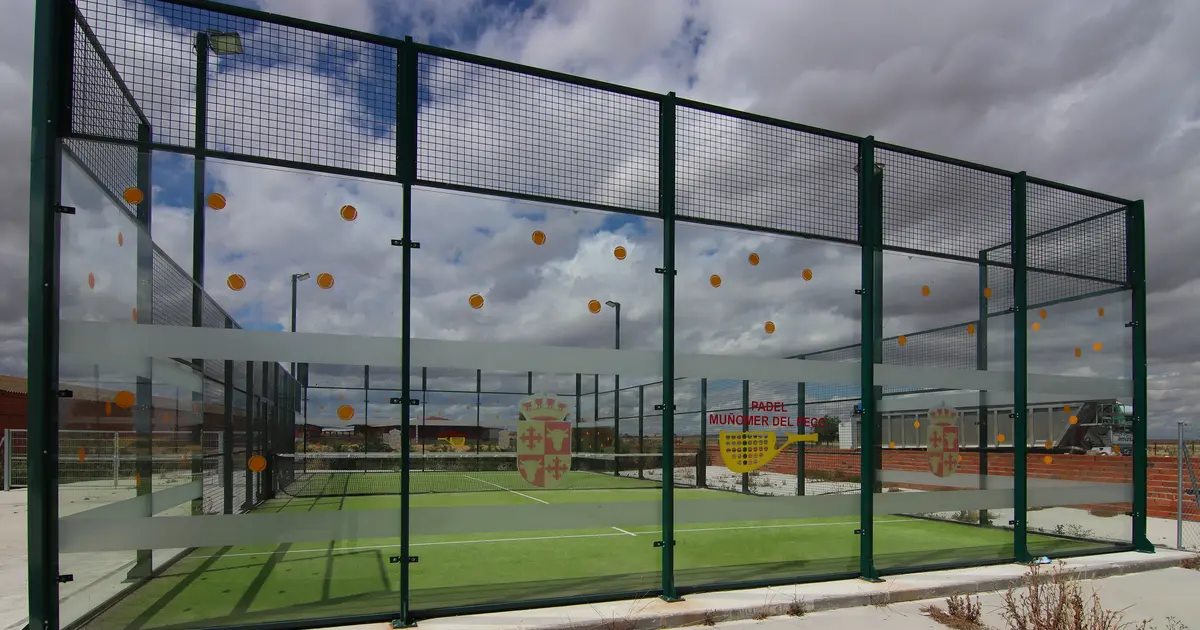
Unlike tennis, padel is played on an enclosed court surrounded by glass walls and metallic mesh. You might assume this protects you from the wind — and at ground level, it partially does. However, wind enters the court from above the walls, creating unpredictable air currents that swirl inside the enclosure. The result is that any ball travelling high through the air — lobs, smashes, vibroras, and high volleys — gets pushed off its expected trajectory.
Understanding this unique aerodynamic environment is the first step toward adapting your game when conditions get breezy.
Adjusting Your Lob Game
The lob is one of padel’s most important weapons, but it becomes a double-edged sword in wind. Here is how to adapt:
Lobbing into the wind: The wind will slow your lob and make it drop shorter than intended. Compensate by hitting with more force and adding topspin so the ball dips into the court rather than hanging in the air. Aim deeper than usual.
Lobbing with the wind behind you: Your lob will carry further and faster. Use less power and add backspin or a flatter trajectory to keep the ball from sailing over the back wall. A lob that bounces high and catches the wind can become uncontrollable for your opponents — or it can fly out entirely. The margin for error shrinks.
Crosswind lobs: Aim slightly into the wind so the ball curves back toward your target. This takes practice and constant recalibration as gusts change intensity.
When in doubt, keep your lobs lower than normal. A lower lob spends less time in the turbulent air above the walls.
Spin and Shot Selection Adjustments
Wind amplifies or diminishes the effect of spin depending on its direction:
- Topspin into a headwind becomes more effective — the ball dips faster and kicks up higher after bouncing.
- Slice into a headwind tends to float and hang, making it easier for opponents to attack.
- Topspin with a tailwind can sail long if you are not careful — reduce your swing speed slightly.
- Flat shots are generally safer in heavy wind because they spend less time in the air.
Favour low, driven shots over floaty ones. The bandeja and vibora become even more valuable because they combine controlled pace with a downward trajectory that limits wind interference. Avoid the high, defensive balloon shot unless absolutely necessary.
Serving in Wind
Your serve sets the tone for the point, and wind can sabotage it quickly. Follow these guidelines:
- Lower your toss. A high toss gives the wind more time to push the ball. Keep it compact and consistent.
- Use slice serves. A sliced serve stays low, hits the glass at an awkward angle, and is less affected by wind than a flat or kick serve.
- Vary your placement. Wind can push your serve in unexpected directions — use this to your advantage by aiming where the wind will carry the ball further into difficult positions.
- Watch the mesh. Before serving, glance at the mesh fencing at the top of the court. Its movement tells you wind direction and intensity in real time.
Choosing Which Side to Play From
In padel, you switch sides every odd game. Strategically, this matters in wind:
- Wind at your back: You gain natural depth on serves and groundstrokes. Your smashes travel further. But your opponents’ lobs come at you faster and can be harder to read.
- Wind in your face: Lobs from your opponents will fall shorter, making them easier to attack. But your own offensive shots lose pace and depth.
If you win the toss, consider choosing the side with the wind at your back for the first game to build early momentum and pressure your opponents while they adjust.
Common Mistakes in Windy Conditions
Avoid these frequent errors players make when the wind picks up:
- Sticking to your normal game plan. Conditions demand adaptation. Players who refuse to modify their lob height, spin choice, or aggression level will lose more points than the wind itself takes away.
- Over-hitting. When a shot goes wrong because of wind, the instinct is to hit harder. Instead, focus on margin and placement.
- Ignoring the wind between points. Check the wind direction before each serve and before each return. Conditions change constantly.
- Standing too far from the net. In wind, net play is more stable because volleys travel shorter distances through the air. Close the net and take time away from both the wind and your opponents.
- Neglecting communication. Talk to your partner constantly about what the wind is doing. Call out changes so both of you adjust together.
Summary Table
| Situation | Adjustment |
|---|---|
| Lobbing into headwind | More power, add topspin, aim deeper |
| Lobbing with tailwind | Less power, lower trajectory, use backspin |
| Crosswind lob | Aim into the wind to let it curve back |
| Serving in wind | Lower toss, prefer slice, vary placement |
| Choosing side | Prefer wind at your back for early games |
| Shot selection | Favour low, flat, driven shots over floaty ones |
| Net position | Stay closer to the net for more control |
| Communication | Discuss wind changes with your partner constantly |
Useful Links
- Mastering the Bandeja — the go-to overhead in windy conditions
- Padel Lob Technique Guide — fundamentals to build on for wind adjustments
- Court Positioning in Padel — why net position matters even more in wind
- Padel Serve Tactics — deepen your serving toolkit
- Outdoor Padel Courts Guide — what to expect when playing outside
Stay in the loop
Get padel rule updates and tournament news — no spam.
More in Techniques
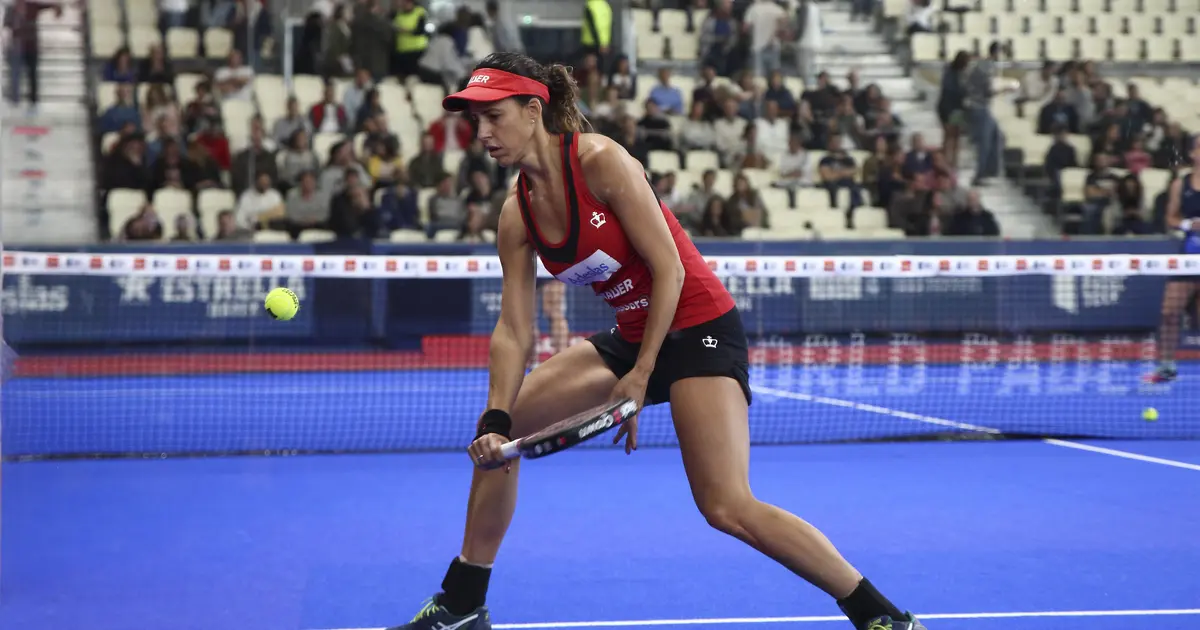
Dealing with Lobs in Padel: Read, React, and Recover
Master the art of dealing with lobs in padel. Learn how to read the lob early, choose between a bandeja and smash, track the ball off the glass, and position yourself defensively.
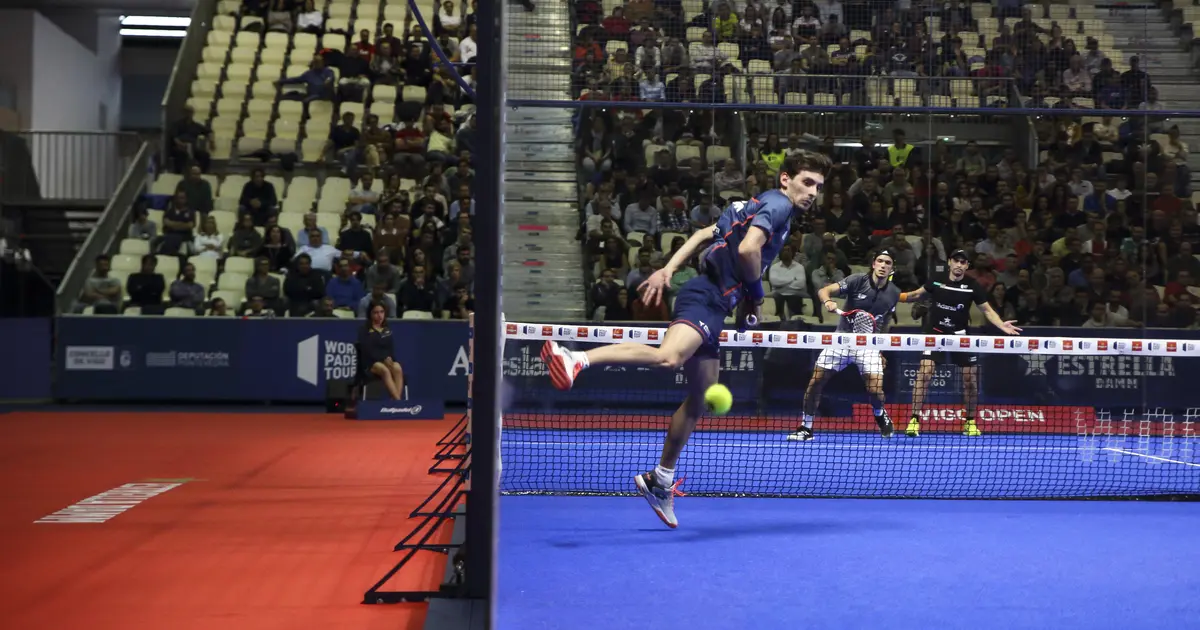
La Bajada in Padel — Taking the Ball Off the Back Wall
Learn how to hit la bajada in padel. This guide covers the technique for taking the ball off the back wall on the way down, when to use it, common.
The Bandeja in Padel — How to Hit It and When to Use It
Learn how to hit the bandeja in padel. This guide covers technique, body position, when to choose bandeja over smash, and how it keeps you at the net.
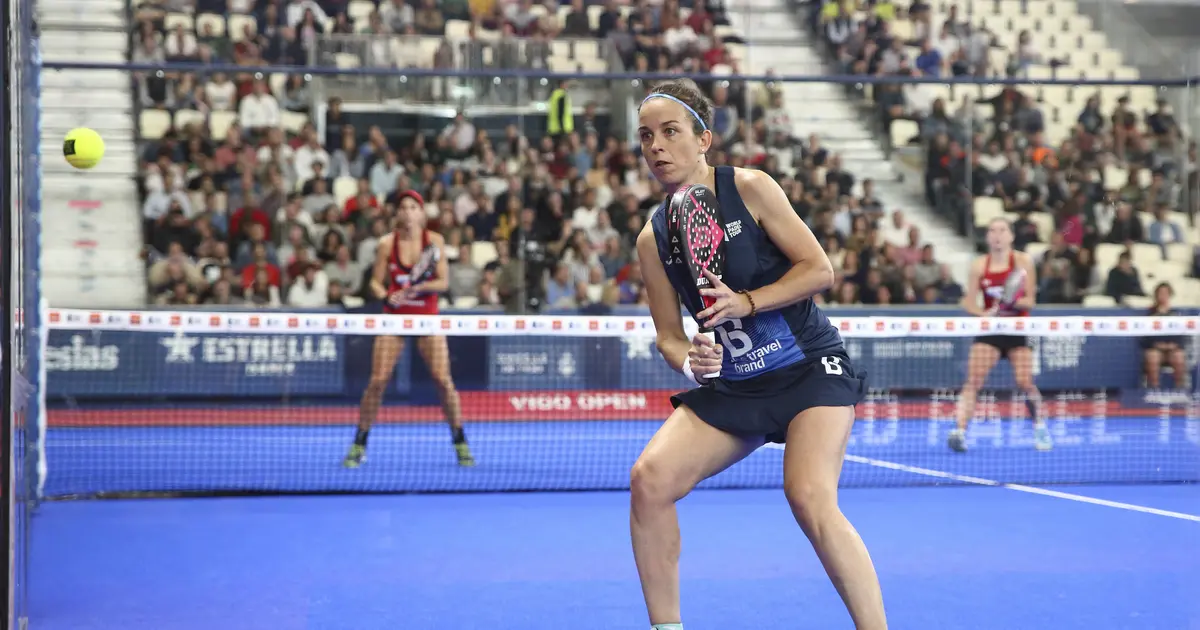
The Chiquita in Padel — Technique, Timing, and When to Use It
Learn how to hit the chiquita in padel. This guide covers technique, grip, body position, when to play the chiquita, common mistakes, and how the pros use.