 PADEL RULES
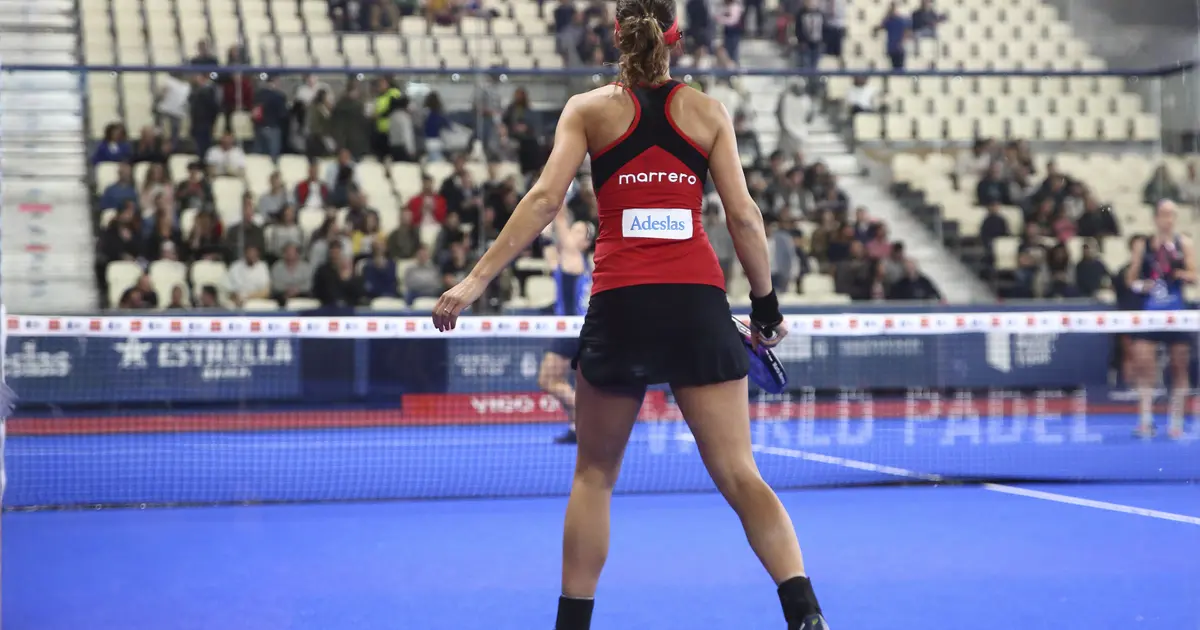
The Rulo in Padel — Topspin Cross-Court Shot Guide
7 min read
The rulo is one of the most spectacular and effective passing shots in modern padel. When executed correctly, the heavy topspin sends the ball curving cross-court, bouncing high off the side glass and kicking away from the opponent — making it extremely difficult to return. It is a shot that separates advanced players from intermediate ones.
What Is the Rulo?
The word rulo translates roughly to “roller” or “curl” in Spanish, describing the heavy rolling topspin that defines the shot. The rulo is a cross-court groundstroke played from the back of the court with exaggerated topspin. The ball travels over the net with a curved trajectory, bounces on the opponent’s side, and then hits the side glass with spin that causes it to kick upward and away from the player trying to retrieve it.
The rulo sits in the category of passing shots — alternatives to the lob and chiquita for players at the back of the court trying to put pressure on the net pair. While the chiquita targets the feet and the lob goes over the heads, the rulo attacks the cross-court angle with pace and spin that is inherently difficult to volley cleanly.
When to Use the Rulo
The rulo is a high-reward, moderate-risk shot. Use it when:
- You are at the back of the court and the cross-court angle is open
- The net player on the cross-court side is leaning toward the centre or positioned slightly too high
- You have time to set up and generate the topspin — the rulo cannot be rushed
- You want to vary your shot selection and keep the net pair guessing
- The ball you receive is at a comfortable height (between knee and waist) on your forehand or backhand side
Avoid the rulo when:
- The net player is covering the cross-court angle tightly
- You are under pressure and do not have time for the low-to-high swing
- The ball is too low — you risk hitting the net or popping the ball up
- The cross-court corridor is narrow and the margin for error is slim
General principle: the rulo is a weapon, not a default shot. Use it selectively when the geometry is right and the opponent is not expecting it. Overuse makes it predictable and easy to cover.
Technique
Grip
The rulo requires a grip that facilitates topspin. Most players use a semi-western grip on the forehand side, which naturally angles the racket face to brush up the ball. On the backhand side, a continental or eastern backhand grip works, though the backhand rulo is significantly harder to execute with heavy spin.
The forehand rulo is far more common than the backhand version. Most players develop it on their dominant side first.
Body Position
Turn your body sideways to the net, with your non-hitting shoulder pointing roughly toward the cross-court target. Drop your weight low — bent knees are essential for generating the upward swing path that creates topspin. Your back foot should be planted firmly, with the weight transferring forward and upward through the shot.
Swing Path
The defining characteristic of the rulo is the steep low-to-high swing path:
- Start the racket below the ball, with the head dropped below wrist level
- Swing upward aggressively, brushing the back and top of the ball
- The racket face should be slightly closed (tilted forward) at contact to prevent the ball from flying long
- The follow-through finishes high — over your shoulder on the forehand side
The steeper the swing path, the more topspin you generate. Professional players achieve extraordinary spin rates by combining the low-to-high path with a fast wrist snap at the point of contact.
Contact Point
Hit the ball slightly in front of your body, at around knee to waist height. Contact must be clean — any mishit dramatically reduces the spin and sends the ball off target. The timing window for a good rulo is narrower than for a flat passing shot, which is why the shot demands practice.
Direction and Placement
Aim the rulo cross-court toward the side glass on the opponent’s side. The ideal landing zone is about two-thirds back in the court, close enough to the side wall that the ball hits the glass after the bounce. The topspin causes the ball to bounce higher than expected and the spin makes the rebound off the glass unpredictable — kicking upward, outward, or both.
Common Mistakes
Trying to hit too hard. The rulo’s effectiveness comes from spin, not raw speed. Players who try to blast the ball sacrifice the topspin that makes the shot work. Focus on brushing up aggressively with the racket rather than swinging through the ball with brute force.
Flat swing path. If the swing is too horizontal, the ball travels cross-court with minimal spin — just a regular passing shot that the net player can handle comfortably. The rulo only works with a pronounced low-to-high trajectory.
Poor target selection. Aiming the rulo straight at the net player gives them an easy volley. The ball must pass them on the cross-court side, ideally curving away from their reach. If the angle is not there, choose a different shot.
Attempting the backhand rulo too often. The backhand rulo is exceptionally difficult to hit with sufficient topspin. Most players are better off using the backhand for chiquitas, lobs, or flat passing shots and reserving the rulo for the forehand side.
Standing too tall. Without bent knees and a low starting position for the racket, you cannot generate the upward swing path needed for topspin. Get low before you swing.
How the Pros Use It
The rulo has become a signature weapon for several professional players. Federico Chingotto is perhaps the best-known exponent — his forehand rulo produces extreme topspin that curves sharply and kicks off the glass at angles that even top-level opponents struggle to handle. Chingotto uses the rulo not just as a passing shot but as a rally weapon, playing it repeatedly to build pressure until the net pair makes an error.
Arturo Coello and Agustín Tapia also deploy the rulo frequently, often combining it with chiquitas and lobs in rapid sequences that keep the net pair constantly adjusting their position. The professional use of the rulo highlights an important tactical point: it is most effective as part of a varied shot selection, not as an isolated trick.
At the highest level, the rulo is played with such extreme spin that the ball can bounce nearly vertically off the side glass, making it almost impossible to return. This level of spin requires years of practice and exceptional racket-head speed, but even a moderate-spin version of the rulo is a valuable addition to any player’s game.
How to Practise
Start with a basic cross-court drill: one player at the back of the court, a target (cone or mark) placed near the side glass on the opposite side. Feed yourself balls at waist height and focus on:
- Dropping the racket head below the ball before contact
- Swinging steeply from low to high
- Keeping the racket face slightly closed
- Landing the ball in the target zone near the side glass
Begin at slow speeds and gradually increase racket-head speed as the motion becomes natural. Video your swing from behind to check the swing path — it should be visibly steep, not flat.
Once the basic spin is consistent, add a net player and practise the rulo as a passing shot in point-play situations. The goal is to develop the ability to choose between rulo, chiquita, and lob in real time based on the opponent’s position — the ultimate test of tactical maturity.
Master Padel Techniques
- Playing Guide — Fundamental rules
- Court Positioning — Strategic positioning
- Rules Reference — Complete rules
Stay in the loop
Get padel rule updates and tournament news — no spam.
More in Techniques
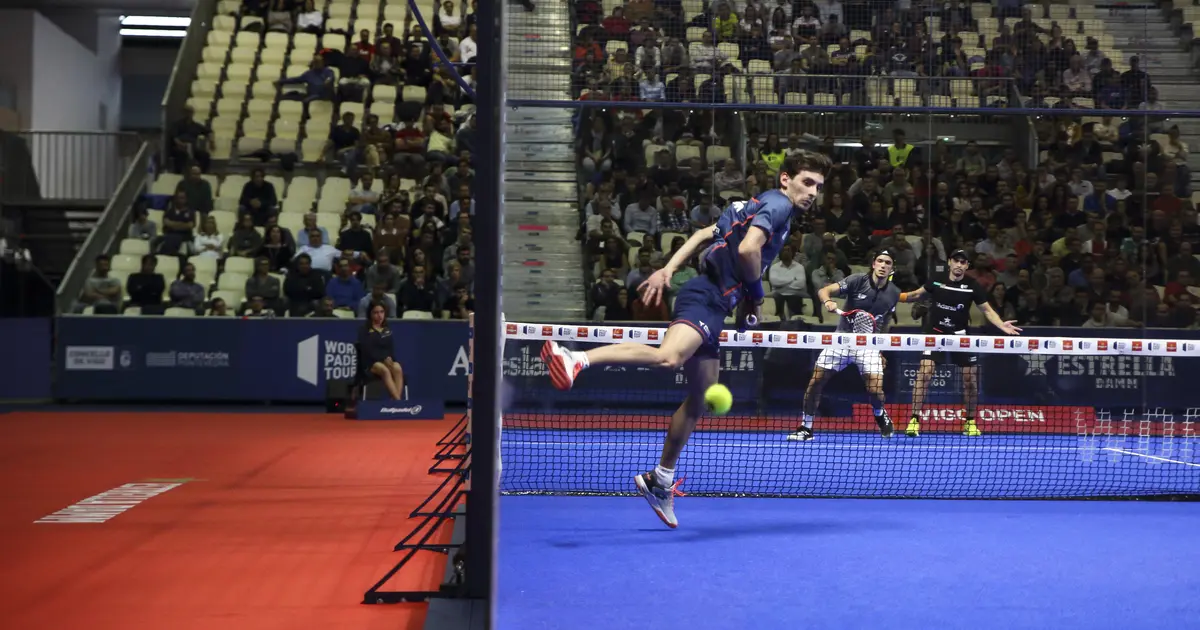
La Bajada in Padel — Taking the Ball Off the Back Wall
Learn how to hit la bajada in padel. This guide covers the technique for taking the ball off the back wall on the way down, when to use it, common.
The Bandeja in Padel — How to Hit It and When to Use It
Learn how to hit the bandeja in padel. This guide covers technique, body position, when to choose bandeja over smash, and how it keeps you at the net.
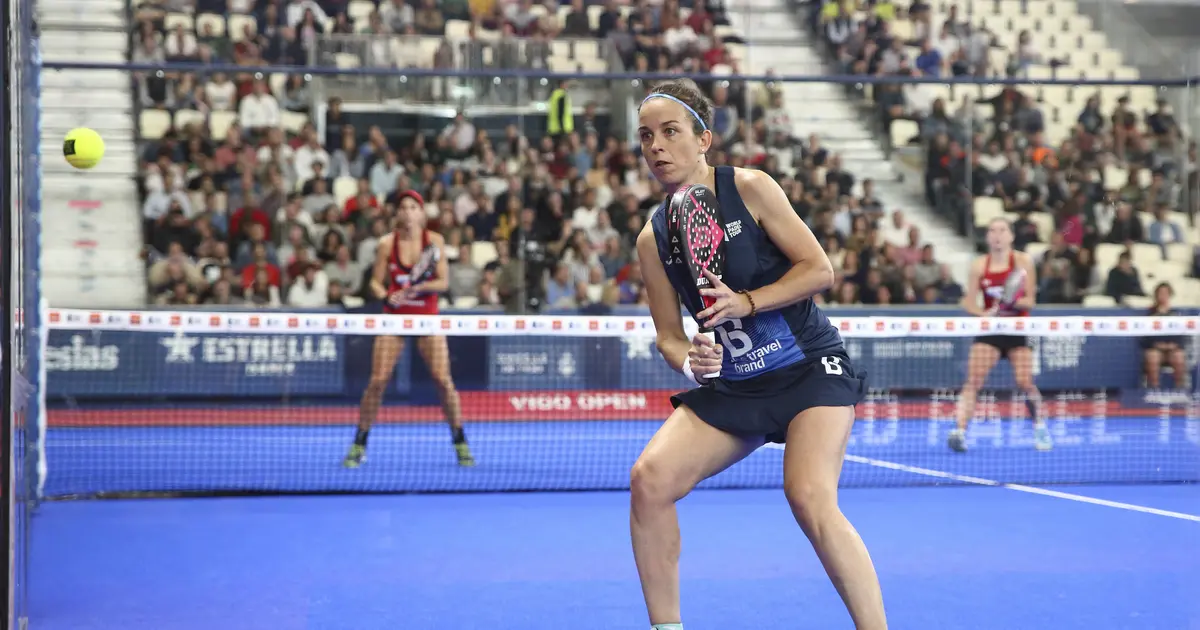
The Chiquita in Padel — Technique, Timing, and When to Use It
Learn how to hit the chiquita in padel. This guide covers technique, grip, body position, when to play the chiquita, common mistakes, and how the pros use.
La Contrapared in Padel: How to Hit Off Your Own Back Wall
Master la contrapared — the padel shot where you hit the ball against your own back wall to return it over the net. Technique, timing, and when to use it.