 PADEL RULES
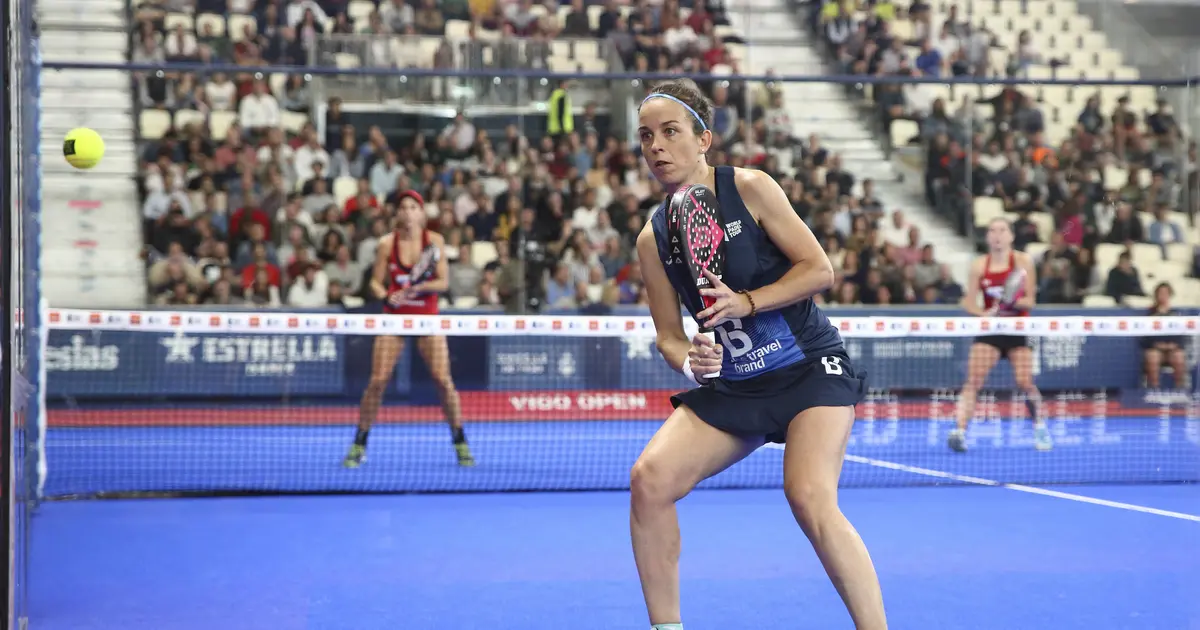
The Chiquita in Padel — Technique, Timing, and When to Use It
6 min read
The chiquita is one of the most important tactical shots in modern padel. It is the primary weapon for players stuck at the back of the court who want to regain the net position — and when played well, it can turn a defensive situation into an attacking opportunity within a single rally.
What Is the Chiquita?
The chiquita is a low, controlled groundstroke played from behind the service line. The ball travels just over the net with topspin or a flat trajectory and lands at or near the feet of the opposing net player. The name chiquita — meaning “small” in Spanish — reflects the compact, restrained nature of the swing.
Unlike a lob, which goes high over the opponents, the chiquita stays low and fast. Its purpose is not to win the point outright but to force the net player into a difficult low volley, ideally one they have to hit upward. That upward volley gives the attacking pair time and space to move forward and take the net.
The chiquita has become a signature shot of the modern game. Twenty years ago, players at the back of the court relied almost entirely on lobs and defensive glass play. Today, the chiquita is the preferred way to transition from defence to attack, and top professionals use it dozens of times per match.
When to Use the Chiquita
The chiquita is a transition shot. Use it when:
- You are behind the service line and the opponents control the net
- A lob would be predictable or the opponents are positioned to intercept it
- You want to force a low volley and create an opening to advance
- The ball you receive is at a comfortable height (between knee and waist) — too low and you risk hitting the net; too high and a lob or passing shot may be better
Avoid the chiquita when:
- The opponents are standing well back from the net — the ball will reach them at a comfortable height
- You are under extreme pressure and do not have time to set up the shot properly
- The ball is very low and you cannot guarantee clearing the net
General principle: the chiquita works best as a surprise or as part of a pattern. Alternate between chiquitas, lobs, and passing shots to keep opponents guessing. A predictable chiquita is easy to read and punish.
Technique
Grip
Use a continental grip for a flat chiquita or a semi-western grip for added topspin. The semi-western is more common among advanced players because the topspin helps the ball dip sharply after crossing the net, making it harder for the opponent to volley cleanly.
Preparation
Turn your body sideways to the net as the ball approaches. Keep your knees bent and your weight low — the chiquita is played from a crouched, stable position. The racket should be below the level of the ball at the point of contact.
Swing Path
The swing is short and compact — there is no big backswing. Bring the racket from low to high, brushing up the back of the ball to generate topspin. The follow-through should be controlled, ending around shoulder height. The wrist stays firm throughout; this is not a flick shot.
Contact Point
Hit the ball in front of your body, at around knee to waist height. Contact too far behind you will send the ball high and give the net player an easy volley. Contact too early (too far forward) risks hitting the net.
Target
Aim for the feet of the net player on their backhand side, or down the centre line between the two opponents. The centre target is particularly effective because it creates confusion over who should take the ball.
Common Mistakes
Hitting too hard. The chiquita is about placement, not power. Hitting hard gives the net player less time but also raises the ball’s trajectory, making it easier to volley. Keep the speed moderate and focus on keeping the ball low.
Standing too tall. The chiquita requires a low body position. Players who stand upright tend to hit the ball into the net or pop it up to a comfortable volley height. Bend your knees and get down to the ball.
Using the chiquita every time. If opponents know the chiquita is coming, they will step forward and intercept it. Mix in lobs, passing shots down the line, and even aggressive drives to keep the net pair off balance.
Aiming at the glass. The chiquita should land in the court and stay low. If the ball hits the back glass on the full, the opponent gets an easy play off the rebound. Keep the trajectory flat and short.
How the Pros Use It
Watch any World Padel Tour match and you will see the chiquita used constantly. Players like Agustín Tapia and Arturo Coello have elevated the shot to an art form, using it with extreme topspin to pin opponents at the net and create space to advance.
The professional pattern is often: receive a deep volley, play a chiquita to the feet, and immediately move forward with your partner. If the opponent’s return is weak — a high volley or a short ball — the pair is already at the net and ready to finish the point.
Tapia, in particular, is known for disguising his chiquita until the last moment, making it nearly impossible for the net player to anticipate the direction. This level of deception comes from keeping the racket preparation identical for chiquita, lob, and passing shot — something recreational players should practise deliberately.
How to Practise the Chiquita
The best drill is simple: one player at the net, one at the back. The back player feeds balls to themselves off the glass and plays chiquitas to the net player’s feet. Focus on:
- Keeping the ball below net height on the opponent’s side
- Varying the direction (backhand side, centre, forehand side)
- Moving forward immediately after the shot
Once the basic technique is consistent, add a second net player and practise alternating between chiquita and lob to develop tactical variety.
The chiquita is not a difficult shot to learn, but it is a difficult shot to master. The difference between a good chiquita and a great one is a matter of centimetres — and those centimetres decide whether you take the net or give away an easy point.
Related Techniques & Training
Stay in the loop
Get padel rule updates and tournament news — no spam.
More in Techniques
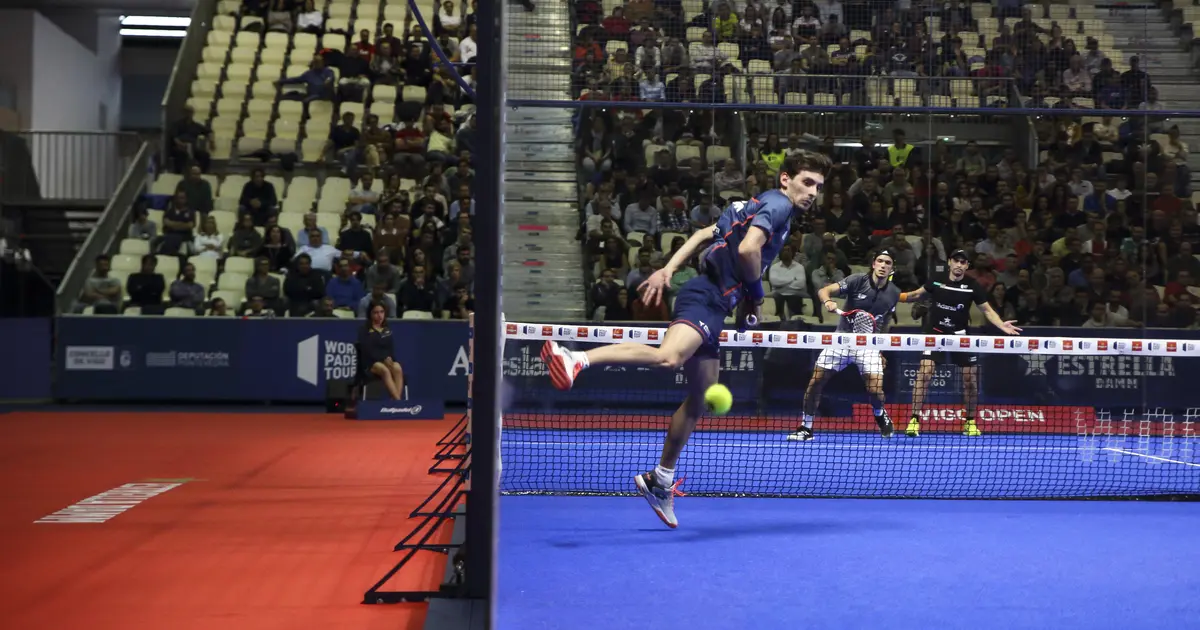
La Bajada in Padel — Taking the Ball Off the Back Wall
Learn how to hit la bajada in padel. This guide covers the technique for taking the ball off the back wall on the way down, when to use it, common.
The Bandeja in Padel — How to Hit It and When to Use It
Learn how to hit the bandeja in padel. This guide covers technique, body position, when to choose bandeja over smash, and how it keeps you at the net.
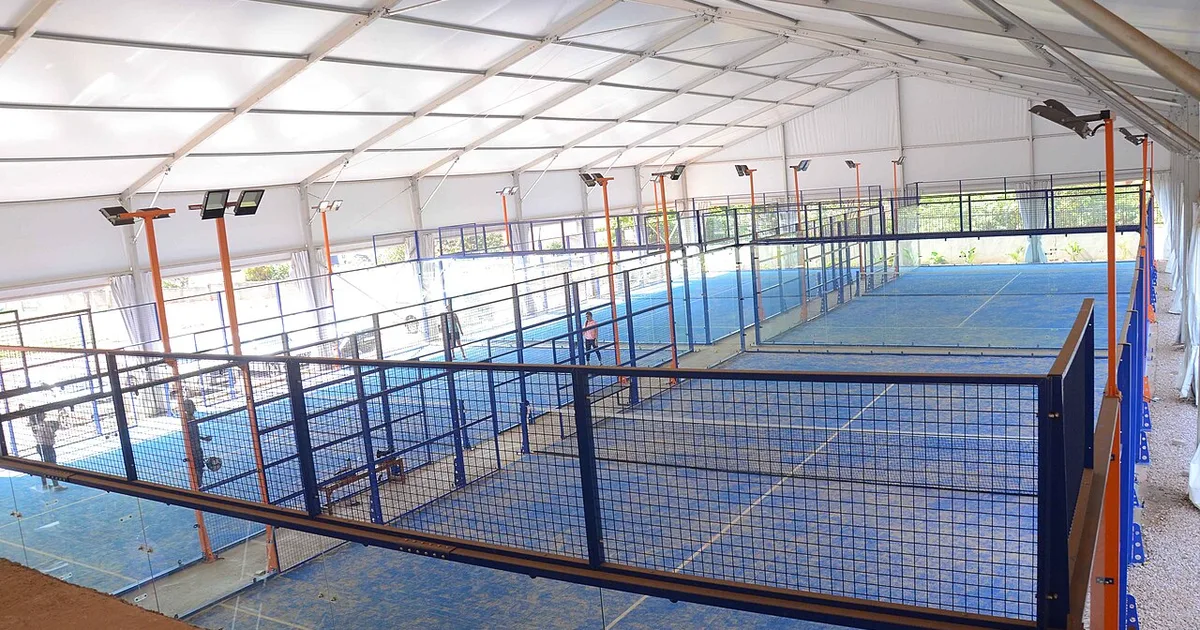
La Contrapared in Padel: How to Hit Off Your Own Back Wall
Master la contrapared — the padel shot where you hit the ball against your own back wall to return it over the net. Technique, timing, and when to use it.
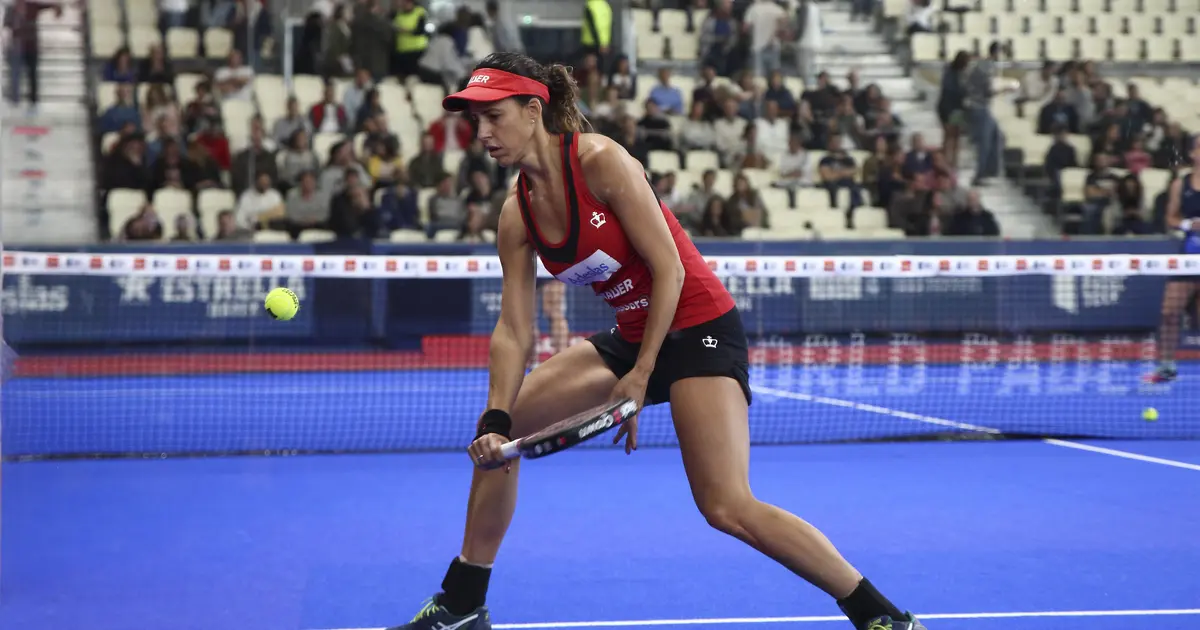
Dealing with Lobs in Padel: Read, React, and Recover
Master the art of dealing with lobs in padel. Learn how to read the lob early, choose between a bandeja and smash, track the ball off the glass, and position yourself defensively.