 PADEL RULES
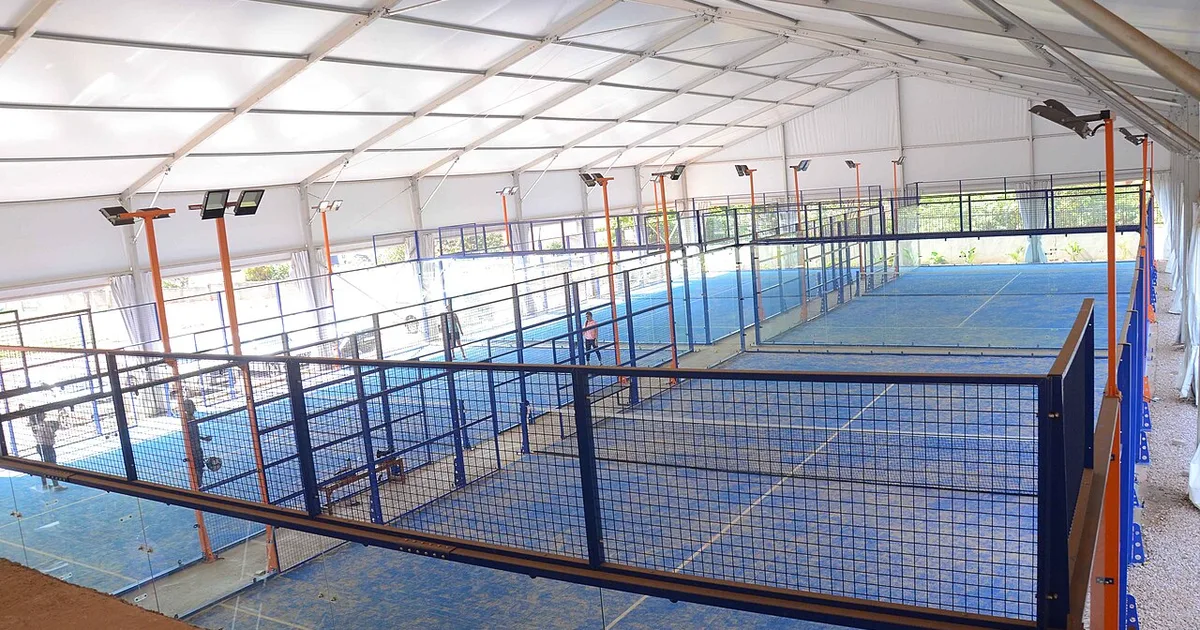
La Contrapared in Padel: How to Hit Off Your Own Back Wall
8 min read
La contrapared is one of the shots that makes padel unlike any other racket sport. Instead of hitting the ball over the net directly, you strike it into your own back glass wall so that it rebounds forward, crosses the net, and lands in the opponents’ court. For newcomers from tennis or squash, it looks bizarre. For experienced padel players, it is an essential survival tool.
If you are still getting familiar with what makes padel different, the contrapared is a perfect example: the walls are not obstacles — they are part of the game.
What Is La Contrapared?
Contrapared translates roughly from Spanish as “against the wall.” In padel, it describes the act of hitting the ball deliberately into your own back glass so that it bounces back toward the net, crosses over, and lands in the opponents’ court.
This is not a trick shot. It is a legitimate technique used at every level, from recreational matches to the professional World Padel Tour. The rules allow you to use any wall on your own side before the ball crosses the net, and the contrapared takes full advantage of this. It appears most often when you are trapped deep in the court with no room for a conventional swing.
The Physics: How the Ball Rebounds Off the Glass
Understanding how the ball behaves when it hits the glass is key. The back wall is tempered glass, which produces a predictable and lively rebound. For more on court construction, see glass wall height and materials.
Three factors determine the rebound:
- Angle of incidence — A ball hit straight into the glass at 90 degrees rebounds directly back. A shallower angle deflects it sideways. For the contrapared, you want a relatively direct angle so the ball returns toward the net.
- Speed — The harder you hit the glass, the further the ball rebounds. A firm strike sends it deep; a softer touch produces a shorter, higher return more like a lob.
- Height of contact — Hitting low on the glass keeps the return low and fast. Striking higher with an upward trajectory creates more arc, giving you time to recover position.
The glass absorbs some energy, so the ball always comes back slower than it went in. You need to commit fully and hit with enough pace to clear the net.
When to Use La Contrapared
The contrapared is primarily a defensive shot. You reach for it when better options have been taken away:
- Deep balls that pin you against the back glass — There is no space to swing normally, so the contrapared redirects the ball forward without a full backswing.
- Balls that die in the corner — When the ball hits the back glass and side wall, you end up jammed with almost no room. The contrapared, sometimes played off both walls, is your only option.
- When you have been lobbed and are retreating — A deep lob can leave you too close to the glass for a normal bajada. The contrapared gives you a way out.
The contrapared is almost always about staying in the point, not winning it. Your goal is to return the ball and buy time to recover. For how this fits your overall game plan, see defensive tactics in padel.
Step-by-Step Technique
1. Read the Ball Early
As with all wall play in padel, anticipation is everything. The moment you see a deep ball heading toward the back of the court, assess whether you will have room for a normal swing or need to prepare for a contrapared. The sooner you decide, the better your positioning.
2. Get Your Body Sideways to the Glass
Turn so that your shoulder faces the glass, not your back. Standing sideways gives you a clear view of the ball, space to adjust your racket angle, and the ability to push off and recover forward after the shot.
3. Position Your Feet Close to the Wall
Stand roughly 30 to 50 centimetres from the glass — close enough to guide the ball in at the right angle, but not so close that you are jammed against it. Keep your knees slightly bent and your weight on the balls of your feet.
4. Open the Racket Face
Tilt the racket face slightly upward so the ball gains enough height to clear the net after the rebound. A flat racket face sends the ball straight back at you without enough lift. Open more for a lobbed return; less for a flatter, faster one.
5. Strike Firmly Into the Glass
Commit to the shot. A tentative strike will not generate enough pace for the ball to clear the net. Use a short, compact swing — there is no room for a full windup — and make contact at roughly waist height. Keep the wrist firm.
6. Recover Forward Immediately
Push off the back foot and move forward toward the centre of the court. The contrapared buys you time, but only if you use that time to improve your position.
Variations
Defensive Contrapared (Lob-Like)
The most common version. Open the racket face significantly and use a softer touch, producing a high, arcing return that drops deep into the opponents’ court. This is essentially a lob played via the glass. It gives you maximum recovery time and forces the opponents to deal with a high ball that may push them back from the net.
Aggressive Contrapared
Less common but effective. Keep the racket face flatter and hit firmly, producing a faster, lower return that gives opponents less time to react. This carries more risk — a slightly wrong angle means the ball hits the net or flies long — but it catches opponents off guard when they expect the high return.
Side Wall and Back Wall Combination
Sometimes the ball ends up in the corner and you need both walls. Hit the ball into the side wall so it deflects onto the back glass (or the reverse), and the combined rebounds send it forward over the net. This requires precise angle control but is essential when you are trapped in the corner. It connects directly to the skills covered in out-of-court play and advanced wall play.
Common Mistakes
Hitting Too Hard
Players panic and smash the ball into the glass as hard as they can. The rebound flies long. The contrapared requires controlled power, not maximum power — the glass does some of the work for you.
Wrong Angle
A sharp sideways angle sends the rebound toward the side wall instead of the net. Aim relatively straight into the glass, adjusting only slightly to direct the ball.
Facing the Glass
Turning your back to the court removes your ability to see the ball and eliminates last-moment adjustments. Always stay sideways with your head turned to track the ball.
Flat Racket Face
Failing to open the racket face is why beginners hit the contrapared into the net. The ball needs upward trajectory to clear the net after losing energy on the rebound. Open the face, especially when learning.
Not Recovering After the Shot
Even a well-executed contrapared gives the opponents a relatively easy ball. If you stay glued to the back glass, you are exposed to their next shot. The recovery forward is just as important as the shot itself.
How to Practice
There are several effective drills that build this skill progressively.
Solo glass drill. Stand half a metre from the back glass. Drop the ball, let it bounce, and strike it into the glass with an open racket face. Focus on getting the ball to rebound past the service line. Vary power and angle to feel how the rebound changes.
Feed and contrapared drill. Have a partner feed deep balls that push you against the back glass. Your only goal is to play the contrapared and get the ball over the net. Start with slow feeds and gradually increase pace and depth.
Corner drill. Your partner feeds balls into the corners so they hit both the back glass and side wall. Practice reading the double rebound and playing the contrapared from the most uncomfortable positions.
Match play focus. During practice matches, consciously look for contrapared opportunities instead of avoiding them. Force yourself to use the shot until it becomes natural.
If you are just starting out, do not worry about mastering this shot immediately. Focus first on the fundamentals covered in padel for beginners and develop your basic wall play. The contrapared will come naturally once you are comfortable reading the glass.
Final Thoughts
La contrapared captures what makes padel special: the walls are not boundaries — they are tools. A ball that would be unreachable in tennis becomes an opportunity in padel.
Start with the defensive, lob-like version. Get comfortable with the glass, the angles, and the recovery. As your confidence grows, experiment with flatter, more aggressive returns. The contrapared rarely wins the rally outright, but the rallies it saves are countless.
Related Techniques & Training
Stay in the loop
Get padel rule updates and tournament news — no spam.
More in Techniques
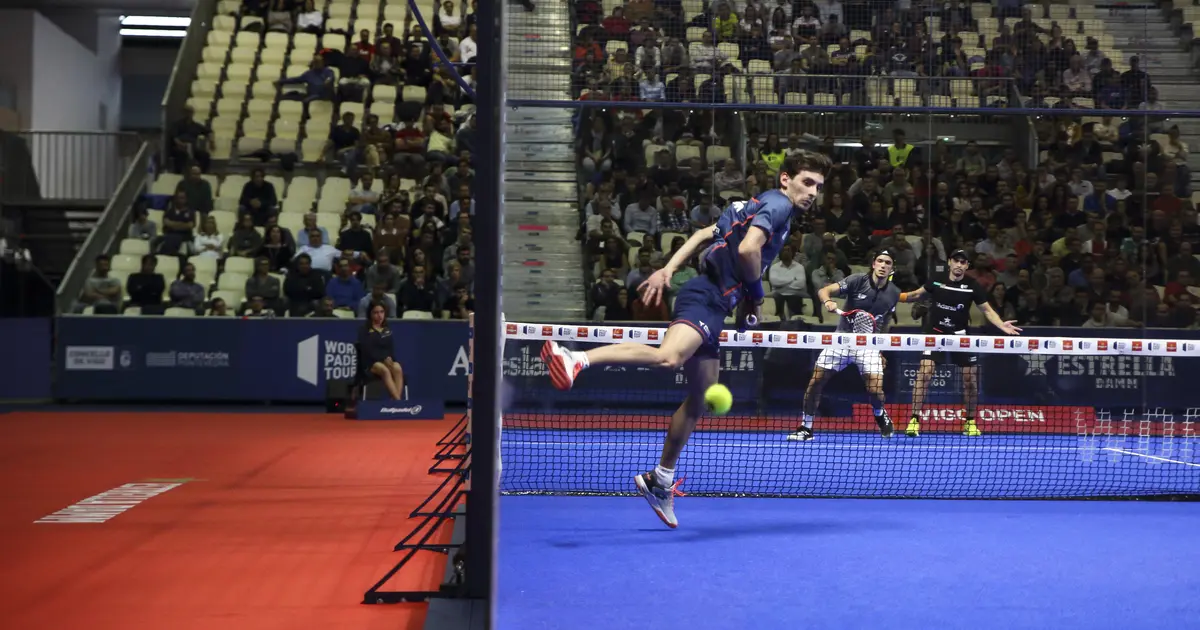
La Bajada in Padel — Taking the Ball Off the Back Wall
Learn how to hit la bajada in padel. This guide covers the technique for taking the ball off the back wall on the way down, when to use it, common.
The Bandeja in Padel — How to Hit It and When to Use It
Learn how to hit the bandeja in padel. This guide covers technique, body position, when to choose bandeja over smash, and how it keeps you at the net.
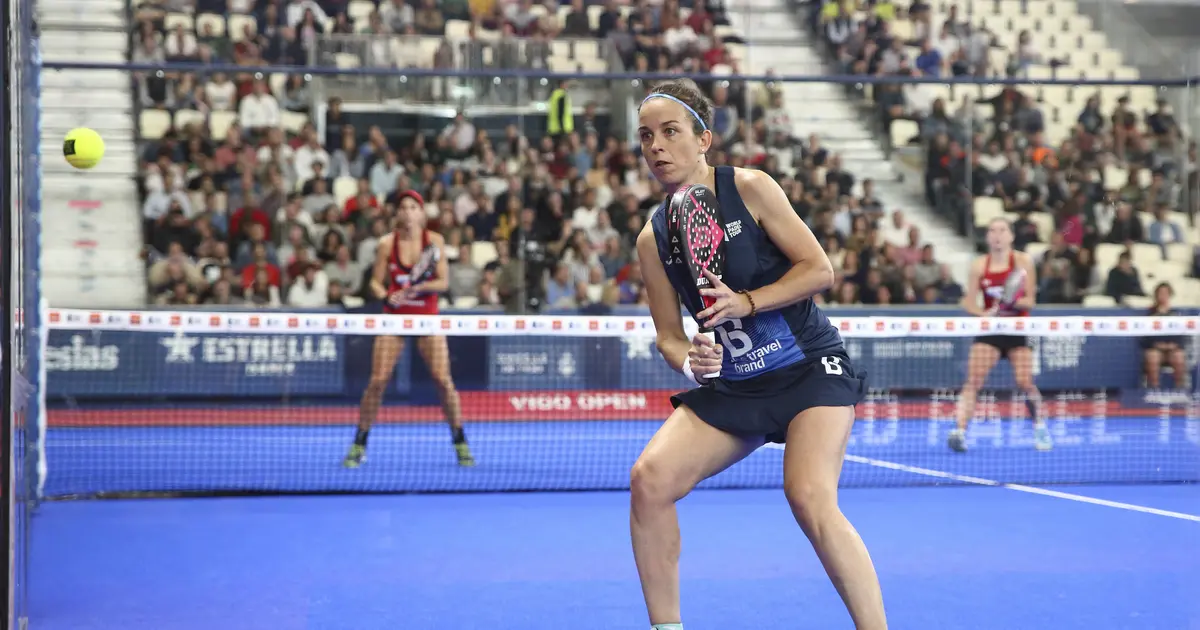
The Chiquita in Padel — Technique, Timing, and When to Use It
Learn how to hit the chiquita in padel. This guide covers technique, grip, body position, when to play the chiquita, common mistakes, and how the pros use.
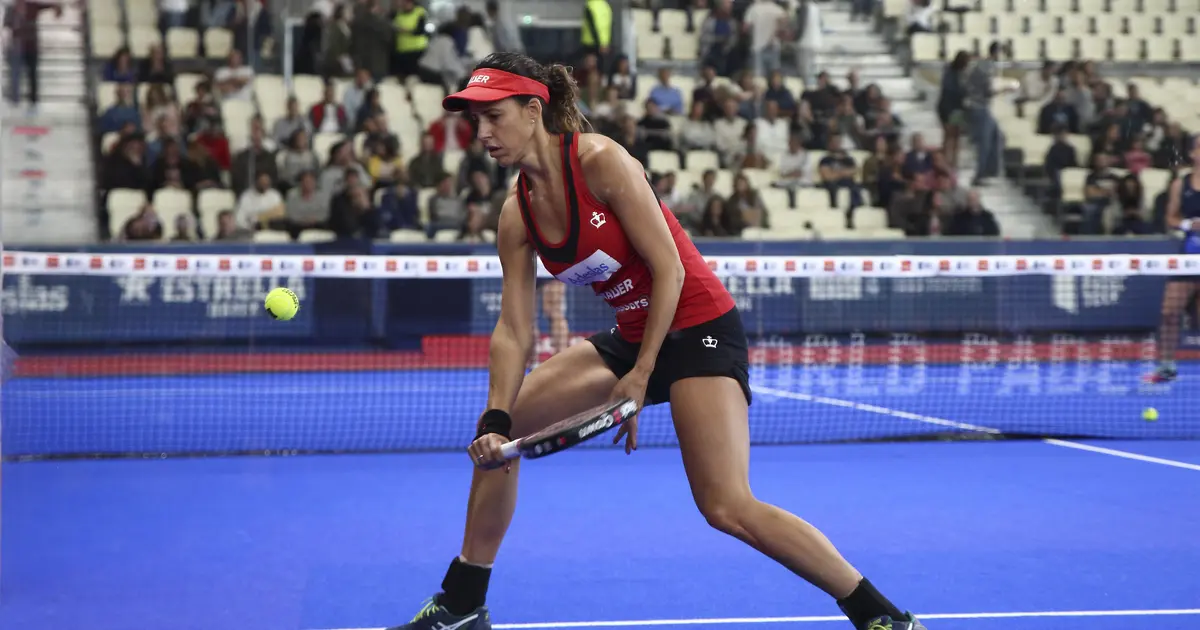
Dealing with Lobs in Padel: Read, React, and Recover
Master the art of dealing with lobs in padel. Learn how to read the lob early, choose between a bandeja and smash, track the ball off the glass, and position yourself defensively.