 PADEL RULES
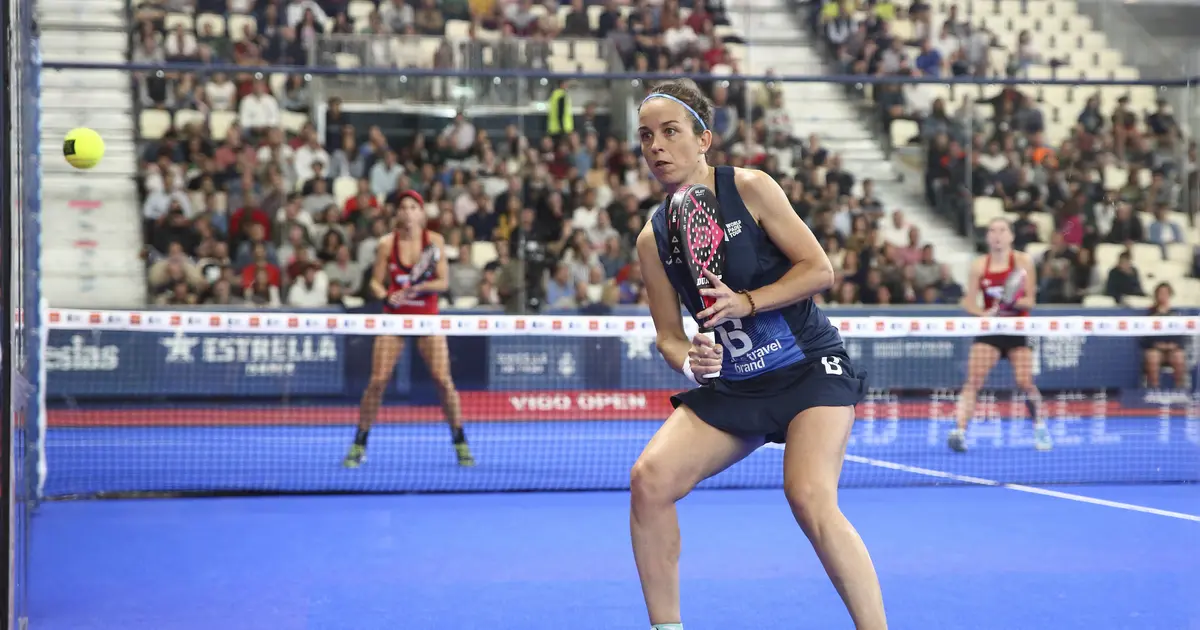
Net Positioning in Padel: When to Advance, Where to Stand, and How to Hold the Net
7 min read
The team at the net wins approximately 70–80% of points in competitive padel. Reaching the net is half the battle — knowing where to stand, when to advance, and how to hold your position is what separates net players who dominate from those who get lobbed into retreat every point.
This guide covers everything you need to know about net positioning: the optimal distance, movement triggers, holding position under pressure, and coordinating with your partner.
The Ideal Net Position
Distance from the Net
Stand 3–4 metres from the net, roughly on the service line. This distance gives you:
- Time to react to drives and volleys hit at pace
- Reach for overheads — you can step forward for a bandeja or back for a lob without being caught
- Coverage of the middle — neither too wide nor too central
A common beginner mistake is standing 1–2 metres from the net, thinking proximity equals pressure. In reality, standing too close makes every lob a winner, every hard drive unreachable, and every ball at your feet an awkward half-volley.
Lateral Position
Position yourself centred between your sideline and the centre line of the court. This covers your half of the court while leaving minimal gap in the middle between you and your partner.
When the ball is on your side, shift slightly toward where the ball will come from. When the ball is on your partner’s side, shift slightly toward the centre to cover potential shots through the middle.
When to Advance to the Net
Not every ball is an invitation to move forward. Advance at the wrong moment and you arrive off-balance or find an opponent waiting with an easy attacking ball.
Good Moments to Advance
- After a deep lob that pushes both opponents behind the service line — they are under pressure and you have time to move
- After a strong return of serve that lands deep or at the server’s feet — the serving team is on the defensive
- When opponents hit a short ball — any ball that bounces around the service line or shorter is your cue
- After a strong defensive shot from the baseline that buys you time — a high, deep ball that neutralises the opponents’ attack
Bad Moments to Advance
- When your opponent has a clean, set overhead — advancing gives them easy angle targets
- Immediately after a weak lob that lands short — opponents will punish you while you are mid-court and exposed
- When only one partner can advance — the split formation (one up, one back) is a disadvantage in padel
The Advance Itself
Move forward with your partner, maintaining roughly 3–4 metres between you laterally. Use short, controlled steps and perform a split step as the opponent makes contact with their next shot.
Never sprint to the net — arrive balanced. Two or three purposeful steps forward after a well-placed lob is usually enough.
Holding the Net — Resisting the Retreat
Once you are at the net, the challenge is staying there. Opponents will lob, hit at your feet, and attack your body to force you back. Here is how to hold position.
Against Lobs
The bandeja is your best friend. A well-executed bandeja (sliced overhead) lets you neutralise a lob while maintaining your net position. If the lob is too deep for a bandeja, turn sideways, use crossover steps to retreat, and play the ball after it bounces off the back glass.
Key discipline: Do not chase lobs you cannot reach. If the ball is clearly going over your head and past your comfortable range, let your partner switch or both retreat together.
Against Low Drives
When opponents drive the ball low at your feet, stay low with your knees bent and take the ball as a half-volley or low volley. Do not stand up — staying compact and low gives you a better chance of controlling the ball.
Keep your racket head up and in front of you at all times. Most net errors happen because the racket is down by your waist when the ball arrives.
Against Body Shots
When opponents hit directly at your body, turn your shoulders slightly to your backhand side and block the ball with a compact volley. Do not try to swing at body shots — a controlled block with a firm wrist is more reliable.
Coordinating with Your Partner at the Net
Net positioning is a doubles discipline. Your position only works if your partner is in the right place too.
Moving as a Unit
Think of you and your partner as connected by a 3–4 metre rope. When one moves right, the other moves right. When one retreats, the other retreats. This keeps your court coverage balanced and closes gaps.
The Shifting Rule
- Ball on your side: You cover straight and cross-court angles. Your partner shifts slightly toward the centre.
- Ball on your partner’s side: You shift toward the centre, covering the middle and potential down-the-line shots from your side.
- Ball in the centre: Both players compact slightly inward to cover the middle gap.
When One Partner Is Pulled Back
If your partner is forced to the baseline by a deep lob, you have two options:
- Both retreat — the safer option, maintaining the unit formation
- You hold the net while your partner plays from the back — only viable if you can cover the middle and your partner can play a strong enough shot to buy time
Option 1 is almost always correct for recreational players. Option 2 requires experience and communication.
Common Net Positioning Mistakes
| Mistake | Why It Hurts | Fix |
|---|---|---|
| Standing too close (< 2 m) | Lobs pass easily, no reaction time | Stand at 3–4 metres |
| Creeping forward during the point | Each step forward makes lobs easier | Hold the service line |
| Split formation (one up, one back) | Middle is exposed | Move forward together |
| Not performing the split step | Cannot react to opponent’s shot | Split step before every contact |
| Watching the ball instead of the opponent | Reacting to the ball is too late | Watch racket preparation |
| Racket down by your side | Cannot volley balls hit at pace | Keep racket up, in front |
Practical Drill: Net Position Hold
With your partner at the net, have two baseline feeders hit a mix of lobs, drives, and drops. Your job is to hold net position for 10 consecutive balls without retreating past the service line. Focus on:
- Split stepping before each shot
- Maintaining the 3–4 metre distance
- Communicating with your partner on every ball
- Using the bandeja on overheads instead of smashing
This drill builds the discipline of net holding and teaches you to read ball trajectories early.
Useful Links
- The Bandeja — the overhead that keeps you at the net
- The Lob — the shot opponents use to push you back
- Padel Footwork — movement fundamentals for every position
- Padel Doubles Tactics — doubles strategy fundamentals
Stay in the loop
Get padel rule updates and tournament news — no spam.
More in Techniques
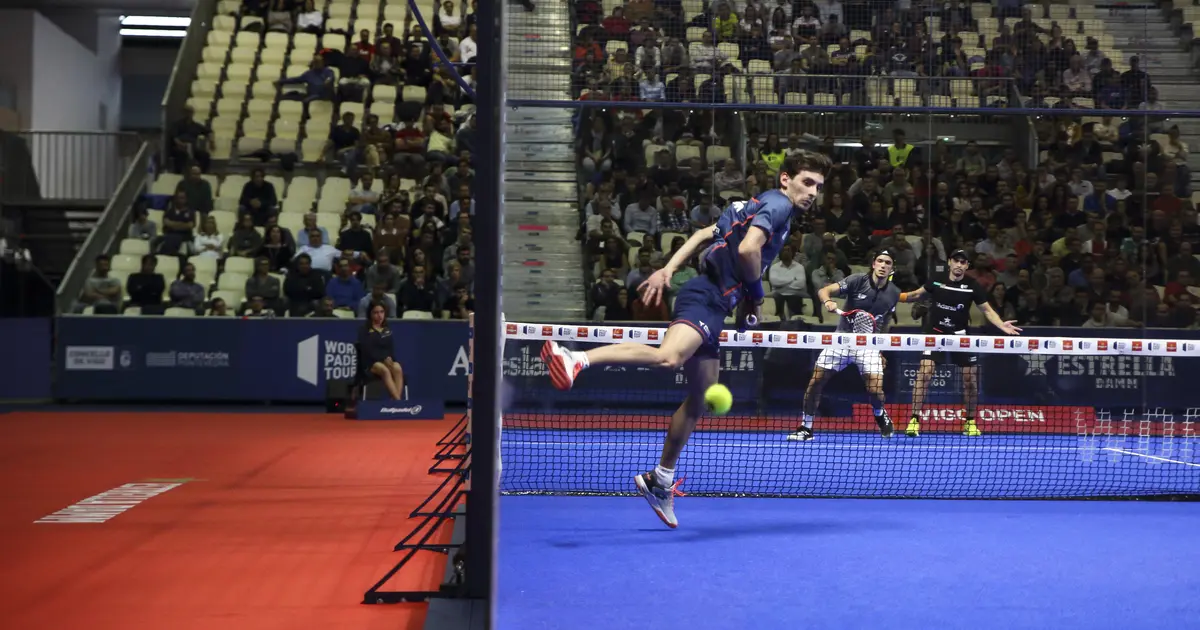
La Bajada in Padel — Taking the Ball Off the Back Wall
Learn how to hit la bajada in padel. This guide covers the technique for taking the ball off the back wall on the way down, when to use it, common.
The Bandeja in Padel — How to Hit It and When to Use It
Learn how to hit the bandeja in padel. This guide covers technique, body position, when to choose bandeja over smash, and how it keeps you at the net.
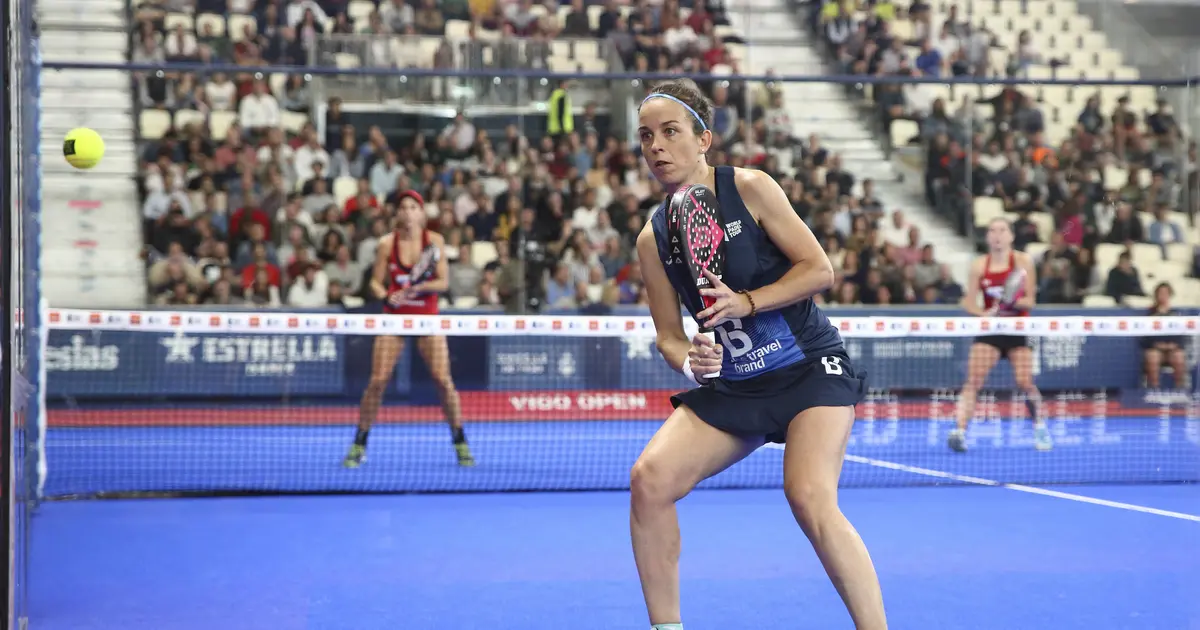
The Chiquita in Padel — Technique, Timing, and When to Use It
Learn how to hit the chiquita in padel. This guide covers technique, grip, body position, when to play the chiquita, common mistakes, and how the pros use.
La Contrapared in Padel: How to Hit Off Your Own Back Wall
Master la contrapared — the padel shot where you hit the ball against your own back wall to return it over the net. Technique, timing, and when to use it.