 PADEL RULES
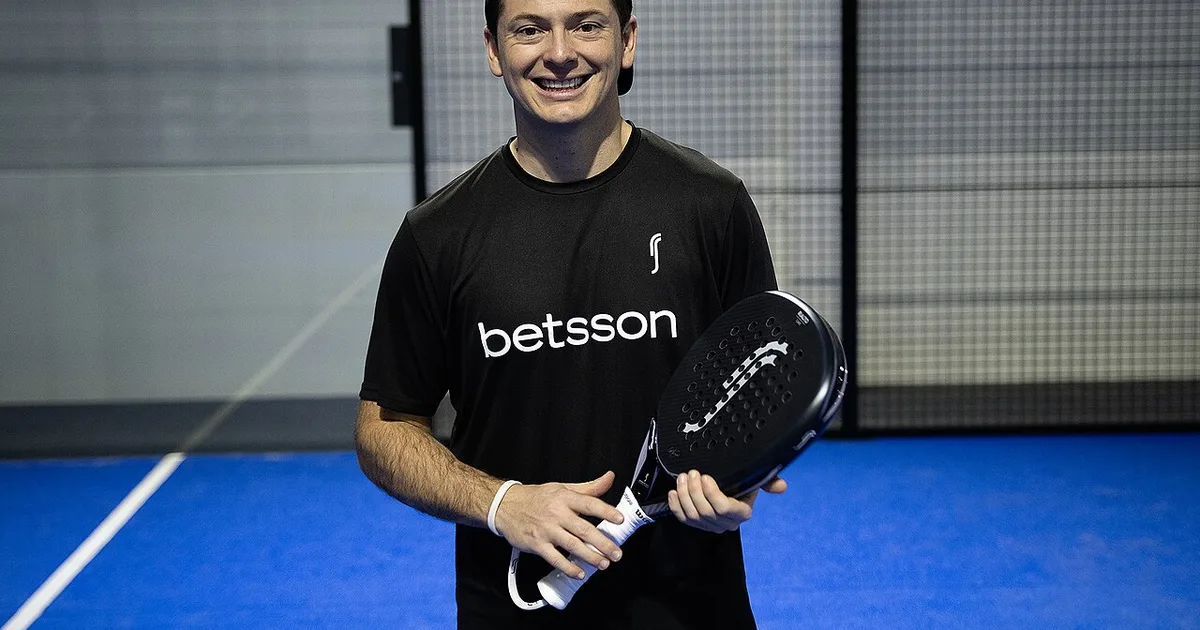
Padel Footwork: Split Step, Recovery, and Court Movement Explained
6 min read
Good footwork is the foundation of every reliable padel player. You can have the best bandeja or the most powerful smash on the court — if your feet are in the wrong place, none of it matters. Footwork determines how early you arrive at the ball, how balanced your shot is, and how quickly you recover for the next one.
This guide covers the three pillars of padel movement: the split step, lateral and forward-backward movement, and recovery positioning.
The Split Step — Your Neutral Reset
The split step is the single most important footwork habit in padel. It is a small, light hop where both feet land simultaneously, shoulder-width apart, just as your opponent makes contact with the ball.
Why it works: The split step loads your leg muscles so you can push off explosively in any direction. Without it, you are standing still or mid-stride when the ball comes — and changing direction from a static position is always slower.
When to use it: Every single time your opponent is about to hit the ball. At the net, at the baseline, after a serve — always. Top players perform dozens of split steps per point.
How to do it:
- Watch your opponent’s racket as they prepare to swing
- Just before contact, make a small hop — no more than a few centimetres off the ground
- Land with feet shoulder-width apart, knees bent, weight on the balls of your feet
- Push off toward the ball the instant you read the direction
The timing is crucial. Split too early and you land before the opponent hits, losing the loaded energy. Split too late and the ball is already past you.
Lateral Movement — Covering the Width of the Court
Padel is a game of angles, and most movement at the net happens side to side. Good lateral footwork keeps you balanced and ready to volley or intercept.
Shuffle Steps
The shuffle step is your primary lateral movement. Keep your feet apart, push off with the foot closest to where you came from, and slide the leading foot toward the ball. Never cross your feet — crossing makes you vulnerable to a change of direction.
Use shuffle steps for short distances (1–3 metres), which covers the majority of net movement in padel.
Crossover Steps
For longer distances — chasing a wide lob or covering a ball near the fence — use a crossover step to close the gap quickly, then settle into shuffle steps for the final approach. The crossover gives you speed; the shuffle gives you balance for the shot.
Forward and Backward Movement — Controlling Depth
Moving forward and backward is just as important as lateral movement. The best padel teams constantly shift their depth — advancing after a good lob, retreating when opponents take the net.
Advancing to the Net
After a deep lob or a strong return, move forward with your partner. Use short, controlled steps and maintain your split step rhythm. Never sprint to the net — arrive balanced and ready to volley.
A common mistake is advancing alone. Both players should move forward together, maintaining a distance of about 3–4 metres between them.
Retreating from the Net
When an opponent hits a good lob over your head, turn sideways and use crossover steps to track the ball back. Keep your eyes on the ball, not the glass. Once the ball bounces or hits the back wall, position yourself to play it with an open stance or a slight sideways turn.
Do not backpedal — it is slower and puts you off balance. Always turn and run.
Recovery — The Forgotten Step
Recovery is the movement you make after every shot to return to your optimal court position. It is the step most recreational players skip, and it is the reason they are always one step late.
Where to Recover
- At the net: Recover to a position 3–4 metres from the net, roughly centred between your sideline and the centre line
- At the baseline: Recover to approximately 1 metre in front of the back glass, centred in your half of the court
- After a wide ball: Push back to the centre immediately — do not admire your shot
How to Recover Efficiently
After hitting the ball, take two or three quick shuffle steps back to your recovery position. Stay low and keep your racket up. If your partner is covering a wide ball, shift toward the centre to close the gap they left.
Recovery should be automatic — finish your shot, recover, split step, and you are ready for anything.
Practical Footwork Drills
Drill 1: Shadow Split Steps
Stand at the net position. Have a partner call “left” or “right” at random. Perform a split step, push off in the called direction, take two shuffle steps, then recover to the centre and split again. Repeat for 60 seconds.
Drill 2: Net Ladder
Start at the baseline. Move forward to the net using short steps, perform a split step, shadow a volley, then backpedal (crossover) to the baseline. Repeat 10 times. Focus on arriving balanced at the net, not on speed.
Drill 3: Four Corners
Place four cones in your half of the court — front left, front right, back left, back right. Move to each cone in a random order called by your partner, performing a split step at each one. Focus on turning sideways for backward movement and shuffling for lateral movement.
Key Takeaways
| Situation | Footwork |
|---|---|
| Opponent about to hit | Split step |
| Short lateral movement | Shuffle steps |
| Long lateral movement | Crossover then shuffle |
| Advancing to net | Short steps with partner |
| Retreating from lob | Turn sideways, crossover steps |
| After every shot | Recover to central position |
Good footwork is a habit, not a talent. Practice the split step until it happens without thinking, and your game will improve faster than any shot technique could deliver on its own.
Useful Links
- The Bandeja — the overhead that rewards good positioning
- The Lob — the shot that tests your backward movement
- 10 Most Common Padel Mistakes — including footwork errors
- How to Improve at Padel — structured improvement plan
Stay in the loop
Get padel rule updates and tournament news — no spam.
More in Techniques
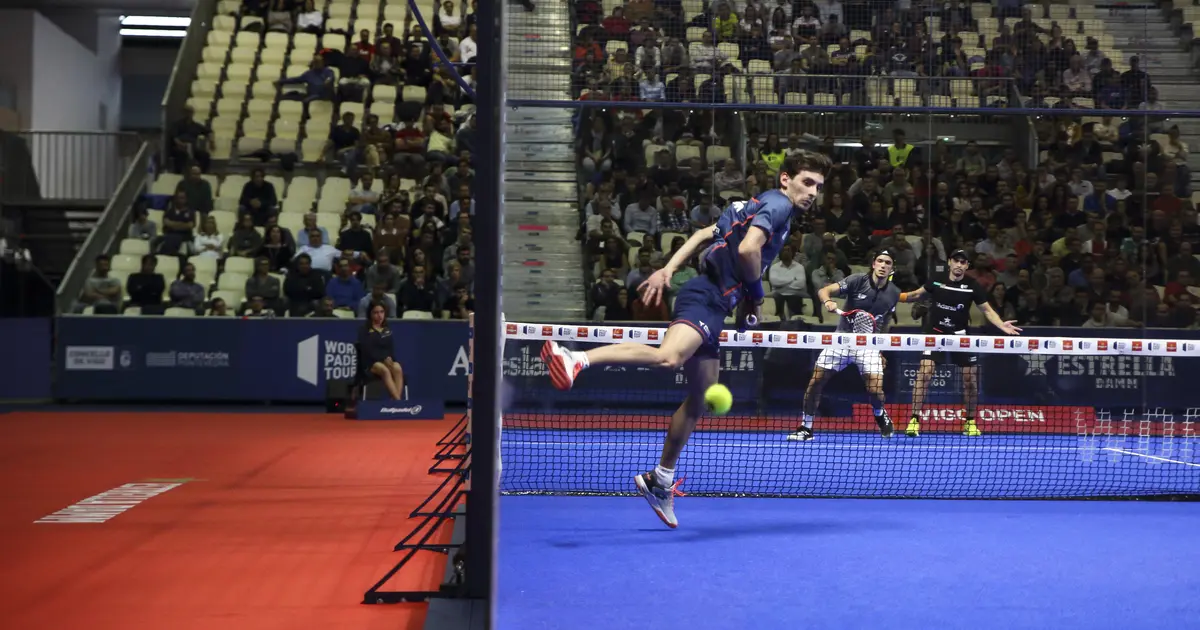
La Bajada in Padel — Taking the Ball Off the Back Wall
Learn how to hit la bajada in padel. This guide covers the technique for taking the ball off the back wall on the way down, when to use it, common.
The Bandeja in Padel — How to Hit It and When to Use It
Learn how to hit the bandeja in padel. This guide covers technique, body position, when to choose bandeja over smash, and how it keeps you at the net.
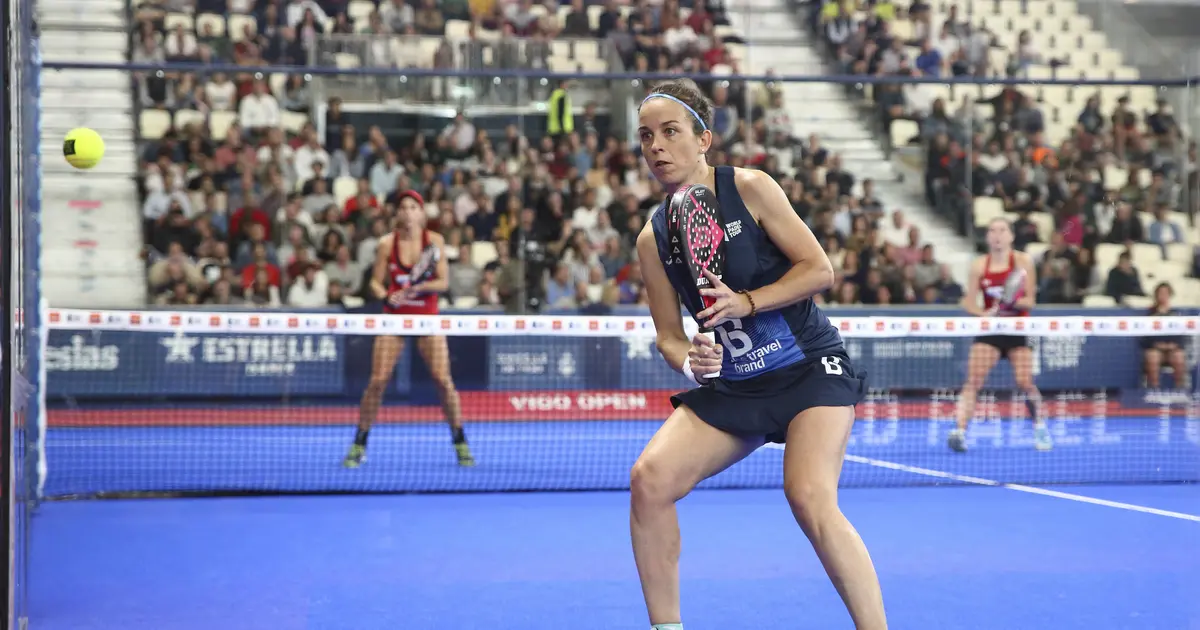
The Chiquita in Padel — Technique, Timing, and When to Use It
Learn how to hit the chiquita in padel. This guide covers technique, grip, body position, when to play the chiquita, common mistakes, and how the pros use.
La Contrapared in Padel: How to Hit Off Your Own Back Wall
Master la contrapared — the padel shot where you hit the ball against your own back wall to return it over the net. Technique, timing, and when to use it.