 PADEL RULES
How to Improve at Padel — Practice Tips, Drills, and Mental Game
8 min read
Padel is easy to start but takes deliberate effort to improve past the beginner stage. The enclosed court, wall play, and doubles format create a game where positioning, patience, and shot selection matter more than raw power — and these skills only develop when you practise them intentionally.
This guide covers the areas where focused work produces the biggest improvements for beginner and intermediate players.
1. Master Positioning Before Shots
The single biggest difference between beginner and intermediate padel players is where they stand on court, not how hard they hit the ball.
Net position wins points
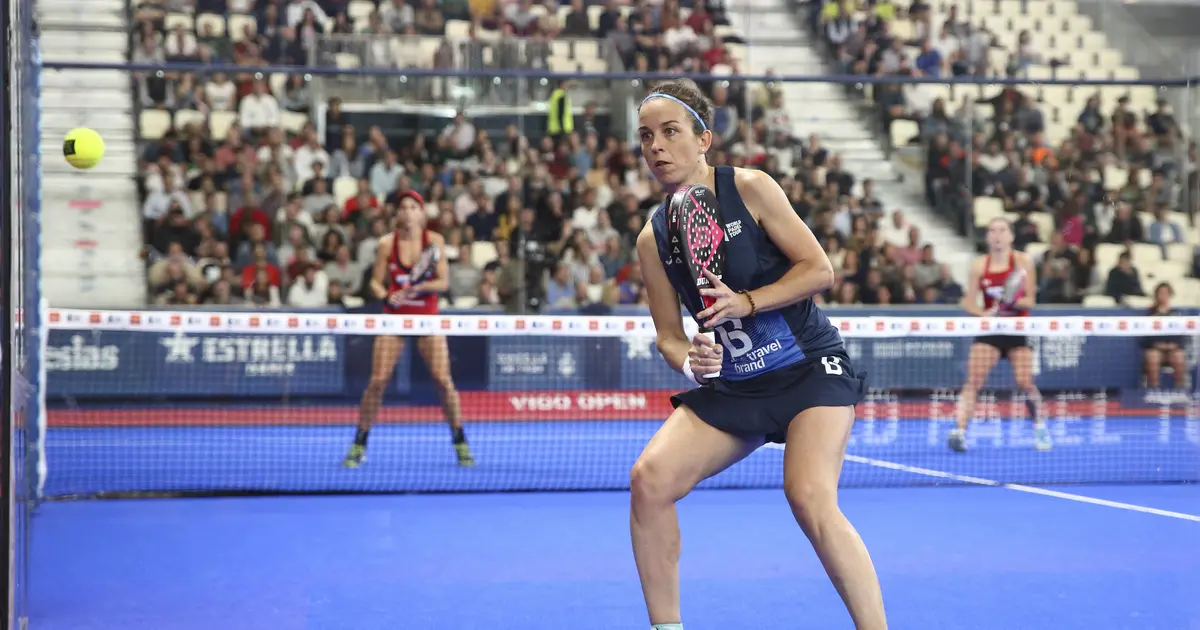
In padel, the team that controls the net wins the majority of points. Your default position when you have the advantage should be approximately 1–2 metres from the net, side by side with your partner.
From the net, you can:
- Hit volleys down into the court, giving opponents less time to react
- Cut off angles, reducing the court your opponents can use
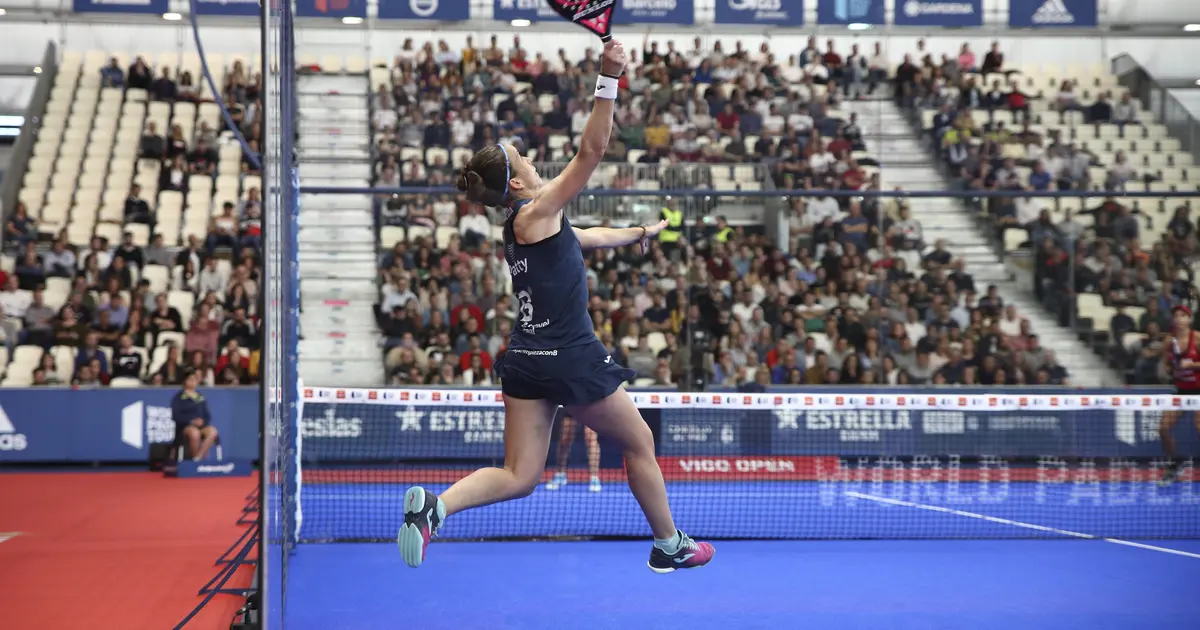
- Force opponents into defensive lobs, which you can handle with the bandeja or smash
Drill: Play a set where you count how many points you win from the net versus from the back of the court. Most players are surprised by the difference.
When to move back
Move to the back of the court only when forced — typically by a deep lob or a shot you cannot volley. Once you are at the back, your goal is to return to the net as quickly as possible, usually by playing a lob over your opponents.
See Doubles Tactics for a detailed breakdown of how to coordinate net positioning with your partner.
2. Improve Your Wall Play
Wall play is what makes padel unique. Learning to read and play balls off the back glass and side walls opens up shots that new players think are impossible.
Back wall fundamentals
- Wait for the ball — the most common mistake is hitting the ball before it reaches the back wall. Let it bounce on the floor and come off the glass, then play it as it travels back toward the net
- Face the back wall — turn your body toward the glass as the ball approaches. This gives you more time and better vision of the ball’s trajectory after the rebound
- Use the lob — most balls that come off the back wall should be lobbed back over your opponents, buying time to move forward
For full rules and technique on wall play, see Wall Play.
Side wall practice drill
- Stand in the back corner of the court
- Have a partner feed balls that hit the side wall before reaching you
- Practise letting the ball come off the wall and playing it with a controlled forehand or backhand
- Focus on sending the ball back cross-court — this is the highest-percentage shot from this position
- 20 balls per side, then switch corners
3. Develop Shot Consistency Over Power
Padel rewards accuracy and consistency. A ball placed deep into the corner at moderate pace is far more effective than a hard-hit ball that gives your opponent an easy rebound off the glass.
The 70% rule
Hit most shots at about 70% of your maximum power. This gives you:
- Better control and placement
- More time to recover position
- Fewer unforced errors
- Softer balls that die in the corners rather than rebounding off the glass for easy returns
Save full-power shots for clear opportunities — typically when you have a short ball at the net and can angle it away from both opponents.
Placement targets
When practising or playing, aim for these targets:
- At the net: hit volleys at the feet of the opponent closest to the net, or into the gap between the two opponents
- From the back: lob deep over the opponent’s backhand side, or play low balls toward the centre of the court
- Service: aim for the side wall junction (where the glass meets the fence) in the service box — this creates an awkward bounce
4. Build a Reliable Serve
The serve in padel is underarm and must be hit at or below waist height — but that does not make it unimportant. A well-placed serve gives your team the initiative.
Serve priorities
- Get it in — an unforced double fault gives away a free point. Consistency comes first
- Target the body or the side wall — serves aimed at the receiver’s body are hard to return aggressively; serves into the side wall create awkward bounces
- Follow the serve to the net — the server and partner should move forward together after the serve to establish the net position
Serve practice routine
- Place a target (cone, towel, or bag) in the service box — first near the side wall, then near the centre T
- Serve 20 balls, counting how many hit or come close to the target
- Move the target to the other service box and repeat
- Aim for 70%+ accuracy before increasing pace
5. Train the Mental Game
Padel points are often won by the team that makes fewer mistakes, not the team that hits more winners. Mental discipline is a direct performance advantage.
Patience during rallies
The enclosed court and wall play mean that many rallies last 10–20 shots. Resist the urge to end the point early with a risky shot. Instead:
- Keep the ball in play
- Move your opponents around the court
- Wait for them to give you a short or high ball
- Only attack when you have a clear opening
Managing frustration
Bad points happen to every player. What matters is the next point:
- Between points: take a breath, shake off the last point, and focus on your serve or return position
- Between games: use the changeover to reset mentally. Discuss tactics with your partner rather than dwelling on errors
- When losing: in padel, momentum shifts frequently. Stay in the match — a team that is down 1–5 can still win the set
Communication with your partner
Padel is a doubles sport. Good communication improves positioning, reduces confusion, and builds confidence:
- Call “mine” or “yours” early for balls down the middle
- Signal your intended serve direction to your partner before serving
- Encourage your partner after their errors — a confident partner plays better
6. Play With Better Players
The most effective way to raise your level is to regularly play with and against players who are better than you. This forces you to:
- React faster
- Read the game earlier
- Find solutions under pressure
- Observe better positioning and shot selection in real time
Many padel clubs organise mixed-level sessions, americanos, or round-robin events where you can play with a range of players. Take these opportunities.
7. Common Mistakes to Fix
| Mistake | Why it hurts | Fix |
|---|---|---|
| Standing at the back of the court | Gives up the net and lets opponents control the point | Move forward every time you play a lob or a shot that pushes opponents back |
| Hitting too hard | Balls rebound off glass, giving opponents easy returns | Use the 70% rule — control and placement beat power |
| No split-step | You are always moving a step late, arriving unbalanced | Small hop onto the balls of your feet as your opponent hits — every single shot |
| Not lobbing enough | You stay pinned at the back with no way to advance | The lob is your primary tool for getting back to the net |
| Ignoring warm-up | Cold muscles and tendons increase injury risk and reduce early-match performance | Arrive 10 minutes early and follow a warm-up routine |
Practice Drill Summary
| Drill | Focus | Time |
|---|---|---|
| Positioning game (count net vs back wins) | Net awareness | During any match |
| Back wall lob practice | Wall play | 15 min |
| Side wall corner drill | Side wall reading | 15 min |
| Serve accuracy (targets in service box) | Serve consistency | 15 min |
| 70% rally (controlled pace, placement only) | Shot control | 20 min |
Key Takeaways
- Position yourself at the net as your default — this is where points are won in padel
- Learn to read and play wall rebounds before trying to add power
- Consistency and placement beat power at every level
- Practise your serve until it is reliable, then work on placement
- The mental game — patience, communication, resilience — separates good players from average ones
- Play with better players as often as you can
For the fundamentals of how padel works, see How to Play Padel. To build the physical fitness that supports your game, see Padel Fitness Training.
Stay in the loop
Get padel rule updates and tournament news — no spam.
More in Beginner Guides
Can You Play Padel Alone? Solo Practice Options and Drills
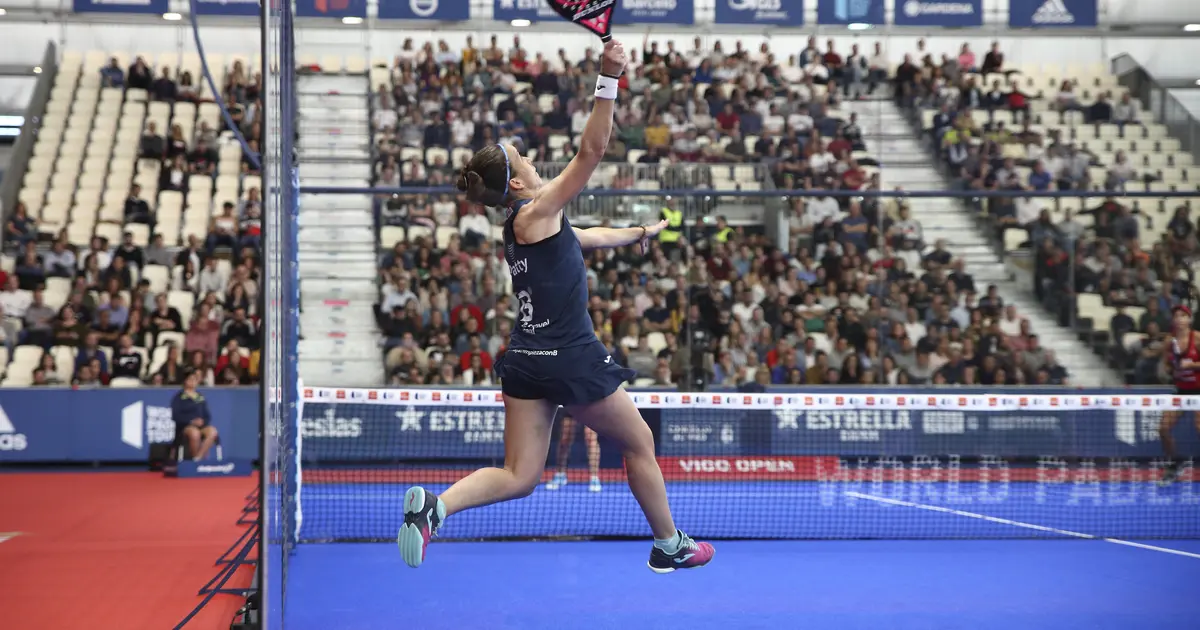
Can you play padel alone? Padel is a doubles sport, but you can practise solo with wall drills, ball machines, and specific exercises.
Padel Doubles Tactics — Strategy Guide for All Levels
Master padel doubles tactics with this strategy guide. Covers court positioning, attacking from the net, defending from the baseline, and key shot.

How Long Does a Padel Match Last? Average Duration and Format
How long does a padel match last? Most padel matches last 60–90 minutes. Learn about set format, tie-breaks, and what affects match duration.
How to Find and Book a Padel Court
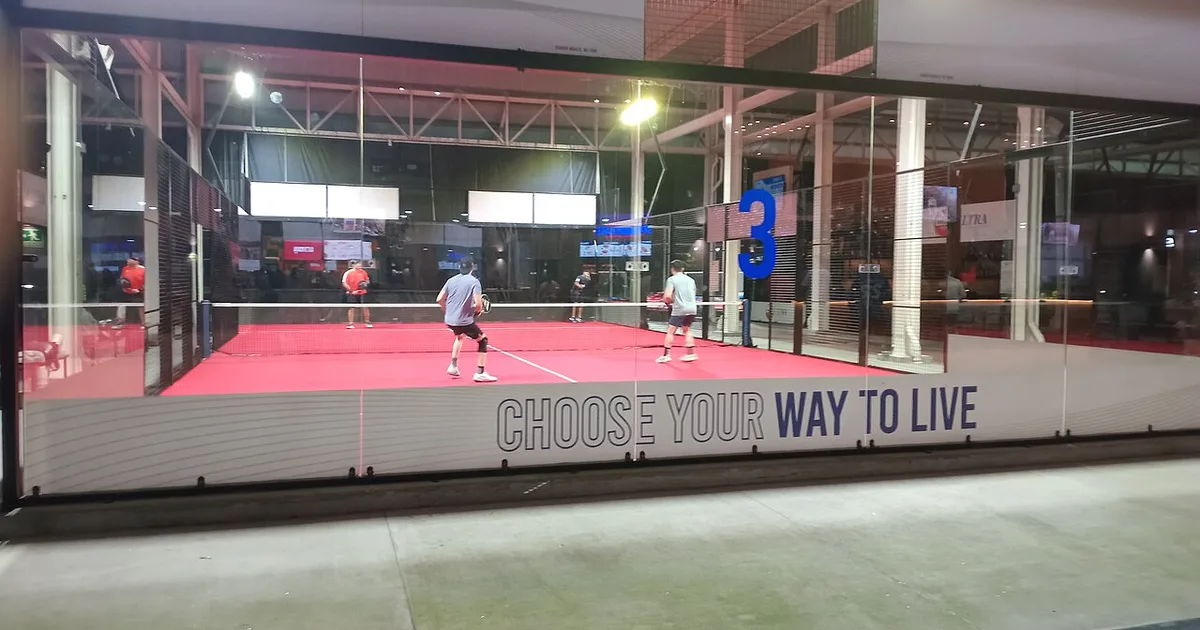
Learn how to find and book a padel court near you using Playtomic, Matchi, Google Maps, and club websites. Includes tips for first-timers on pricing, equipment hire, and what to expect.