 PADEL RULES
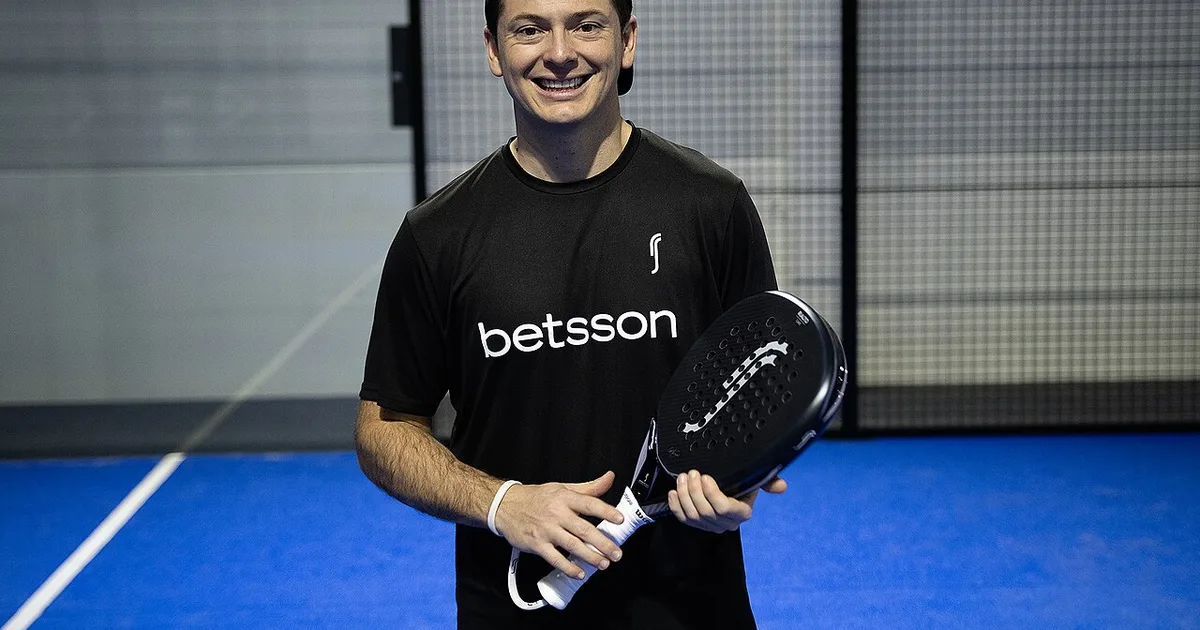
Padel Warm-Up Routine — Pre-Match Stretches and Exercises
8 min read
Arriving at the court and hitting full-speed shots within the first minute is one of the most common causes of padel injuries — and one of the easiest to avoid. A structured warm-up prepares your muscles, tendons, and joints for the demands of the game and helps you play better from the opening point.
This routine takes 10–15 minutes and covers every movement pattern used in padel. Do it before every match or training session.
Note: This article provides a general warm-up routine for healthy, recreational padel players. It is not medical advice. If you have existing injuries or medical conditions that affect your movement, consult a physiotherapist for a personalised warm-up programme.
Why Warming Up Matters for Padel
Padel places specific demands on your body that cold muscles and tendons are not ready for:
- Lateral movements — the split-step and side shuffles require your hips, groin, and ankles to absorb and redirect force rapidly
- Overhead shots — the bandeja, vibora, and smash load the shoulder rotator cuff and the forearm extensors before they have had time to warm up
- Explosive direction changes — moving from the net to the back wall and back again stresses the calves, Achilles tendons, and knees
- Grip and wrist work — gripping the racket and stabilising your wrist through impact requires forearm readiness
A warm-up raises muscle temperature, increases blood flow, improves joint lubrication, and activates the nervous system — all of which reduce injury risk and improve reaction time.
Phase 1: Raise Your Heart Rate (2–3 Minutes)
Start with light movement to get blood flowing to your muscles. You can do this on court, in a corridor, or in the car park.
Light jog or march in place
- Jog gently for 1–2 minutes at a pace where you can hold a conversation
- If space is limited, march on the spot with high knees
Skipping or jumping jacks
- 30 seconds of skipping (with or without a rope) or jumping jacks
- This activates the calves and ankles — both critical for padel footwork
You should feel slightly warm and have a lightly elevated heart rate by the end of this phase. You should not be out of breath.
Phase 2: Dynamic Stretches (5–7 Minutes)
Dynamic stretches move your joints through their full range of motion under control. They warm up muscles while maintaining the power output you need for sport.
Do not hold these positions statically. Keep moving through each stretch with smooth, controlled movements.
Arm circles
- Stand with arms extended to the sides
- Make 10 small forward circles, gradually increasing the size
- Reverse direction for 10 circles
- This warms the shoulder joint and rotator cuff
Trunk rotations
- Stand with feet shoulder-width apart, arms bent at chest height
- Rotate your upper body left, then right, in a controlled motion
- 10 rotations per side
- This prepares your core for the rotational movements of every padel shot
Lateral lunges
- Step wide to the right, bending your right knee and keeping your left leg straight
- Push back to centre and repeat on the left side
- 8 per side
- This opens the groin and hips for lateral court movement
Walking quad stretch with reach
- Take a step forward, then grab your back foot and pull your heel toward your glute
- At the same time, reach your opposite arm overhead
- Hold for 1 second, release, take another step, and repeat on the other side
- 8 per side
- This warms the quads, hip flexors, and shoulder simultaneously
Leg swings (forward and lateral)
Forward swings:
- Hold a fence or wall for balance
- Swing one leg forward and backward in a controlled arc, gradually increasing the range
- 10 swings per leg
Lateral swings:
- Face the fence, swing one leg across your body and out to the side
- 10 swings per leg
- This prepares the hips and groin for the side-to-side movement pattern of padel
Wrist circles and forearm stretch
- Extend both arms in front, make 10 slow wrist circles in each direction
- Then extend one arm with palm facing up, gently pull your fingers down with the other hand for 2–3 seconds, release, and repeat 5 times per hand
- This prepares the forearm extensors and reduces the risk of padel elbow
Ankle circles
- Lift one foot off the ground and rotate the ankle slowly in circles
- 10 circles in each direction per foot
- The split-step and rapid direction changes in padel load the ankles heavily — they need to be ready
Phase 3: Racket Warm-Up (3–5 Minutes)
Once your body is warm, pick up your racket and transition to sport-specific movement.
Wall practice (solo)
If your partner is not yet ready or you arrive early:
- Stand 2–3 metres from the back glass
- Hit the ball gently against the glass, alternating forehand and backhand
- Focus on control and rhythm — this is warm-up, not practice
- Gradually increase pace over 2 minutes
Gentle rally (with partner)
- Start at the net, both players volleying softly back and forth
- After 1 minute, move to the back of the court and rally groundstrokes at 50% pace
- After 1 more minute, include a few overhead shots (slow bandejas or lobs)
- Gradually increase pace until you feel ready to play
Do not start with full-speed smashes or hard serves. Build up to match intensity over 3–5 minutes.
Quick Reference: The Full Routine
| Phase | Exercise | Duration |
|---|---|---|
| 1. Cardio | Light jog / march in place | 1–2 min |
| 1. Cardio | Skipping or jumping jacks | 30 sec |
| 2. Dynamic | Arm circles (forward + backward) | 30 sec |
| 2. Dynamic | Trunk rotations | 30 sec |
| 2. Dynamic | Lateral lunges | 1 min |
| 2. Dynamic | Walking quad stretch with reach | 1 min |
| 2. Dynamic | Leg swings (forward + lateral) | 1 min |
| 2. Dynamic | Wrist circles and forearm stretch | 30 sec |
| 2. Dynamic | Ankle circles | 30 sec |
| 3. Racket | Wall practice or gentle rally | 3–5 min |
Total time: 10–15 minutes
Cool-Down After Playing
After the match, spend 5 minutes on static stretches while your muscles are still warm:
- Calf stretch — lean against a wall, one leg back, heel pressed to the floor. 30 seconds per leg
- Quad stretch — stand on one leg, pull the other heel toward your glute. 30 seconds per leg
- Shoulder cross-body stretch — pull one arm across your chest. 30 seconds per arm
- Forearm extensor stretch — extend your arm with palm down, pull fingers toward you with the other hand. 30 seconds per arm
- Hip flexor stretch — kneel on one knee, push hips forward gently. 30 seconds per side
- Seated trunk rotation — sit with legs extended, cross one leg over and twist toward it. 30 seconds per side
Tips for Consistency
- Arrive 10–15 minutes before your booking. If you arrive exactly on time, you will skip the warm-up. Build it into your schedule
- Make it routine. Do the same warm-up every time so it becomes automatic and you never skip steps
- Warm up again if you take a long break. If you play, rest for 30+ minutes between matches (e.g., at an americano), do a shorter version of Phase 1 and 2 before your next match
- Adjust for weather. In cold conditions, spend longer on Phase 1 — your muscles take more time to reach working temperature
Key Takeaways
- A 10–15 minute warm-up reduces injury risk and improves your play from the first point
- Use dynamic stretches before playing, save static stretches for the cool-down
- Focus on the areas padel loads most: shoulders, hips, calves, forearms, and core
- Always include a gradual racket warm-up before hitting at match pace
- Arrive early enough to warm up properly — it is the simplest investment in your padel longevity
For a complete off-court training programme, see Padel Fitness Training. For advice on avoiding the most common padel injuries, see Padel Injuries Prevention.
Stay in the loop
Get padel rule updates and tournament news — no spam.
More in Beginner Guides
Can You Play Padel Alone? Solo Practice Options and Drills
Can you play padel alone? Padel is a doubles sport, but you can practise solo with wall drills, ball machines, and specific exercises.
Padel Doubles Tactics — Strategy Guide for All Levels
Master padel doubles tactics with this strategy guide. Covers court positioning, attacking from the net, defending from the baseline, and key shot.

How Long Does a Padel Match Last? Average Duration and Format
How long does a padel match last? Most padel matches last 60–90 minutes. Learn about set format, tie-breaks, and what affects match duration.
How to Find and Book a Padel Court
Learn how to find and book a padel court near you using Playtomic, Matchi, Google Maps, and club websites. Includes tips for first-timers on pricing, equipment hire, and what to expect.