 PADEL RULES
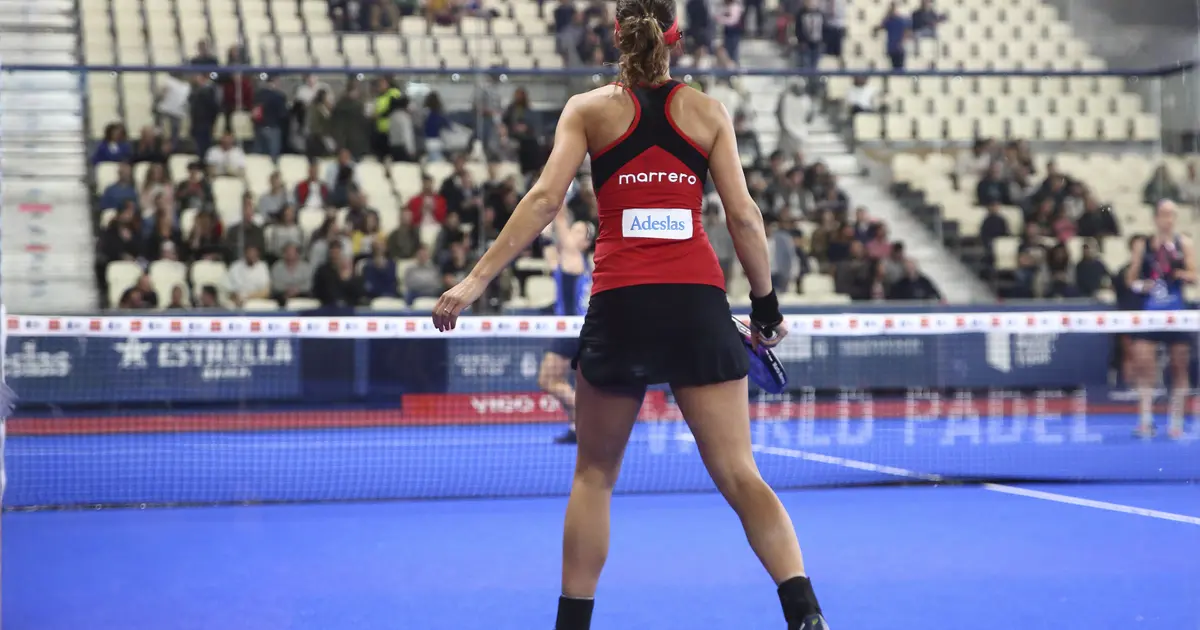
The Vibora in Padel — Technique, Spin, and Tactical Use
5 min read
The vibora is padel’s attacking overhead — the shot between the safe bandeja and the all-out smash. When hit well, it produces a fast, skidding ball with an unpredictable bounce that is extremely hard to lob back. At professional level, the vibora is one of the most commonly used finishing shots from the net.
What Is the Vibora?
Vibora means “viper” in Spanish — a fitting name for a shot that bites off the court surface. The vibora combines topspin and slice through a sharp wrist snap at the moment of contact. This produces a ball that:
- Leaves the racket with pace
- Bounces low and fast off the turf
- Skids and changes direction slightly after the bounce
- Is very difficult to control when lobbing back
Unlike the bandeja (which is purely slice and defensive), the vibora is designed to put the opponents under pressure or end the point.
When to Use the Vibora
Use the vibora when:
- The ball is at shoulder to head height — a comfortable contact zone
- You are balanced and prepared — the vibora requires precise timing
- You want to add pace and pressure without committing to a full smash
- The opponents are retreating and you want to attack before they reset
Use the bandeja instead when:
- The ball is very high and you would need to reach up uncomfortably
- You are off-balance or rushed
- Net control is the priority and putting away the point is not realistic
- You are unsure — when in doubt, bandeja
Technique
Grip
Use a continental grip. The same grip as for the bandeja and volley — this allows both the slice and the topspin component of the shot.
Preparation
- Turn sideways early — your non-dominant shoulder faces the net
- Position yourself so the ball will be at shoulder to head height at contact — step forward or back to find the right spot
- Raise your non-hitting arm for balance; track the ball with your eyes
The Swing
- Take the racket back with the elbow bent, slightly above head height
- Drive the racket forward and down through the ball, leading with the elbow
- At the moment of contact, apply a sharp wrist snap — this is what differentiates the vibora from the bandeja. The wrist rolls from slightly open to closed through the ball, generating the spin combination
- Follow through across your body — longer than the bandeja but shorter than a full smash swing
Contact Point
Contact the ball in front of your body, at shoulder to head height. The wrist snap happens at and just after contact — think of it as cracking a whip through the ball.
After the Shot
Like the bandeja, stay at the net after a vibora. The ball should stay low and make it hard for opponents to lob back. If you hit a good vibora, you should be ready to volley the next ball.
Direction
The vibora is most effective in two directions:
| Direction | Effect |
|---|---|
| Centre | Creates confusion between opponents; skids through the middle |
| Cross-court to backhand | Forces opponents onto their weaker side; skidding bounce makes the retrieve harder |
Avoid going down the line unless you are confident — a vibora down the line that is slightly long or wide costs the point.
Vibora vs Bandeja vs Smash
| Shot | Technique | Ball height | Goal | Risk level |
|---|---|---|---|---|
| Bandeja | Pure slice, compact | High, above head | Control, stay at net | Low |
| Vibora | Spin + slice, wrist snap | Shoulder to head | Attack, end point | Medium |
| Smash | Full power swing | Short, below fence | Put-away winner | High |
The vibora sits between these two — it adds pressure without the all-or-nothing risk of a smash.
Common Mistakes
Trying to smash the vibora. A vibora is not a power shot — it is a spin shot. Swinging too hard loses the spin component and turns it into a flat ball that bounces high. Use controlled acceleration, not raw power.
Not turning sideways. The wrist snap only works if you have turned and can drive through the ball properly. A front-on vibora loses direction and pace.
Late contact. If you let the ball get too close to your body, you cannot generate the wrist snap. Practice moving to the ball early so you can meet it in front.
Overusing it. Not every high ball deserves a vibora. Against players who read the shot well, mixing in bandejas keeps them guessing.
Useful Links
- How to Play Padel — beginner fundamentals
- Padel Doubles Tactics — tactical overhead selection
- The Bandeja — the safe defensive overhead
- The Smash — the power put-away
- The Lob — the shot you are responding to
Related Techniques & Training
Stay in the loop
Get padel rule updates and tournament news — no spam.
More in Techniques
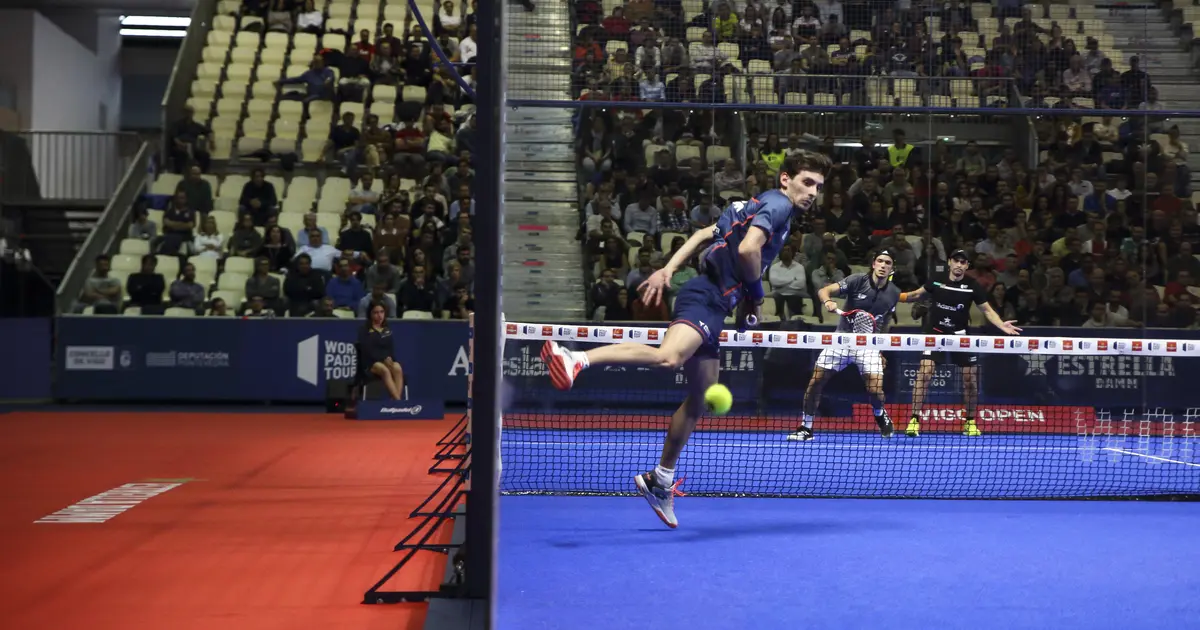
La Bajada in Padel — Taking the Ball Off the Back Wall
Learn how to hit la bajada in padel. This guide covers the technique for taking the ball off the back wall on the way down, when to use it, common.
The Bandeja in Padel — How to Hit It and When to Use It
Learn how to hit the bandeja in padel. This guide covers technique, body position, when to choose bandeja over smash, and how it keeps you at the net.
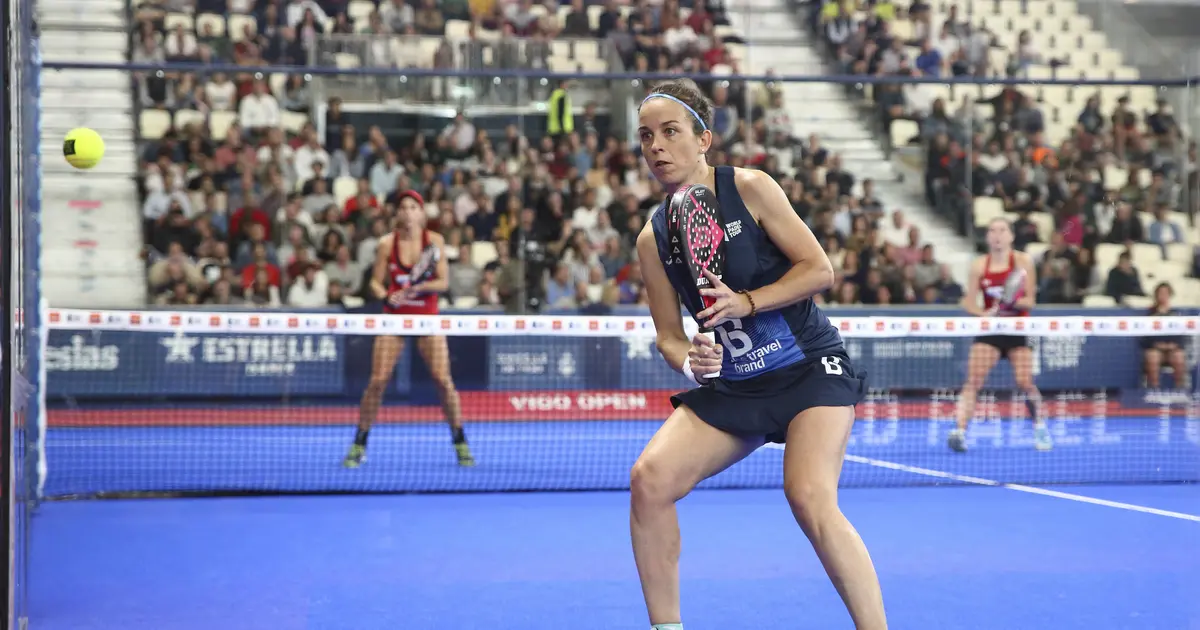
The Chiquita in Padel — Technique, Timing, and When to Use It
Learn how to hit the chiquita in padel. This guide covers technique, grip, body position, when to play the chiquita, common mistakes, and how the pros use.
La Contrapared in Padel: How to Hit Off Your Own Back Wall
Master la contrapared — the padel shot where you hit the ball against your own back wall to return it over the net. Technique, timing, and when to use it.