 PADEL RULES
The Volley in Padel — Net Technique and Shot Selection
5 min read
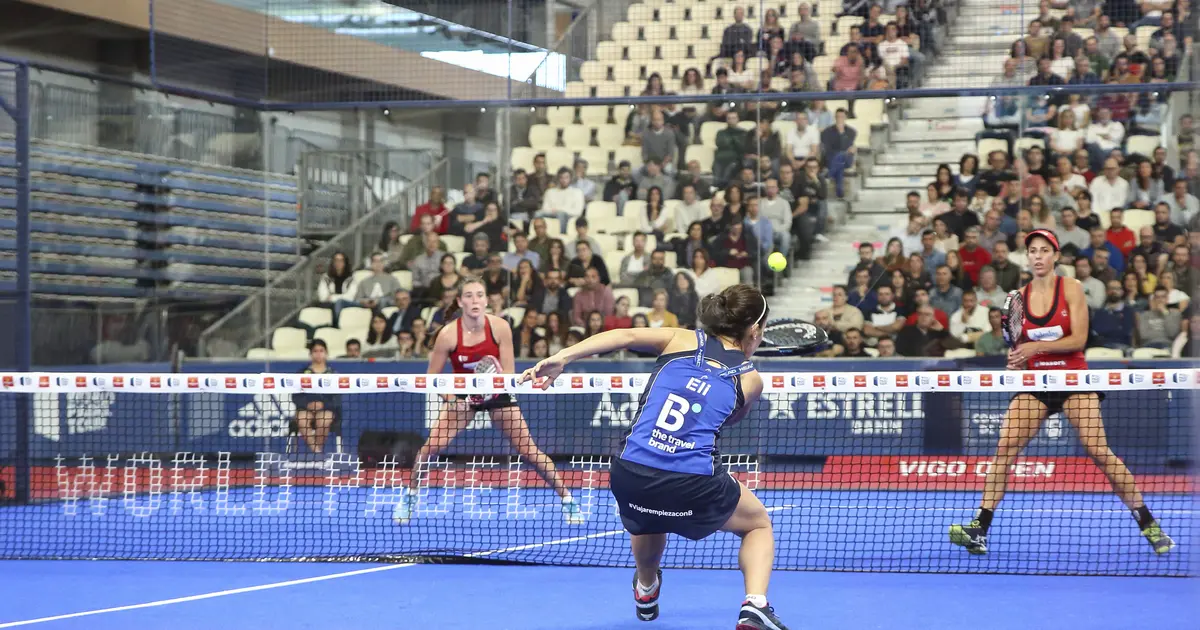
The volley is the bread-and-butter weapon of padel at the net. Because both teams spend most of their time trying to control the net position, the volley is the most frequently played attacking shot in the game. A reliable, well-directed volley is worth more to a padel player than any other single technique.
Why the Volley Matters So Much in Padel
In tennis, volleys are situational — you move to the net to finish points. In padel, net position is the default attacking position. Both teams are trying to get to the net and stay there. Once there, you will face a constant stream of:
- Low groundstrokes aimed at your feet
- Mid-height balls you can redirect
- Weak lobs you can put away with overheads
The volley is your tool for dealing with the first two. The overhead family (bandeja, vibora, smash) handles the third.
Technique
Grip
Use a continental grip — the same as for a tennis volley. This single grip handles both forehand and backhand volleys without switching, which is essential at the net where there is no time to adjust.
Preparation
Keep your racket in front of you at all times at the net — at chest height, slightly forward. Think of this as your “ready position.” The less you have to move the racket, the faster you can react.
The Punch
The padel volley is a punch shot, not a swing:
- Minimal backswing — take the racket head back only slightly behind your wrist
- Step forward into the shot with your front foot (cross-step if possible)
- Punch forward through the ball — short, firm, controlled
- Follow through in the direction of your target — do not let the follow-through go across your body
The punch motion is shorter and more compact than a tennis volley, partly because the solid padel racket is naturally stiffer.
Contact Point
Meet the ball in front of your body — ideally at or just below the height of the net tape. Do not let the ball get close to your hip or body; that means you are late, and the shot will lack direction.
Backhand Volley
The backhand volley follows the same principle. Keep the racket face open, punch through the ball with your non-dominant arm providing stability. Many players find the backhand volley more reliable in padel than in tennis because the solid racket face is more forgiving on off-centre hits.
Shot Selection
1. Cross-Court at Feet Level
The default and most reliable volley in padel. Direct the ball cross-court at the opponent’s feet — this forces them to bend down and hit up, giving you a high ball you can volley again or put away with an overhead.
Use this when you are not sure what to do — it keeps pressure on and rarely creates risk.
2. Down the Centre
A volley aimed straight between the two opponents. This is highly effective because:
- It creates a communication problem — who takes the ball?
- There is no angle to defend against
- It keeps pace on the ball without requiring precision to a corner
Use this when opponents are side by side and not communicating well.
3. Wide Angle
A sharply angled volley that pulls one opponent wide off the court. Use this when:
- One opponent is out of position
- You are at the net and have a high ball — the higher the contact, the sharper the angle you can create
- You want to open the court for the next shot
Wide angles carry higher risk — if you miss, the ball goes out or too central. Do not go for angles from awkward positions.
4. At the Feet of the Approaching Player
If an opponent is rushing the net, a volley directed at their feet is very hard to handle. They cannot volley down from there and are forced into an awkward low ball or half-volley.
The Lob Response
When opponents lob over your head while you are at the net, the correct response depends on height:
- Short lob: Move back quickly and play a smash, vibora, or bandeja
- Good deep lob: Both players retreat; use the back glass to defend
Do not stay at the net when a lob passes over your head — retreat and reset. See The Bandeja, The Vibora, and The Smash for overhead technique.
Common Mistakes
Swinging too big. The volley in padel is a punch, not a drive. A large backswing loses you control and reaction time. Keep it compact.
Letting the ball get into the body. If the ball is too close, you cannot punch forward. Move your feet — step across early so the ball stays in front of you.
Aiming too close to the line. At the net, you have plenty of court to work with. Aim at the centre or cross-court safely — there is no need to go for corners on every volley.
Standing too far from the net. The closer you are to the net (without being in the non-volley zone), the steeper the angles you can create and the less time the opponents have to react. Stand 2–3 metres from the net, not 4–5.
Changing grip for forehand/backhand. Using different grips for each volley side is too slow at net pace. Train the continental grip until it feels natural on both sides.
Useful Links
- How to Play Padel — beginner fundamentals
- Padel Doubles Tactics — net positioning and tactical shot selection
- The Bandeja — defensive overhead when lobbed
- The Vibora — attacking overhead from the net
- The Lob — the main weapon opponents use to dislodge you from the net
Stay in the loop
Get padel rule updates and tournament news — no spam.
More in Techniques
La Bajada in Padel — Taking the Ball Off the Back Wall
Learn how to hit la bajada in padel. This guide covers the technique for taking the ball off the back wall on the way down, when to use it, common.
The Bandeja in Padel — How to Hit It and When to Use It
Learn how to hit the bandeja in padel. This guide covers technique, body position, when to choose bandeja over smash, and how it keeps you at the net.
The Chiquita in Padel — Technique, Timing, and When to Use It
Learn how to hit the chiquita in padel. This guide covers technique, grip, body position, when to play the chiquita, common mistakes, and how the pros use.
La Contrapared in Padel: How to Hit Off Your Own Back Wall
Master la contrapared — the padel shot where you hit the ball against your own back wall to return it over the net. Technique, timing, and when to use it.