 PADEL RULES
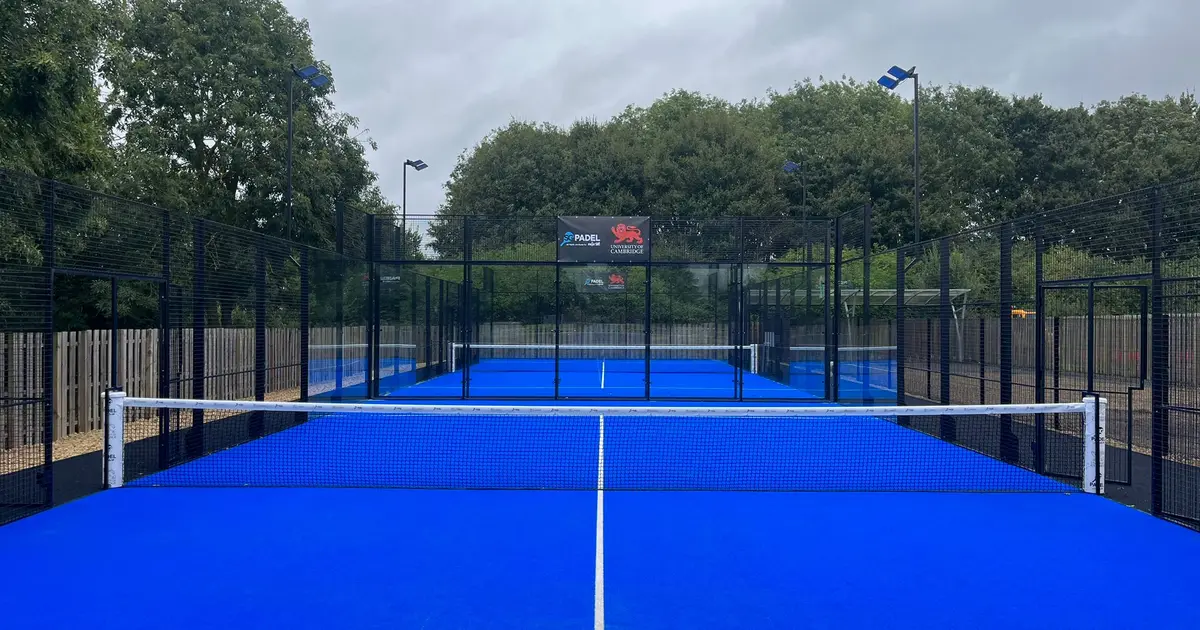
How to Play the Glass Walls in Padel — Reading Rebounds and Timing
7 min read
The glass walls are what make padel unique. Learning to read rebounds off the back and side glass is one of the biggest skill jumps an intermediate player can make. This guide covers rebound angles, body positioning, when to take the ball before or after the glass, and the bajada.
For the rules on which wall shots are legal, see the wall play rules guide. For solo practice drills, see wall drills.
Reading the Back Glass Rebound
The back glass is where most wall shots happen. Every ball behaves differently depending on three factors: speed, height, and angle of approach.
Fast, Flat Balls
A driven ball rebounds strongly off the back glass and travels outward almost parallel to the wall, often past the service line. To play this ball:
- Stand well away from the glass — at least 2 metres — and let the ball come to you
- Position yourself to the side of the ball’s path so you can swing freely
- Use a compact stroke and aim for depth — the ball already has pace
High, Looping Balls (Lobs)
A deep lob that hits the back glass high rebounds steeply downward and drops short, toward the centre. To play this ball:
- Move forward as the ball comes off the glass rather than waiting at the baseline
- The ball will drop faster than you expect — prepare your racket early
- This is a good opportunity to play an aggressive return if the ball sits up at a comfortable height
Corner Rebounds (Back Wall to Side Wall)
Balls that hit both walls in the corner produce double-direction changes that are the hardest rebounds to read:
- Identify which wall the ball will hit first and track the ball off that surface
- After the first wall, the second rebound will generally push the ball toward the centre of the court
- Give yourself extra space on corner rebounds — stand further from both walls than you think you need
Reading Side Glass Rebounds
Side glass rebounds tend to push the ball toward the centre of the court because the angle of approach is sharper than on the back glass.
When a cross-court shot hits the side glass near you, the rebound sends the ball inward — this is often the easiest wall shot to attack because the ball comes naturally into the middle, giving you a full range of directions.
When the rebound stays tight to the wall, you have less room to work with. Use a compact swing, aim for depth and height, and consider a high lob as the safest option from a cramped side-wall position.
Body Positioning and Footwork
Good wall play starts before the ball hits the glass.
Create Space
Never stand with your back against the glass. You need room to let the ball come out, read the rebound, and swing. Aim for 1.5 to 2 metres of clearance from the back glass and about 1 metre from the side glass.
Turn Sideways Early
As soon as you read the ball’s direction, turn your body sideways to the wall — the same shoulder rotation you use for a groundstroke. This gives you a longer hitting zone and lets you transfer weight into the shot. Players who face the wall square-on get cramped and produce weak returns.
Adjust with Small Steps, Then Recover
Use small shuffle steps to fine-tune your distance from the ball. Avoid big lunges close to the wall — they commit your weight and make it hard to adjust if the rebound surprises you. After playing the shot, push off the back foot and recover toward the centre of the court immediately.
Timing: Before or After the Glass?
Should you intercept the ball before it reaches the glass, or let it rebound?
Take it before the glass when the ball is at a comfortable height (waist to shoulder), you are well-positioned, and you can play an attacking shot. Intercepting early takes time away from your opponents.
Let it go to the glass when the ball is too high to hit cleanly, travelling too fast to control, or when you are unsure of the angle. The glass gives you extra time and often delivers the ball at a more manageable height.
The default for intermediate players should be to let it go. As your reading improves, you will naturally intercept more balls before the glass. Forcing it too early leads to errors.
The Bajada: Attacking Off the Back Glass
The bajada turns a defensive back-glass situation into an immediate attacking opportunity. When a deep lob bounces on the floor and rebounds high off the back glass, the ball sits up at head height or above. Instead of letting it drop, you step into the ball and play an overhead — like a bandeja or a flat smash — while the ball is still high.
How to Execute It
- Read the lob early. As soon as you see the ball going deep and high, start preparing for the overhead
- Let the ball bounce and hit the glass. Do not try to play it out of the air before the glass
- Position yourself sideways, facing the side wall, just as you would for a bandeja
- Take the ball at its highest comfortable point after it comes off the glass — ideally around head height or just above
- Hit with slice or flat pace, directing the ball deep and toward the centre or cross-court
When to Use It
The bajada works best when the lob rebounds high enough that you can comfortably take it overhead. If the rebound is low, let it fall and play a regular groundstroke instead. Forcing a bajada on a low rebound leads to mishits and pop-ups.
Common Wall Play Mistakes
Standing too close to the glass. The number one mistake at every level below advanced. If you find yourself jammed against the wall with no room to swing, you were too close.
Watching the wall instead of the ball. Track the ball continuously — through the bounce, into the glass, and off the glass. Do not look at the wall and wait for the ball to appear.
Swinging too hard. Wall shots rarely require power. The ball has already changed direction and lost pace. A well-placed wall shot to the centre or deep cross-court beats a wild swing every time.
Rushing the shot. The glass gives you time — that is the whole point. Let the ball come to you, set your feet, and play a controlled shot.
Ignoring recovery. A good wall shot means nothing if you stay planted next to the glass. Always recover toward the centre after every wall shot.
Useful Links
- Wall Play Rules — FIP rules on which wall shots are legal
- Solo Wall Drills — practice your wall play without a partner
- Defensive Tactics — how to use walls within a defensive game plan
- The Bandeja — the overhead slice used for the bajada and net control
- The Lob — the shot that creates most back-glass situations
Stay in the loop
Get padel rule updates and tournament news — no spam.
More in Techniques
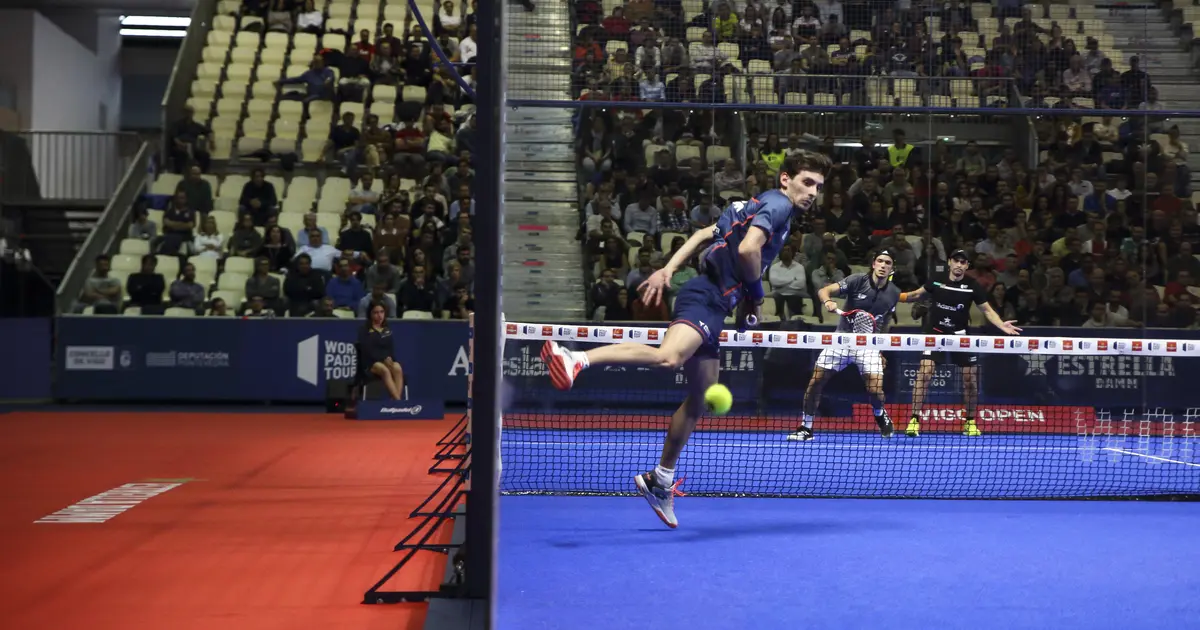
La Bajada in Padel — Taking the Ball Off the Back Wall
Learn how to hit la bajada in padel. This guide covers the technique for taking the ball off the back wall on the way down, when to use it, common.
The Bandeja in Padel — How to Hit It and When to Use It
Learn how to hit the bandeja in padel. This guide covers technique, body position, when to choose bandeja over smash, and how it keeps you at the net.
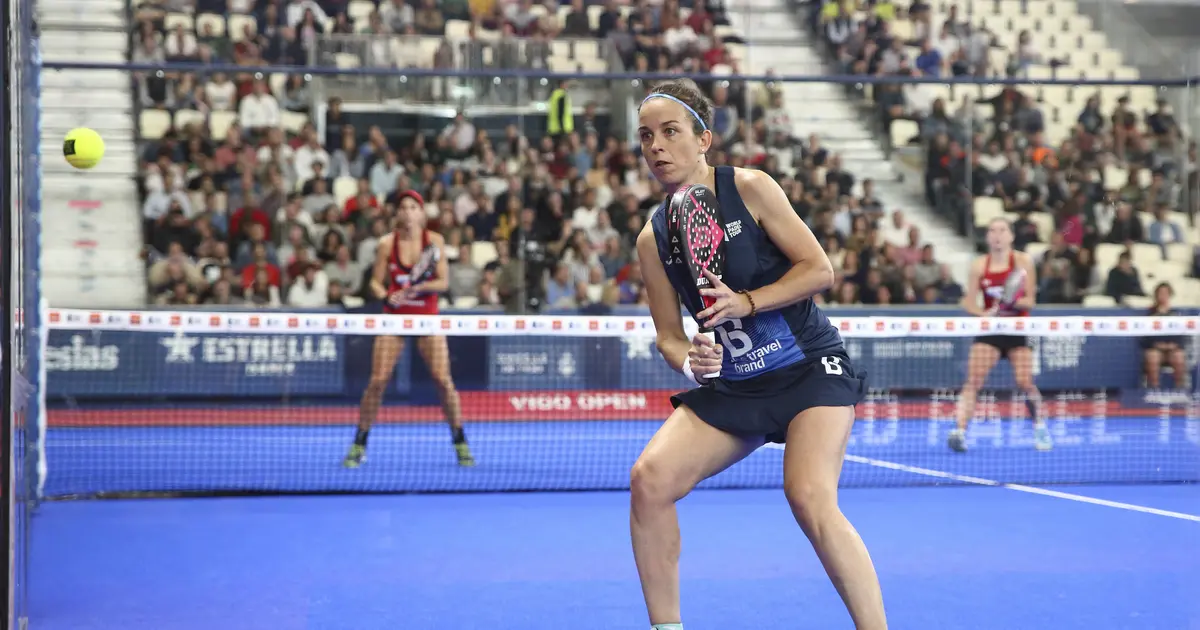
The Chiquita in Padel — Technique, Timing, and When to Use It
Learn how to hit the chiquita in padel. This guide covers technique, grip, body position, when to play the chiquita, common mistakes, and how the pros use.
La Contrapared in Padel: How to Hit Off Your Own Back Wall
Master la contrapared — the padel shot where you hit the ball against your own back wall to return it over the net. Technique, timing, and when to use it.