 PADEL RULES
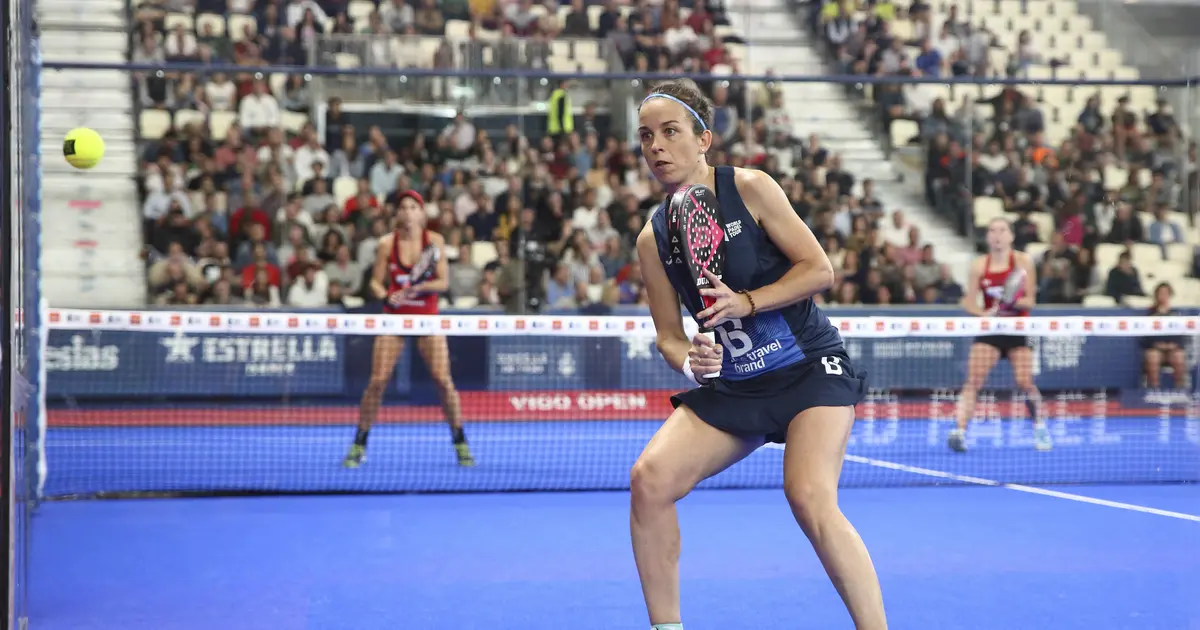
Defensive Padel Play — Glass Walls, Lob Defence & Resetting Points
7 min read
In padel, defence is not about survival — it is about patience. The walls keep the ball in play, and every defensive situation is an opportunity to reset the point and regain the initiative. This guide covers the key defensive tactics: reading and using the glass walls, the art of the defensive lob, and how to turn defence into attack.
Why Defence Works Differently in Padel
Unlike tennis, where a defensive player is usually losing the rally, padel’s enclosed court changes the dynamic:
- Walls extend rallies — balls that would be winners in tennis come back into play
- The lob neutralises net dominance — a single good lob forces net players to retreat
- Patience is rewarded — rushing to attack from the baseline is the most common cause of errors
The best padel players in the world spend significant time at the baseline. What separates them is not avoiding defence, but defending intelligently.
Reading and Using the Glass Walls
The Back Glass
The back glass is your main defensive ally. Understanding how balls rebound off it is essential:
Hard, flat shots rebound strongly and come out almost parallel to the back wall — position yourself to the side and let the ball travel past you before swinging.
High, looping shots bounce on the floor first, then hit the glass at a steep angle — the rebound comes out shorter, toward the centre of the court.
Shots into the corner (side wall + back wall) produce unpredictable double bounces — play the ball off the first wall it touches, or let it come out and play it in the air.
The Side Glass
Balls that hit the side glass and come back toward the centre of the court can be played aggressively — the angle gives you a natural cross-court direction. Balls that stay close to the side wall after rebounding are harder — use a compact swing and aim for depth rather than power.
Glass Reading Practice
During warmup, ask your partner to hit balls into the back glass from different heights and speeds. Stand behind the service line and practice:
- Judging how far the ball comes out
- Moving to the correct position before the ball arrives
- Playing the ball after the glass rebound with a controlled swing
The Defensive Lob
The lob is the single most important shot in defensive padel. It accomplishes three things simultaneously:
- Forces net players to retreat — they must turn and chase the ball
- Buys time — the ball is in the air for 2–3 seconds, enough for your team to reposition
- Creates an opportunity to advance — as opponents retreat, you can move forward
How to Lob Effectively from Defence
- Aim high and deep — the ball should land near the back line or pass over the opponents and hit the back glass high
- Lob cross-court — the diagonal is the longest distance and gives the lob maximum flight time
- Target the weaker overhead player — force them to play the bandeja or smash
- Follow the lob forward — immediately move toward the net after lobbing
When Not to Lob
- When the wind is strong and unpredictable — lobs get caught and drop short
- When opponents read your lob and are already retreating — hit a low ball instead
- When you are very close to the net and a passing shot is safer
Resetting the Point
A reset is any shot that removes the opponent’s attacking advantage and returns the rally to a neutral state. The lob is the primary reset tool, but other options exist:
The Deep Slice
A low, slow ball hit deep to the baseline. The slice stays low after bouncing, making it hard for net players to attack aggressively. Use when:
- The opponent is between the net and the service line (neither position)
- You need time but a lob is too risky
- Opponents are rushing the net too aggressively
The Chiquita Reset
A soft ball played low over the net, landing at the feet of the net player. This forces them to volley upward, giving you a better ball on the next shot. The chiquita is an intermediate defensive tool — not a full reset like the lob, but effective at neutralising aggression.
The Body Ball
Hitting directly at the closer net player’s body (hip or chest) when you are under pressure. This is a survival tactic that forces a reaction volley — often a weaker ball that you can then lob or play more comfortably.
Defensive Positioning
Both Players at the Baseline
When defending, both players should be positioned 2–3 metres from the back wall, each covering their half. This position:
- Gives you time to react to volleys and smashes
- Allows you to play off the back glass comfortably
- Provides space to move forward when the opportunity arises
The Split Position Trap
The worst defensive position is having one player at the baseline and one in no-man’s-land (between service line and net). This leaves gaps on both sides and gives the net team easy angle targets.
If one player gets caught forward while the other is back, the forward player should either fully commit to the net or retreat quickly to join their partner at the baseline.
Lateral Movement
When the ball is on one side of the court, both baseline players should shift toward that side — just as net players do. This covers the most likely angles and prevents balls down the centre catching both players.
Turning Defence into Attack
The transition from defence to attack in padel follows a predictable pattern:
- Survive — get the ball back over the net, ideally with a lob
- Neutralise — force opponents off the net or create a weak ball
- Advance — both players move forward together when the opportunity arises
- Control — take the net and finish the point
The mistake most players make is trying to jump from step 1 to step 4 — attempting winners from deep defensive positions. Trust the process: lob, wait for the opening, then advance as a team.
Common Defensive Mistakes
Hitting hard from the baseline. Power from the back rarely wins points in padel. Focus on placement, depth, and height instead.
Panicking under pressure. When opponents are attacking, slow down. Take a breath between points, use the full 20 seconds allowed, and focus on one thing: getting the next ball back.
Forgetting the glass. Many beginners try to hit balls before they reach the glass. Let balls go to the glass, read the rebound, and play a more controlled shot.
Not following the lob forward. A lob without advancing is a wasted opportunity. Every lob should trigger both players to take two or three steps toward the net.
Useful Links
- The Lob — technique guide for padel’s most important defensive shot
- Wall Play — FIP rules on glass wall play
- Net Play Strategy — what opponents are trying to do at the net
- The Chiquita — the soft reset shot
- Padel Doubles Tactics — full doubles positioning guide
Stay in the loop
Get padel rule updates and tournament news — no spam.
More in Strategy & Tactics
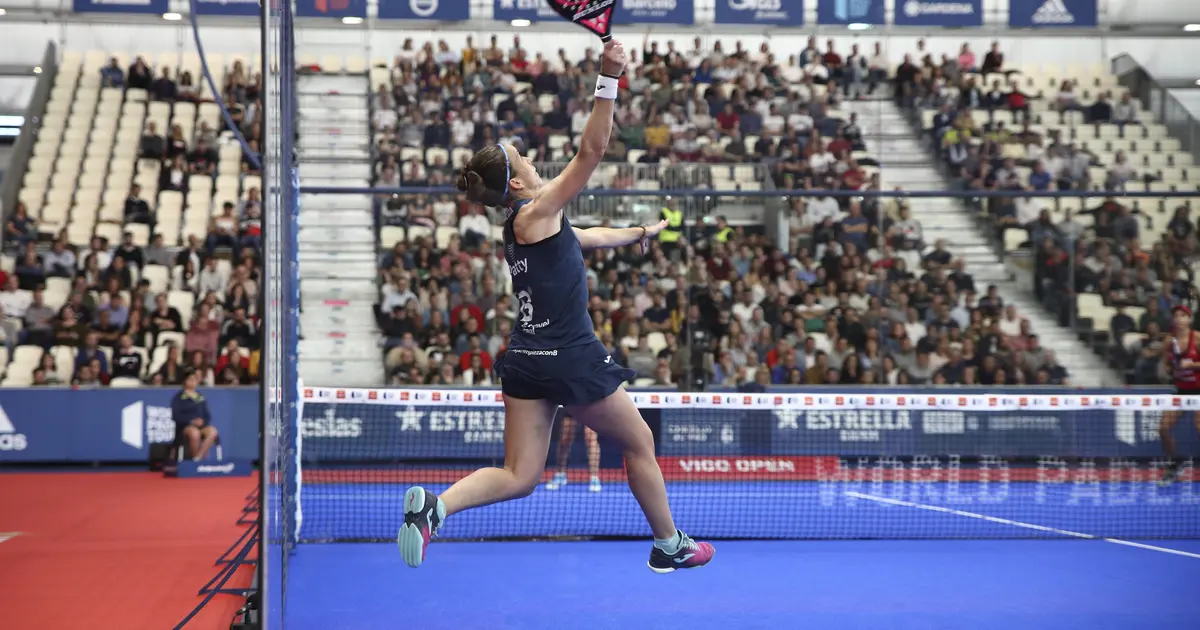
10 Most Common Padel Mistakes — And How to Fix Them
Avoid the 10 most common padel mistakes that beginners and intermediate players make — from hitting too hard off the walls to poor net positioning — with practical fixes for each.
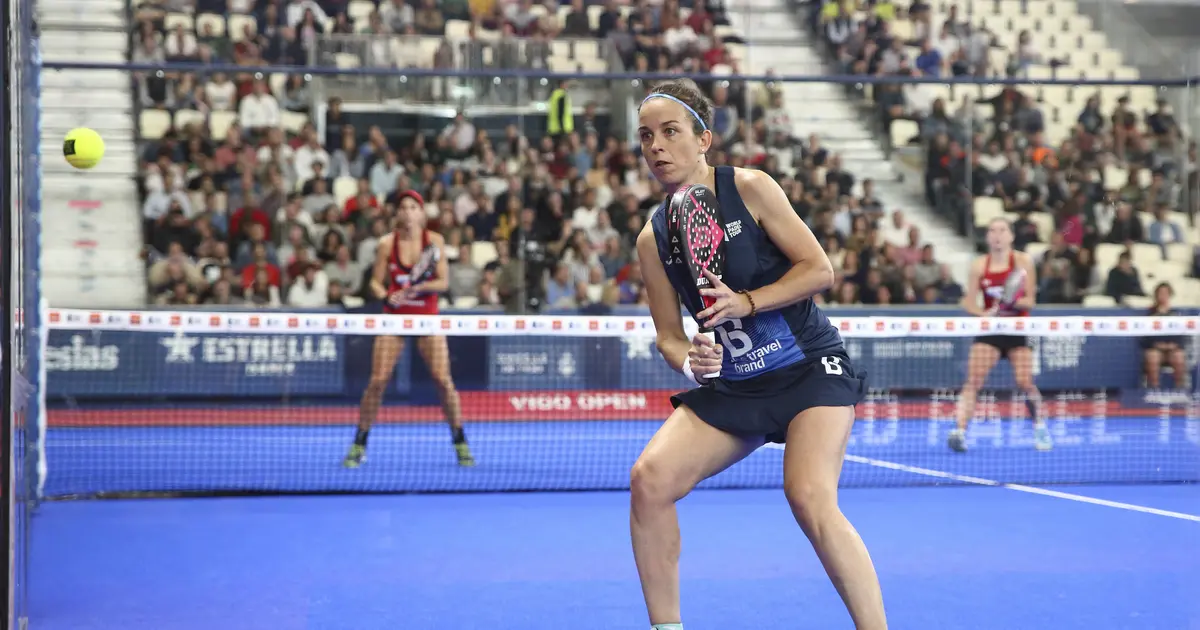
Dominating the Net in Padel — Volley Positioning, Poaching & Overhead Coverage
Learn how to dominate the net in padel with proper volley positioning, when to poach, overhead coverage, and how to maintain net control throughout.
Padel Attack vs. Defence — When to Go for the Winner
Learn the decision-making framework behind padel tactics strategy — when to attack, when to defend, how to read transition moments, and why patience wins more points than aggression.
Padel Concentration Tips — How to Stay Focused During Matches
Improve your padel concentration with practical techniques for point-by-point focus, managing distractions, trigger words, and reading opponents.