 PADEL RULES
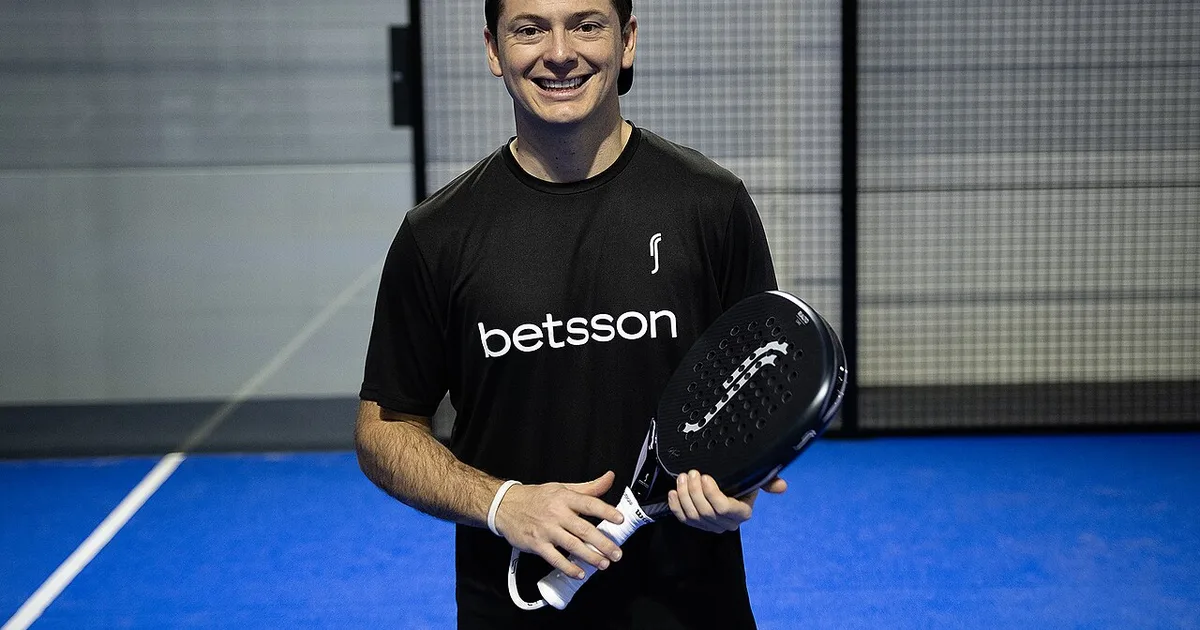
Padel Concentration Tips — How to Stay Focused During Matches
7 min read
Concentration is not about forcing yourself to focus for 90 minutes straight — that is neither realistic nor necessary. In padel, the skill is switching focus on and off: full attention during the point, deliberate relaxation between points, and the discipline to repeat that cycle hundreds of times per match. This guide covers how to build and sustain that rhythm.
The Reality of Concentration in Padel
A typical padel match lasts 60 to 90 minutes. But the ball is actually in play for only a fraction of that time — roughly 20 to 30 minutes in total. The rest is time between points, changeovers, and pauses.
This means you do not need to concentrate constantly. What you need is:
- Intense focus during each point — typically 5 to 15 seconds
- Controlled relaxation between points — 15 to 20 seconds
- The ability to re-engage fully when the next point starts
Players who try to maintain maximum focus throughout the entire match burn out mentally by the second set. Players who drift through points without engaging miss critical cues and make avoidable errors. The sweet spot is rhythmic concentration — on during points, off between them.
Point-by-Point Focus
The most effective concentration strategy in padel is committing to one point at a time. This sounds simple, but it requires deliberate practice.
Before Each Point
As you step to the line — whether serving, returning, or waiting — ask yourself one question: “What am I doing on this point?”
The answer should be specific and actionable:
- “Serve wide and follow to the net”
- “Return deep to the backhand side”
- “Stay patient and lob until we get an opening”
Having a single intention narrows your focus and gives your brain a clear task. Without it, attention becomes scattered across multiple possibilities.
During the Point
Once the ball is in play, shift focus to external cues:
- Watch the ball — track it from your opponent’s racket to yours. This sounds obvious but many players watch the opponent’s body instead of the ball at the moment of contact.
- Read body position — between your own shots, glance at your opponents’ positioning. Are they crowding the net? Are they leaning one way?
- Listen — the sound of the ball on the racket tells you about spin and pace before you see the trajectory.
Internal thoughts during the point — “I should have hit that differently” or “do not miss this” — are concentration killers. If you notice them, use a trigger word to pull yourself back to the ball.
Trigger Words and Cues
Trigger words are short, specific instructions you give yourself to anchor concentration. They work because they replace vague anxiety or self-criticism with a concrete action.
Choosing Your Trigger Words
Pick two or three words or short phrases that address your most common focus lapses:
| Focus Problem | Trigger Word |
|---|---|
| Not watching the ball closely | ”Ball” or “Watch” |
| Rushing shots | ”Smooth” or “Wait” |
| Standing still after hitting | ”Move” or “Recover” |
| Gripping too tight under pressure | ”Soft hands” |
| Forgetting to advance to the net | ”Forward” |
How to Use Them
Say the trigger word quietly to yourself (or in your head) at the moment you need the cue — not before, not after. For example, say “watch” as your opponent prepares to hit, or “move” immediately after you play your shot. The word acts as a switch that directs your attention instantly.
Trigger words lose their power if you use too many or change them constantly. Stick with two or three for several weeks before adjusting.
Between-Point Routines
The 15 to 20 seconds between points is where concentration is managed. Without a routine, this time fills with unhelpful thoughts — replaying the last error, worrying about the score, or noticing the crowd.
A Simple Between-Point Routine
- Physical reset — adjust your strings, bounce the ball, or wipe your hand on your shorts. This physical action signals the end of the previous point.
- Breathe — one slow, deliberate exhale. This lowers your heart rate and clears mental residue from the last point.
- Decide — choose your intention for the next point. One specific thing.
- Engage — step to the line, lock your eyes on the ball or your opponent, and begin.
This routine should become automatic — so habitual that you do it without thinking. It creates a clean mental separation between every point and ensures you start each one fresh.
Dealing with Distractions
Padel courts often sit side by side, with noise from adjacent matches, spectators, wind, and other interruptions. Internal distractions — score anxiety, frustration, fatigue — are equally common.
External Distractions
- Noise from adjacent courts — accept it as part of the environment. If a sudden noise disrupts your serve, stop and restart. You are allowed to reset.
- Spectators — avoid making eye contact with people outside the court during points. Keep your visual focus on the ball and the court.
- Weather — wind and sun are the same for both teams. Adjust quickly (shorter lobs in wind, sun-awareness on overheads) and move on.
Internal Distractions
- Score awareness — knowing the score is fine; obsessing over it is not. Check the score, then immediately shift focus to the next point’s intention.
- Fatigue — when tired, simplify your game. Reduce risk, focus on placement, and use the between-point routine more deliberately to manage energy.
- Partner tension — if your partner is struggling, a short encouraging word refocuses both of you. Do not let their frustration pull your attention away from your own game.
The key principle is acknowledge and redirect. Trying to block out a distraction often amplifies it. Notice it, accept it, and consciously return your attention to something specific — your breathing, your trigger word, or your next tactical intention.
Reading Opponents to Sharpen Focus
Concentration improves when you have something specific to look for. Reading your opponents gives your brain a task during every point:
- Watch their racket preparation — an open face means a slice or lob; a closed face means topspin or a flat drive
- Note their court position — if both opponents are tight to the net, a lob is the obvious play. If one is drifting back, the middle opens up
- Track patterns — does the net player always poach on the second serve? Does the baseline player lob to the same side every time?
Actively reading opponents turns passive watching into engaged analysis, which naturally deepens focus and improves decision-making.
Building Concentration Over Time
Like physical fitness, concentration improves with training:
- Practise your between-point routine in training — do not save it for matches
- Play practice sets with process goals — for example, “use my trigger word on every point for one full set”
- Meditate for 5 to 10 minutes daily — basic mindfulness meditation trains exactly the skill padel requires: noticing when attention wanders and bringing it back
Useful Links
- Padel Mental Game — emotional regulation and resilience on court
- Dealing with Pressure in Padel — performing under pressure in tie-breaks and tournaments
- Net Play Strategy — reading opponents and controlling the net
- Padel Doubles Tactics — team coordination and communication
Stay in the loop
Get padel rule updates and tournament news — no spam.
More in Strategy & Tactics
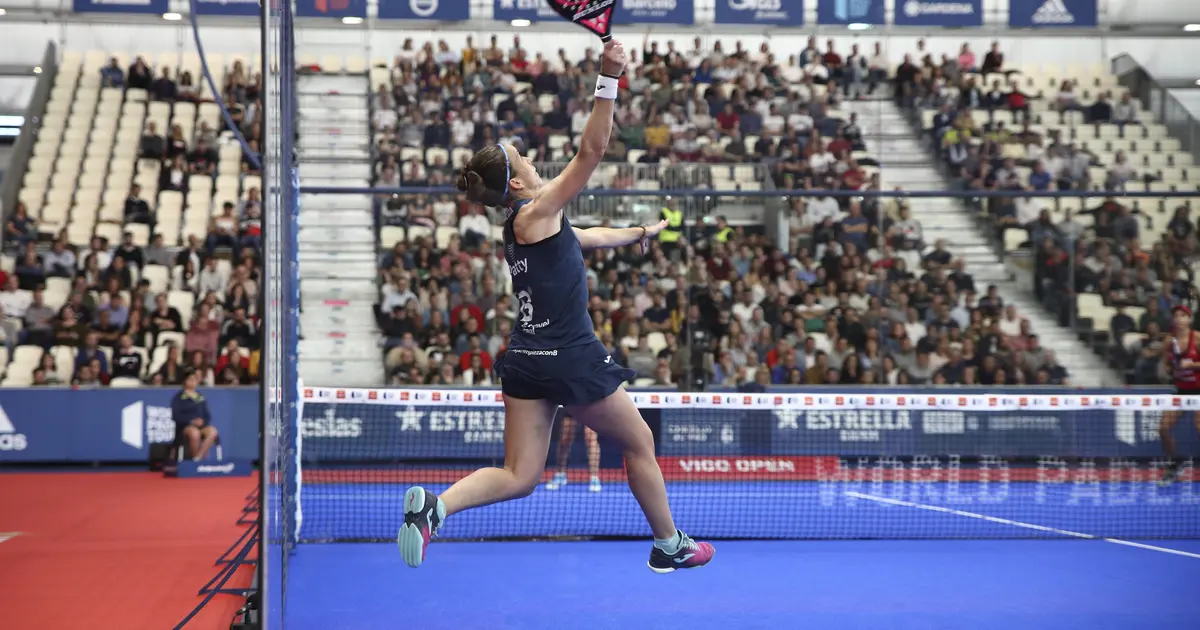
10 Most Common Padel Mistakes — And How to Fix Them
Avoid the 10 most common padel mistakes that beginners and intermediate players make — from hitting too hard off the walls to poor net positioning — with practical fixes for each.
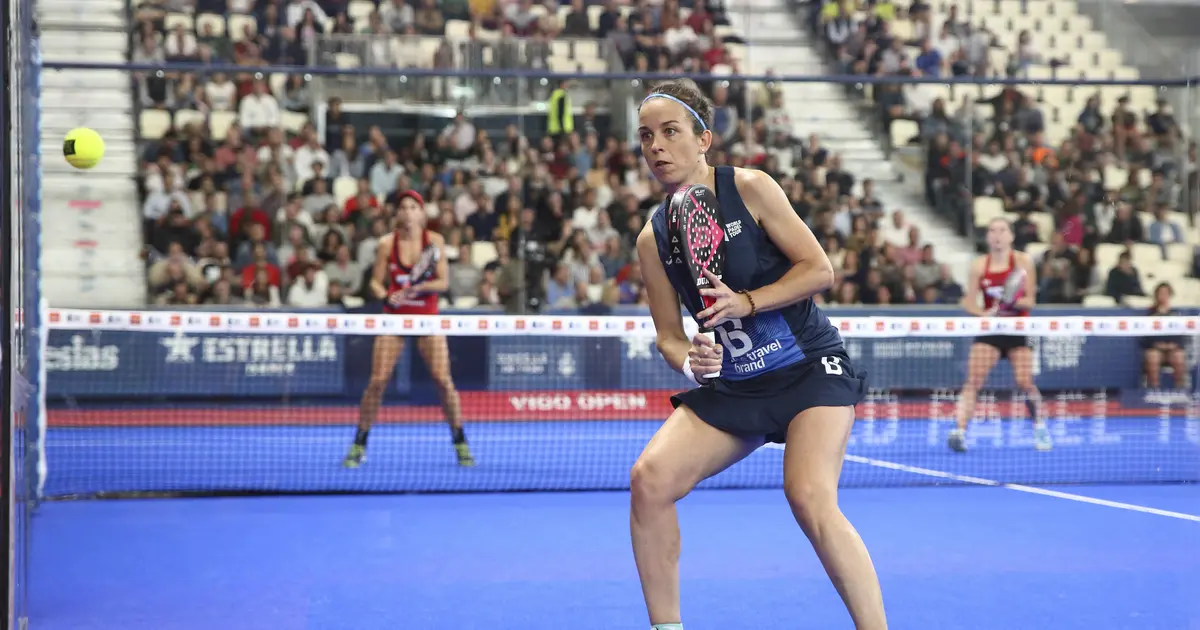
Defensive Padel Play — Glass Walls, Lob Defence & Resetting Points
Master defensive padel tactics including glass wall play, lob defence, and how to reset points when your opponents control the net.
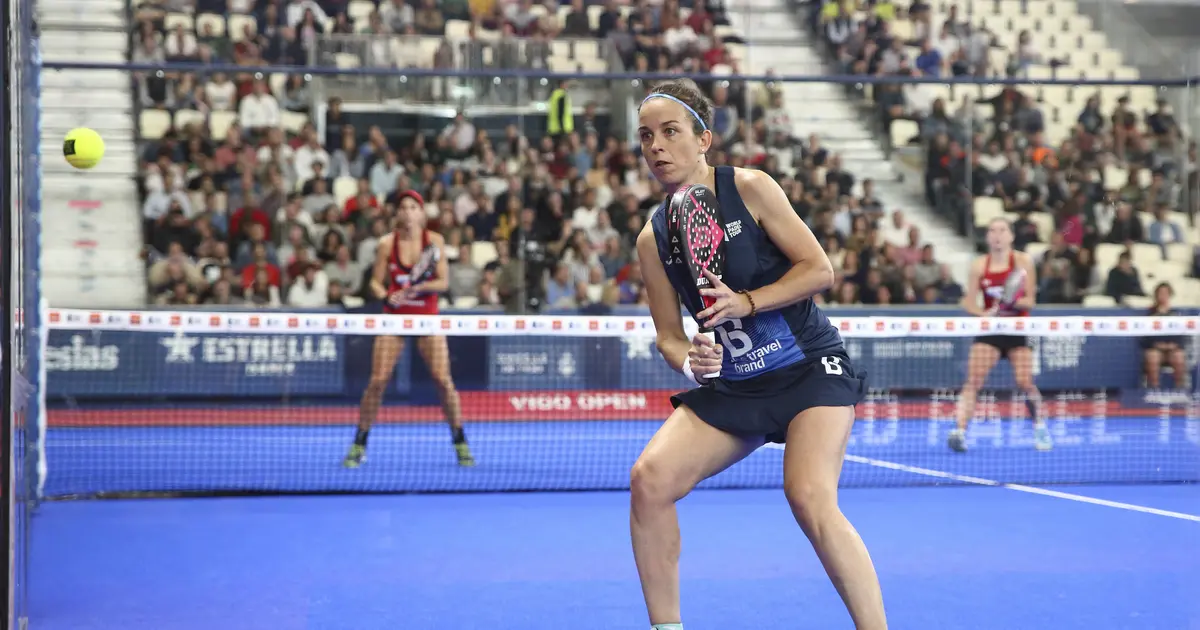
Dominating the Net in Padel — Volley Positioning, Poaching & Overhead Coverage
Learn how to dominate the net in padel with proper volley positioning, when to poach, overhead coverage, and how to maintain net control throughout.
Padel Attack vs. Defence — When to Go for the Winner
Learn the decision-making framework behind padel tactics strategy — when to attack, when to defend, how to read transition moments, and why patience wins more points than aggression.