 PADEL RULES
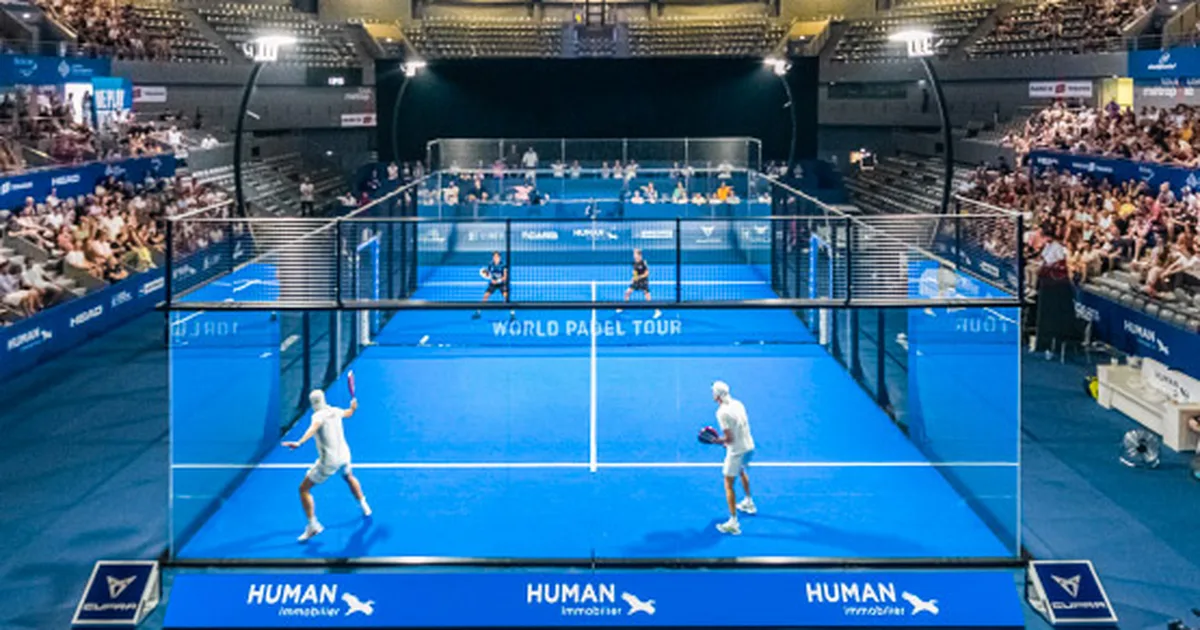
Dealing with Pressure in Padel — Tie-Breaks, Match Points & Tournament Play
8 min read
Pressure is the defining feature of competitive padel. The technique you display in relaxed practice means little if it disappears when the score tightens. Learning to perform under pressure is a skill — not a talent — and it can be developed with the right strategies and deliberate practice. This guide covers the specific mental and tactical tools for handling tie-breaks, match points, and tournament environments.
Understanding Pressure
Pressure is not caused by the score. It is caused by the meaning you attach to the score. A point at 6-6 in the tie-break is physically identical to a point at 2-1 in the first set — the court is the same size, the ball is the same weight, and the rules have not changed.
What changes is your perception. Your brain identifies the situation as high-stakes, which triggers a physiological response:
- Heart rate increases — making you feel rushed
- Muscles tighten — reducing fluidity and touch
- Vision narrows — causing you to miss peripheral cues
- Decision-making shifts — from process (“play deep to the backhand”) to outcome (“I must not lose this point”)
Recognising these symptoms is the first step to managing them. Pressure is not something to eliminate — it is something to navigate.
Breathing Under Pressure
Breathing is the single most accessible tool for managing your physiological response to pressure. Unlike your heart rate or muscle tension, breathing is something you can control directly.
Box Breathing
Used by military and elite athletes, box breathing regulates the nervous system quickly:
- Inhale through your nose for 4 seconds
- Hold for 4 seconds
- Exhale slowly through your mouth for 4 seconds
- Hold for 4 seconds
One or two cycles between points is enough to lower your heart rate and reduce muscle tension. Practice this off court so it becomes automatic when you need it.
The Long Exhale
If box breathing feels too structured during a match, use a simpler technique: take a normal breath in, then exhale slowly for 6 to 8 seconds through your mouth. The extended exhale activates your parasympathetic nervous system — the body’s natural calming mechanism.
Do this as you walk back to position between points. It takes less than 10 seconds and is invisible to anyone watching.
Tie-Break Mentality
Tie-breaks compress pressure into a short, high-stakes format where every point carries visible weight. Here is how to navigate them:
Stick to What Worked
The tie-break is not the time for a new strategy. If you reached 6-6, your game plan worked well enough to get there. Continue doing what brought you to this point:
- If you have been serving wide effectively, keep serving wide
- If your lobbing has been pushing opponents back, keep lobbing
- If your net play has been dominant, stay aggressive at the net
Pressure tempts players to become conservative — hitting softer, aiming for the middle, avoiding risk. In padel, this passivity often backfires because it surrenders the initiative and lets opponents dictate.
Win the First Point
Research across racket sports shows that the player or team winning the first point of a tie-break wins the tie-break more often than not. This is partly statistical and partly psychological — winning the first point builds confidence and puts your opponents on the back foot.
Make your first point plan specific: a well-placed serve followed by an aggressive first volley, or a deep return targeting the weaker player.
Play in Pairs of Points
Tie-breaks alternate serves every two points. Think in two-point blocks rather than individual points:
- On your two service points, aim to win at least one — play your strongest serve patterns
- On their two service points, apply return pressure — even winning one point from the return is a major gain
This framing prevents the feeling of falling behind on every lost point.
Match Points
Match points — both for you and against you — create the most intense pressure moments in padel.
When You Have Match Point
Commit fully to your plan. The most common error on match point is hesitation — half-committing to a shot, pulling back on a smash, or second-guessing your serve placement. Decide what you will do and execute it with conviction, even if it is a simple play.
Avoid the spectacular. This is not the moment for a trick shot or a high-risk winner. Play your most reliable patterns. A well-placed serve to a consistent target, followed by solid net play, wins more match points than hero shots.
Accept that you may need more than one. Many match points are not converted on the first attempt. This is normal. If you lose the first, reset fully and approach the next one the same way.
When You Are Facing Match Point
Simplify aggressively. Paradoxically, facing match point is often easier mentally because the pressure is on the other team. Use this to your advantage — play freely, commit to your shots, and put the pressure back on them to close.
Target their tension. Your opponents are likely feeling pressure too. A deep return that forces them to play from the baseline, or a lob that makes them hit an awkward overhead, tests their composure at the worst possible moment.
Win one point at a time. Do not think about clawing back from match point down to winning the set. Think only about the next point. Then the next. Momentum shifts are real in padel — one saved match point can unravel the other team’s confidence completely.
Tournament-Specific Pressure
Tournament padel carries additional pressure layers beyond the score:
- Unfamiliar opponents — you may not know their patterns or tendencies
- Spectators — even small crowds add performance anxiety
- Consequences — elimination matches carry weight that practice does not
- Scheduling — waiting hours between matches creates anxiety
Managing Tournament Pressure
Scout briefly. If possible, watch your opponents play a few points before your match. Even basic observations — who is left-handed, who plays the forehand side, who has a weaker overhead — give you useful information and reduce the unknown.
Control your environment. Between matches, stay hydrated, eat light, and avoid over-analysing upcoming opponents. Have a routine for the time between matches — listen to music, walk, stretch, or sit quietly. The key is consistency.
Set tournament-wide process goals. Instead of “reach the semi-finals,” set goals like “execute my between-point routine in every match” or “communicate with my partner after every game.” These goals are achievable regardless of results and keep your focus internal.
Reframe elimination. Every match is an opportunity to practise performing under pressure. Whether you win or lose, the experience of playing tournament padel builds the mental database you draw from in future pressure situations.
Playing Big Points
Certain points carry disproportionate weight throughout a match — not just in tie-breaks. Learning to identify and execute on these points is a competitive advantage.
High-Leverage Points
- 30-30 on anyone’s serve — the next point creates either game point or break point
- Deuce points — especially after multiple deuces, when momentum is shifting
- First point of a game after a break — consolidating a break or responding to losing serve
- The return game at 5-4 or 4-5 — when one team is serving for the set
How to Play Them
- Recognise the moment — awareness alone sharpens focus
- Choose your highest-percentage play — not the most aggressive, but the most reliable
- Commit without hesitation — doubt causes more errors than poor technique on big points
- Accept the outcome — whether you win or lose the point, reset and move on immediately
Building Pressure Tolerance
Pressure performance improves with exposure. Incorporate pressure into your regular training:
- Play tie-break sets in practice — first to 7 points, every session
- Start games from 0-30 or 15-30 to simulate pressure serving
- Add consequences — losing team buys drinks, does fitness exercises, or picks up all the balls
- Play practice tournaments — even informal ones — to build familiarity with the competitive format
The goal is to make pressure feel familiar rather than exceptional. The more often you experience tie-break tension in training, the less novel it feels in competition.
Useful Links
- Padel Mental Game — emotional regulation and composure on court
- Concentration Tips for Padel — maintaining focus point by point
- Serve Strategy — tactical serving under pressure
- Return of Serve Tactics — putting pressure on the server
Stay in the loop
Get padel rule updates and tournament news — no spam.
More in Strategy & Tactics
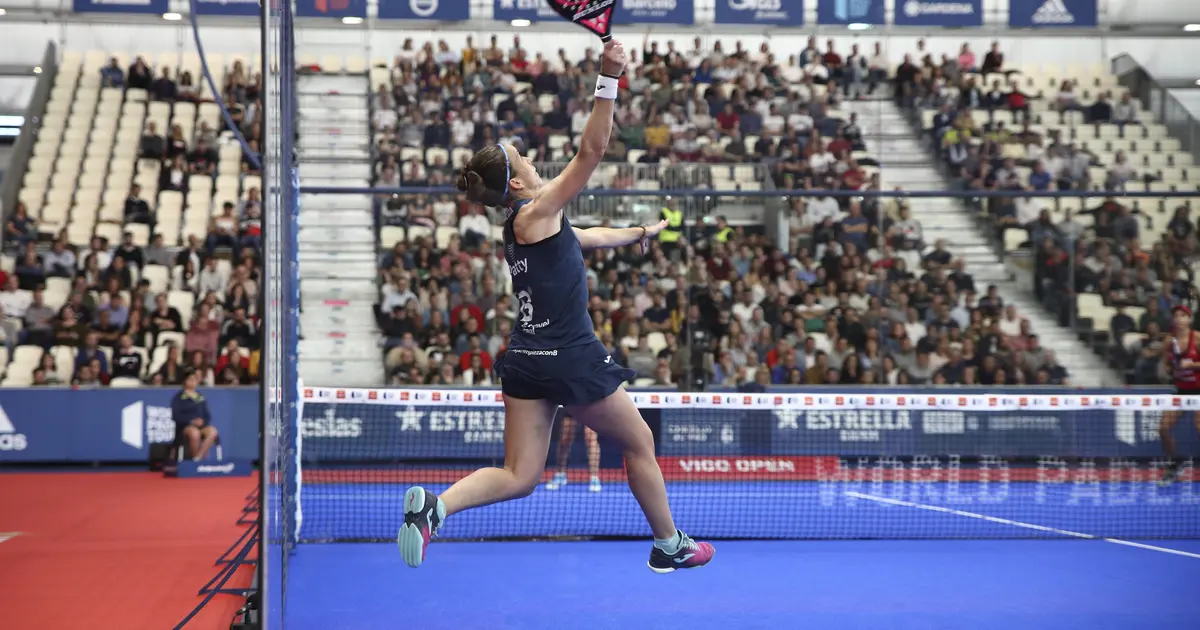
10 Most Common Padel Mistakes — And How to Fix Them
Avoid the 10 most common padel mistakes that beginners and intermediate players make — from hitting too hard off the walls to poor net positioning — with practical fixes for each.
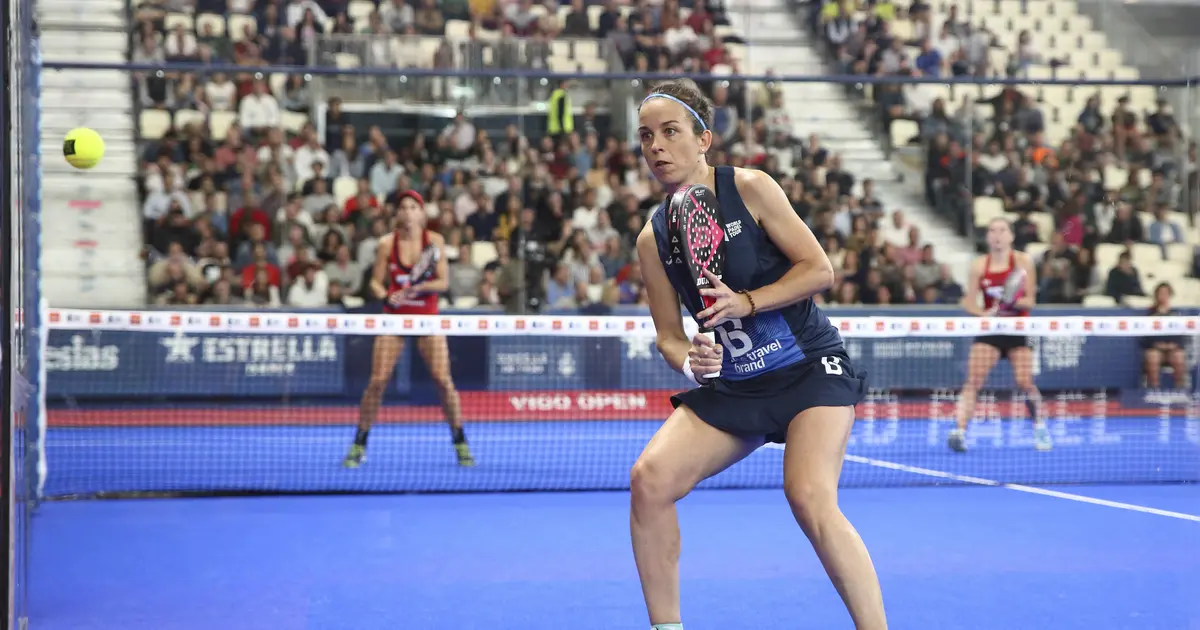
Defensive Padel Play — Glass Walls, Lob Defence & Resetting Points
Master defensive padel tactics including glass wall play, lob defence, and how to reset points when your opponents control the net.
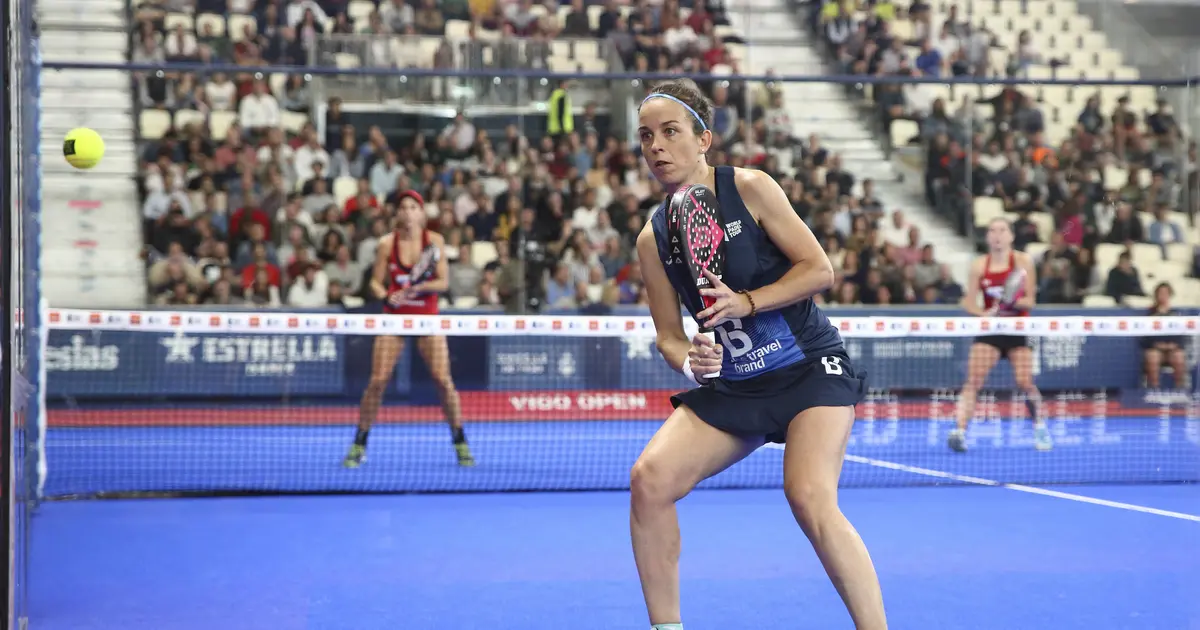
Dominating the Net in Padel — Volley Positioning, Poaching & Overhead Coverage
Learn how to dominate the net in padel with proper volley positioning, when to poach, overhead coverage, and how to maintain net control throughout.
Padel Attack vs. Defence — When to Go for the Winner
Learn the decision-making framework behind padel tactics strategy — when to attack, when to defend, how to read transition moments, and why patience wins more points than aggression.