 PADEL RULES
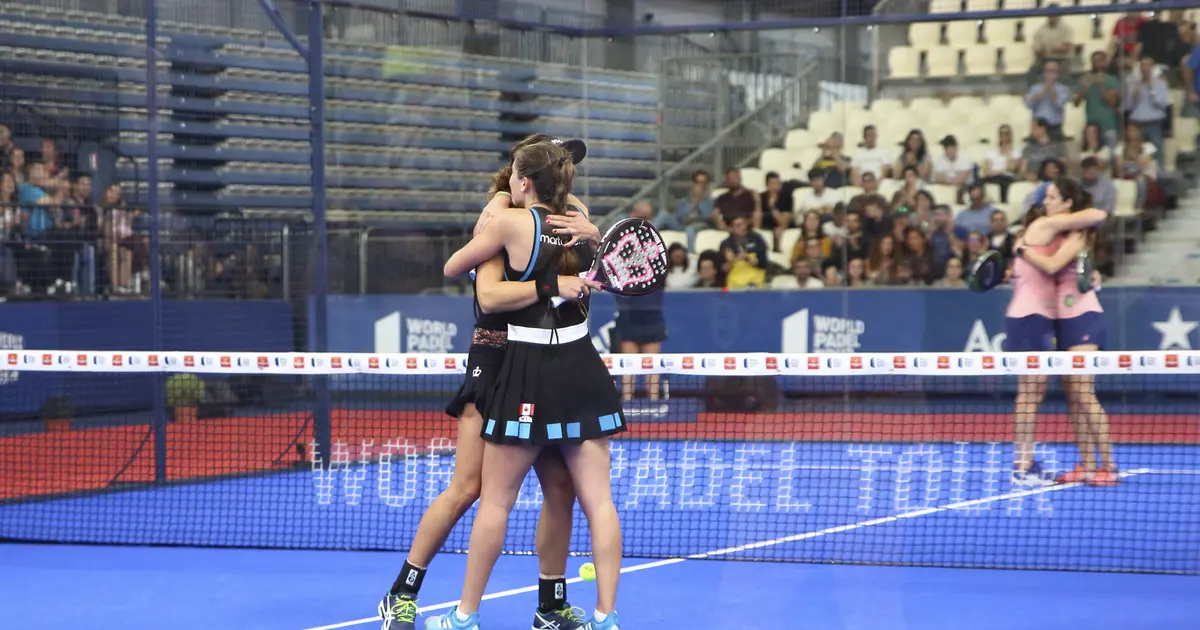
Padel Return of Serve Tactics — Aggressive, Defensive & Positioning
5 min read
The return of serve in padel is one of the most important shots in the game. The receiving team already has one player at the net — a good return can immediately put the serving team on the defensive and hand the initiative to the returner’s side.
Why the Return Matters
The serving team starts every point with a structural disadvantage in padel: the server is at the baseline while the receiver’s partner is already at the net. A strong return exploits this by:
- Keeping the server pinned at the back of the court
- Creating a weak third ball that the net player can intercept
- Allowing the returner to advance to the net alongside their partner
A poor return — short, high, or down the middle — lets the server’s partner volley aggressively and erases the receiving team’s positional advantage.
Return Positioning
Where to Stand
Position yourself approximately one metre behind the service line, slightly toward the side you expect the serve. This gives you:
- Enough time to react to pace and spin
- The ability to step forward for short or weak serves
- A natural angle to play cross-court returns
Reading the Server
Watch the server’s body position and toss:
- Open stance with racket across the body — likely a slice serve
- Toss slightly to the right (for right-handers) — probable wide serve
- Quick, compact motion — flat serve with pace
Anticipation saves you a full step of reaction time.
Aggressive Returns
Use aggressive returns when the serve is weak or predictable.
The Cross-Court Drive
Hit the ball low and hard cross-court, aiming at the net player’s feet or just past them. This return:
- Forces the net player to volley up, creating a weak ball
- Passes through the most court space (diagonal is the longest line)
- Gives you time to advance forward after hitting
The Down-the-Line Surprise
Occasionally drive the return down the line, past the net player. This is high-risk but effective when:
- The net player is leaning toward the centre (anticipating cross-court)
- You have a clean forehand on a short serve
- You need to break a pattern and keep the net player honest
The Chiquita
A soft, low return played with backspin that drops at the feet of the net player or into the gap between server and net player. The chiquita is ideal when:
- You are close to the service line and can take the ball early
- The net player is positioned slightly back
- You want to draw the net player forward and create space behind them
Defensive Returns
Use defensive returns when the serve pushes you deep or jams your body.
The Cross-Court Lob
The safest and often most effective return in padel. A deep lob over the net player:
- Forces the server’s partner to retreat from the net
- Gives the returning team time to organise both players at the net
- Often results in the serving team playing from a defensive position
Aim the lob deep enough to hit the back glass — if it lands short, the net player can smash.
The Deep Slice Return
A slower, controlled return played deep to the server. This keeps the server at the baseline without taking a risk. Use when:
- The lob is too risky (windy conditions, low ceiling)
- You need time to recover your position
- The server has a weak approach game and will stay back
The Body Return
Returning the ball straight at the server’s body forces them to make an awkward shot from a cramped position. This is especially effective against servers who do not move well laterally after serving.
Covering the Lob — Returner’s Partner
While the returner focuses on the serve, the returner’s partner at the net has a critical role:
- Stay alert for the poach — if the return is strong, look to intercept the server’s third shot
- Cover the lob over your head — if the server lobs, switch sides with your partner
- Communicate — call out the serve direction and any movement from the server’s partner
The returner’s partner should not be a passive spectator. Active net play after a good return wins many free points.
Return Patterns by Situation
| Serve Type | Recommended Return |
|---|---|
| Weak, short serve | Aggressive cross-court drive or chiquita |
| Deep slice serve | Lob over net player or deep slice back |
| Body serve | Block return cross-court, aim low |
| Wide serve | Lob cross-court to buy time and recover position |
| Fast flat serve | Compact block return to the centre — keep it in play |
Common Return Mistakes
Trying to win the point on the return. The return does not need to be a winner — it needs to be good enough to keep the initiative or neutralise the server’s advantage. Low-percentage winners from the return lead to easy points for the serving team.
Standing too deep. Returning from well behind the service line makes it harder to take the ball early and reduces your angles. Step into the court when you can.
Ignoring the net player. If you always return cross-court, the net player will start poaching. Mix in lobs and down-the-line returns to keep them honest.
Not following the return forward. After a good return, advance to the net. Staying at the baseline after a strong return wastes the advantage you created.
Useful Links
- Serve Tactics — the server’s perspective
- The Chiquita — technique guide for the soft drop return
- The Lob — master the most important defensive shot
- Padel Doubles Tactics — full doubles strategy guide
- Position of Players — FIP positioning rules
Stay in the loop
Get padel rule updates and tournament news — no spam.
More in Strategy & Tactics
10 Most Common Padel Mistakes — And How to Fix Them
Avoid the 10 most common padel mistakes that beginners and intermediate players make — from hitting too hard off the walls to poor net positioning — with practical fixes for each.
Defensive Padel Play — Glass Walls, Lob Defence & Resetting Points
Master defensive padel tactics including glass wall play, lob defence, and how to reset points when your opponents control the net.
Dominating the Net in Padel — Volley Positioning, Poaching & Overhead Coverage
Learn how to dominate the net in padel with proper volley positioning, when to poach, overhead coverage, and how to maintain net control throughout.
Padel Attack vs. Defence — When to Go for the Winner
Learn the decision-making framework behind padel tactics strategy — when to attack, when to defend, how to read transition moments, and why patience wins more points than aggression.