 PADEL RULES
10 Most Common Padel Mistakes — And How to Fix Them
7 min read
Every padel player makes mistakes — but some mistakes are far more common than others, especially at the beginner and intermediate level. Fixing these ten errors will immediately improve your game and make you a more effective doubles partner.
1. Trying to Hit Winners from the Baseline
The mistake: Swinging hard from the back of the court, trying to hit the ball past the net players.
Why it does not work: In padel, the walls keep the ball in play. A hard shot from the baseline that does not find a perfect angle will bounce off the glass and come back — often as an easy ball for the opponents. The net players are positioned to intercept anything that comes through at medium height.
The fix: From the baseline, focus on the lob as your primary weapon. A deep, high lob forces opponents off the net and gives you the chance to advance. Save aggressive shots for when you are at the net.
2. Not Moving to the Net
The mistake: Staying at the baseline for the entire point, even when opportunities to advance arise.
Why it does not work: The team at the net wins approximately 70–80% of points in organised padel. Staying at the back concedes this advantage permanently.
The fix: After every good lob or deep shot that pushes opponents back, advance to the net with your partner. You do not need to rush — two or three steps forward after a well-placed lob is enough. The key is moving together.
3. Splitting the Court — One Up, One Back
The mistake: One player stands at the net while their partner stays at the baseline, leaving a gap in the middle.
Why it does not work: The split formation leaves the middle of the court exposed. Net opponents can volley easily through the gap or angle wide past either player.
The fix: Move as a unit. Both players should be at the net together or at the baseline together. If one player is forced back, the other should communicate and either join them or hold a specific position with a clear plan.
4. Rushing the Ball off the Glass
The mistake: Swinging at the ball while it is still travelling toward the glass, or hitting it immediately as it comes off the wall.
Why it does not work: Hitting the ball too early off the glass means your body is out of position and your swing is cramped. The timing is different from a normal groundstroke, and rushing it produces weak, misdirected shots.
The fix: Let the ball go to the glass. Step back, let it rebound, and then play the ball as it comes out to a comfortable distance from the wall. You have more time than you think — the glass slows the ball down significantly.
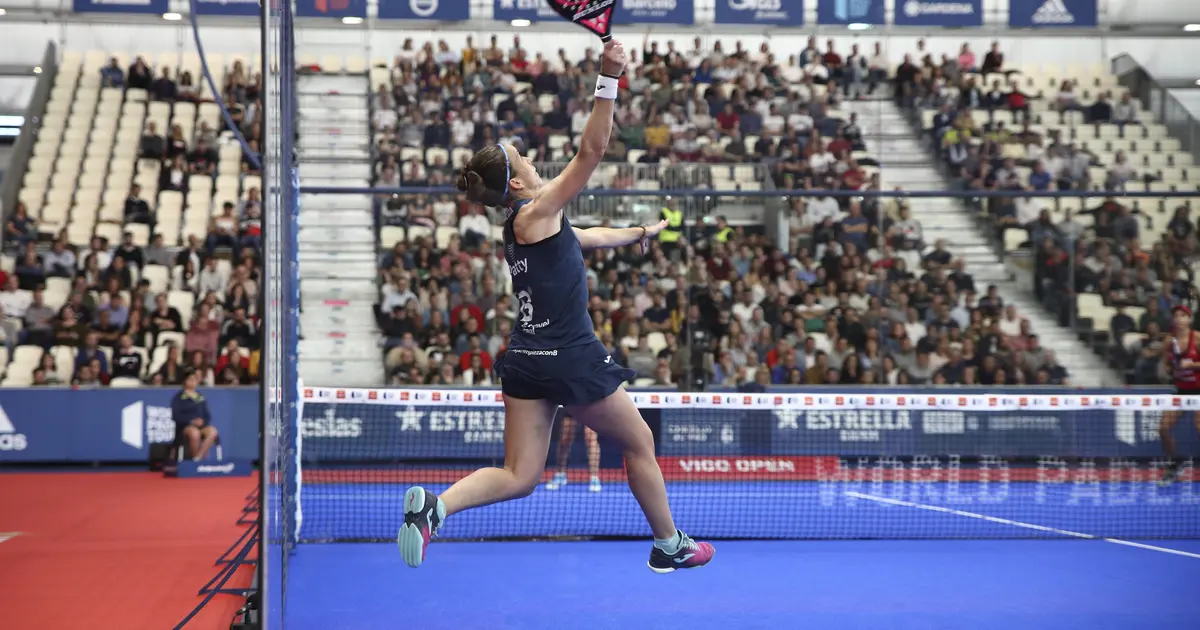
5. Smashing Everything
The mistake: Attempting a full-power smash on every high ball, regardless of position or the quality of the lob.
Why it does not work: In padel, a hard smash often hits the back glass and rebounds as an easy ball for opponents. The ball stays in play — unlike tennis, where a smash can be an outright winner.
The fix: Use the bandeja (sliced overhead) as your default overhead shot. The bandeja keeps the ball low, maintains your net position, and is far more consistent. Save the smash for short balls that you can angle sharply downward past the service line.
6. Ignoring the Lob
The mistake: Never lobbing, or only lobbing as a last resort when in trouble.
Why it does not work: Without the lob, opponents can camp at the net indefinitely, knowing they will never be forced back. This removes your best defensive and transitional weapon.
The fix: Make the lob a regular part of your game, not just an emergency shot. Lob proactively to move opponents off the net. Aim deep, cross-court, and follow it forward. The lob should be one of your most-used shots.
7. Serving Without a Plan
The mistake: Hitting the same serve every time without thinking about placement, spin, or the returner’s position.
Why it does not work: A predictable serve lets the returner groove a comfortable return. Even though the padel serve is underarm and limited in power, placement variety creates pressure.
The fix: Vary your serve — aim at the body, down the T, or wide. Use slice to keep the ball low. Watch where the returner stands and adjust. A simple plan (“body serve first, wide serve second”) is better than no plan at all.
8. Standing Too Close to the Net
The mistake: Positioning yourself 1–2 metres from the net, leaving no time to react and making lobs easy for opponents.
Why it does not work: Standing too close gives you zero reaction time for hard-hit balls and makes any lob pass over your head. You become a target rather than a threat.
The fix: Stand 3–4 metres from the net, roughly at the service box line. This gives you time to react to volleys, reach overheads, and still put away balls above the net.
9. Not Communicating with Your Partner
The mistake: Playing in silence — never calling shots, never signalling, never discussing tactics between points.
Why it does not work: Padel doubles requires constant coordination. Without communication, balls down the middle go untouched, poaching attempts create chaos, and frustration builds from unspoken expectations.
The fix: Start with the basics: call “mine” or “yours” on every ball that could go to either player. Use hand signals for poaching. Between points, share one observation or adjustment. Communication does not need to be complex to be effective.
10. Playing with Too Much Tension
The mistake: Gripping the racket tightly, playing with stiff arms, and trying to muscle every shot.
Why it does not work: Tension reduces racket head speed, limits your touch and feel, and tires you out faster. Padel rewards finesse and placement over brute force.
The fix: Hold the racket with a relaxed grip — firm enough not to lose it, loose enough that you can feel the ball on the strings. Focus on a smooth, controlled swing rather than maximum power. Your shots will be more accurate and you will last longer in matches.
Quick Reference
| Mistake | Fix |
|---|---|
| Hitting winners from baseline | Lob and advance to the net |
| Staying at the baseline | Move forward after good lobs |
| One up, one back | Move as a unit |
| Rushing the glass | Let the ball rebound, then hit |
| Smashing everything | Default to the bandeja |
| Ignoring the lob | Lob regularly and proactively |
| Same serve every time | Vary placement and spin |
| Too close to the net | Stand 3–4 metres back |
| Not communicating | Call “mine/yours,” use signals |
| Too much tension | Relax your grip and swing |
Useful Links
- How to Play Padel — complete beginner guide
- Padel Doubles Tactics — doubles strategy fundamentals
- The Bandeja — the overhead you should use most
- The Lob — technique guide for padel’s key defensive shot
- Partner Communication — how to talk to your doubles partner
- How to Improve at Padel — structured improvement plan
Related Strategy Guides
Stay in the loop
Get padel rule updates and tournament news — no spam.
More in Strategy & Tactics

Advanced Padel Tactics — How to Break Through the Intermediate Plateau
Master advanced padel tactics to break the intermediate plateau. Net positioning, glass play, lob management, shot selection, and communication explained.
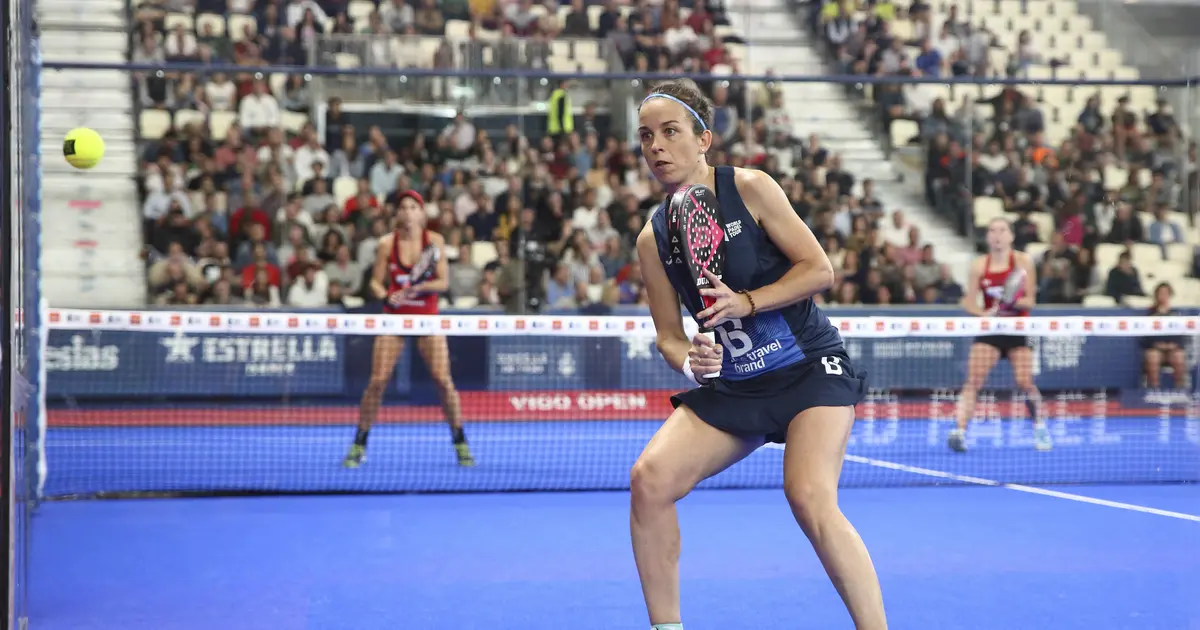
Defensive Padel Play — Glass Walls, Lob Defence & Resetting Points
Master defensive padel tactics including glass wall play, lob defence, and how to reset points when your opponents control the net.
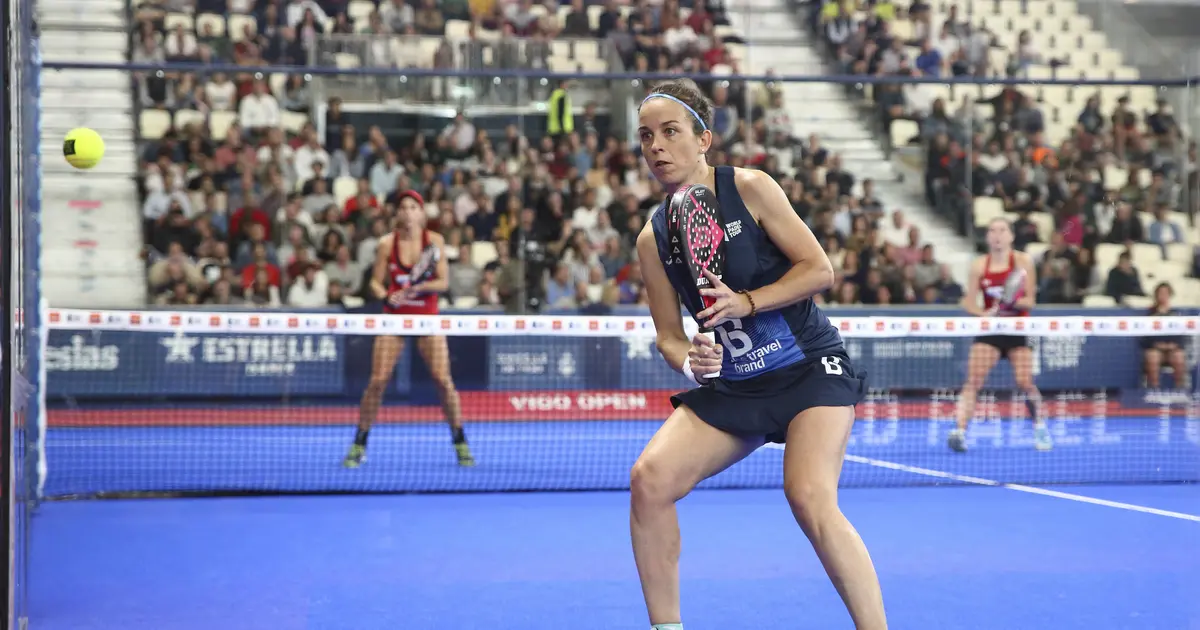
Dominating the Net in Padel — Volley Positioning, Poaching & Overhead Coverage
Learn how to dominate the net in padel with proper volley positioning, when to poach, overhead coverage, and how to maintain net control throughout.
Padel Attack vs. Defence — When to Go for the Winner
Learn the decision-making framework behind padel tactics strategy — when to attack, when to defend, how to read transition moments, and why patience wins more points than aggression.