 PADEL RULES
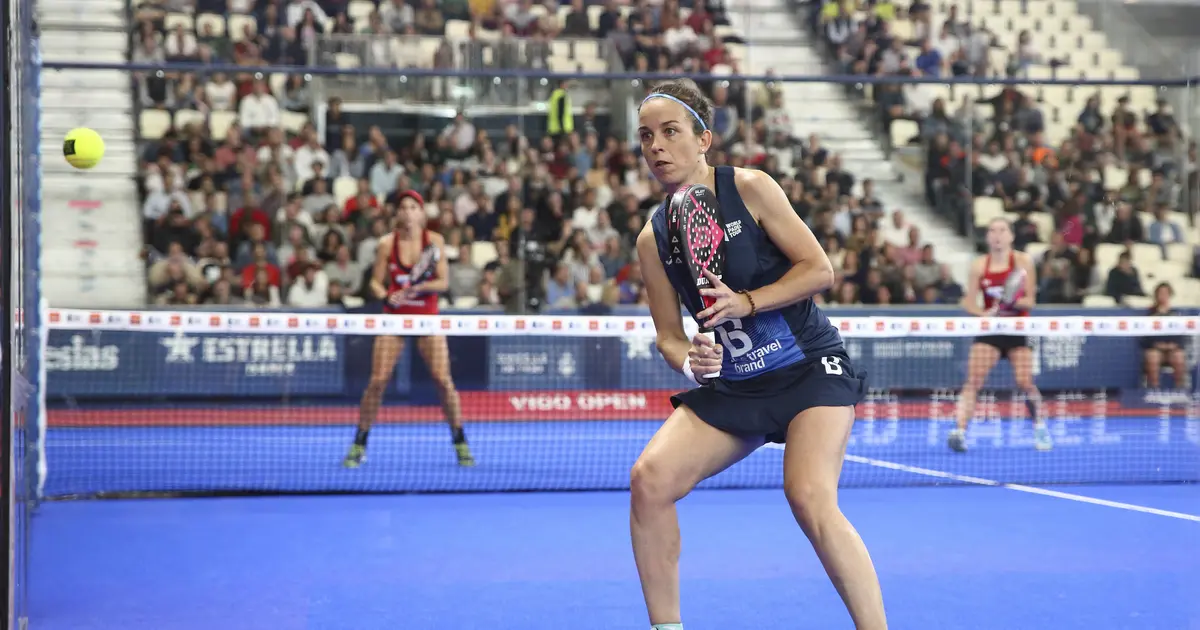
Communication and Teamwork in Doubles Padel — How to Play as a Unit
6 min read
Padel is always played in doubles, and the partnership between two players is often the deciding factor in a match. Two individually skilled players who do not communicate will lose to a well-coordinated pair with weaker individual skills. This guide covers the essential elements of padel doubles communication and teamwork.
Why Communication Decides Matches
In padel, both players on a team share a small court (10m x 20m). Every shot by one player affects the other’s position. Without communication:
- Balls down the middle go untouched — both players assume the other will take it
- Poaching attempts leave gaps that opponents exploit
- One player advances while the other stays back, creating a split formation
- Frustration builds from repeated misunderstandings
Communication solves all of these problems. It does not need to be complex — a few key calls at the right moment are enough.
Essential Calls During a Point
Shot Ownership
The most important call is the simplest: “mine” or “yours”. Call it early and clearly, especially for:
- Balls down the middle
- Lobs that could go to either player
- Balls coming off the glass that travel across the court
The general rule: the player with the forehand on a middle ball takes it (since the forehand is usually stronger). But this must be agreed with your partner in advance.
Lob Alerts
When you see a lob coming, call it immediately:
- “Lob!” — warns your partner that a high ball is coming
- “Yours!” — if the lob is on their side
- “Switch!” — if the lob passes over you and you need to swap sides
The earlier the call, the more time your partner has to adjust.
Advance and Retreat
When the right moment comes to move forward or fall back:
- “Up!” or “Let’s go!” — signals both players to advance to the net
- “Back!” — both players retreat to the baseline
- “Stay!” — hold your current position, do not advance yet
These calls prevent the dangerous split position where one player is at the net and the other at the baseline.
Non-Verbal Communication
Hand Signals
Before each serve (when your team is serving), the net player shows a hand signal behind their back:
| Signal | Meaning |
|---|---|
| Closed fist | ”I will poach — I’m crossing to intercept the return” |
| Open hand | ”I’m staying on my side” |
| Pointing left/right | ”Serve to this side” |
These signals must be agreed upon before the match. Professionals use variations, but these three cover most situations.
Eye Contact
A quick glance at your partner between points communicates more than words. Use it to:
- Confirm you are both ready
- Acknowledge a good play
- Signal a tactical adjustment (“I’m going to poach next time”)
Body Position
Your partner can read your intentions from your body:
- Leaning toward the centre signals you may poach
- Stepping back signals you expect a lob
- Moving forward signals you see an opportunity to advance
Between Points — Tactical Adjustments
The time between points is when real strategy happens. Use these moments to discuss:
Patterns Observed
- “They always return cross-court — I’ll poach next time”
- “The server is going wide every time on the deuce side”
- “Their backhand overhead is weak — lob to that side”
Adjustments Needed
- “Let’s stay back after the serve — their returns are too good”
- “I’ll take the middle balls — my forehand is working today”
- “We need to lob more — they’re dominating the net”
Encouragement
This is often overlooked but critical. Between points:
- After a partner’s error: “No worries, next one” — never criticise mid-match
- After a good play: A fist bump or “great shot” reinforces confidence
- When losing: “We’re playing well, keep going” — morale wins tight sets
Positioning as Communication
Good positioning is a form of non-verbal communication. When both players understand positioning principles, they need fewer verbal calls.
Moving as a Unit
Both players should maintain roughly 4–5 metres distance from each other, shifting together as the ball moves:
- Ball goes left → both shift left
- Ball goes right → both shift right
- Both advance together, both retreat together
When you see your partner moving, mirror their movement. This keeps the court covered without needing to call every adjustment.
Covering the Middle
The middle of the court is the most vulnerable zone. An implicit understanding should exist:
- The player whose forehand covers the middle takes those balls
- If both have forehands on the middle (one left-handed, one right-handed), the stronger volleyer covers it
- When in doubt, the player closer to the net takes priority
Building a Partnership
Complementary Skills
The best padel partnerships combine different strengths:
- A strong net player with a solid defensive baseliner
- A power player with a touch player
- An aggressive poacher with a steady covering partner
Identical playing styles can work, but variety makes you harder to read and defend against.
Managing Frustration
Every partnership has moments of frustration. Ground rules help:
- Never criticise during a point — focus on the next ball
- Discuss errors between games, not between points — during changeovers
- Own your mistakes — “my fault” defuses tension immediately
- Focus on what to do, not what went wrong — “let’s lob more” is better than “stop hitting it into the net”
Practice Communication
Dedicated practice with your partner improves communication more than playing matches:
- Play practice sets focused on calling every ball (“mine/yours”)
- Practice poaching with hand signals for 15 minutes before a match
- Play points where one player directs all tactical decisions — then switch roles
Common Communication Mistakes
Staying silent. The number one mistake. Even a basic “mine” on middle balls prevents most coordination errors.
Calling too late. A call after the ball arrives is useless. Call as soon as you read the opponent’s shot, not when the ball is already at your feet.
Over-coaching your partner. There is a difference between tactical discussion and constant instruction. Padel should be fun — find the balance between strategy and enjoyment.
Blaming your partner. Even if your partner makes an error, expressing frustration hurts the team more than the lost point. The best players in the world miss shots — support your partner.
Useful Links
- Padel Doubles Tactics — full doubles strategy guide
- Net Play Strategy — coordinating at the net
- Defensive Tactics — coordinating baseline defence
- How to Improve at Padel — general improvement tips
- Court Etiquette — communication expectations on court
Stay in the loop
Get padel rule updates and tournament news — no spam.
More in Strategy & Tactics
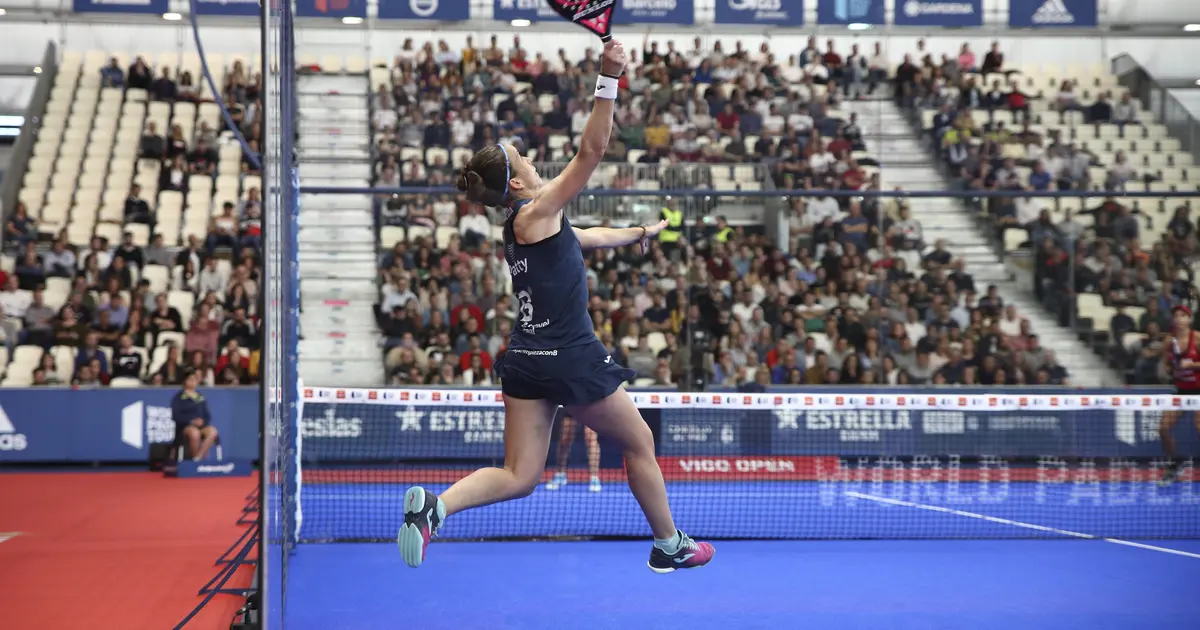
10 Most Common Padel Mistakes — And How to Fix Them
Avoid the 10 most common padel mistakes that beginners and intermediate players make — from hitting too hard off the walls to poor net positioning — with practical fixes for each.
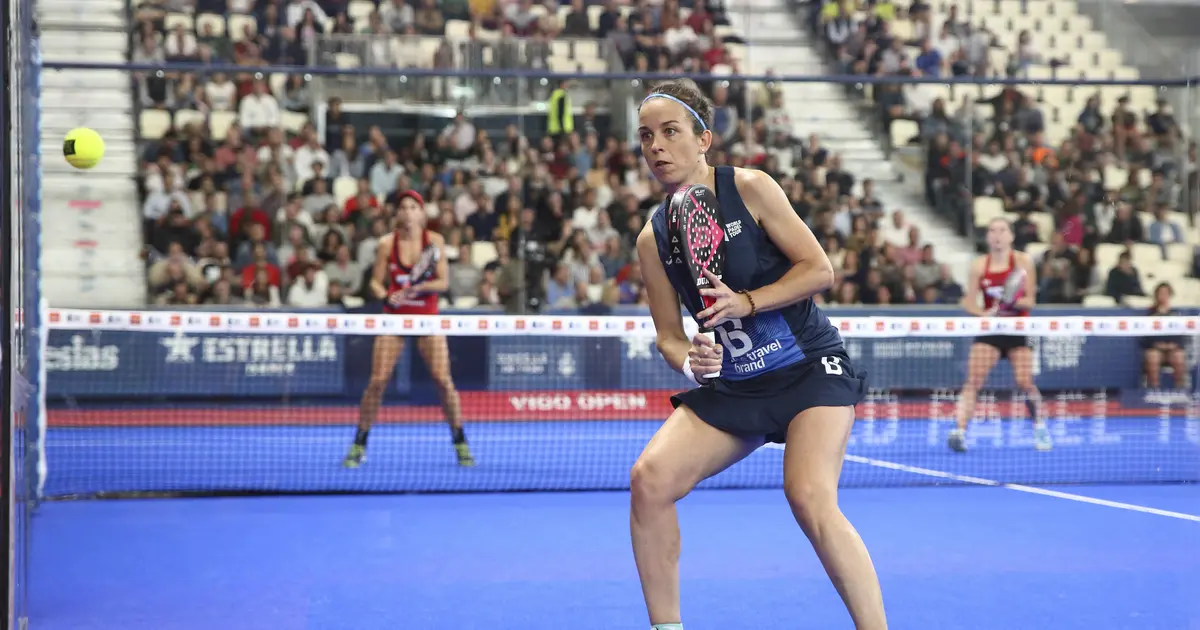
Defensive Padel Play — Glass Walls, Lob Defence & Resetting Points
Master defensive padel tactics including glass wall play, lob defence, and how to reset points when your opponents control the net.
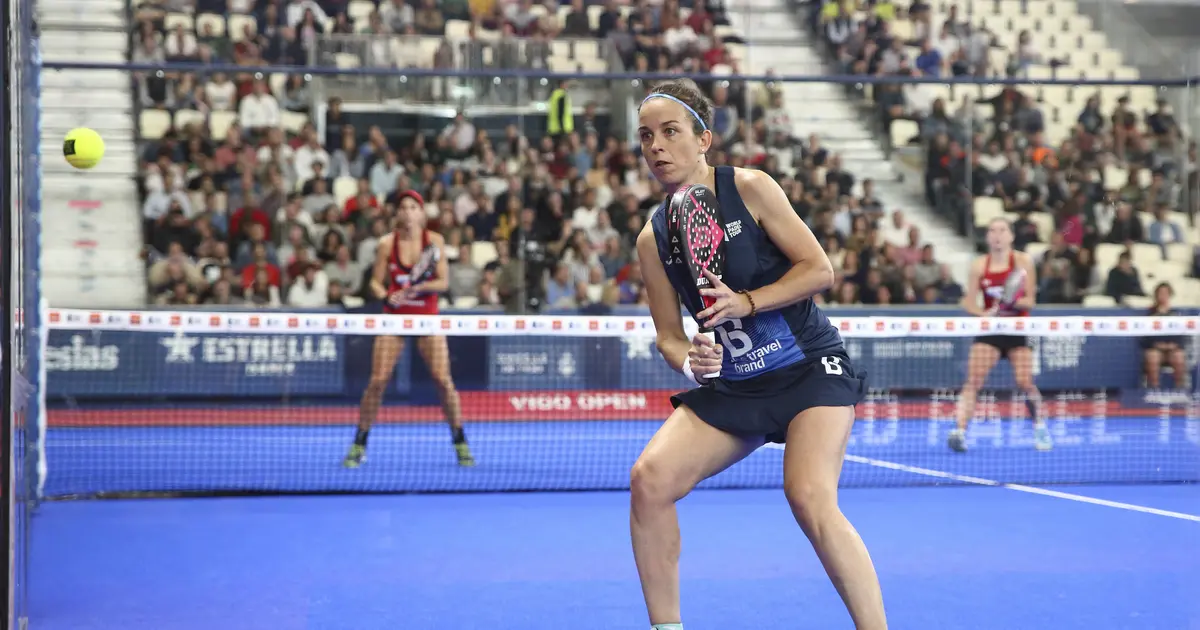
Dominating the Net in Padel — Volley Positioning, Poaching & Overhead Coverage
Learn how to dominate the net in padel with proper volley positioning, when to poach, overhead coverage, and how to maintain net control throughout.
Padel Attack vs. Defence — When to Go for the Winner
Learn the decision-making framework behind padel tactics strategy — when to attack, when to defend, how to read transition moments, and why patience wins more points than aggression.