 PADEL RULES
Dominating the Net in Padel — Volley Positioning, Poaching & Overhead Coverage
6 min read
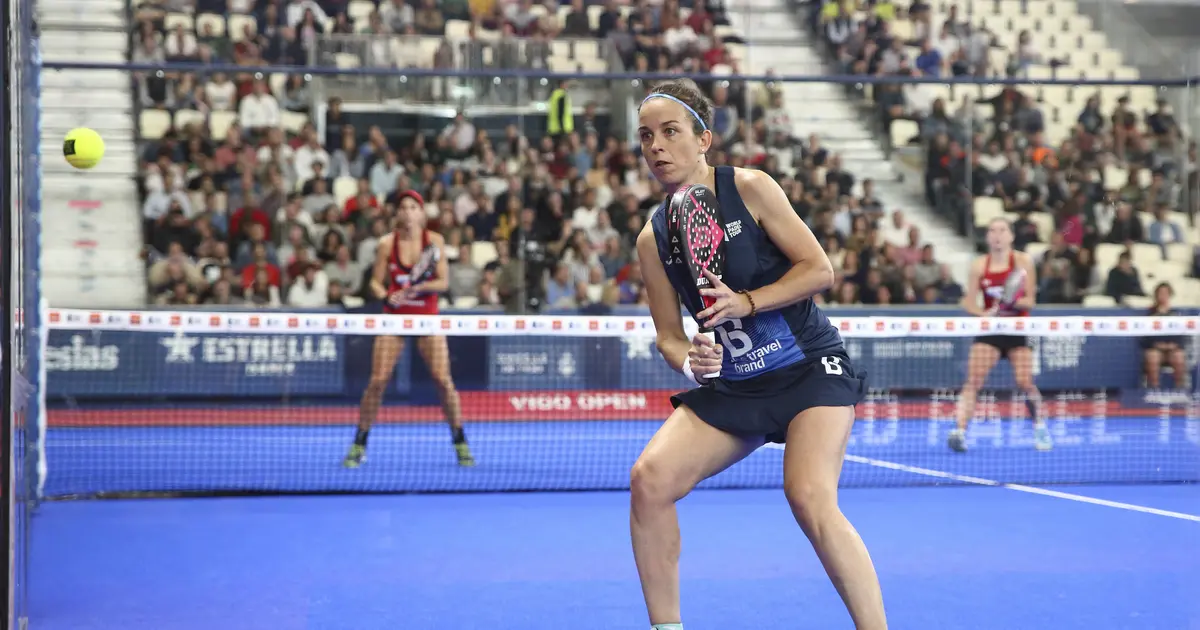
In padel, the team that controls the net controls the point. The enclosed court means rallies are longer and raw power is less decisive — but the positional advantage of being at the net remains overwhelming. This guide covers how to position yourself at the net, when to poach, how to handle overheads, and how to maintain your net position once you earn it.
The Ideal Net Position
Distance from the Net
Stand 3–4 metres from the net, roughly in line with the service box line. This position:
- Gives you enough time to react to hard-hit balls
- Keeps you close enough to angle volleys downward
- Allows you to step back for overheads without losing the net
Standing too close (1–2 metres) makes you vulnerable to lobs and gives you no time to react. Standing too far back (5+ metres) means your volleys travel upward, giving opponents time to recover.
Lateral Position
Each player covers their half of the court. The imaginary dividing line runs through the centre of the net. Key adjustments:
- When your partner has the ball on the baseline: Shift slightly toward the centre to cover the middle
- When the ball is on one side: Both players shift as a unit toward that side — the court moves with the ball
- When opponents hit wide: The nearest net player covers the angle, the other covers the centre
Volley Tactics at the Net
Target Selection
From the net, your volleys should be directed to create maximum difficulty for the baseline players:
At the feet: The most effective target. A ball at the opponent’s feet forces them to bend, lift the ball, and gives you an easy put-away on the next shot.
Down the centre: Volleys down the middle exploit the seam between two opponents. Both players hesitate, unsure who should take it. This is the highest-percentage play in many situations.
Wide angles: Use when you have an open court to hit into. Wide volleys force opponents to stretch and can create outright winners — but miss wide and you give them a free point.
Volley Depth
Not every volley should be hit hard. Vary your depth:
- Short, angled volleys pull opponents forward and break their baseline rhythm
- Deep volleys to the feet keep opponents pinned back
- Drop volleys (soft, short) work when opponents are deep behind the baseline
The Block Volley
When a hard ball comes at you, use a block volley — a compact, controlled volley with minimal backswing. The ball’s pace does the work. Focus on redirecting rather than adding power.
Poaching — When and How
Poaching is crossing to your partner’s side to intercept a cross-court ball. It is one of the most aggressive net tactics in padel.
When to Poach
- When you read the opponent’s body language indicating a cross-court shot
- When your partner has hit a strong ball that limits the opponent’s options
- When the opponents fall into a predictable cross-court pattern
How to Poach
- Signal your partner before the point (or between rallies) — a closed fist behind your back means “I’m going”
- Move as the opponent swings, not before — moving too early reveals your intention
- Aim the volley into the open court on the side you came from — the gap you left
- Your partner covers by shifting to your original side
When Not to Poach
- When your partner is under heavy pressure and the ball could go anywhere
- When you are not confident in the read — a failed poach opens the entire court
- At beginner level — the coordination cost usually outweighs the benefit
Overhead Coverage
When opponents lob, the net team faces a critical decision.
Ball Assessment
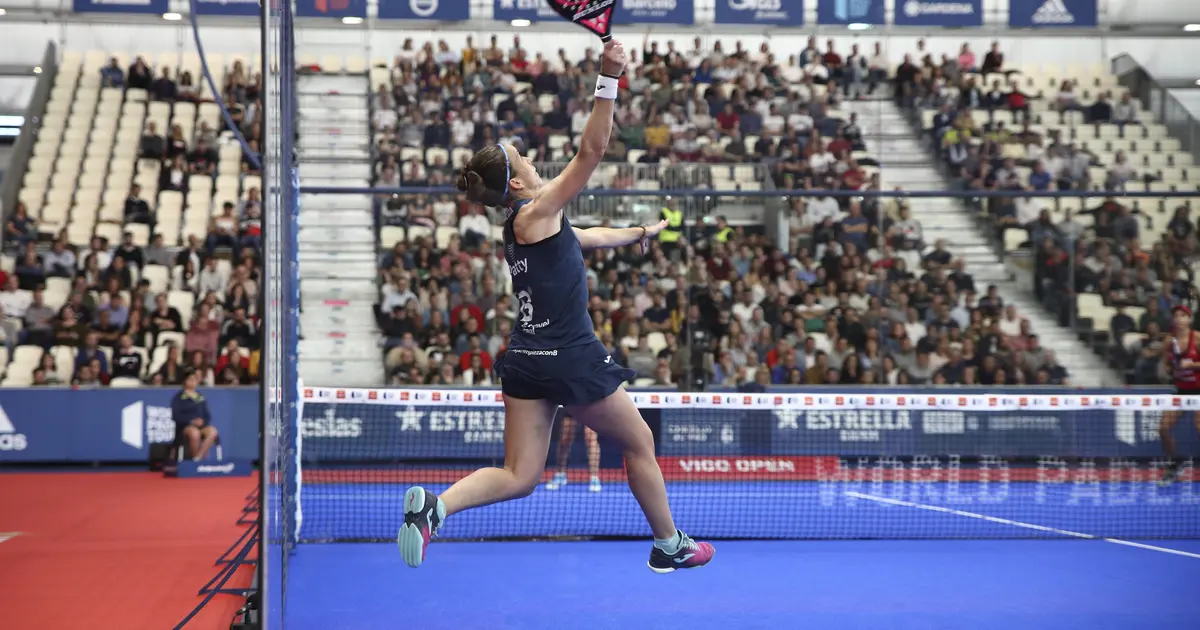
Can I reach it without retreating past the service line? → Play an overhead (smash, bandeja, or vibora)
Will it pass over my head? → Retreat, let the ball bounce, play off the glass, and try to recover the net
Overhead Selection
| Overhead | When | Goal |
|---|---|---|
| Smash | Short lob, ball below fence | End the point |
| Bandeja | Medium-high lob, uncertain | Maintain net position |
| Vibora | Good height, confident | Attack with pace and spin |
Default to the bandeja when in doubt. Keeping the net is worth more than going for a risky winner.
Switching on the Lob
When a lob passes over one player:
- The player nearest the ball calls it and retreats
- The other player shifts across to cover the vacated side
- After playing the ball from the back, both players try to recover the net together
Never leave a gap at the net while one player chases a lob. If both players must retreat, do it together.
Maintaining Net Control
Winning the net is only half the battle — staying there is equally important.
After Every Overhead
Immediately return to your 3–4 metre position. Many players hit a bandeja and then drift backward, gradually losing the net without realising.
After a Deep Volley
If your volley pushes opponents deep, hold your ground. Resist the temptation to advance closer — your current position is already optimal.
When to Give Up the Net
Sometimes holding the net is impossible:
- A perfect lob passes both players
- Opponents hit a hard, low ball through the middle that forces you backward
- You or your partner are out of position after a scramble
In these situations, both players retreat to the baseline together. Regroup, lob, and look for the next chance to advance.
Common Net Play Mistakes
Ball-watching. At the net, watch the opponent’s racket and body, not the ball. The racket tells you where the ball is going before it gets there.
Standing still. Good net players make small adjustments constantly — a half-step left, a shuffle right. Stay on the balls of your feet and move with the rally.
Going for too much on volleys. A controlled volley to the feet is better than a wild stab at a winner. Patience at the net wins more points than aggression.
Ignoring your partner. Communicate constantly — “mine,” “yours,” “switch,” “stay.” Silence at the net leads to hesitation and missed balls.
Useful Links
- The Bandeja — the key overhead for net players
- The Vibora — the aggressive overhead option
- Padel Doubles Tactics — full doubles strategy
- Padel Volley — volley technique guide
- Defensive Tactics — what to do when you lose the net
Related Strategy Guides
Stay in the loop
Get padel rule updates and tournament news — no spam.
More in Strategy & Tactics

Advanced Padel Tactics — How to Break Through the Intermediate Plateau
Master advanced padel tactics to break the intermediate plateau. Net positioning, glass play, lob management, shot selection, and communication explained.
10 Most Common Padel Mistakes — And How to Fix Them
Avoid the 10 most common padel mistakes that beginners and intermediate players make — from hitting too hard off the walls to poor net positioning — with practical fixes for each.
Defensive Padel Play — Glass Walls, Lob Defence & Resetting Points
Master defensive padel tactics including glass wall play, lob defence, and how to reset points when your opponents control the net.
Padel Attack vs. Defence — When to Go for the Winner
Learn the decision-making framework behind padel tactics strategy — when to attack, when to defend, how to read transition moments, and why patience wins more points than aggression.