 PADEL RULES
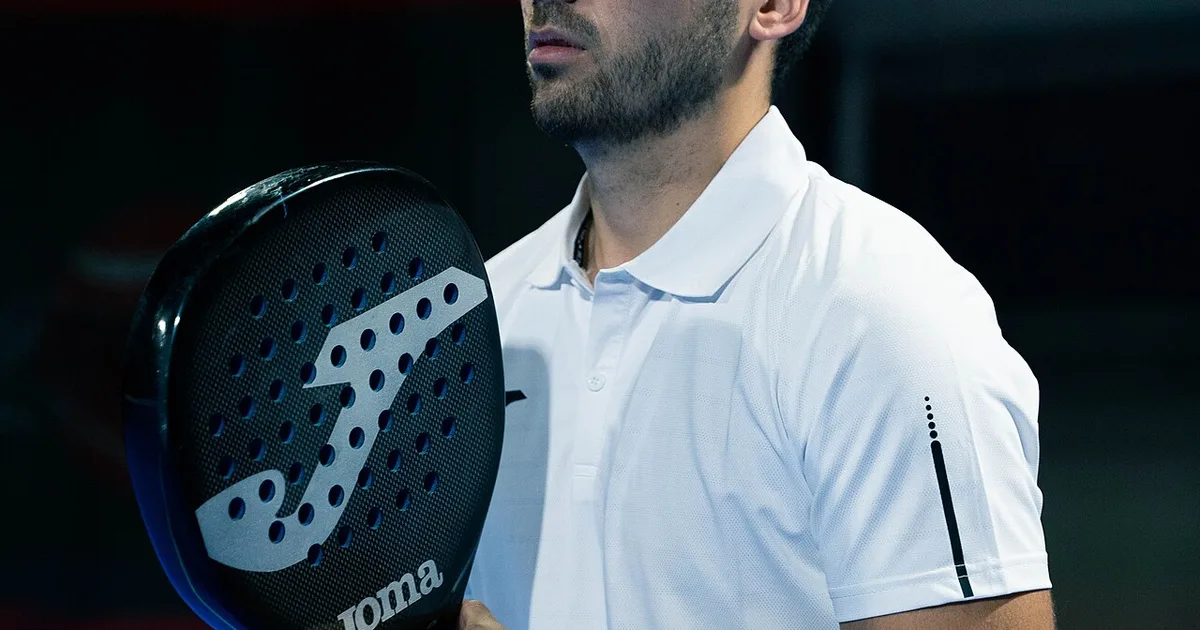
Padel Serve Tactics — Placement, Spin & Pressure Serves
5 min read
The padel serve is underarm and must be hit at or below waist height — but that does not make it a free ball for the returner. A well-placed, well-disguised serve creates pressure from the very first shot and gives the serving team an immediate tactical advantage.
Why the Serve Matters in Padel
In tennis, aces win points outright. In padel, the serve rarely ends a point directly — but it sets the tone. A good serve forces a weak return, which the server’s partner can intercept at the net. A bad serve sits up in the middle of the court and hands the initiative to the receiving team.
The three pillars of an effective padel serve are placement, spin, and disguise.
Placement — Where to Aim
The Body Serve
Directing the serve straight at the returner’s hip or torso is one of the most effective tactics in padel. Body serves:
- Reduce the returner’s reaction time — they must move out of the way before swinging
- Limit the angle of return — the ball comes back toward the centre
- Create jammed, weak returns that the net player can pick off
Use body serves as your default, particularly against opponents who stand close to the service box.
The T Serve (Centre)
Serving down the centre line (the T) keeps the ball in the middle of the court. Benefits:
- The returner has minimal angle to work with
- The server’s partner at the net covers the middle easily
- Cross-court returns are harder to execute from a central position
The T serve is especially effective in the deuce court (right side), where right-handed returners must play a backhand.
The Wide Serve
Serving wide pulls the returner toward the side wall and opens up the court. However, wide serves in padel carry a risk — the returner can use the side glass to recover, and the open court invites an angled return past the net player.
Use wide serves sparingly and follow up with net coverage shifted toward the open side.
Spin Variations
The Slice Serve
Hit with a continental grip and a brushing motion across the back of the ball, the slice serve curves away from the returner (away from a right-hander when served from the deuce court). After bouncing, it stays low and skids toward the side wall.
When to use it:
- When the returner stands deep — the low bounce forces them to bend and lift the ball
- Wide in the advantage court — the curve pulls right-handers off the court
- As a change of pace after flat serves
The Kick Serve
The kick serve uses a more pronounced upward brush, generating topspin that makes the ball bounce higher than expected. In padel, a higher bounce toward the returner’s body is uncomfortable to handle.
When to use it:
- To the body — the high bounce jams the returner
- Against shorter opponents who struggle with balls above shoulder height
- As a variation to keep the returner guessing
The Flat Serve
A serve with minimal spin, hit with pace. The flat serve is direct and fast but predictable. It is best used occasionally to change rhythm rather than as a primary weapon.
Reading the Returner
Great servers adjust their tactics based on what they observe:
- Returner stands deep: Use slice to keep the ball low — they have further to run forward
- Returner stands close: Hit the ball with pace to the body — less time to react
- Returner cheats to one side: Serve to the open side — punish poor positioning
- Returner has a weak backhand: Target it consistently, especially on big points
Watch the returner’s racket preparation during warmup. If they set up early for a forehand return, they are expecting the ball on that side.
The Serve-and-Volley Approach
After serving, the server should look for opportunities to advance to the net:
- Serve deep with good placement
- Watch the return quality — if it is short or high, advance
- Split-step as the returner makes contact, then move forward
- Join your partner at the net to take the attacking position
Do not rush the net after every serve. If the return is deep and low, stay back and play from the baseline until a better opportunity arises. The serve-and-approach is earned, not automatic.
Common Serve Mistakes
Serving to the same spot every time. Predictable placement lets the returner groove a comfortable return. Vary placement point by point.
Prioritising power over placement. A fast serve that sits up in the centre is worse than a slower serve that jams the body or stretches the returner wide.
Ignoring the second serve. Many recreational players hit the same serve on both first and second attempts. Use the second serve to play a safer but still tactical ball — slice to the body or a soft kick to the T.
Not watching the returner. The serve is the only shot where you have time to look at your target, assess the opponent’s position, and choose your tactic. Use that time.
Pressure Serves — Key Situations
| Situation | Recommended Serve |
|---|---|
| Deuce point | T serve to the backhand — low risk, limits angles |
| Breakpoint against you | Body serve with slice — hard to attack |
| Opponent under pressure | Wide slice — move them off court, expose the gap |
| After losing several points | Change pattern entirely — disrupt the returner’s rhythm |
Useful Links
- Serve Rules — full FIP serve regulations
- Return of Serve Tactics — the returner’s perspective
- Padel Doubles Tactics — positioning after the serve
- How to Improve at Padel — general improvement tips
Stay in the loop
Get padel rule updates and tournament news — no spam.
More in Strategy & Tactics
10 Most Common Padel Mistakes — And How to Fix Them
Avoid the 10 most common padel mistakes that beginners and intermediate players make — from hitting too hard off the walls to poor net positioning — with practical fixes for each.
Defensive Padel Play — Glass Walls, Lob Defence & Resetting Points
Master defensive padel tactics including glass wall play, lob defence, and how to reset points when your opponents control the net.
Dominating the Net in Padel — Volley Positioning, Poaching & Overhead Coverage
Learn how to dominate the net in padel with proper volley positioning, when to poach, overhead coverage, and how to maintain net control throughout.
Padel Attack vs. Defence — When to Go for the Winner
Learn the decision-making framework behind padel tactics strategy — when to attack, when to defend, how to read transition moments, and why patience wins more points than aggression.