 PADEL RULES
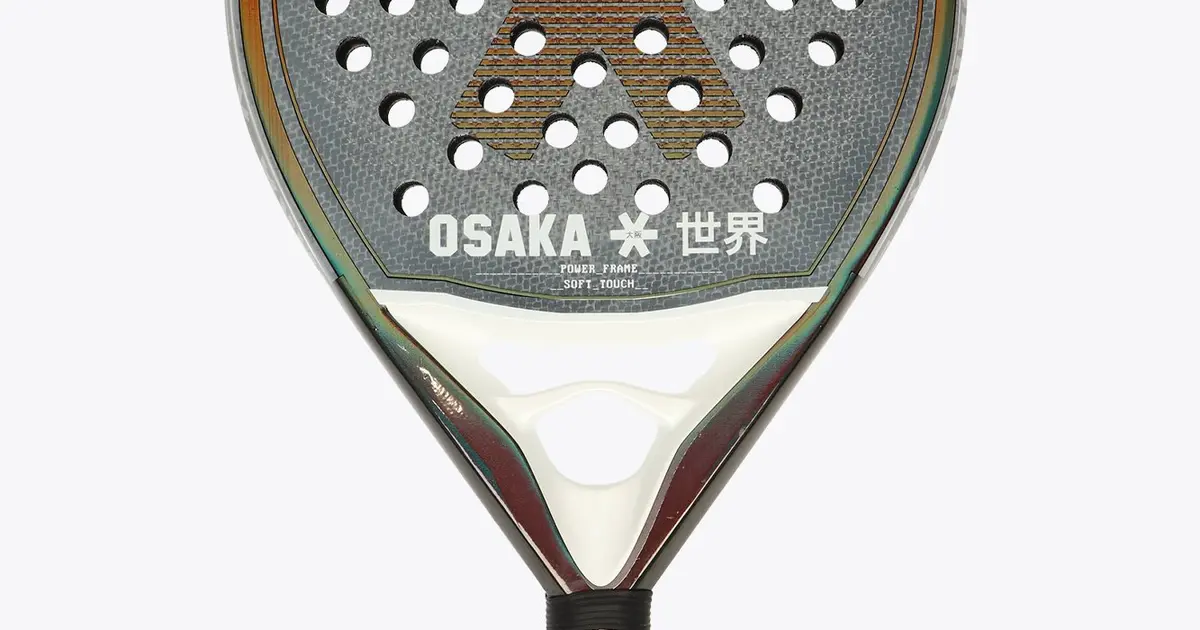
Padel Racket Buying Guide 2026 — Shape, Weight & Material Explained
11 min read
Choosing the right padel racket is one of the most important investments you will make in your game. With hundreds of models, different materials, shapes, and price tags, the decision can feel overwhelming — especially if you are buying your first racket or upgrading from a beginner model.
This guide walks you through every factor that matters: materials, weight, balance, shape, skill level recommendations, and price tiers. By the end, you will know exactly what to look for and which racket suits your game.
Materials Explained
The two main components that define how a padel racket plays are the core (the foam inside) and the face (the hitting surface). Understanding these materials helps you predict how a racket will feel before you ever hit a ball.
Core Materials: EVA and Beyond
The core is the foam layer sandwiched between the two faces of the racket. It determines how much the racket absorbs impact and how the ball responds on contact.
- Soft EVA — The most common core in beginner and intermediate rackets. Soft EVA absorbs shock well, giving a comfortable feel and excellent touch on control shots like drop volleys and lobs. The trade-off is less raw power on smashes.
- Hard EVA — Found in many advanced rackets. Hard EVA is denser and returns more energy to the ball, generating greater power. However, it transmits more vibration to your arm and is less forgiving on off-centre hits.
- HR3 / Proprietary foams — Some brands (notably Bullpadel with HR3 and Head with Power Foam) use blended foams that aim to combine the comfort of soft EVA with extra responsiveness. These foams sit between soft and hard EVA in both feel and performance.
Rule of thumb: if you value comfort and control, choose soft EVA. If you want maximum power and have solid technique, choose hard EVA. Blended foams are a good middle ground for intermediate players.
Face Materials: Carbon Fibre vs Fibreglass
The face is the outer layer you strike the ball with. Its stiffness directly affects power, feel, and sweet-spot size.
- Fibreglass — Flexes more on contact, creating a trampoline effect that enlarges the sweet spot and adds comfort. Fibreglass faces are ideal for beginners and intermediate players because they are forgiving and provide good touch. They wear slightly faster than carbon.
- Carbon fibre — Stiffer and more durable. Carbon fibre faces transfer energy more efficiently, giving advanced players extra power and precision. The trade-off is a smaller effective sweet spot and a harsher feel on mishits.
- Composite (fibreglass + carbon) — Many mid-range rackets use a mix. Carbon reinforcement in key areas (often the centre of the face) adds stiffness where it counts while keeping the edges more flexible for comfort.
Durability note: carbon fibre faces generally last longer before showing surface wear, but both materials are robust enough for regular play.
Weight Guide
Racket weight affects swing speed, power, manoeuvrability, and fatigue. Manufacturers list weight “unstrung” — meaning without the overgrip but with the factory grip.
Light: Under 360 g
Light rackets are easy to swing, quick at the net, and less tiring during long matches. They suit beginners, players with arm injuries, and defensive players who prioritise reactions and control over raw power. The downside is that lighter rackets generate less momentum on overhead smashes.
Medium: 360–375 g
The most popular weight range. Medium-weight rackets offer a balanced mix of power and control, making them the go-to for intermediate and all-round players. You get enough mass to hit solid smashes without sacrificing too much manoeuvrability at the net.
Heavy: Over 375 g
Heavy rackets pack the most punch on aggressive shots — smashes, víboras, and bandeja shots arrive with serious speed. They are designed for advanced and power-focused players with strong technique and good physical conditioning. The extra weight demands more effort to swing, especially in the third set, and can increase elbow injury risk without proper conditioning.
How to choose: start lighter than you think you need. You can always add weight with lead tape later, but you cannot make a heavy racket lighter. If in doubt, 360–370 g is the safest range for most players.
Balance: Where the Weight Sits
Balance describes how weight is distributed along the racket. It is usually expressed as low, medium, or high — referring to whether the weight concentrates near the handle or near the head.
Low Balance (Handle-Heavy)
Weight sits closer to the handle, making the racket feel light and manoeuvrable. Low-balance rackets offer maximum control and quick reactions at the net. They pair naturally with round shapes and are ideal for defensive and beginner players.
Medium Balance (Even)
Weight is evenly distributed. Medium balance delivers a versatile blend of control and power, making it the default for intermediate players and teardrop-shaped rackets. You can attack and defend without feeling limited in either direction.
High Balance (Head-Heavy)
Weight concentrates in the head, generating maximum power on overhead shots. High-balance rackets shine in aggressive play — smashes and winning volleys arrive with more pace. The trade-off is slower net reactions and more arm fatigue. This setup pairs with diamond shapes and suits advanced, power-oriented players.
Tip: balance works hand-in-hand with shape. Before choosing, read the shapes section below — the combination of shape and balance defines the overall personality of the racket.
Shapes Overview
The shape of the racket head determines sweet-spot location, power potential, and forgiveness. There are three main shapes:
- Round — Large, centred sweet spot. Low balance. Maximum control and forgiveness. Best for beginners and defensive players.
- Teardrop (drop) — Medium sweet spot, shifted slightly upward. Medium balance. Good mix of power and control. Best for intermediate and all-round players.
- Diamond — Small sweet spot, positioned high. High balance. Maximum power. Best for advanced attackers with consistent technique.
For a detailed breakdown of each shape — including a comparison table and recommendations by playing style — read our full padel racket shapes guide.
Skill Level Guide
Beginner
You are learning the basics: grip, positioning, wall play, and consistent contact. At this stage, forgiveness matters more than performance.
Look for:
- Round shape
- Soft EVA core
- Fibreglass or composite face
- Weight: 350–365 g
- Low balance
A forgiving racket builds confidence and lets you focus on technique rather than fighting the equipment. See our best padel rackets for beginners for specific model recommendations.
Intermediate
You have solid fundamentals, can rally consistently, and are developing attacking shots. You want a racket that rewards clean technique with more power while remaining forgiving enough for off days.
Look for:
- Teardrop shape
- Medium-density EVA or blended foam core
- Composite face (fibreglass + carbon)
- Weight: 360–375 g
- Medium balance
This setup gives you room to grow without limiting your current ability.
Advanced
You have refined technique, consistently hit the sweet spot, and play with tactical intent. You want a racket that maximises your strengths — whether that is raw power, pinpoint control, or a specific playing style.
Look for:
- Teardrop or diamond shape (depending on style)
- Hard EVA or performance foam core
- Full carbon fibre face
- Weight: 365–385 g
- Medium to high balance
At this level, personal preference and playing style matter most. Power players gravitate to diamond shapes with high balance; control-oriented advanced players may prefer a heavy teardrop with a carbon face.
Price Tiers
Budget: Under €100
Budget rackets cover the essentials. Expect fibreglass faces, soft EVA cores, and round or teardrop shapes. Build quality is decent but not premium — some models may feel slightly unrefined in the handle or grip. For beginners who play once or twice a week, this tier offers excellent value.
What you get: a reliable racket that will last a season or two of regular play.
Popular budget brands: NOX (Emotion series), Adidas (Drive series), Head (Alpha series).
Mid-Range: €100–€200
The sweet spot for most players. Mid-range rackets use composite faces, higher-quality foams, and better finishing. You will notice improved feel, more consistent sweet-spot response, and better durability. Intermediate players who play 2–3 times per week should look here.
What you get: noticeably better materials and construction than budget rackets, with performance that can carry you through several levels of improvement.
Popular mid-range models: Bullpadel Vertex Comfort, Wilson Bela, NOX ML10 Pro Cup, Head Alpha Pro.
Premium: Over €200
Premium rackets are engineered for performance. Full carbon faces, advanced foam blends, aerodynamic frames, and tour-level finishing. These rackets offer the most nuanced feel and the highest performance ceiling — but only if your technique is good enough to exploit them.
What you get: cutting-edge materials, refined balance tuning, and the same technology used by professional players.
Popular premium models: Bullpadel Hack 03 Pro, Wilson Bela Pro v2, Adidas Metalbone, NOX AT10 Genius.
Our advice: do not overspend on your first racket. A €70–€120 racket is ideal for beginners. Upgrade when your skills outgrow the equipment — not the other way around.
Summary Comparison Table
| Factor | Beginner | Intermediate | Advanced |
|---|---|---|---|
| Shape | Round | Teardrop | Teardrop or Diamond |
| Weight | 350–365 g | 360–375 g | 365–385 g |
| Balance | Low | Medium | Medium to High |
| Core | Soft EVA | Medium EVA / blended foam | Hard EVA / performance foam |
| Face | Fibreglass | Composite (fibreglass + carbon) | Full carbon fibre |
| Price range | €50–€120 | €100–€200 | €150–€400 |
How to Test a Racket Before Buying
- Hold it in the shop — grip the handle and swing it gently. Does the weight feel comfortable? Can you imagine playing two hours with it?
- Check the balance — hold the racket horizontally on one finger at the throat. Does it tip towards the head (high balance) or stay level / tip towards the handle (low/medium balance)?
- Demo programmes — many padel clubs and shops offer demo rackets you can try during a session. This is the best way to test feel, power, and control in real conditions.
- Buy from retailers with return policies — if you cannot demo the racket, choose a shop that allows returns or exchanges within 14–30 days.
Care and Maintenance Tips
- Use a racket protector — adhesive frame tape protects against wall and ground scuffs, the most common source of damage.
- Store properly — avoid leaving your racket in a hot car or direct sunlight. Extreme heat softens the foam core and can delaminate the face.
- Replace your overgrip regularly — a worn overgrip reduces grip security and increases the risk of the racket slipping. Replace it every 2–4 weeks of regular play.
- Inspect for damage — check the face and frame for hairline cracks after every session. Small cracks spread quickly and compromise the racket’s structural integrity.
Next Steps
Ready to find your racket? Explore these related guides:
- Padel racket shapes explained — deep dive into round, teardrop and diamond
- Best padel rackets for beginners 2026 — top 5 picks with mini-reviews
- Padel racket specifications — official rules on dimensions and construction
Want to learn the sport from scratch? Start with what is padel and how to play padel.
Related Equipment Guides
- Best Padel Rackets 2026
- Best Women’s Padel Rackets 2026
- Best Padel Bags 2026
- Best Padel Shoes 2026
- Bullpadel Rackets
- Head Padel Rackets
- Nox Padel Rackets
- Wilson Padel Rackets
- Babolat Padel Rackets
- Adidas Padel Rackets
- StarVie Padel Rackets
- Dunlop Padel Rackets
- Diamond vs Round Rackets
- Padel Accessories Guide
Affiliate disclosure: we earn a small commission at no extra cost to you if you buy through our links.
Stay in the loop
Get padel rule updates and tournament news — no spam.
More in Padel Equipment
Adidas Padel Rackets & Shoes 2026 — Complete Brand Guide
Everything you need to know about Adidas padel in 2026. Compare the Metalbone racket line, Barricade and Adizero shoes, brand history, and find the best Adidas padel gear for your level.
Babolat Padel Rackets 2026 — Best Models & Technology Guide
Explore the full Babolat padel racket range for 2026. Compare the Viper, Counter, and Technical lines — with prices, player endorsements, and our best picks.
Padel Ball Specifications: Why Balls Matter More Than You Think
FIP padel ball specifications control bounce, durability, and consistency. Learn why balls differ from tennis, how altitude affects play, and why tournaments use approved balls.

Best Padel Bags 2026 — 8 Expert Picks for Every Player and Budget
The best padel bags for 2026 — expert picks from Nox, Bullpadel, HEAD, Wilson, Adidas & Babolat. Racket capacity, thermal protection, compartments, and recommendations for every playing level and budget.