 PADEL RULES
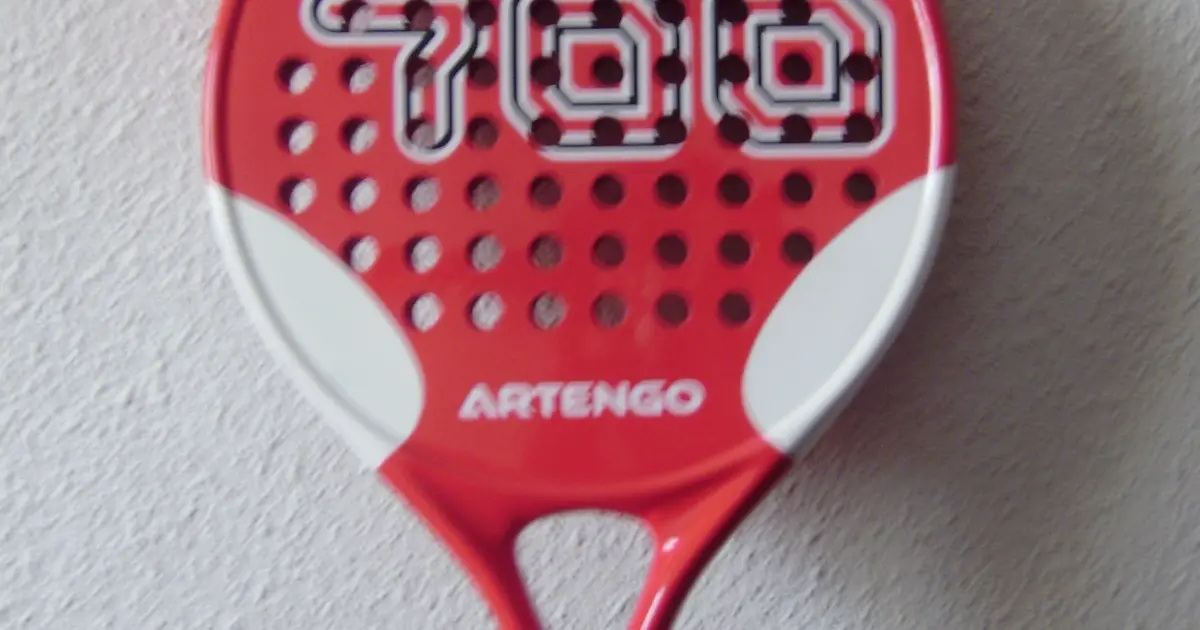
Padel Racket Shapes Explained — Round, Drop or Diamond?
8 min read
Choosing the right padel racket shape is one of the most important decisions you will make as a player. The shape of the racket head directly influences where the sweet spot sits, how much power you generate, and how forgiving the racket feels on off-centre hits. Whether you are a beginner picking up your first racket or an intermediate player looking to upgrade, understanding the three main shapes — round, teardrop (drop) and diamond — will help you find the perfect match for your game.
In this guide we break down the characteristics of each shape, explain who they suit best, and give you a side-by-side comparison so you can make a confident choice.
The Three Padel Racket Shapes
Every padel racket on the market falls into one of three shape categories. Each shape shifts the balance point and sweet spot location, producing a fundamentally different feel on court.
1. Round Shape
The round-shaped racket has a wide, circular head with even weight distribution. The balance point sits low — close to the handle — making the racket easy to manoeuvre and very comfortable during long rallies.
Key characteristics:
- Balance: Low (handle-heavy)
- Sweet spot: Large and centred in the middle of the face
- Forgiveness: High — off-centre shots still travel cleanly
- Power: Moderate — less natural power, but excellent placement accuracy
Round rackets are the go-to choice for beginners and control-oriented players. Because the sweet spot is generous and centrally located, you do not need pinpoint timing to make clean contact. Defensive players who rely on positioning, lobs and precise volleys also favour this shape.
Popular round rackets: Head Alpha Motion, Bullpadel Vertex 03 Comfort, NOX ML10 Pro Cup.
2. Teardrop (Drop) Shape
The teardrop shape — sometimes called “drop” or “hybrid” — sits between round and diamond. The head narrows slightly towards the top, pushing the balance point a few centimetres higher than a round racket while keeping a reasonably large sweet spot.
Key characteristics:
- Balance: Medium (slightly head-heavy)
- Sweet spot: Medium-large, shifted slightly upward from centre
- Forgiveness: Moderate — still tolerant, but less so than round
- Power: Good balance of power and control
This is the most popular shape among intermediate and advanced all-round players. It rewards clean technique with extra power without punishing you harshly on mishits. If you play both offensively and defensively and want a racket that adapts to every situation, teardrop is the safe bet.
Popular teardrop rackets: Bullpadel Hack 03, Wilson Bela Pro, Adidas Metalbone.
3. Diamond Shape
The diamond-shaped racket has a narrow head that widens towards the top, concentrating weight high in the frame. The balance point is head-heavy, which generates maximum power on overhead smashes and aggressive shots.
Key characteristics:
- Balance: High (head-heavy)
- Sweet spot: Small and located in the upper portion of the face
- Forgiveness: Low — off-centre hits lose significant power and control
- Power: Maximum — ideal for aggressive smashes and bandeja shots
Diamond rackets are designed for advanced and power-focused players who have refined their technique and consistently hit the sweet spot. The smaller sweet spot means mishits are more punishing, so this shape demands experience and confidence. Attacking players who dominate from the net with smashes and víboras get the most out of a diamond frame.
Popular diamond rackets: Bullpadel Hack 03 Pro, NOX AT10 Genius, Head Delta Pro.
Round vs Teardrop vs Diamond — Comparison Table
| Feature | Round | Teardrop (Drop) | Diamond |
|---|---|---|---|
| Balance | Low (handle) | Medium | High (head) |
| Sweet spot size | Large | Medium-large | Small |
| Sweet spot location | Centre | Slightly above centre | Upper third |
| Power | ★★☆☆ | ★★★☆ | ★★★★ |
| Control | ★★★★ | ★★★☆ | ★★☆☆ |
| Forgiveness | ★★★★ | ★★★☆ | ★★☆☆ |
| Best for | Beginners, defensive players | Intermediate, all-rounders | Advanced, power players |
| Typical weight feel | Light and manoeuvrable | Balanced | Head-heavy |
How Shape Affects Your Game
Sweet Spot and Forgiveness
The sweet spot is the area on the racket face where you get the cleanest, most powerful response. A larger sweet spot means more forgiveness on off-centre hits — the ball still goes roughly where you intended, with decent pace.
- Round rackets have the largest sweet spot because the circular head distributes string tension evenly across the face.
- Teardrop rackets narrow the sweet spot slightly but still offer comfortable margins.
- Diamond rackets concentrate the sweet spot in a small area near the top of the head. When you nail it, the power is explosive. When you miss it, the shot dies.
Balance and Manoeuvrability
Balance determines how a racket feels in your hand during quick exchanges at the net.
- A low balance (round) makes the racket feel lighter and faster to swing, which helps with volleys and reaction shots.
- A high balance (diamond) adds momentum to overhead swings but slows down your hand speed for defensive plays.
- A medium balance (teardrop) splits the difference, giving you adequate speed and adequate punch.
Power Generation
Power comes from two sources: your swing speed and the racket’s mass at the point of impact. Diamond rackets put more mass behind the ball at the top of the swing arc, so smashes and flat shots hit harder. Round rackets rely more on technique and timing to generate pace.
Which Shape Should You Choose?
Choosing the right shape depends on three factors: your skill level, your playing style, and your position on court.
Beginners — Start with Round
If you are new to padel, a round racket is the best starting point. The large sweet spot and low balance make the racket forgiving and easy to handle. You will build confidence faster because your shots will feel cleaner from day one. Once your technique matures, you can transition to a teardrop. See our best padel racket for beginners 2026 guide for specific recommendations.
Intermediate Players — Go Teardrop
If you have been playing for a few months and feel comfortable with basic shots — volleys, lobs, bandeja — a teardrop shape will help you add power without sacrificing control. It is the most versatile shape and the one most professional players use in training.
Advanced Players — Consider Diamond
If your technique is solid, you hit the sweet spot consistently, and you want maximum firepower at the net, a diamond racket is worth trying. Be honest with yourself though: if you are still mishitting regularly, a diamond will magnify your errors rather than cover them.
Defensive vs Offensive Style
- Defensive / back-court players: Round or teardrop. You need control and forgiveness for long rallies and lobs.
- Offensive / net players: Teardrop or diamond. You want power for smashes and pressure shots.
- All-round players: Teardrop. The best of both worlds.
Other Factors Beyond Shape
Shape is critical, but it is not the only thing that matters. When evaluating a racket, also consider:
- Weight: Most padel rackets weigh between 350 g and 385 g. Lighter rackets (350–365 g) suit beginners; heavier rackets (370–385 g) add power for advanced players. Check the official racket specifications for the full dimension and weight rules.
- Core material: EVA foam is firmer and more durable; FOAM (polyethylene) is softer and more comfortable. Some rackets combine both.
- Face material: Carbon fibre faces are stiffer and more powerful; fibreglass faces are softer and more forgiving.
Key Takeaways
- Round = maximum control and forgiveness, ideal for beginners and defensive players.
- Teardrop = balanced power and control, ideal for intermediate and all-round players.
- Diamond = maximum power with a small sweet spot, ideal for advanced attackers.
- When in doubt, start with round and move up as your technique improves.
- Always try a racket before buying if possible — shape is important, but personal feel matters too.
Ready to pick your first racket? Read our best padel racket for beginners 2026 guide for top picks and buying tips. For the official rules on racket dimensions and construction, see padel racket specifications.
Stay in the loop
Get padel rule updates and tournament news — no spam.
More in Padel Equipment
Babolat Padel Rackets 2026 — Best Models & Technology Guide
Explore the full Babolat padel racket range for 2026. Compare the Viper, Counter, and Technical lines — with prices, player endorsements, and our best picks.
Padel Ball Specifications: Why Balls Matter More Than You Think
FIP padel ball specifications control bounce, durability, and consistency. Learn why balls differ from tennis, how altitude affects play, and why tournaments use approved balls.
Best Padel Racket for Beginners 2026 — 4 Affordable Picks Tested
The 4 best padel rackets for beginners in 2026 — affordable, forgiving, and tested. See which round-shape racket suits your first season on court.
Best Padel Rackets 2026 — 10 Expert Picks Tested & Ranked
We tested the top padel rackets of 2026 for every level. See our honest picks from Bullpadel, Head, Babolat & Nox — with pros, cons, and who each racket suits.