 PADEL RULES
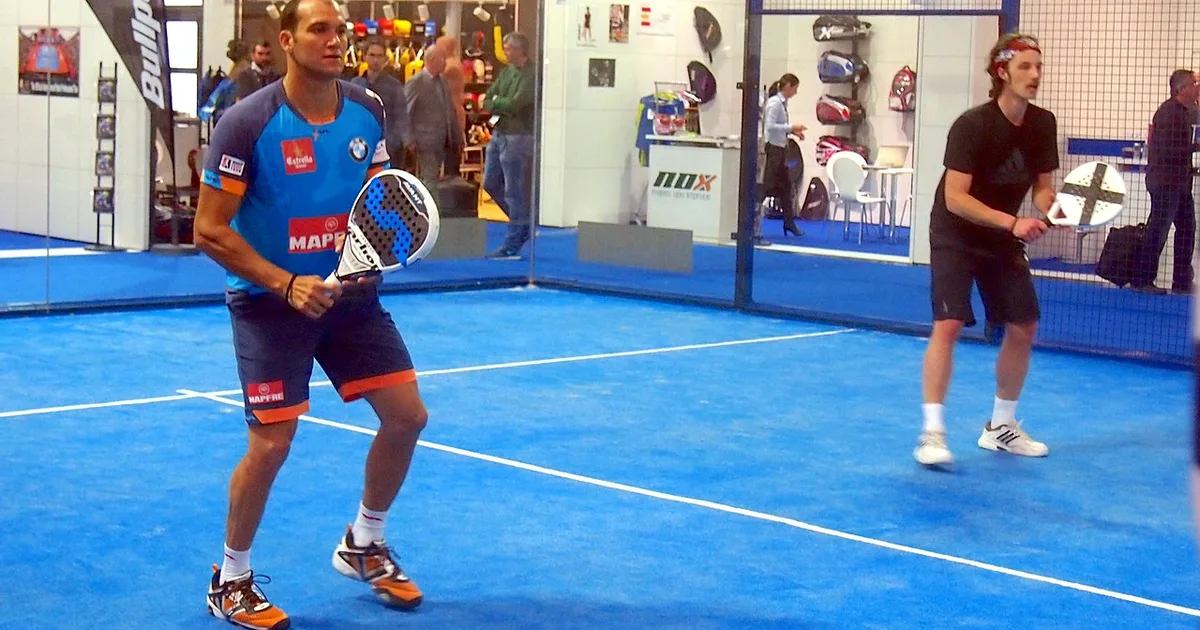
What Is Padel? Rules, Court Size & How It Differs from Tennis
7 min read
Quick Answer
Padel is a doubles racket sport played on a 20 × 10 m enclosed court with glass and mesh walls — balls can be played off the walls after the bounce. The serve is underarm, scoring follows tennis rules, and it is currently the fastest-growing racket sport in the world.
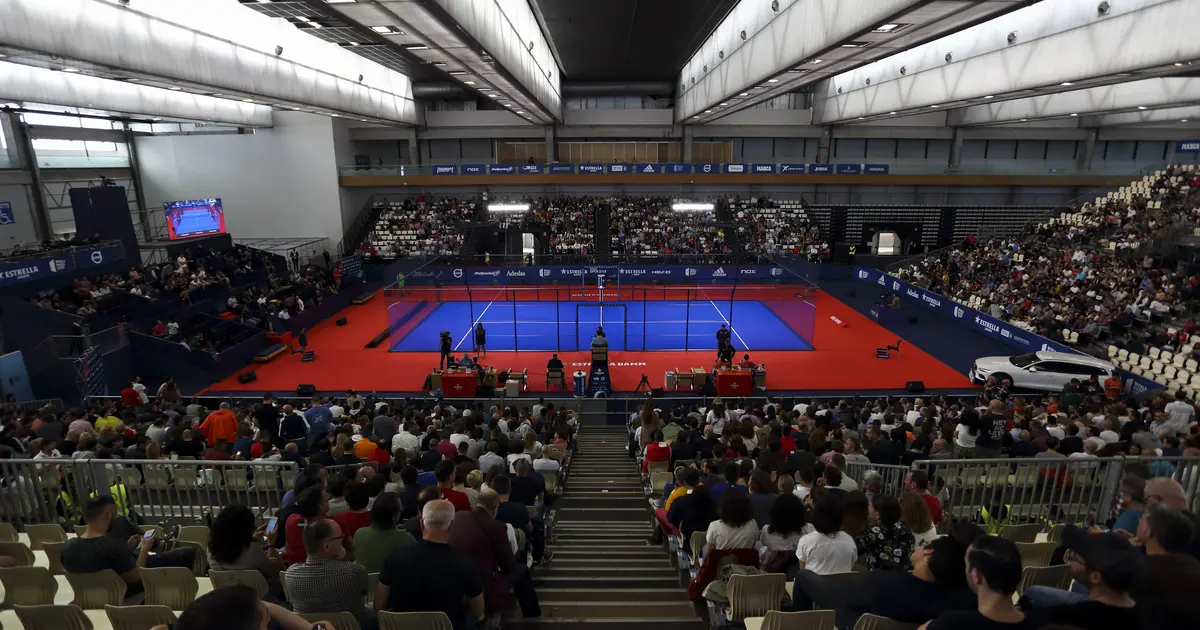
Step onto a padel court for the first time and two things hit you immediately: the percussive pop of a stringless racket striking a depressurized ball, and the glass walls rising around you like a transparent arena. Padel (pádel in Spanish) is not simply tennis with walls bolted on. It is a fundamentally different sport — one where defense can beat offense, where reading angles matters more than raw power, and where four players share a space small enough that every rally feels personal.
What Makes Padel Unique
Many racket sports reward the biggest serve or the hardest forehand. Padel inverts that hierarchy. Because the court is enclosed, a powerful shot that would be a clean winner in tennis ricochets off the back glass and floats back into play. The defending pair can retrieve it, reset the point, and turn defense into attack with a well-placed lob.
This wall-bounce dynamic creates a sport built around positioning and patience. Points are constructed through angled volleys, overhead bandejas, and tactical lobs rather than decided by a single explosive stroke. That is why professionals like Arturo Coello — known for devastating power — still rely on court positioning, and why Ari Sánchez dominates through tactical intelligence as much as athleticism.
The walls also make padel accessible. Beginners find that the glass gives them a second chance at every shot — the ball stays in play longer, rallies develop naturally, and new players feel competent within their first hour.
A Sport Born from a Backyard Problem
Padel’s origin story is specific and well documented. In 1969, Mexican businessman Enrique Corcuera was playing jai alai at his home in Acapulco, but the pelota kept flying over the walls of his property. His solution was to enclose the court with concrete walls, lower the net, and create a new game that kept the ball in bounds. The sport he improvised on that backyard court is recognizably padel.
The game might have stayed a Mexican curiosity if not for Alfonso de Hohenlohe, a Spanish aristocrat who played on Corcuera’s court and saw its potential. In 1974, Hohenlohe built the first European padel courts at the Marbella Club on Spain’s Costa del Sol, introducing the sport to the European jet set.
From Marbella, padel crossed the Atlantic in the opposite direction. Argentina adopted the sport enthusiastically during the 1970s and 1980s, and it rose to become the country’s second most popular sport after football — a position it still holds. By the 1990s, Spain had embraced padel at a grassroots level, and the infrastructure boom began.
Why Padel Is Booming Now
The growth numbers are striking. There are more than 25 million padel players worldwide. Spain alone has over 20,000 courts. The sport has been the fastest-growing racket sport in Europe for five consecutive years, with Italy, Sweden, Belgium, and Portugal all experiencing rapid expansion.
Several factors converged to accelerate this growth. The launch of the Premier Padel circuit in 2022, backed by Qatar Sports Investments and sanctioned by the FIP, gave the sport a credible global tour with prize money that attracts elite athletes. Meanwhile, the economics work for facility operators: four padel courts fit in the footprint of one tennis court, and each court generates revenue from four paying players per session rather than two.
The Court: A Glass-Walled Arena
A padel court measures exactly 20 m long by 10 m wide, roughly a third of the area of a tennis doubles court. The back walls are 4 m of tempered glass, topped by metal mesh fencing that brings the total enclosure height to around 6 m. Side walls combine shorter glass sections with mesh. Two small doors on each side allow players to exit the court mid-point — chasing down a ball that has bounced high off the back glass and sailed over the fence is not only legal, it is one of the sport’s most spectacular plays.
The net sits lower than in tennis: 88 cm at the center, rising to 92 cm at the posts. Underfoot, the surface is artificial grass dusted with fine sand, which gives grip for lateral movement and creates a distinctive slide on hard changes of direction.
For full measurements and diagrams, see Court Dimensions.
Equipment: The Pala, the Ball, and the Strap
The padel racket — called a pala — looks nothing like a tennis racket. It has no strings. Instead, a foam core (typically EVA or polyethylene) is sandwiched between two faces of carbon fiber or fiberglass, perforated with a pattern of holes. FIP regulations cap the pala’s length at 45 cm, and the hitting surface must not exceed 30 cm in length and 26 cm in width.
The ball resembles a tennis ball but is engineered differently. Its internal pressure is approximately 0.6 atmospheres lower than a standard tennis ball, producing a lower bounce and slower flight. This reduced pace keeps rallies alive and makes the sport playable in the confined court space.
One piece of equipment is non-negotiable under the FIP Rules of Padel (January 2026 edition): the wrist strap. Every player must attach their pala to their wrist with a cord before play begins. In a sport where four people share a 200 m² court, a loose racket is a genuine safety hazard.
The 2026 FIP Rule Revision
The International Padel Federation last updated its official rulebook in January 2026, following adoption at the FIP General Meeting in Acapulco in November 2025. The headline change was the introduction of the Star Point as the default format for resolving deuce (40-40). Under Star Point rules, the receiving pair chooses which side to receive from, and the next point decides the game — no advantage, no extended deuces.
The Star Point replaced the earlier Golden Point system and is now mandatory at all FIP-sanctioned professional events. Core rules governing court dimensions, serve mechanics, and ball specifications remained unchanged.
For full details, see the complete Padel Rules 2026 and the Star Point Rule explained.
Padel vs Pickleball: Two Trending Sports, Very Different Games
Both padel and pickleball are booming, and newcomers sometimes confuse them. Padel uses a solid, foam-core racket on an enclosed glass-walled court where wall bounces are central to play. Pickleball uses a lightweight perforated paddle on a small, open court with no walls and a plastic wiffle-style ball. Padel is exclusively doubles; pickleball supports singles and doubles. The two sports share an emphasis on accessibility, but the playing experience is entirely distinct.
For a deeper comparison with tennis, see Padel vs Tennis. New to the sport’s vocabulary? Our padel glossary covers all shot names and rule terms.
Where Can You Play?
Padel courts are available across most of Europe, Latin America, and increasingly in the Middle East, North America, and Asia. In Europe, Playtomic is the dominant booking platform — it aggregates court availability across thousands of clubs and lets you reserve and pay from your phone. Most clubs rent rackets at the front desk, so you can show up for your first session with nothing but sports shoes.
Look for clubs that offer introductory group sessions or social play nights — the fastest way to learn the basics and find regular partners. For everything you need to get started, see our complete beginner’s guide.
Related Padel Rules
Stay in the loop
Get padel rule updates and tournament news — no spam.
More in Basic Rules
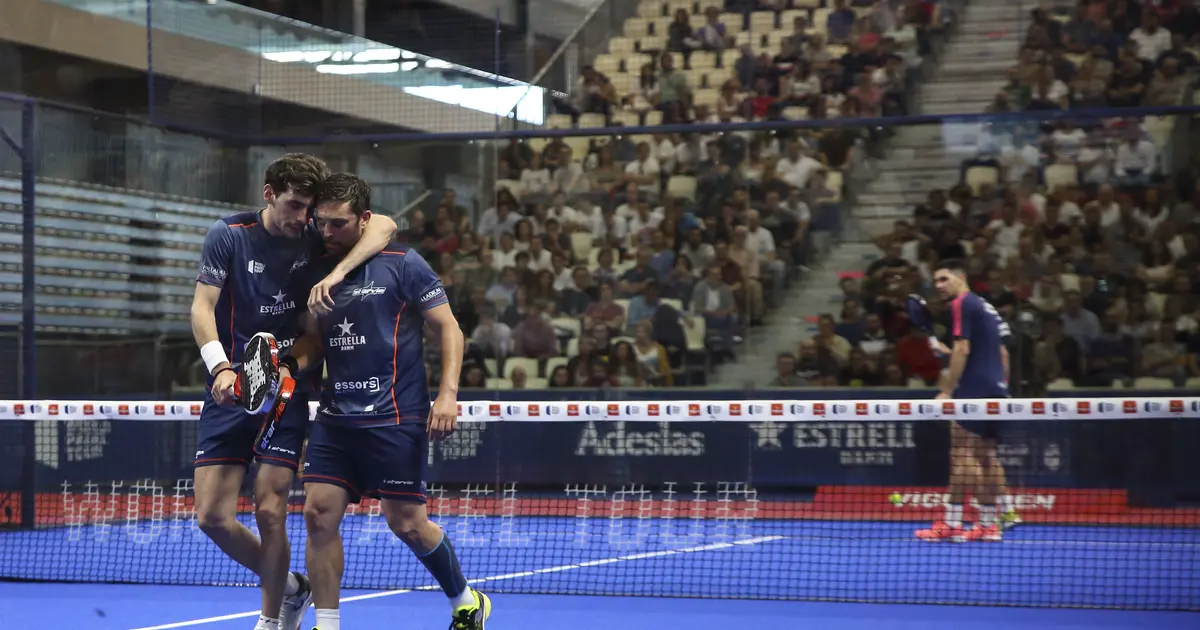
What Happens If the Ball Hits a Player in Padel?
If the ball hits a player's body in padel, that player's team loses the point — with limited exceptions. Full FIP rule breakdown with scenarios.
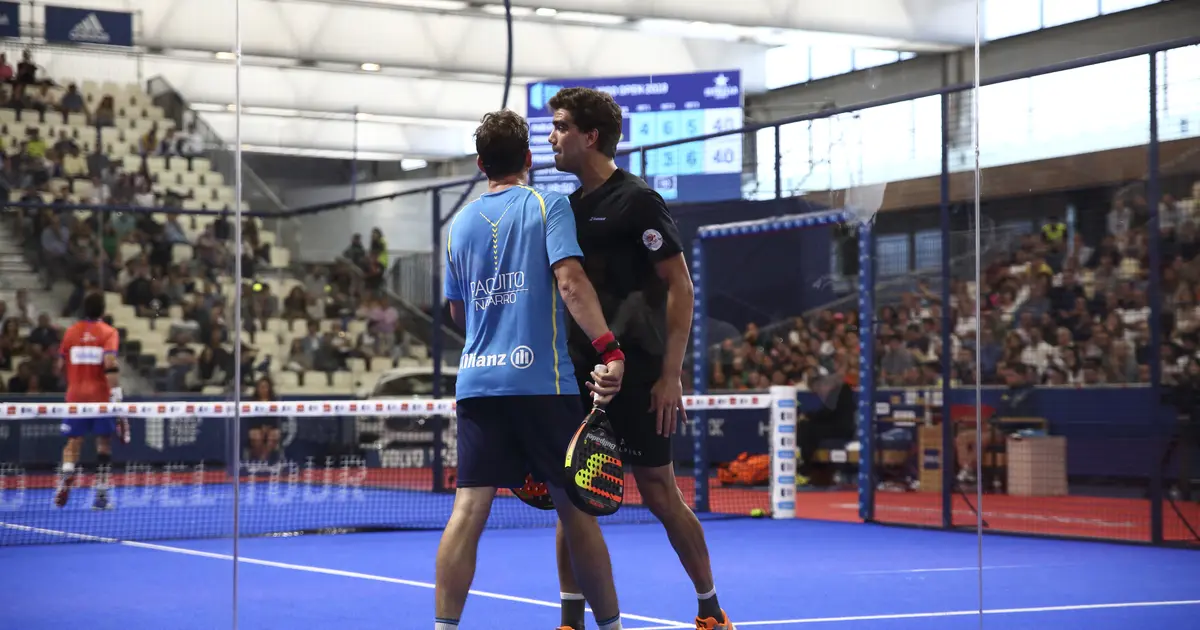
What Happens When the Ball Goes Out of the Court in Padel?
When the ball leaves the padel court through an open door or over the fence, the point may continue if a player can retrieve it.
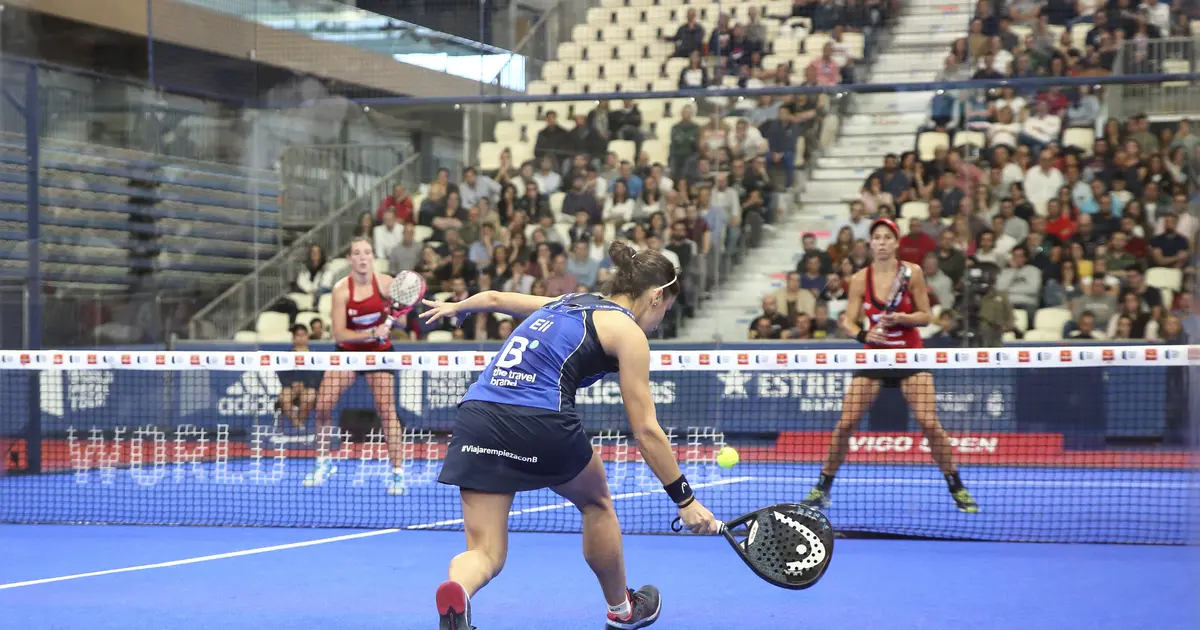
Can the Ball Bounce Twice in Padel?
No — if the ball bounces twice on your side of the court, you lose the point. Learn the one-bounce rule, wall rebounds, and the exceptions every padel.
Padel Fault Rules and Lets
A fault is an invalid serve — two faults lose the point. A let means the serve is replayed with no penalty. Covers every fault type and the let rule with real-match scenarios.