 PADEL RULES
Padel vs Tennis — 7 Key Differences Every Player Should Know
8 min read
If you play tennis, you already understand 80% of padel. The scoring is identical, the net is similar, and the serve goes diagonally. The 20% that is different — walls, the underhand serve, and mandatory doubles — transforms the game entirely.
Court Comparison
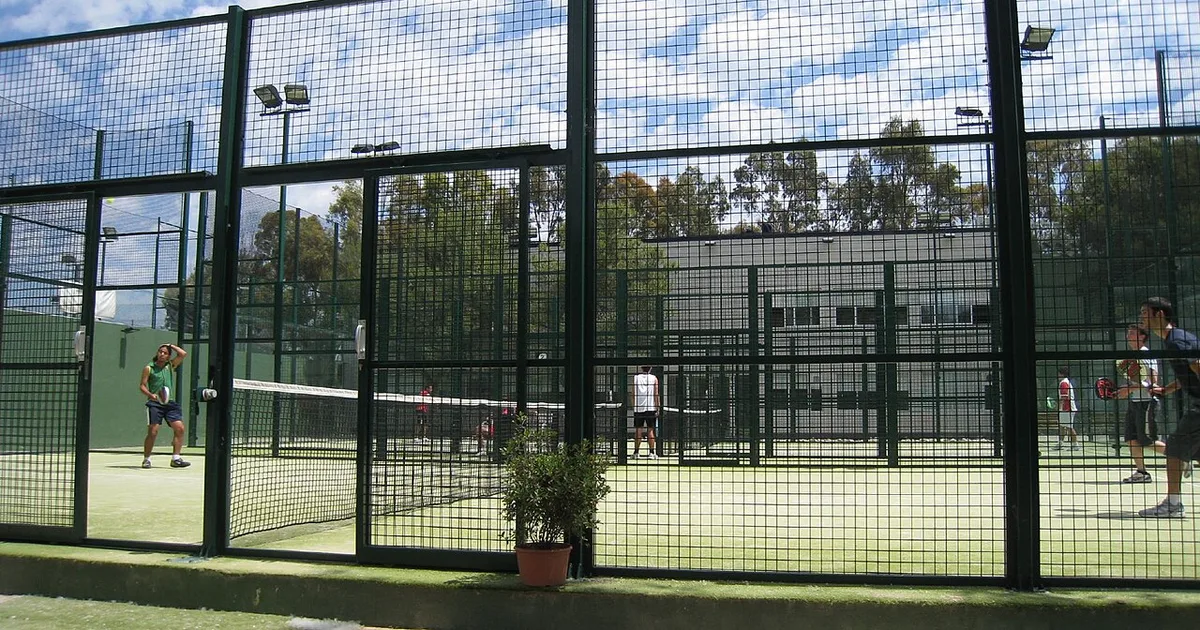
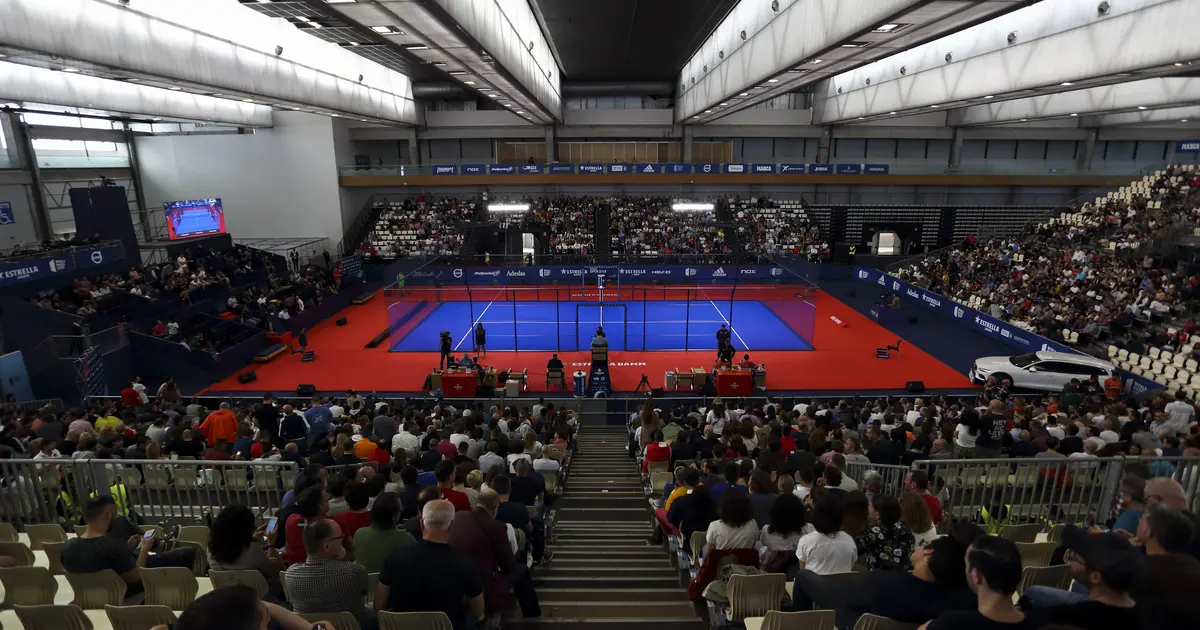
A padel court measures 20 m long by 10 m wide. A tennis doubles court measures 23.77 m by 10.97 m. That makes the padel court roughly 77% of the area of a tennis doubles court. As a tennis player, you will feel like you are playing on a compressed court, but the walls compensate by extending the playing area vertically.
Glass panels form the back walls and parts of the side walls, while metal mesh fills the remaining sections. Every surface is in play after the ball bounces on the floor. In tennis, a ball that hits the fence is dead. In padel, a ball that bounces off the back glass is an opportunity.
| Padel | Tennis | |
|---|---|---|
| Dimensions | 20 m x 10 m | 23.77 m x 10.97 m (doubles) |
| Enclosure | Glass walls + metal mesh | No walls |
| Surface | Artificial grass (usually) | Hard, clay, or grass |
| Format | Always doubles | Singles or doubles |
| Net height (centre) | 88 cm | 91.4 cm |
| Net height (posts) | 92 cm | 107 cm |
Most padel courts use artificial grass with sand infill, which plays like a slow hard court. Tennis players coming from clay will find the movement patterns familiar — lateral slides work well. Hard court players may need to adjust to a slightly lower, softer bounce.
The Serve — the Biggest Adjustment
No overhand serve. Period. This is the hardest mental adjustment for tennis players. Your serve weapon is gone.
The padel serve must be struck at or below hip height after bouncing the ball on the ground. The motion feels closer to an underhand toss than a tennis serve. You still serve diagonally into the opposite service box, and you still get two attempts before a double fault, but the similarity ends there.
Do not try to serve hard. A well-placed serve that lands deep in the box and kicks off the back glass is more effective than a fast serve that sits up for the receiver. Double faults become rarer once you accept the serve is a starter, not a weapon.
Wall Play — What Tennis Players Find Hardest
Reading the glass. The ball comes off a glass wall faster and flatter than you expect. Give yourself space — stand 1 to 2 metres from the back wall, not right up against it. Your first instinct will be to let the ball go after it passes you. Fight that instinct. The back wall is your friend.
Mesh vs glass. The wire mesh sections produce softer, slower rebounds. Glass is fast and predictable. Watch for the transition line between glass and mesh along the side walls — the ball behaves differently on each surface.
Out-of-court play. Unlike anything in tennis. If the ball bounces on your side and flies over the back fence, you can exit through the side doors and hit it back. This happens regularly in professional matches. The ball must re-enter the court over the net or through an opening to be valid.
2026 rule note: The FIP 2026 revision clarified that a ball striking the top edge of the glass wall (the frame) is out, even if the ball then lands in the court. Previously this was handled inconsistently across tournaments.
Scoring
Points, games, and sets are identical. You count 15, 30, 40, game. Sets are first to six games with a tie-break at 6-6. Matches are best of three sets. If you are used to tennis scoring, you can track a padel match with zero adjustment.
The only difference is the deuce format. Under the 2026 FIP rules, padel uses the Star Point at deuce: two conventional deuce-advantage sequences, then a single deciding point where the receiving pair chooses which side to receive on. Tennis uses pure advantage scoring — play until one side leads by two points. For the full breakdown, see Star Point Rule and Scoring System.
Doubles Dynamics — Different from Tennis Doubles
Padel is exclusively doubles, but it plays differently from tennis doubles.
In tennis doubles, one player often dominates from the baseline or the serve. In padel, both players must contribute because the court is too wide for one person to cover and the walls create shots that demand response from either player. Communication matters more — the glass produces rebound angles that require quick “mine” or “yours” calls.
Positioning is the critical difference. In padel, the ideal position for both players is at the net. Unlike tennis where a baseline player can compete effectively, padel’s net position gives you a massive advantage. Think of padel doubles as two net players working together, constantly pushing forward and retreating as a pair.
Tactical Differences
Power vs placement. Tennis rewards power — a 200 km/h serve is devastating. Padel rewards placement and angles. The walls neutralize power because hard shots bounce off the glass and come back into the opponent’s wheelhouse. Controlled, angled shots that die in the corners are far more effective than raw pace.
The lob. In tennis, the lob is occasional and usually defensive. In padel, the lob is a primary tactical weapon. It forces the net team backward, creates overheads that the defending team can play off the back glass, and resets the positional battle. You will lob ten times more often in padel than in tennis.
Return of serve. In tennis, the return is often an offensive weapon. In padel, the return from the back of the court is frequently defensive — a lob or a controlled cross-court shot designed to let you move forward to the net.
Equipment
The racket. No strings. The padel racket — or pala — is a solid foam-core racket with a perforated hitting face. At roughly 45 cm, it is significantly shorter than a tennis racket (68 cm) and lighter. Think of it as a large, flat paddle. The compact size makes volleys feel natural but limits reach on groundstrokes.
The ball. Similar to a tennis ball but with lower internal pressure, producing a lower bounce. The ball feels “dead” compared to a pressurized tennis ball, reinforcing padel’s emphasis on placement over power.
Physical Demands
Padel is easier on the shoulder and elbow. Without the overhead serve and with less extreme racket acceleration, many tennis players who have chronic elbow or shoulder issues find they can play padel pain-free.
Padel demands more lateral movement and less forward-to-back sprinting. Court coverage is about sliding and positioning, not raw speed. Rallies tend to be longer, but the shorter court reduces the explosive sprinting that tennis requires.
Summary: Key Rule Differences
| Rule | Padel | Tennis |
|---|---|---|
| Walls | Active part of play after floor bounce | Out of bounds |
| Serve | Underhand, at or below hip height | Overhand, no height restriction |
| Out-of-court play | Allowed through side doors | Not allowed |
| Court size | 20 x 10 m (enclosed) | 23.77 x 10.97 m (open, doubles) |
| Format | Always doubles | Singles or doubles |
| Deuce format (2026 FIP) | Star Point after 3rd deuce | Advantage scoring |
| Net height (centre) | 88 cm | 91.4 cm |
| Equipment | Solid foam pala, no strings | Strung racket |
| Ball | Lower pressure, lower bounce | Standard pressure |
What Transfers from Tennis
Your tennis background gives you real advantages. Volleying skills translate directly — and since net play dominates padel, this puts you ahead of beginners who have never played a racket sport. Your understanding of angles, court geometry, and shot selection all carry over.
Your biggest challenge will be learning to read the glass and resisting the urge to hit hard. Once you make those two adjustments, padel is one of the most rewarding transitions a tennis player can make. If you are curious how padel compares to another trending racket sport, see padel vs pickleball.
Related Padel Rules
Stay in the loop
Get padel rule updates and tournament news — no spam.
More in Basic Rules
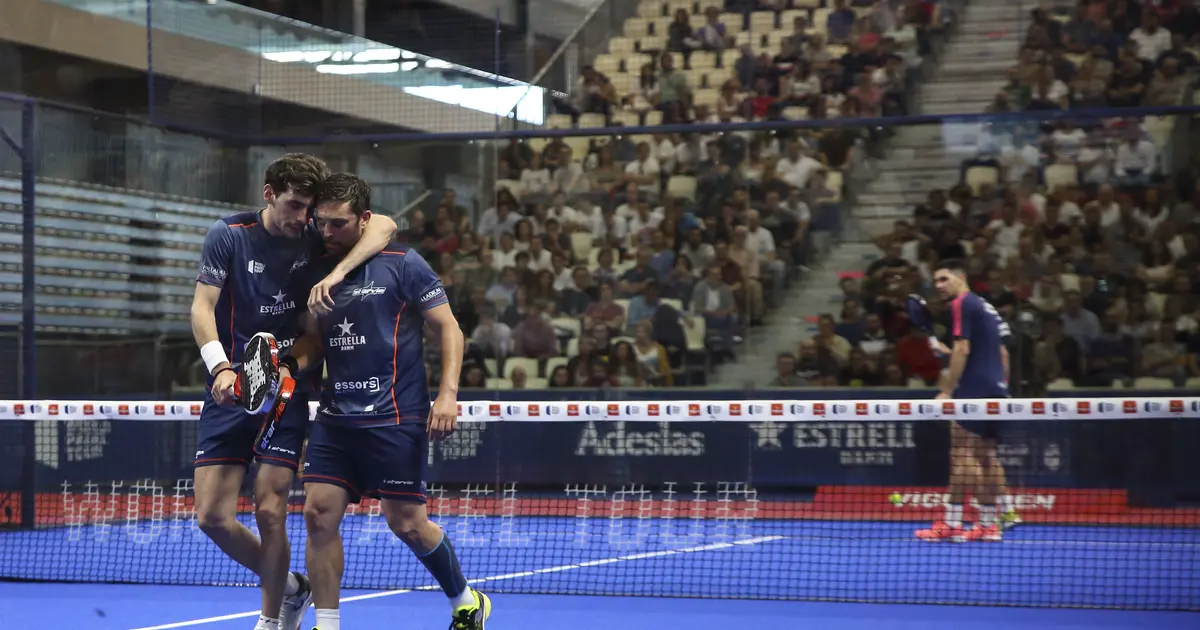
What Happens If the Ball Hits a Player in Padel?
If the ball hits a player's body in padel, that player's team loses the point — with limited exceptions. Full FIP rule breakdown with scenarios.
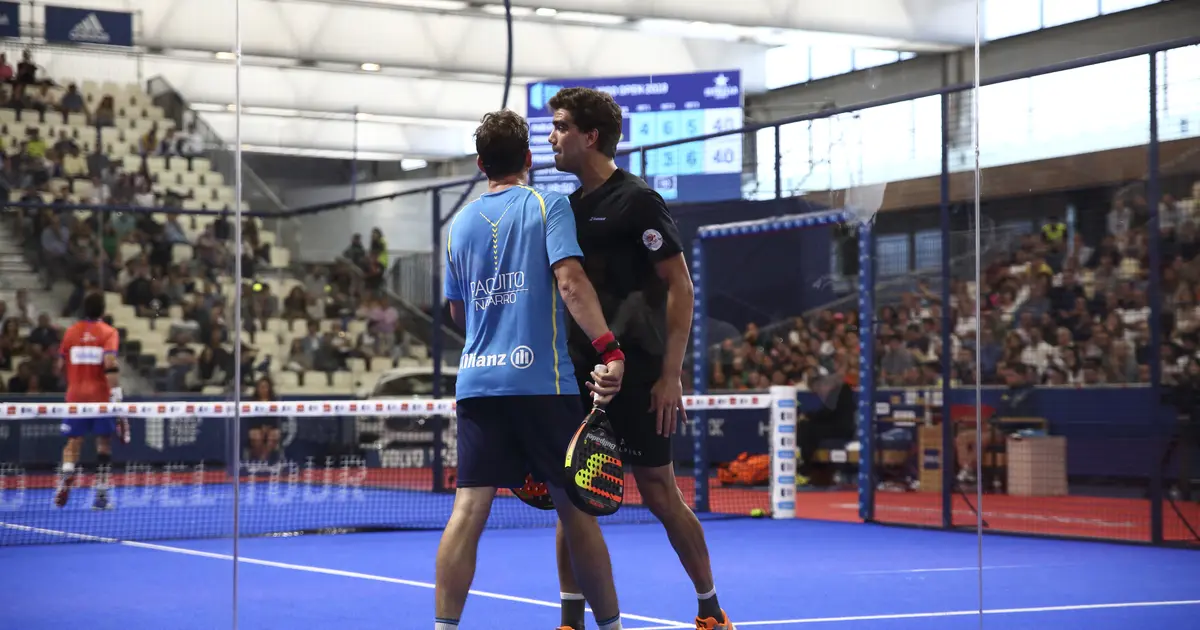
What Happens When the Ball Goes Out of the Court in Padel?
When the ball leaves the padel court through an open door or over the fence, the point may continue if a player can retrieve it.
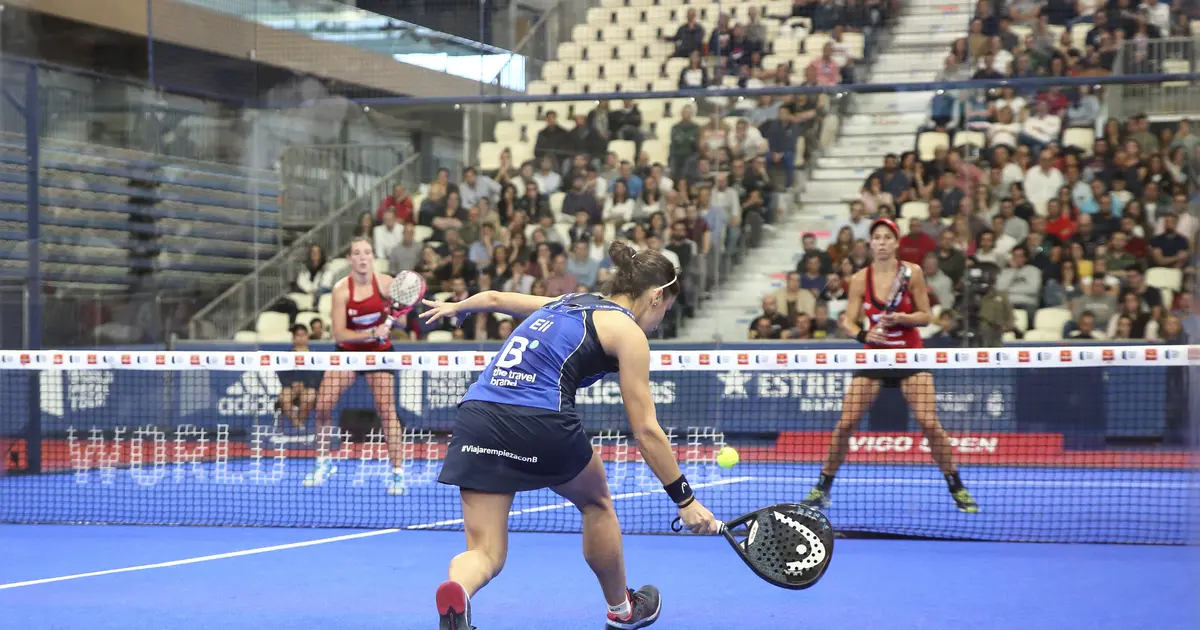
Can the Ball Bounce Twice in Padel?
No — if the ball bounces twice on your side of the court, you lose the point. Learn the one-bounce rule, wall rebounds, and the exceptions every padel.
Padel Fault Rules and Lets
A fault is an invalid serve — two faults lose the point. A let means the serve is replayed with no penalty. Covers every fault type and the let rule with real-match scenarios.