 PADEL RULES
Can the Ball Bounce Twice in Padel?
4 min read
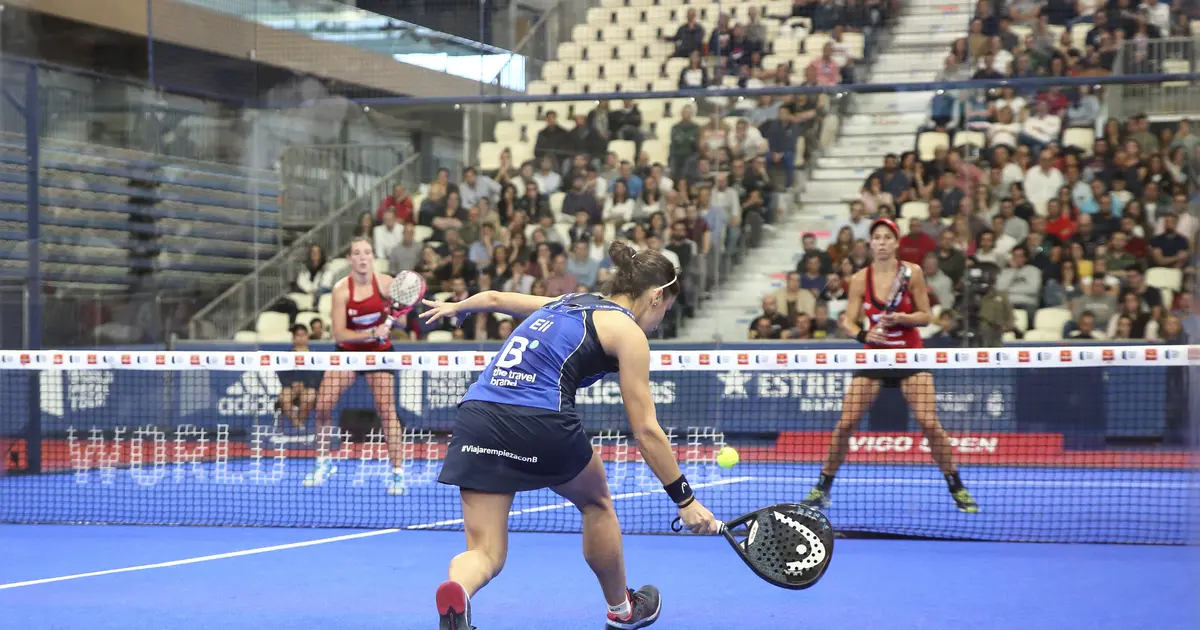
No — if the ball bounces twice on your side of the court, you lose the point. This is one of the most fundamental rules in padel and applies to every rally, from the return of serve onwards. There are no exceptions: two ground bounces on the same side always end the point.
The One-Bounce Rule Explained
Under the FIP Rules of Padel (Rule 12), the ball must be returned before it bounces on the ground a second time on the receiving team’s side. The first bounce starts the clock — once the ball hits the floor a second time, the rally is over and the point goes to the team that hit the shot.
This rule is identical in concept to tennis, but in padel the walls add a layer of complexity. After the first ground bounce, the ball may rebound off the back glass, side walls, or metal mesh — and it is still in play. Players often wait for a wall rebound to make their return easier, but they must strike the ball before a second floor bounce occurs.
Wall Rebounds Are Not Bounces
A common source of confusion for beginners: only contact with the ground counts as a bounce. If the ball hits the floor once, then rebounds off the back glass, it has only bounced once. The ball can ricochet off multiple walls and still be legally in play, provided it has not touched the ground a second time.
For example:
- Ball lands on the floor → hits back glass → player returns it ✅ (one bounce)
- Ball lands on the floor → hits back glass → hits side wall → player returns it ✅ (still one bounce)
- Ball lands on the floor → hits back glass → lands on the floor again ❌ (two bounces — point over)
See wall play for the complete rules on wall rebounds during rallies.
During the Serve
The one-bounce rule also applies to the serve. The ball must bounce once in the correct service box and then be returned before it bounces a second time. If the receiver lets the ball bounce twice, the server wins the point — even if the second bounce happens after a wall rebound.
However, if the serve itself is a fault or let, the double-bounce rule does not apply because the ball was never legally in play.
Out-of-Court Scenarios
In professional padel, the ball can leave the court enclosure through an open door or over the fence after bouncing once. In this case, the receiving team may chase the ball outside the court and return it — but only before a second ground bounce. If the ball bounces twice outside the enclosure, the point is lost just as it would be inside the court.
Why the Rule Matters
The double-bounce rule is what makes wall play tactical. Skilled players use lobs and deep shots to force opponents into difficult positions near the back glass, knowing that if the ball bounces twice, they win the point automatically. It also rewards quick reflexes — getting to the ball before the second bounce is a core athletic demand of padel.
Quick Reference
| Situation | Result |
|---|---|
| Ball bounces once, player returns it | Play continues |
| Ball bounces once, hits wall, player returns it | Play continues |
| Ball bounces twice on same side | Point lost for that team |
| Ball bounces twice outside the court | Point lost for that team |
| Serve bounces twice in service box | Receiver loses the point |
See also: ball in play · ways to lose a point
Stay in the loop
Get padel rule updates and tournament news — no spam.
More in Basic Rules
What Happens If the Ball Hits a Player in Padel?
If the ball hits a player's body in padel, that player's team loses the point — with limited exceptions. Full FIP rule breakdown with scenarios.
What Happens When the Ball Goes Out of the Court in Padel?
When the ball leaves the padel court through an open door or over the fence, the point may continue if a player can retrieve it.
Padel Fault Rules and Lets
A fault is an invalid serve — two faults lose the point. A let means the serve is replayed with no penalty. Covers every fault type and the let rule.

What Happens If You Hit the Ball Twice in Padel?
Hitting the ball twice in padel results in losing the point — unless the double contact is unintentional and happens in a single continuous swing.