 PADEL RULES
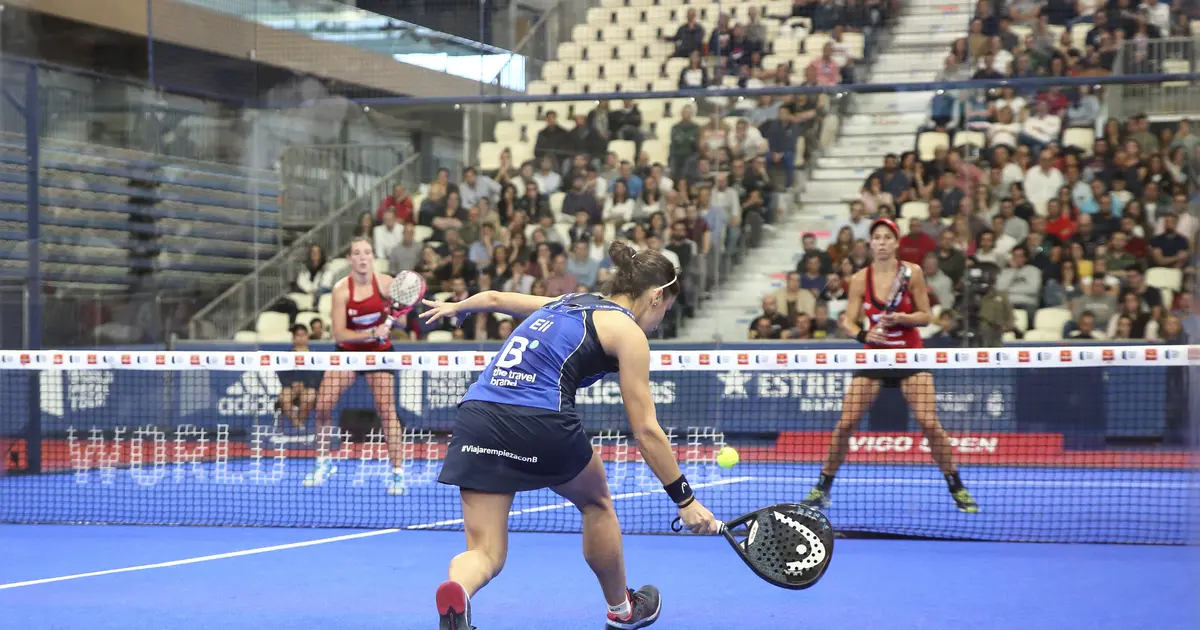
Padel Ball in Play Rules: When Is the Ball Live?
6 min read
Understanding when the ball is in play — and when it is not — is fundamental to padel. Unlike tennis, where the playing surface ends at the baseline, padel courts are enclosed by glass and metal mesh walls that keep the ball alive in ways that surprise new players. The FIP Rules of Padel (Rule 12) define exactly what counts as live play.
See also: wall play for detailed wall rebound rules, out-of-court play for when players may chase the ball outside the enclosure, faults and lets for serve-related stoppages, and ways to lose a point for all rule violations that end the rally.
When the Ball Is in Play
The ball is in play from the moment a valid serve is struck and remains in play until:
- The ball bounces twice on the same side of the court
- The ball goes out of bounds (over the fence, through the mesh, or out of the enclosure entirely)
- The ball hits the net and does not cross over
- A let or fault is called by the referee
- A player commits a fault (e.g., ball hits their body)
The Role of the Walls
In padel, the glass and metal mesh walls are part of the court enclosure and the ball can legally rebound off them during a rally. Key rules:
Ball Off the Opponent’s Walls
A ball may rebound off the opponent’s back wall or side wall and still be in play — players on the other side must return it after no more than one bounce on the ground.
Ball Off Your Own Walls (Before Crossing the Net)
A ball may hit the walls on the player’s own side of the court before crossing the net — this is a valid return, provided the ball then lands in the opponent’s court. For example, a player may hit the ball into their own back glass and have it travel over the net from there. This is one of the unique features of padel gameplay.
The ball is not in play if a player’s return hits their own court ground on the same side before crossing the net, or if it hits their own wall and then fails to land in the opponent’s court.
Ball Lands Out of Court
If the ball leaves the court enclosure (e.g., goes over the fence or through an opening), the point ends immediately. In some cases, a player may legally exit the court to play the ball — see out-of-court play.
The Net
A ball that hits the top of the net and falls onto the opponent’s side during a rally (not the serve) is in play — the point continues. A ball that hits the net and falls back on the same side is out of play; the opponent wins the point.
On the serve, a ball that clips the net and lands correctly in the service box is a let (the serve is replayed). See serve rules for details.
Lines
- The ball must land in the service box on the serve (on or within the lines)
- During a rally, the side lines and baseline do not restrict where the ball may land — the ball may land anywhere inside the court enclosure, including against or off the walls
Double Bounce
Once the ball has bounced twice on the same side of the court, the team on that side loses the point. The bounce does not have to be within the main court area — if the ball bounces a second time anywhere on that team’s side (including behind the baseline, off the wall), the point is over. See can the ball bounce twice? for a deeper look at the one-bounce rule.
Common Scenarios That Confuse Players
Ball Hits the Metal Fence After a Wall Rebound
If the ball bounces on the ground, hits the back glass, and then touches the metal mesh or side fence, it is still in play — the ball has only bounced once on the ground. Players may return it as long as they reach it before the second floor bounce.
Ball Rolls Along the Top of the Net
If the ball rolls along the top of the net during a rally and drops onto the opponent’s side, it is in play. There is no let — the receiving team must attempt to reach it. This is one of the most frustrating shots in padel, but the rules are clear: once it crosses the net, play continues.
Serve Hits the Net
On the serve, a net cord is treated differently. If the served ball clips the net and lands in the correct service box, it is a let — the serve is replayed. This is the only time a net cord pauses play.
Ball Lands on the Line
During the serve, the ball must land in or on the lines of the service box to be good. During a rally, court lines do not restrict where the ball may land — the entire court floor is in play, and the walls extend the playing area further.
Summary
| Situation | In play? |
|---|---|
| Ball rebounds off opponent’s back wall | Yes |
| Ball hits your own wall then lands in opponent’s court | Yes — valid return |
| Ball hits your own wall then fails to cross net | No — fault |
| Ball clips net and crosses during rally | Yes |
| Ball clips net on serve and lands in box | Let — serve replayed |
| Ball bounces twice on same side | No — point ends |
| Ball exits court enclosure | No — point ends |
| Ball hits fence after wall rebound (1 ground bounce) | Yes |
| Ball rolls along net top and drops to opponent’s side | Yes |
See also: when do you lose a point in padel? · padel let rule explained · wall play
Related Game Rules
Stay in the loop
Get padel rule updates and tournament news — no spam.
More in Gameplay Rules
Interference in Padel: When Points Are Replayed, Lost, or Disputed
FIP Rule 11 explains when interference causes a let (replay) vs. point loss. Learn the difference between external interference, deliberate hindrance, and accidental disruptions — plus what happens when a ball hits a player.
When Do You Lose a Point in Padel? Every Fault Explained (Rule 13)
Every situation that costs you a point — double bounces, net touches, body contact, dropped rackets, and more. The complete FIP Rule 13 guide with examples, the 2026 wrist strap rule, and answers to common disputes.
Ways to Win a Point
FIP Rule 15 covers the ways a team wins a point in padel — from forcing a double bounce to winners, net faults by opponents, and code violation penalties.
Where Do Players Stand in Padel? Court Positions Explained
Learn exactly where players must stand in padel during the serve and in general play. FIP Rule 3 covers server, receiver and partner positions.