 PADEL RULES
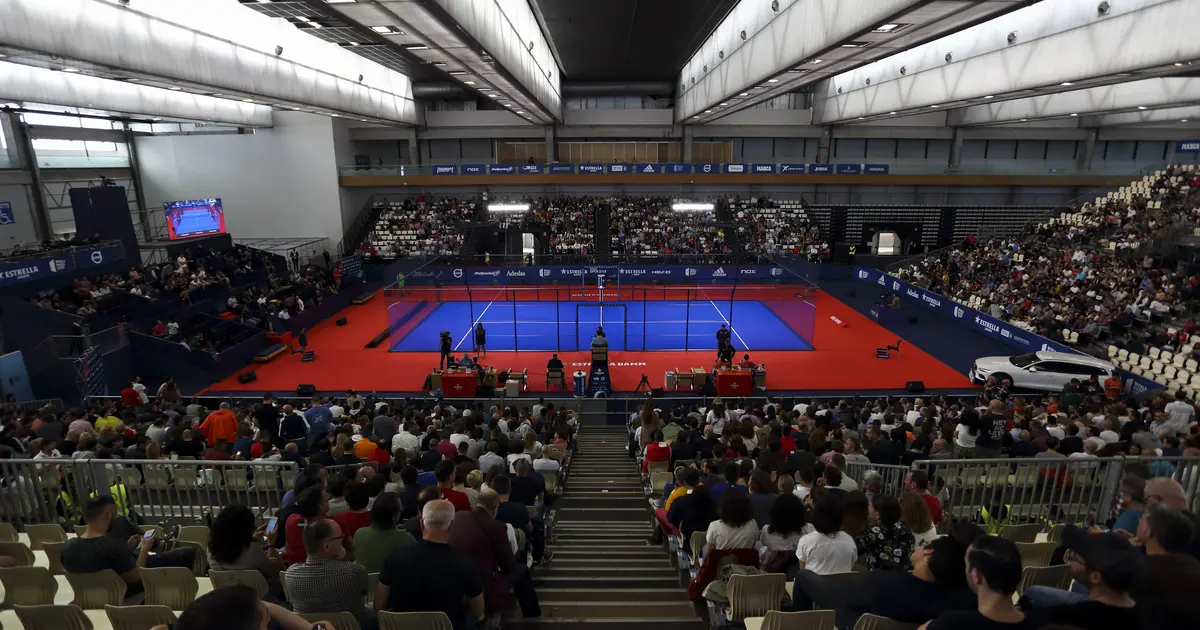
Padel Let Rule Explained: When Is a Serve Replayed?
5 min read
Quick Answer
A let is a serve that clips the net cord and still lands in the correct service box — the serve is replayed with no penalty and without counting as a fault. There is no limit on consecutive lets; each one simply replays that serve attempt.
The let is one of the most misunderstood rules in padel, especially for players coming from tennis. In simple terms, a let means the serve is replayed — no point is won or lost, no serve attempt is consumed. Here is everything you need to know about when and why a let is called.
What Is a Let in Padel?
A let occurs when the served ball clips the top of the net cord and still lands correctly inside the service box. Because the net interfered with the ball’s path but the serve was otherwise good, the rules treat it as a do-over. The server takes the same serve again — first serve if it was a first serve, second serve if it was a second serve.
This is different from tennis in one important way: in many tennis competitions, a net cord on serve is now played as live. In padel, a net cord on the serve is always a let — the point is never played out.
When Is a Let Called on the Serve?
The FIP Rules of Padel specify two situations where a let is called:
1. Ball Clips the Net and Lands in the Box
The ball touches the net cord, crosses over, and bounces inside the correct service box. The serve is replayed. It does not matter how much the ball’s trajectory changed — if it lands in the box, it is a let.
Important: the ball must land in the box and must not hit the metal fence before bouncing a second time. If the ball clips the net, lands in the box, and then immediately strikes the side fence before the second bounce, that is a fault, not a let.
2. The Receiver Was Not Ready
If the server delivers the ball before the receiver is ready — and the receiver does not attempt to return it — the serve is replayed as a let. If the receiver swings at the ball, they are considered to have been ready regardless of the outcome.
Let vs Fault: The Key Distinction
The confusion between lets and faults is the most common rule dispute among beginners. Here is the simple test:
| Ball clips the net and… | Result |
|---|---|
| Lands in the correct service box | Let — replay the serve |
| Lands outside the service box | Fault |
| Lands in the box, then hits the fence before 2nd bounce | Fault |
| Hits the net post (not the cord) and lands in the box | Fault |
| Does not cross the net | Fault |
The distinction is clear: a let only happens when the serve would have been good except for the net cord interference. If the ball ends up anywhere it should not be, it is a fault.
For a complete list of all fault scenarios, see faults and lets.
How Many Lets Are Allowed?
There is no limit. If the server clips the net cord and lands in the box five times in a row, all five are lets and the serve is replayed each time. In practice, consecutive lets are rare, but the rule is absolute — no penalty, no matter how many times it happens.
First Serve Let vs Second Serve Let
The serve attempt is preserved:
- Let on a first serve — the entire point is replayed, and the server has both serves again
- Let on a second serve — only the second serve is replayed; the first-serve fault still counts
This is a detail many recreational players get wrong. A second-serve let does not reset the count back to a first serve.
Lets During a Rally
Lets are not limited to the serve. During a rally, a let can be called if:
- A ball from another court rolls onto the playing area and could have affected the point
- An unexpected hazard enters the court (an animal, a fallen object, or a person walking through)
When a rally let is called, the entire point is replayed from the first serve — not just the interrupted shot. This protects both teams from being disadvantaged by the interruption.
The referee (or players in self-officiated matches) decides whether the intrusion could have affected play. If the ball from the adjacent court landed well away from the action, play may continue. See interference for the complete rules on external disturbances.
Net Cord During a Rally — Not a Let
This is the rule players confuse most often. If the ball hits the net during a regular rally (not a serve) and crosses over into the opponent’s court, it is in play — the rally continues. There is no let. The receiving team must play the ball.
Only on the serve does a net cord trigger a let. During rallies, the net cord is just part of the game. See ball in play for more on rally rules.
Summary
| Situation | What happens |
|---|---|
| Serve clips net, lands in box | Let — replay serve |
| Serve clips net, lands out | Fault |
| Receiver not ready, does not swing | Let — replay serve |
| Rally ball clips net, crosses over | In play — rally continues |
| Ball from adjacent court enters play | Let — replay entire point |
| Multiple consecutive lets on serve | All replayed, no limit |
For the full FIP serve requirements and fault list, see serve rules and faults and lets.
Related Padel Rules
Stay in the loop
Get padel rule updates and tournament news — no spam.
More in Basic Rules
What Happens If the Ball Hits a Player in Padel?
If the ball hits a player's body in padel, that player's team loses the point — with limited exceptions. Full FIP rule breakdown with scenarios.
What Happens When the Ball Goes Out of the Court in Padel?
When the ball leaves the padel court through an open door or over the fence, the point may continue if a player can retrieve it.
Can the Ball Bounce Twice in Padel?
No — if the ball bounces twice on your side of the court, you lose the point. Learn the one-bounce rule, wall rebounds, and the exceptions every padel.
Padel Fault Rules and Lets
A fault is an invalid serve — two faults lose the point. A let means the serve is replayed with no penalty. Covers every fault type and the let rule with real-match scenarios.