 PADEL RULES

What Happens If You Hit the Ball Twice in Padel?
3 min read
If you hit the ball twice deliberately with two separate swings, you lose the point. However, if the double contact is accidental and happens during a single continuous stroke, play continues. This distinction is critical and comes up more often than you might expect, especially on defensive shots near the walls.
The FIP Double-Hit Rule
The FIP Rules of Padel (Rule 13) state that a player loses the point if they strike the ball twice deliberately — meaning two distinct hitting motions. However, if the ball makes double contact with the racket during a single, continuous swing, it is considered a legal shot and the rally continues.
This mirrors the rule used in tennis and most other racket sports. The key question is always: was there one swing or two?
When Double Hits Happen
Double hits most commonly occur in these situations:
- Volleys at the net — A fast ball at close range can catch the racket frame and then the strings (or vice versa) in a single motion
- Defensive shots off the back glass — When scrambling to return a ball rebounding off the wall, the racket may make contact twice in one swing
- Mis-hit returns — An awkward body position can cause the ball to clip the racket edge and then the face
In all these cases, if the player made a single swing attempt, the shot is legal regardless of how many times the ball touched the racket.
How Referees Judge It
In officiated matches, the referee watches for two things:
- Number of swinging motions — One continuous swing = legal; two separate swings = point lost
- Intent — Was the player trying to hit the ball twice, or did double contact happen involuntarily?
In self-officiated matches (most club play), players should apply the same principle honestly. If you feel you made two distinct swinging motions, call it on yourself.
2026 rule change: The 2026 FIP revision clarified the language around involuntary double hits, explicitly stating that a single continuous swing producing double contact is always legal, regardless of whether the ball changes direction. Previously, some referees penalised double hits that significantly altered the ball’s trajectory, even if they occurred in one swing.
Carrying or Scooping the Ball
A related rule: you may not carry, scoop, or hold the ball on the racket during a stroke. The ball must be cleanly struck. If a player’s swing causes the ball to visibly rest on the strings and then be pushed forward (rather than bouncing off), the point is lost. This is a separate infraction from a double hit, but it sometimes occurs in similar scrambling situations.
What About Your Partner?
If the ball hits both partners in succession — for example, it deflects off one player’s racket and their partner then plays it — the point is lost. Only one player on a team may strike the ball per shot. See ways to lose a point for the full list.
Quick Reference
| Situation | Result |
|---|---|
| Ball touches racket twice in one continuous swing | Legal — play continues |
| Player makes two separate swings to hit the ball | Point lost |
| Ball is carried or scooped on the racket | Point lost |
| Ball hits one partner’s racket then the other partner plays it | Point lost |
See also: ball in play · ways to lose a point · faults and lets
Stay in the loop
Get padel rule updates and tournament news — no spam.
More in Basic Rules

What Happens If the Ball Hits a Player in Padel?
If the ball hits a player's body in padel, that player's team loses the point — with limited exceptions. Full FIP rule breakdown with scenarios.
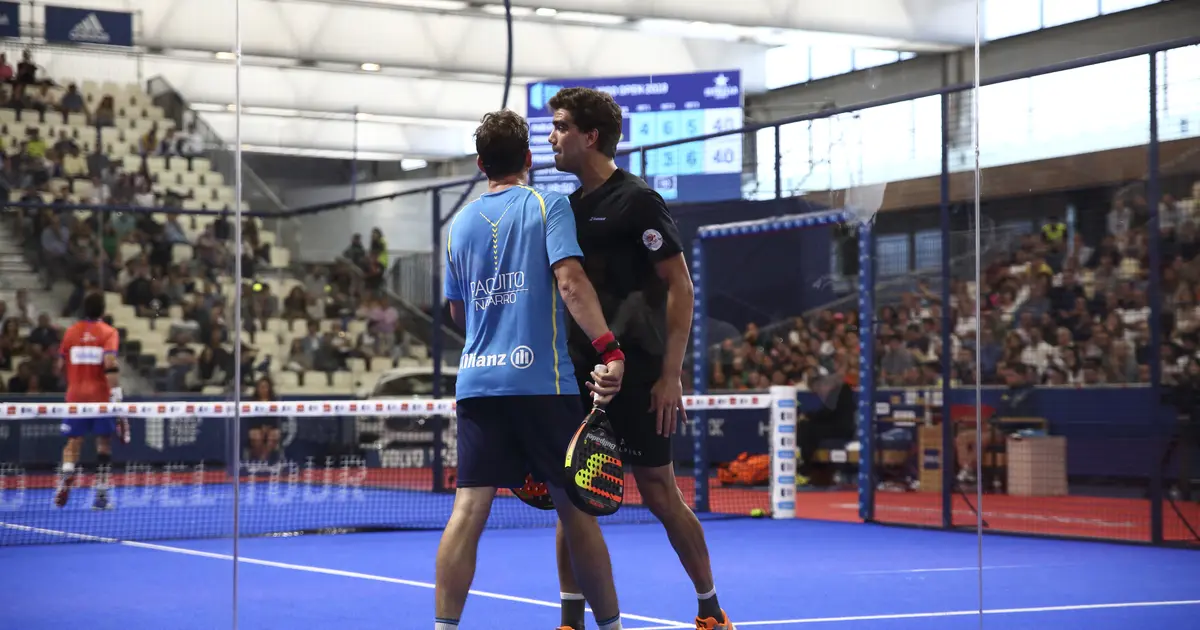
What Happens When the Ball Goes Out of the Court in Padel?
When the ball leaves the padel court through an open door or over the fence, the point may continue if a player can retrieve it.
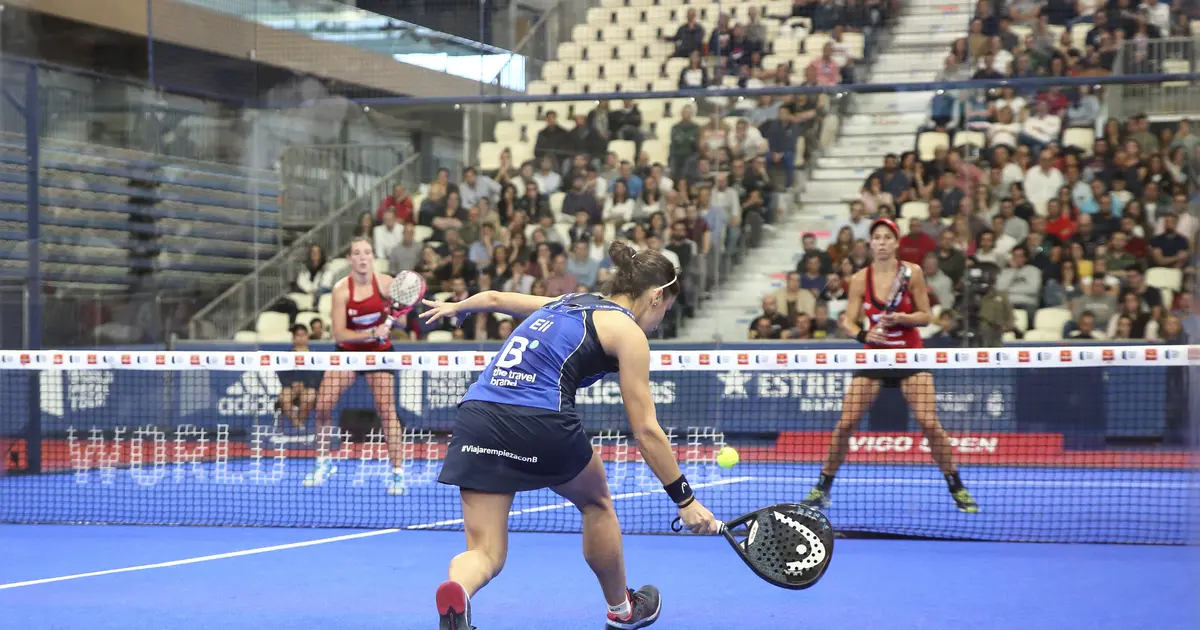
Can the Ball Bounce Twice in Padel?
No — if the ball bounces twice on your side of the court, you lose the point. Learn the one-bounce rule, wall rebounds, and the exceptions every padel.
Padel Fault Rules and Lets
A fault is an invalid serve — two faults lose the point. A let means the serve is replayed with no penalty. Covers every fault type and the let rule.