 PADEL RULES
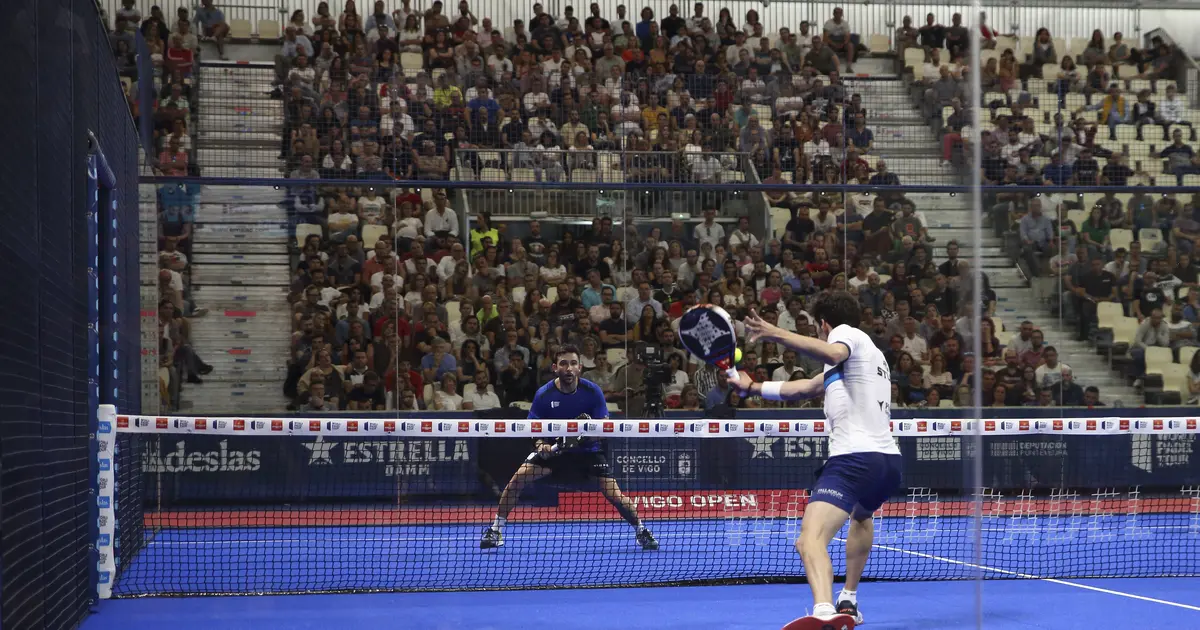
Player Rotation and Changeovers
3 min read
Player rotation in padel covers two main concepts: changing ends (changeovers) and service rotation. Both are strictly regulated. See changes of sides for the full end-change rules, service order for the serving rotation, and tie-break rules for tie-break specifics.
Changing Ends (Changeovers)
Players switch sides of the court:
- After the 1st game of each set
- After every 2 games thereafter (i.e., when the total number of games in the set is odd)
- At the start of a tie-break (the side you start on is determined by the end of the set)
- During a tie-break: after every 6 points played
Example — Set Changeovers
| Games played in set | Change ends? |
|---|---|
| After game 1 | Yes |
| After game 2 | No |
| After game 3 | Yes |
| After game 4 | No |
| After game 5 | Yes |
| After game 6 | No |
| Tie-break starts | Yes (change at start) |
| After 6 tie-break points | Yes |
Time Allowed During Changeovers
- Side change: maximum 90 seconds
- Between sets: maximum 120 seconds
- Side change during tie-break: maximum 20 seconds
Service Order During Changeovers
The service order is not affected by a changeover. Whichever player is next in the rotation serves the first point after the changeover.
Player Positions
Players are free to position themselves anywhere on their side of the court during a rally. There is no fixed position for either player — the notion of a “forehand side” and “backhand side” is a strategic choice, not a rule.
However, during the serve:
- The server must stand behind the service line in the appropriate half
- The server’s partner may stand anywhere on their side
- The receiving players may stand anywhere on their side, but the receiver must be ready before the serve is delivered
Receiving Positions
At the start of each game, the receiving team decides which player will receive serves from the right side and which from the left side. This arrangement is maintained for the entire game.
The receiving order cannot be changed during a set or tie-break. At the start of a new set, the receiving team may reorganise — choosing which player receives from each side for that set.
Switching Sides During a Point
Players may cross their own half of the court and cover their partner’s side at any time during a rally. In practice, partners often switch sides mid-rally to cover a better position, particularly after an overhead smash or lob.
Stay in the loop
Get padel rule updates and tournament news — no spam.
More in Basic Rules

What Happens If the Ball Hits a Player in Padel?
If the ball hits a player's body in padel, that player's team loses the point — with limited exceptions. Full FIP rule breakdown with scenarios.

What Happens When the Ball Goes Out of the Court in Padel?
When the ball leaves the padel court through an open door or over the fence, the point may continue if a player can retrieve it.
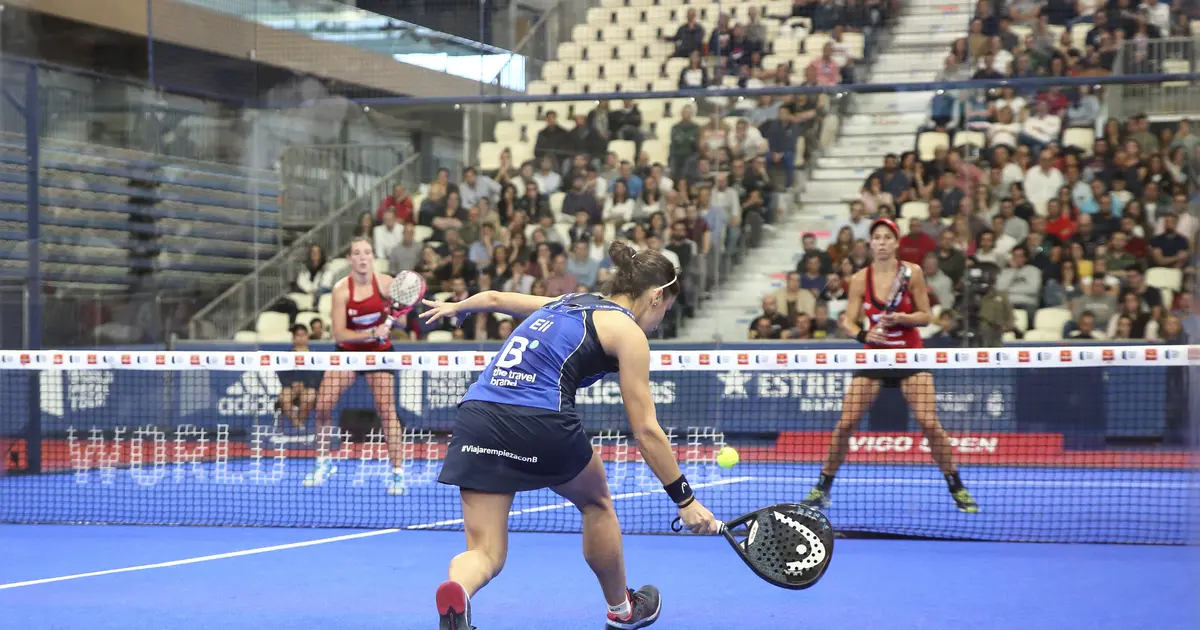
Can the Ball Bounce Twice in Padel?
No — if the ball bounces twice on your side of the court, you lose the point. Learn the one-bounce rule, wall rebounds, and the exceptions every padel.
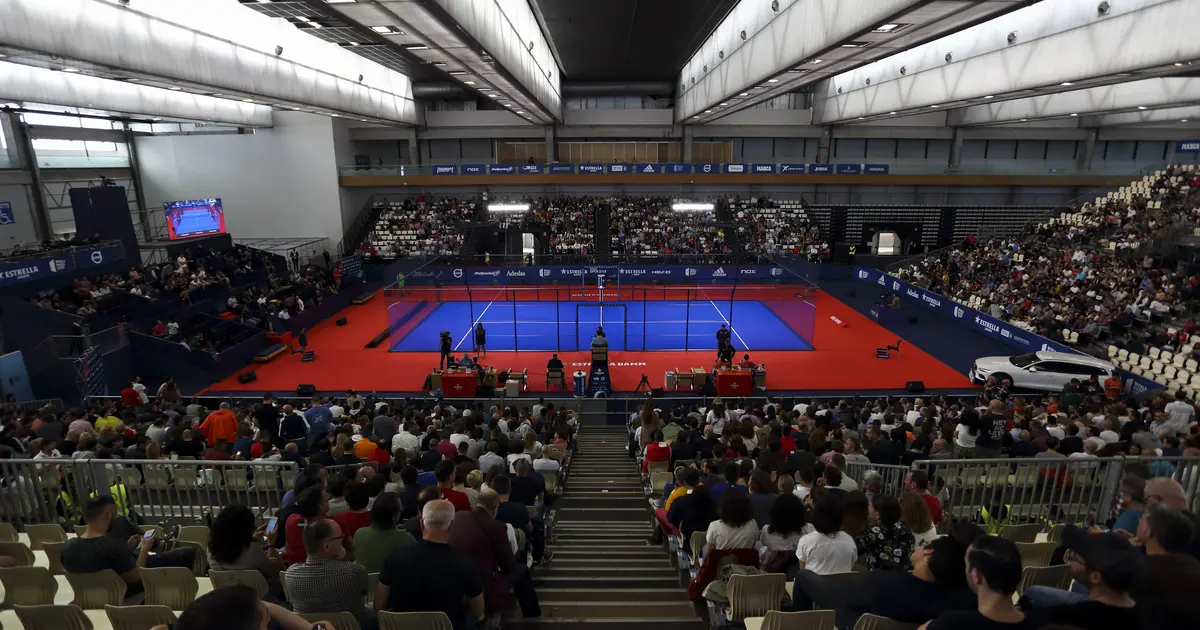
Padel Fault Rules and Lets
A fault is an invalid serve — two faults lose the point. A let means the serve is replayed with no penalty. Covers every fault type and the let rule.