 PADEL RULES
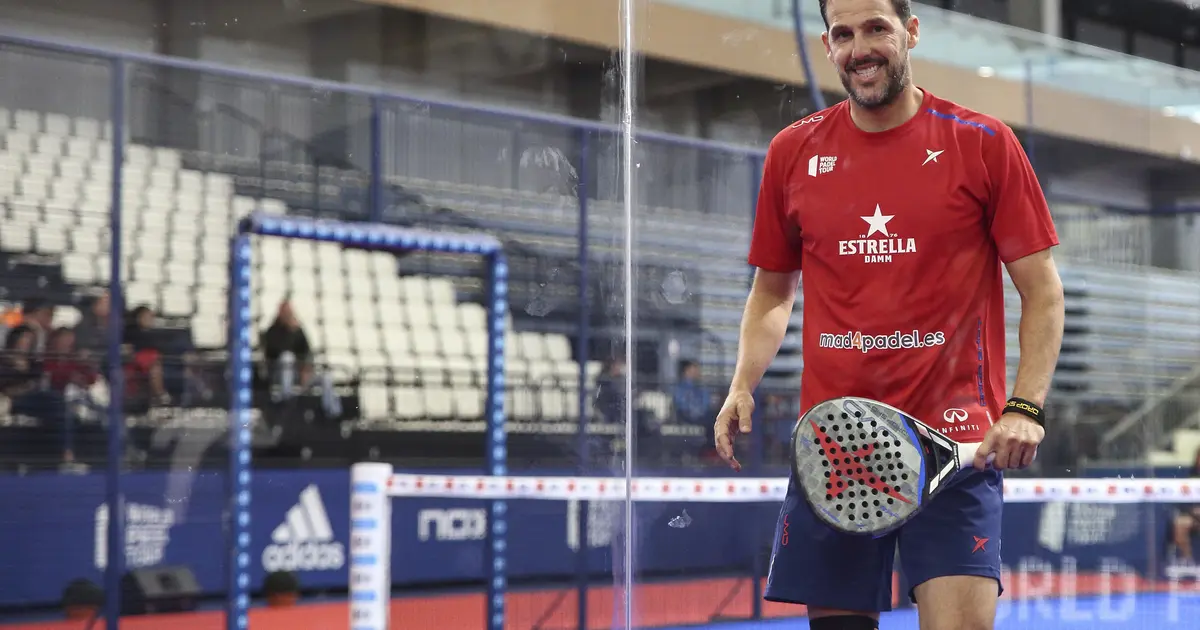
Padel Wrist Straps: Mandatory Safety Equipment & Why Length Matters
6 min read
The wrist strap is a mandatory safety requirement, not optional gear. It’s the difference between a dropped racket staying at arm’s length versus becoming a projectile in an enclosed court. The FIP’s specific requirements (non-elastic cord, maximum 35 cm) are engineered to prevent injury.
The Injury Risk Without Wrist Straps
Padel involves high-velocity racket movements. Without a strap:
The Physics of a Dropped Racket
- Racket velocity in fast swings: 15–20 m/s (30–40 mph)
- Grip loss commonly occurs during follow-through or recovery from a hard swing
- Without a strap, the racket becomes a projectile
- In an enclosed court (20 m length, 10 m width), there’s nowhere to escape
Documented Injury Risks
Flying rackets can cause:
- Facial injuries — eyes, nose, teeth (serious trauma)
- Neck and shoulder impacts — upper body vulnerable to swinging racket
- Partner injury — at net, partners are close and unprotected
- Spectator injury — particularly at viewports and railings
The strap ensures that if grip is lost, the racket stays tethered to your body at arm’s length, unable to swing dangerously.
Why Non-Elastic Cord, Not Elastic?
This specification is critical:
Non-Elastic Cord (Required)
- Creates rigid connection from wrist to racket handle
- If dropped, racket hangs straight down at arm’s length
- Cannot swing or pendulum
- Impact energy is absorbed by arm movement, not racket momentum
Elastic Straps (Not Permitted)
- Would stretch if racket falls
- Allows racket to swing like a pendulum
- Creates dangerous whipping motion if strap suddenly becomes taut
- Can snap back and strike the player’s face or neck
The non-elastic requirement prevents the pendulum injury — an elastic strap that stretches then suddenly tightens can snap the racket upward with significant force.
Official Wrist Strap Specifications
Required Properties
| Property | Specification |
|---|---|
| Material | Non-elastic cord (nylon, polyester, etc.) |
| Maximum length | 35 cm |
| Attachment | Fixed into racket handle |
| Wearing position | Looped around dominant wrist |
Why 35 cm Specifically?
35 cm ≈ wrist-to-elbow distance:
- Allows natural arm-length reach
- If racket is dropped, it hangs at maximum arm extension
- Cannot swing back toward face or neck
- Provides flexibility while maintaining safety
Longer straps would:
- Allow racket to swing toward face (impact risk)
- Create longer pendulum arm (more momentum)
- Increase injury severity
Shorter straps are acceptable (more restrictive but still safe), but 35 cm is the maximum.
Tournament-Legal Strap Checklist
Before official play, ensure your strap meets requirements:
- Non-elastic (not rubber or elastic band)
- Maximum 35 cm in length (measure from wrist attachment to racket handle)
- Fixed securely to racket handle (stitched or crimped, not glued)
- Worn around wrist during play
- No damage or fraying (broken straps lose safety function)
- Secure attachment to wrist (won’t slip off during play)
What Happens If Strap Breaks During Play?
During a Point
You immediately lose the point — there is no pause to replace the strap.
Why? Because once a strap breaks, the racket is now a projectile during that rally. Continuing play without a strap is unsafe. The point penalty is harsh but justified for safety.
Between Points
You can quickly replace the strap before the next point. Always carry a backup strap in your equipment bag.
Before a Match
Make sure your strap is:
- Securely attached to the racket
- Intact (no fraying, no damage)
- The correct length
- Properly sized for your wrist
Wearing the Strap Comfortably
Proper Fitting
- Strap should be snug but not tight (don’t restrict blood flow)
- Should not impede wrist rotation
- Should stay in place without slipping
Over Other Gear
You can wear the strap over:
- Gloves or racketball gloves
- Wristbands or sweatbands
- Wrist tape (for injured wrists)
The strap just needs to be secure and functional — it doesn’t matter what’s under it.
Comfort Tips
- If the strap digs into skin, wear a thin sweatband underneath
- Ensure it’s not cutting off circulation (test: does your hand turn cold or white?)
- Adjust fit between points if needed
Penalty for Not Using the Strap
Tournament Play
If you’re found not wearing a strap during a match:
- First violation — Warning from referee (code violation)
- Second violation — Point penalty against your team/pair
- Repeated violations — Disqualification from the tournament
The rule is enforced before matches start — referees check straps during pre-match inspection.
Club Play
If your club enforces the rule:
- Warning and requirement to put on strap
- No penalty if corrected immediately
Recreational Play
No enforcement, but safety is still your responsibility — wear a strap even if not required.
The Strap and Your Grip
The wrist strap is separate from racket grip and should not affect your grip feel:
- Grip = what your hand holds (grip size, overgrip material)
- Wrist strap = safety cord connected to the handle
They serve different purposes. The strap doesn’t enhance or reduce grip quality — it’s just a safety tether.
Replacing a Damaged Strap
If your strap is old, frayed, or damaged:
When to Replace
- Visible wear or fraying
- Strap is shorter than needed (has torn or been cut)
- Attachment point is loose or stitching is failing
- After 1–2 years of regular use (normal wear)
Replacement Options
- Pre-attached strap — many rackets come with one; verify it meets FIP spec
- Aftermarket replacement cords — available from padel retailers; ensure they’re non-elastic and ≤35 cm
- DIY replacement — use non-elastic cord (paracord, nylon rope) and secure with stitching or a crimped ferrule
Most players simply replace their racket rather than replace a strap, but replacement is cheaper.
Strategic Considerations
The wrist strap has no strategic advantage or disadvantage:
- Doesn’t affect power
- Doesn’t affect spin
- Doesn’t affect mobility
- Doesn’t affect court positioning
It’s purely a safety requirement, not a strategic element.
Summary
| Aspect | Key Point |
|---|---|
| Required | Mandatory in all official play |
| Material | Non-elastic cord only |
| Length | Maximum 35 cm |
| Why length matters | Prevents swinging racket; keeps it at arm’s length |
| Break during play | Immediate point loss |
| Over gloves/bands | Allowed; just keep it secure |
| Penalty | Warning → point penalty → disqualification |
| Impact on play | None (purely safety) |
For related equipment, see racket specifications and grip and overgrip.
Related Player Rules
Stay in the loop
Get padel rule updates and tournament news — no spam.
More in Player Guidelines

Padel Court Etiquette: 8 Rules Every Player Must Know
8 essential padel court etiquette rules: continuous play, hindrance calls, ball retrieval, and the FIP conduct standards every club and competitive player must follow.
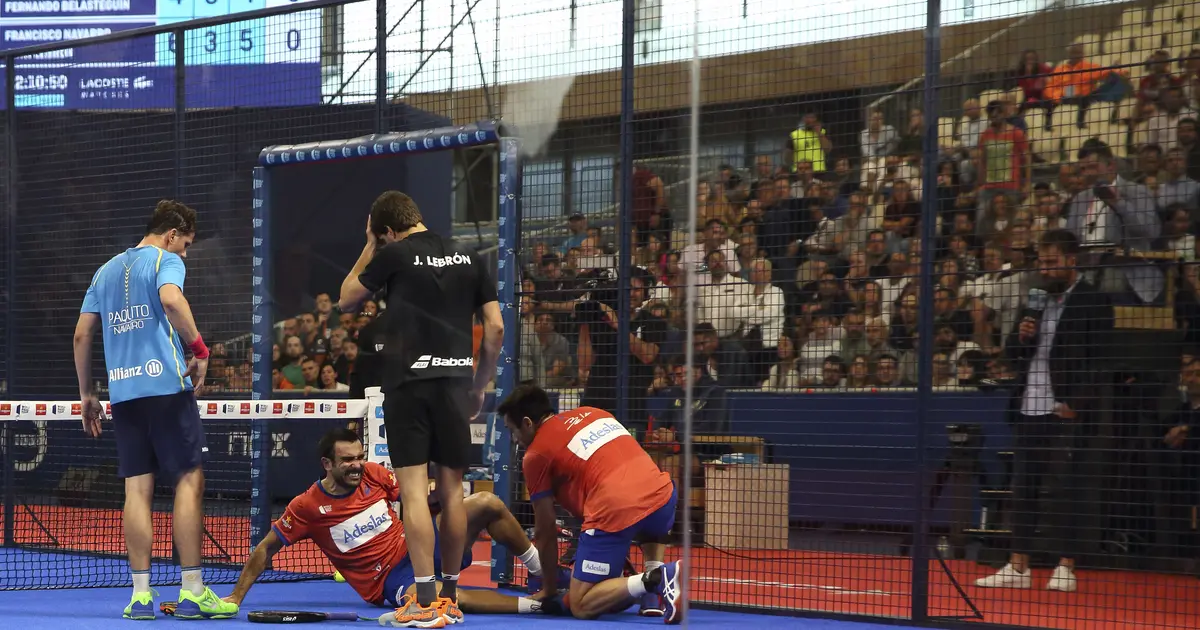
Medical Timeouts: How Padel Balances Injury Care and Fair Play
Players get one 3-minute medical timeout per match to treat injuries. Learn when it applies, what counts as medical vs. abuse, heat/cramp rules, and why no warm-up is allowed after treatment.
Common Padel Injuries and How to Prevent Them
A guide to the most common padel injuries — including padel elbow, shoulder problems, ankle sprains, and knee pain — with practical prevention strategies.
Proper Attire
FIP regulations require non-marking footwear and appropriate sports clothing. Professional events have additional branding and sponsor requirements.