 PADEL RULES
Common Padel Injuries and How to Prevent Them
5 min read
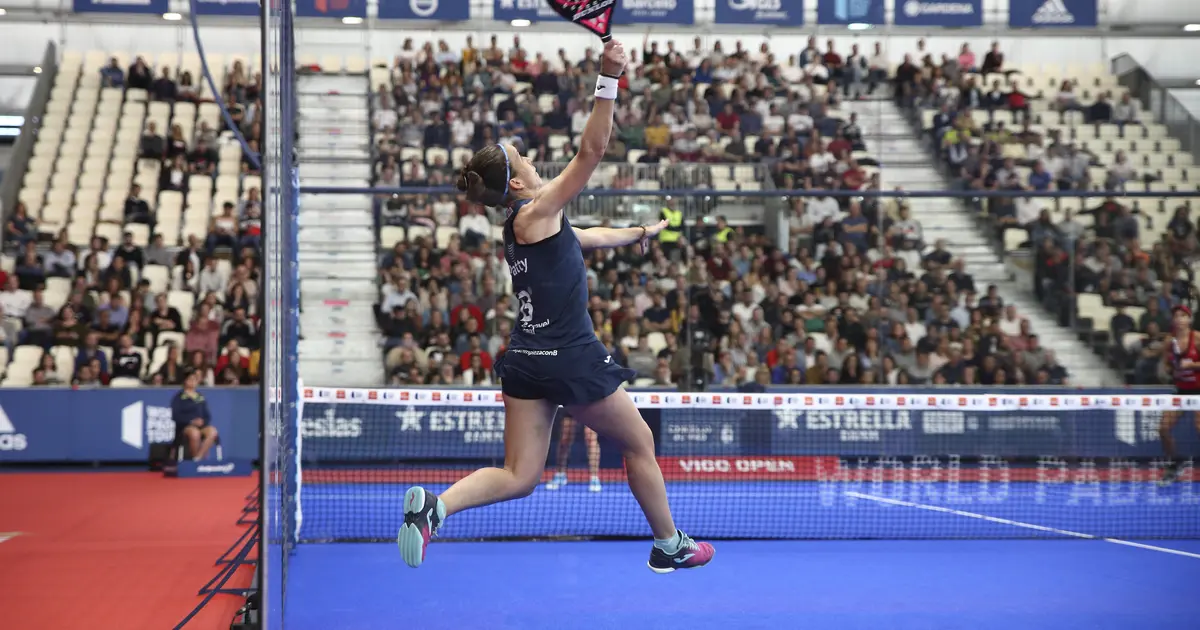
Padel is a low-impact sport compared to tennis, but the enclosed court, overhead shots, and rapid lateral movements create specific injury risks. This guide covers the four most common padel injuries, their causes, and practical steps to prevent them.
Note: This article provides general information for educational purposes. It is not medical advice. If you are experiencing pain, consult a physiotherapist or sports medicine professional.
Shoulder Impingement
Shoulder impingement occurs when the rotator cuff tendons are compressed between the bones of the shoulder during overhead movements.
Causes in padel
The bandeja, vibora, and smash all involve repeated overhead rotation that compresses the supraspinatus tendon. Poor technique — particularly dropping the elbow — and weak rotator cuff muscles increase the risk.
Prevention
- External rotation with band — elbow at 90 degrees pinned to your side, rotate forearm outward. 15 reps per arm, 3 sets
- Prone Y-T-W raises — face-down, raise arms into Y, T, and W positions, hold 3 seconds each. 8 reps, 2 sets
- Scapular wall slides — back against a wall, slide arms up and down in goalpost position. 12 reps, 3 sets
For a full programme, see Padel Shoulder Exercises.
Recovery
Rest from overhead shots, ice for 15–20 minutes after activity, and begin gentle pendulum exercises. Mild cases typically resolve within 4–8 weeks with physiotherapy.
Lateral Epicondylitis (Tennis Elbow)
Padel elbow is inflammation of the tendons on the outside of the elbow from repetitive gripping and wrist extension. The solid face of a padel racket transmits more vibration than a strung racket, especially on off-centre hits. Excessive grip pressure and rapid increases in playing frequency are common triggers.
Prevention
- Eccentric wrist extensions — forearm on a table, palm down, lower a light dumbbell (1–2 kg) over 5 seconds. 10 reps, 3 sets
- Wrist flexor and extensor stretches — arm straight, pull fingers back then down. Hold 20 seconds each direction, repeat 3 times
- Grip strengthening — squeeze a stress ball for 5 seconds. 15 reps, 2 sets
Check your grip and overgrip size — too thin a grip forces you to squeeze harder.
Recovery
Use a counterforce brace below the elbow and ice after activity. Begin eccentric exercises once acute pain subsides. Mild cases improve in 2–4 weeks; moderate cases may take 6–12 weeks.
Ankle Sprains
Ankle sprains are the most common acute injury in padel, typically affecting the lateral ligaments. Split-steps, shuffles, and rapid direction changes place significant stress on the ankle. Stepping on the glass base or metal frame near walls, fatigue, and inadequate footwear increase the risk.
Prevention
- Single-leg balance — 30 seconds eyes open, 30 seconds eyes closed. 3 sets per leg
- Lateral band walks — resistance band around ankles, walk sideways in a low stance. 15 steps each direction, 3 sets
- Calf raises with slow lowering — on the edge of a step, lower over 4 seconds. 12 reps, 3 sets
Invest in proper padel shoes with reinforced lateral support.
Recovery
Follow PRICE: Protect, Rest, Ice, Compress, Elevate. Grade 1 sprains allow light activity within 1–2 weeks; grade 2 typically need 4–6 weeks. Complete proprioception rehabilitation before returning to court.
Knee Issues
Knee problems range from patellofemoral pain to patellar tendinopathy. Staying low at the net, repetitive lunging for wall-side balls, and sudden deceleration all stress the knee joint. Weak quadriceps or glutes cause the knee to track inward, compounding the problem.
Prevention
- Wall sits — knees at 90 degrees, hold 30–45 seconds. 3 sets
- Step-downs — on a 15–20 cm step, one leg, slowly lower the other foot towards the ground. 10 reps per leg, 3 sets
- Glute bridges — push hips up, squeeze glutes 3 seconds at top. 12 reps, 3 sets
Recovery
Reduce playing volume and avoid deep lunges until pain settles. Ice if there is swelling. Quadriceps and glute strengthening is the cornerstone of rehabilitation. Seek assessment for sharp pain, persistent swelling, or instability.
General Prevention Habits
- Warm up every time — 5–10 minutes of dynamic movement before playing
- Build frequency gradually — add no more than one session per week
- Train off-court — a fitness programme with shoulder prehab, core work, and lower-body conditioning prevents most overuse injuries
- Listen to your body — pain persisting beyond 48 hours is a warning sign
- Use the right equipment — correct racket weight, proper grip size, and padel-specific shoes
Key Takeaways
- The four most common padel injuries are shoulder impingement, lateral epicondylitis, ankle sprains, and knee problems
- Most overuse injuries are preventable with targeted strengthening, gradual load progression, and proper warm-up
- Proper footwear and proprioception training significantly reduce acute ankle sprain risk
- If pain persists beyond 48 hours or worsens during play, stop and seek professional advice
- Invest 15–20 minutes per session in prehab exercises to protect your long-term padel health
Stay in the loop
Get padel rule updates and tournament news — no spam.
More in Fitness & Training
10-Minute Padel Warm-Up Routine: Quick Pre-Match Preparation
A fast, effective 10-minute padel warm-up routine with dynamic stretches, shoulder circles, lateral drills, and wrist preparation to get match-ready.
How Many Calories Does Padel Burn? Estimates by Duration and Intensity
How many calories does padel burn? A 70 kg player burns 560–700 calories per hour. Estimates by weight, intensity level, and match duration.
4-Week Padel Training Plan for Beginners — From First Session to Match Play
A structured 4-week padel training plan for beginners. Week-by-week sessions covering grip, footwork, basic shots, volleys, lobs, and match play.
10 Best Padel Drills for Beginners to Improve Fast
Practical padel drills for beginners — 10 exercises to improve your volleys, serves, lobs, wall play, and court movement from your first sessions.