 PADEL RULES
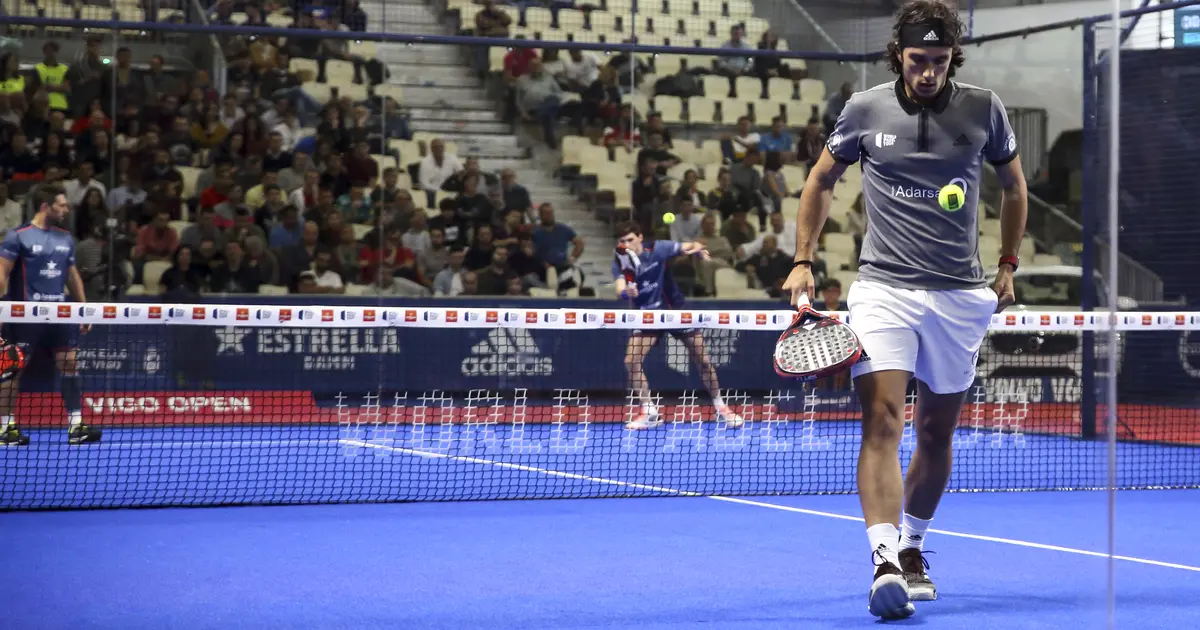
Padel Shoulder Exercises — Rotator Cuff Strengthening for Overhead Shots
7 min read
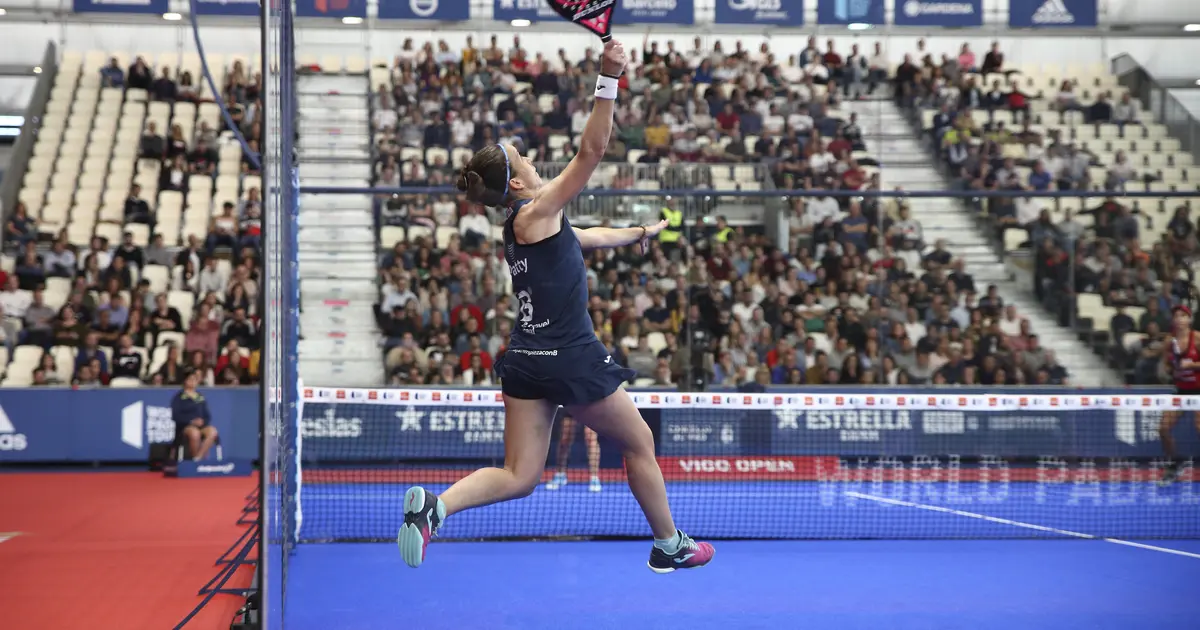
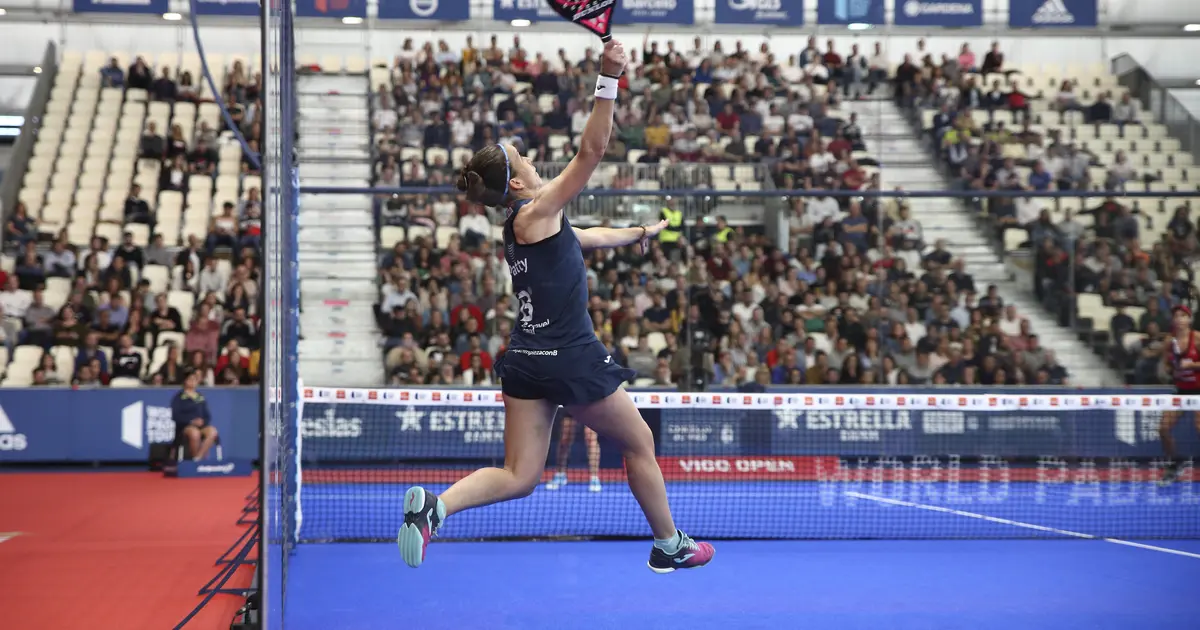
The shoulder is the most vulnerable joint for padel players. Every bandeja, vibora, and smash demands that your arm moves overhead under load — and unlike the hip or knee, the shoulder joint relies almost entirely on muscles and tendons rather than bone to stay stable.
This guide covers why the shoulder is at risk in padel, how the rotator cuff works, and a practical exercise programme to strengthen and protect it.
Note: This article provides general exercise guidance for recreational padel players. It is not medical advice. If you have existing shoulder pain, impingement, or a history of shoulder injury, consult a physiotherapist or sports medicine professional before beginning these exercises.
Why Shoulders Are Vulnerable in Padel
Padel places unique demands on the shoulder compared to other racket sports:
- High overhead frequency — defensive lobs are a core tactic in padel, meaning the net player must hit overhead shots far more often than in tennis
- Controlled deceleration — the bandeja and vibora require you to slow the arm down through a controlled arc, placing eccentric load on the rotator cuff
- Repetitive rotation — the cocking and acceleration phases of every overhead shot cycle the shoulder through extreme external and internal rotation
- Fatigue accumulation — long matches with frequent overhead rallies fatigue the small stabiliser muscles, shifting load onto passive structures like the labrum and capsule
Without targeted strengthening, the rotator cuff cannot keep up with these demands, leading to impingement, tendinopathy, or tears.
Rotator Cuff Anatomy Basics
The rotator cuff is a group of four small muscles that hold the head of the humerus (upper arm bone) centred in the shallow socket of the shoulder blade:
- Supraspinatus — initiates arm lifting and is the most commonly injured
- Infraspinatus — externally rotates the arm (critical for the cocking phase of overhead shots)
- Teres minor — assists external rotation
- Subscapularis — internally rotates the arm (the acceleration phase)
These muscles work together to stabilise the joint while larger muscles like the deltoid and pectorals produce power. When the rotator cuff is weak relative to the prime movers, the humeral head migrates upward during overhead movements, compressing tendons against the acromion — this is shoulder impingement.
The scapula (shoulder blade) is equally important. It must rotate upward and tilt posteriorly as you raise your arm. Poor scapular control — often caused by weakness in the lower trapezius and serratus anterior — disrupts this movement and increases impingement risk.
6 Essential Shoulder Exercises for Padel Players
1. Banded external rotation
The single most important exercise for padel players. It directly strengthens the infraspinatus and teres minor.
- Attach a resistance band to a door handle or fence post at elbow height
- Stand side-on with your working arm closest to the anchor
- Hold the band with your elbow bent at 90 degrees, tucked against your side
- Rotate your forearm outward, keeping your elbow pinned to your ribs
- Control the return slowly (3 seconds back)
Sets/reps: 3 sets of 15 reps each side. Use a band that makes the last 3 reps challenging but doable with good form.
2. Prone Y-T-W raises
This exercise targets the lower trapezius, middle trapezius, and rotator cuff in positions that directly mirror overhead shoulder function.
- Lie face down on a bench or on the floor with arms hanging down
- Y: Raise both arms overhead at a 45-degree angle (thumbs up), forming a Y shape. Hold 2 seconds.
- T: Lower, then raise both arms straight out to the sides, forming a T shape. Hold 2 seconds.
- W: Lower, then raise arms with elbows bent at 90 degrees, squeezing shoulder blades together, forming a W shape. Hold 2 seconds.
- That is 1 rep.
Sets/reps: 3 sets of 8–10 reps. Start with no weight; progress to 1–2 kg dumbbells when 10 reps feel easy.
3. Scapular push-ups
This exercise strengthens the serratus anterior — the muscle responsible for keeping your shoulder blade flat against the ribcage during overhead movements.
- Start in a standard push-up position (or on your knees for an easier version)
- Without bending your elbows, let your chest sink between your shoulder blades
- Push up by spreading your shoulder blades apart as far as possible
- Hold the protracted position for 1 second, then lower slowly
Sets/reps: 3 sets of 12–15 reps.
4. Face pulls with band
Face pulls strengthen the posterior deltoid, middle trapezius, and external rotators — all critical for decelerating the arm after a smash.
- Attach a band at head height
- Grip both ends with palms facing down
- Pull the band toward your forehead, flaring elbows out and squeezing shoulder blades together
- At the end position, rotate your hands upward so your arms form a “double bicep” pose
- Return slowly to the start
Sets/reps: 3 sets of 12–15 reps.
5. Wall slides
Wall slides train upward scapular rotation and overhead shoulder mobility in a controlled, supported position.
- Stand with your back flat against a wall, feet 30 cm from the base
- Press the backs of your hands, elbows, and shoulders against the wall
- Slowly slide your arms upward as high as you can while keeping contact with the wall
- Pause at the top for 2 seconds, then slide back down
Sets/reps: 3 sets of 10 reps. If you cannot keep everything in contact with the wall, reduce the range of motion and work progressively.
6. Side-lying external rotation
An isolation exercise that targets the infraspinatus without any compensatory movement.
- Lie on your non-working side with a small towel rolled under your upper arm
- Bend your working elbow to 90 degrees, forearm resting across your stomach
- Rotate your forearm upward toward the ceiling, keeping the elbow still
- Lower slowly over 3 seconds
Sets/reps: 3 sets of 12 reps each side. Use a 1–3 kg dumbbell or perform with no weight initially.
Sample Weekly Shoulder Routine
This programme fits around a typical playing schedule of 2–3 padel sessions per week.
| Day | Activity |
|---|---|
| Monday | Padel session — perform 1 warm-up set of exercises 1 and 4 before playing |
| Tuesday | Full shoulder routine (all 6 exercises, 3 sets each) — 20 minutes |
| Wednesday | Rest or light cardio |
| Thursday | Padel session — warm-up sets before playing |
| Friday | Full shoulder routine — 20 minutes |
| Saturday | Padel session — warm-up sets before playing |
| Sunday | Rest |
Combine this shoulder work with a broader padel fitness programme that includes footwork, core stability, and cardiovascular conditioning.
Progression Guidelines
- Weeks 1–2: Learn the movement patterns with a light band or no weight. Focus on slow, controlled repetitions.
- Weeks 3–4: Increase to a medium-resistance band or add 1 kg dumbbells for prone raises.
- Weeks 5–8: Progress to 3 full sets at the prescribed reps. Add a second of pause at the end-range position.
- Beyond week 8: Maintain 2 sessions per week. Increase resistance only when you can complete all reps with perfect form.
If any exercise causes sharp pain (not just muscular fatigue), stop immediately and consult a professional. Dull muscular fatigue during the last few reps is normal and expected.
Key Takeaways
- The shoulder is the most injury-prone joint in padel due to the high volume of overhead shots — bandeja, vibora, and smash
- The rotator cuff (supraspinatus, infraspinatus, teres minor, subscapularis) stabilises the joint but is often weaker than the prime movers
- Scapular stability is just as important as rotator cuff strength — train both
- Six exercises performed 2–3 times per week for 15–20 minutes provide effective protection
- Use light resistance and focus on control — these are small muscles that respond to precision, not heavy load
- On match days, perform a single warm-up set to activate the rotator cuff before playing
- Shoulder strengthening is part of a complete fitness training programme and an essential component of injury prevention for padel players
Stay in the loop
Get padel rule updates and tournament news — no spam.
More in Fitness & Training
How Many Calories Does Padel Burn? Estimates by Duration and Intensity
How many calories does padel burn? A 70 kg player burns 560–700 calories per hour. Estimates by weight, intensity level, and match duration.
10-Minute Padel Warm-Up Routine: Quick Pre-Match Preparation
A fast, effective 10-minute padel warm-up routine with dynamic stretches, shoulder circles, lateral drills, and wrist preparation to get match-ready.
4-Week Padel Training Plan for Beginners — From First Session to Match Play
A structured 4-week padel training plan for beginners. Week-by-week sessions covering grip, footwork, basic shots, volleys, lobs, and match play.
10 Best Padel Drills for Beginners to Improve Fast
Practical padel drills for beginners — 10 exercises to improve your volleys, serves, lobs, wall play, and court movement from your first sessions.