 PADEL RULES
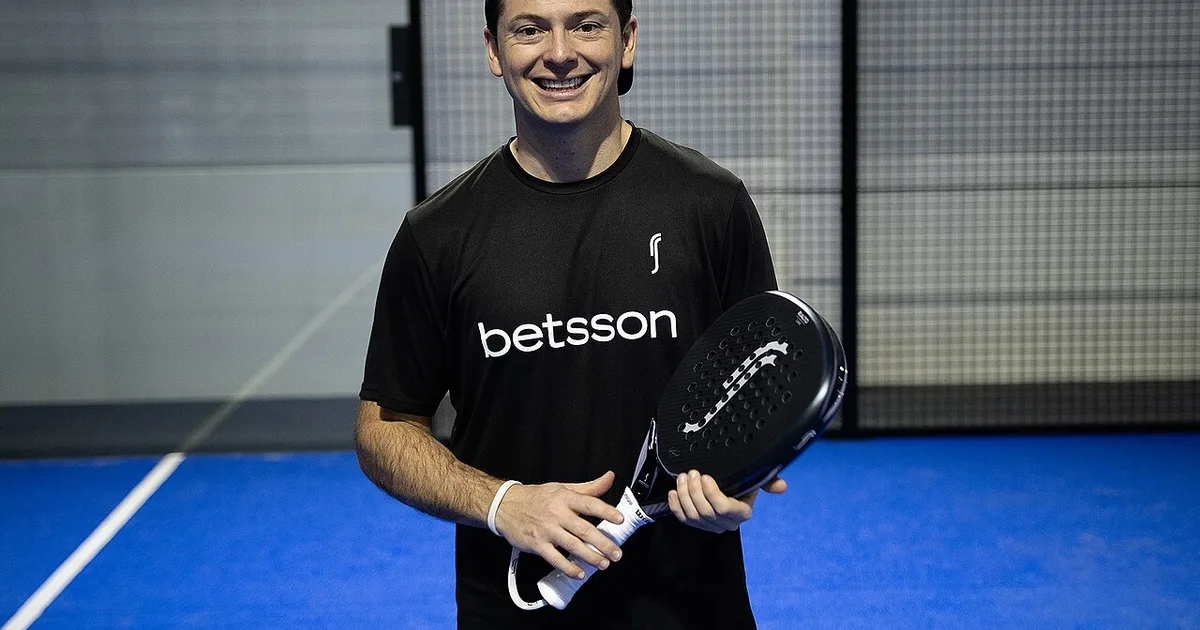
How Many Calories Does Padel Burn? Estimates by Duration and Intensity
6 min read
If you have ever finished a padel session drenched in sweat and wondered exactly how much energy you just spent, you are not alone. Calorie burn is one of the most common questions from players who use padel as part of their fitness routine — and fortunately, exercise science gives us reliable tools to estimate it.
This article breaks down the calories burned playing padel using MET values, provides tables by body weight and duration, and compares padel to other popular sports.
Disclaimer: All calorie figures in this article are estimates based on published MET research. Individual calorie expenditure varies depending on fitness level, body composition, playing style, and environmental conditions. For personalised data, use a heart rate monitor during play.
Understanding MET Values
MET stands for Metabolic Equivalent of Task. It measures how much energy an activity burns compared to resting quietly (which equals 1 MET). The higher the MET value, the more calories you burn per minute.
Based on exercise physiology research and the Compendium of Physical Activities:
- Moderate padel (recreational, social play): ~8 METs
- Competitive padel (high-intensity match play): ~10 METs
These values place padel firmly in the vigorous exercise category — comparable to running at a moderate pace or playing competitive squash.
How to calculate calories burned
The standard formula is:
Calories = MET × body weight (kg) × duration (hours)
For example, a 70 kg player in a moderate 60-minute session:
8 × 70 × 1.0 = 560 calories
Calories Burned by Body Weight and Duration
The tables below use MET values of 8 (moderate) and 10 (competitive) to estimate calorie burn across common body weights and session lengths.
Moderate intensity (~8 METs)
| Body Weight | 60 minutes | 90 minutes |
|---|---|---|
| 60 kg | 480 kcal | 720 kcal |
| 70 kg | 560 kcal | 840 kcal |
| 80 kg | 640 kcal | 960 kcal |
| 90 kg | 720 kcal | 1,080 kcal |
Competitive intensity (~10 METs)
| Body Weight | 60 minutes | 90 minutes |
|---|---|---|
| 60 kg | 600 kcal | 900 kcal |
| 70 kg | 700 kcal | 1,050 kcal |
| 80 kg | 800 kcal | 1,200 kcal |
| 90 kg | 900 kcal | 1,350 kcal |
Keep in mind that a 90-minute booking includes changeovers, brief rests between games, and time spent retrieving balls. Actual active playing time is typically 70–80% of the booked session, which means real-world calorie burn may be slightly lower than these theoretical maxima.
Padel vs Other Sports: Calorie Comparison
How does padel stack up against other popular activities? The table below compares estimated calories burned per 60 minutes for a 70 kg person.
| Sport | MET Value | Calories per 60 min (70 kg) |
|---|---|---|
| Padel (moderate) | ~8 | 560 kcal |
| Padel (competitive) | ~10 | 700 kcal |
| Tennis (singles) | ~7.5 | 525 kcal |
| Squash | ~10 | 700 kcal |
| Football (casual) | ~7 | 490 kcal |
| Running (8 km/h) | ~9.8 | 686 kcal |
Padel compares very favourably to tennis, largely because the enclosed court and wall play produce longer rallies and less dead time. At competitive intensity, padel matches squash and approaches running for calorie expenditure — with the added benefit of being a social, team-based activity that most players find more enjoyable to sustain long-term.
Factors That Affect Calorie Burn
Not every padel session burns the same number of calories. Several variables influence your individual energy expenditure:
- Body weight — Heavier players burn more calories performing the same activity. This is the single largest factor in the MET formula.
- Playing intensity — A fast-paced competitive match with long rallies burns significantly more than a relaxed social hit. The difference can be 30–40% more calories at high intensity.
- Skill level — Advanced players tend to have more efficient movement patterns, but they also play longer rallies with fewer unforced errors, which can balance out.
- Match format — A full three-set match produces more total calorie burn than a single set or timed session simply due to longer duration.
- Temperature and conditions — Playing in warm conditions increases heart rate and energy expenditure. Outdoor courts in summer can push calorie burn slightly higher than air-conditioned indoor facilities.
- Playing position — Players who frequently move to the net and play aggressive, attacking padel tend to burn more than those who stay at the back wall.
Maximising Calorie Burn in Padel
If weight management is one of your goals, consider these practical strategies:
- Play longer sessions — A 90-minute match burns roughly 50% more than 60 minutes at the same intensity
- Seek competitive matches — Playing against opponents at or slightly above your level pushes intensity higher
- Minimise downtime — Keep ball retrieval and rest periods short to maintain an elevated heart rate
- Combine with a fitness training programme — Off-court conditioning improves your stamina on court, allowing you to sustain higher intensity for longer
- Play regularly — Three sessions per week provides a consistent calorie deficit when combined with sensible nutrition
If you are new to the sport, our beginner’s guide to playing padel covers the fundamentals you need to get started.
Key Takeaways
- Padel has a MET value of approximately 8 (moderate) to 10 (competitive), placing it in the vigorous exercise category
- A 70 kg player burns roughly 560–700 calories per hour depending on intensity
- Over a 90-minute session, calorie burn can reach 840–1,050 calories for a 70 kg player
- Padel burns more calories than recreational tennis and casual football, and matches squash and running at competitive intensity
- Body weight is the biggest factor — heavier players burn proportionally more calories
- All figures are estimates; individual results vary based on fitness, playing style, and conditions
- For the most accurate tracking, use a wearable heart rate monitor during your sessions
Related Training Guides
Stay in the loop
Get padel rule updates and tournament news — no spam.
More in Fitness & Training
Padel Shoulder Exercises — Rotator Cuff Strengthening for Overhead Shots
Targeted shoulder exercises for padel players to strengthen the rotator cuff, improve scapular stability, and prevent injury from overhead shots like.
10-Minute Padel Warm-Up Routine: Quick Pre-Match Preparation
A fast, effective 10-minute padel warm-up routine with dynamic stretches, shoulder circles, lateral drills, and wrist preparation to get match-ready.
4-Week Padel Training Plan for Beginners — From First Session to Match Play
A structured 4-week padel training plan for beginners. Week-by-week sessions covering grip, footwork, basic shots, volleys, lobs, and match play.
10 Best Padel Drills for Beginners to Improve Fast
Practical padel drills for beginners — 10 exercises to improve your volleys, serves, lobs, wall play, and court movement from your first sessions.