 PADEL RULES
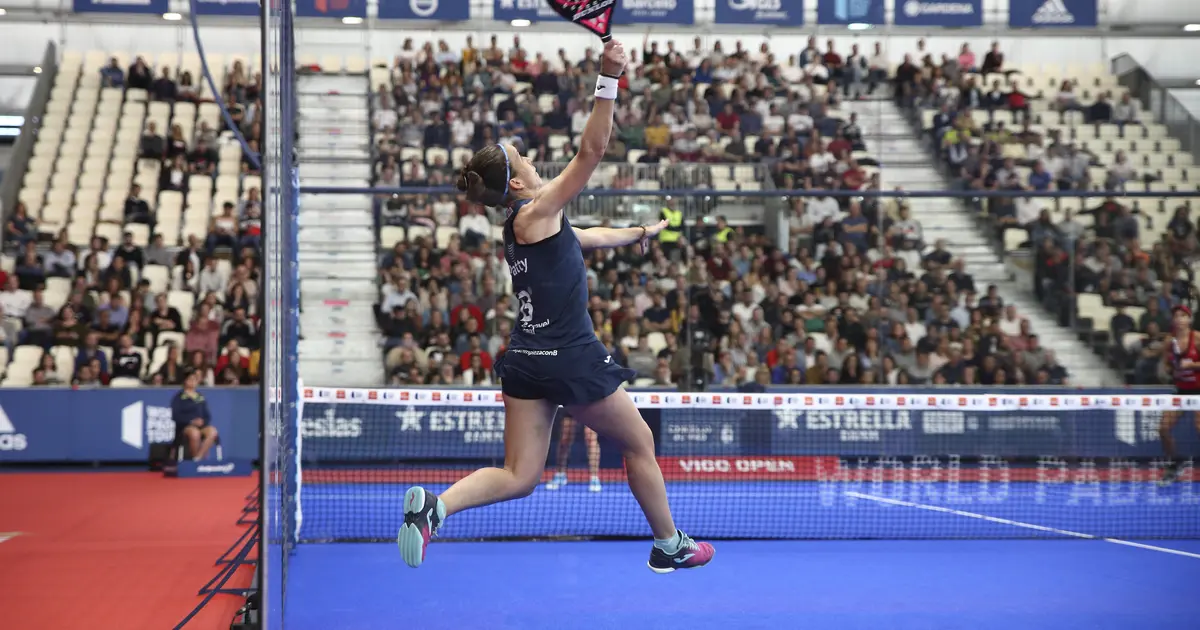
10 Best Padel Drills for Beginners to Improve Fast
8 min read
Knowing the rules is one thing. Building the skills to use them is another. If you have read our padel for beginners guide and want to move beyond the basics, structured drills are the fastest way to improve. They isolate specific skills, build muscle memory, and give you confidence that carries into match play.
Below are ten of the best padel drills for beginners. Each one targets a core skill and can be slotted into a beginner training plan or used as a warm-up. You do not need a coach — just a court, a few balls, and ideally a willing partner.
1. Volley-to-Volley Rally
What It Trains
Touch, racket face control, reflexes, and net positioning — the most essential skills in padel.
Setup
Both players stand at the net, roughly one metre from it, facing each other on opposite sides. Use a single ball.
How to Do It
Start a gentle rally using only volleys. Keep the ball below head height and aim for control, not power. Count consecutive volleys and try to beat your record. Once you can sustain 20-30, increase the pace or add directional targets (forehand, backhand, alternating).
This is the single most valuable drill a beginner can do. Padel is a net-dominated sport, and the volley is the shot you will use more than any other.
2. The Serve Basket
What It Trains
Serve accuracy, consistent toss, and placement under pressure.
Setup
Place a basket of balls on the serving side. Set targets in the service box using cones or towels to mark zones (deep corner, short corner, body). Review the serve rules if you need a refresher on foot position and bounce requirements.
How to Do It
Hit five serves to each target zone before rotating. Focus on getting the ball in first, then on placement. Alternate between deuce and advantage sides after each basket.
3. Lob and Recover
What It Trains
Defensive lob technique, transition movement, and net positioning after a defensive shot.
Setup
One player (the feeder) stands at the net. The other starts at the baseline. The feeder hits gentle volleys toward the baseline player.
How to Do It
The baseline player hits a high, deep lob over the feeder, then sprints forward to the net. The feeder retrieves the ball and feeds the next one. Repeat ten times, then switch roles.
The key is connecting the lob with the forward movement. A good lob buys you time to move from defence to attack, and this drill makes that transition instinctive.
4. Wall Rally (Solo)
What It Trains
Ball reading off glass, timing, body positioning, and comfort with wall play.
Setup
Stand inside the court about two metres from the back glass. You only need one ball.
How to Do It
Hit the ball gently against the back glass and play the rebound. Read the trajectory, adjust your feet, and hit it back again. Start with forehands only, then backhands only, then alternate. Count consecutive rallies.
Wall play is what makes padel unique and what intimidates beginners most. This solo drill removes match pressure and lets you develop a feel for how the ball behaves off the glass.
5. Cross-Court Bandeja
What It Trains
The bandeja — the overhead slice shot that is essential for maintaining net position.
Setup
One player (the feeder) stands at the baseline and hits lobs. The other stands at the net on one side of the court.
How to Do It
The feeder sends a medium-height lob to the net player, who hits a bandeja cross-court, aiming deep in the opposite diagonal. After each shot, the net player recovers to the centre. Repeat ten times per side, then switch roles.
The bandeja is a control shot, not a power shot. Focus on a smooth, sideways slicing motion rather than trying to smash the ball.
6. The Figure-8 Movement Drill
What It Trains
Court coverage, split-step habit, and efficient footwork patterns.
Setup
No ball needed. Place four cones in a diamond on one side of the court: one at the net centre, one at the baseline centre, and one on each side halfway back.
How to Do It
Starting at the net, side-step to the right cone, backpedal to the baseline cone, side-step to the left cone, and sprint forward to the net. The path traces a figure-8. Perform the circuit for 30 seconds, rest for 30 seconds, and repeat five times. Always face the net — no turning your back.
Footwork is invisible but decisive. This drill builds the lateral and forward-backward movement patterns you will use constantly and reinforces the habit of staying on your toes.
7. Return of Serve Practice
What It Trains
Serve reception, early preparation, and the transition from defence to a neutral or attacking position.
Setup
One player serves from the opposite side. The returner stands in the receiving position. Review return of serve tactics before starting.
How to Do It
The server hits realistic serves with match-like placement. The returner focuses on reading the serve early, preparing the racket before the ball arrives, and directing the return to a target (deep down the middle, cross-court at the net player’s feet, or a lob). Hit ten returns to each target, then switch.
A weak return hands the initiative to the serving team. This drill builds the habit of being proactive from the first shot of the point.
8. Deep Ball Defence — Lob or Chiquita
What It Trains
Decision-making under pressure, defensive shot selection, and the ability to choose between a lob and a chiquita.
Setup
Two players at the net (attacking) and one at the baseline (defending). The net players hit firm volleys deep into the court.
How to Do It
The defender must decide on each ball whether to play a high defensive lob or a low, soft chiquita at the net players’ feet. Rule of thumb: if the ball is high and you have time, lob; if the ball is low and the net players are close, chiquita. Play points out, rotating the defender every five points.
Practising both options in a live-ball scenario forces you to read the situation and execute under realistic pressure.
9. Split-Step Timing Drill
What It Trains
Reaction time, ready position, and the split-step — the small hop that prepares you to move in any direction.
Setup
One player (the feeder) at the baseline with a basket of balls. The other player at the net.
How to Do It
The feeder hits balls randomly to the net player’s forehand or backhand side. The net player performs a split-step (a small, balanced hop onto both feet) just as the feeder makes contact, then reacts and plays the volley. Do sets of ten, then switch.
Without a split-step, you are always late to the ball. With it, you are balanced and ready to move in either direction. This drill trains the timing until it becomes automatic. It pairs well with our guide on how to improve at padel.
10. Mini-Match: First to 10 Points (Net Only)
What It Trains
Competitive volleys, net tactics, point construction, and composure under scoreboard pressure.
Setup
All four players (or two, one per side) start at the net. One player feeds a gentle ball to start the point. All play takes place from the net — no retreating behind the service line.
How to Do It
Play points out, scoring one point per rally. First to 10 wins. If the ball goes past you, the point is lost. Lobs are allowed but must be played as volleys (no bounce). This forces everyone to stay close to the net and develop touch under pressure.
This is the most fun drill on the list. It simulates the net battles that decide most padel points in a compressed, high-repetition format. Play it at the end of a session as a reward for the work you put into the other nine drills.
Putting It All Together
You do not need to do all ten drills in every session. Pick two or three that target your weakest areas and rotate through the full list over a week or two. A good structure for a 30-minute session:
- 5 minutes — Volley-to-volley rally (warm-up and touch)
- 10 minutes — One technique drill (bandeja, wall rally, or serve basket)
- 10 minutes — One tactical drill (return of serve, deep ball defence, or lob and recover)
- 5 minutes — Mini-match to 10 (fun finish with competitive pressure)
For a broader framework that fits these drills into a weekly schedule, see our beginner training plan. For the strategic thinking behind each shot, our guide on how to improve at padel covers the mental and tactical side.
Commit to regular, focused practice and you will feel the difference on court within weeks.
Stay in the loop
Get padel rule updates and tournament news — no spam.
More in Fitness & Training
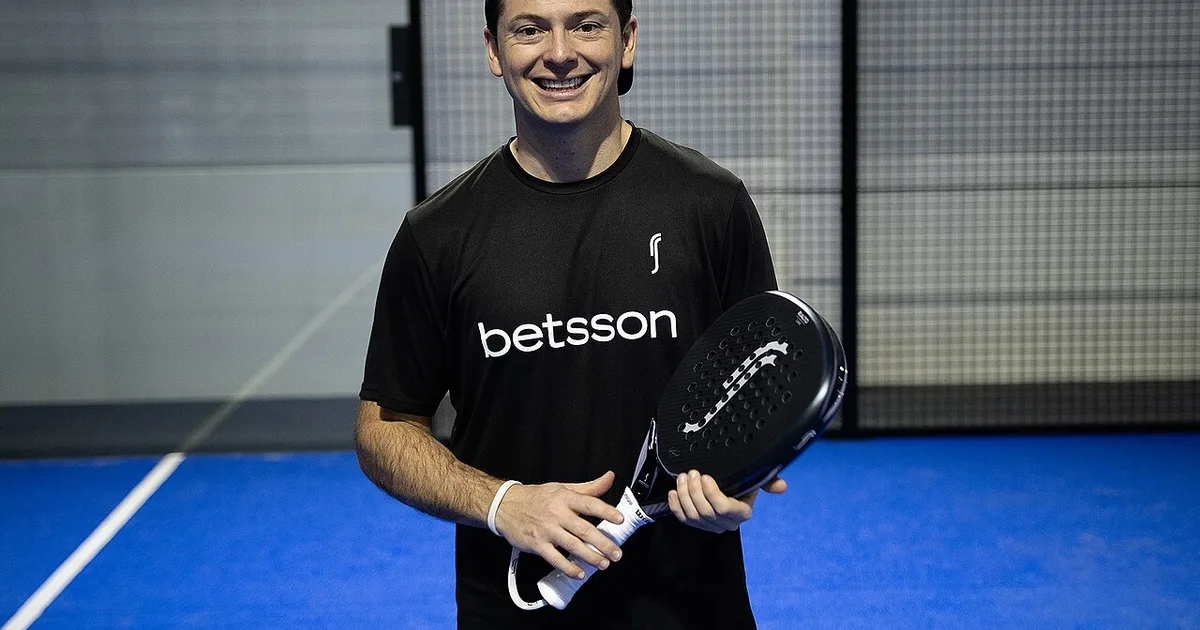
How Many Calories Does Padel Burn? Estimates by Duration and Intensity
How many calories does padel burn? A 70 kg player burns 560–700 calories per hour. Estimates by weight, intensity level, and match duration.
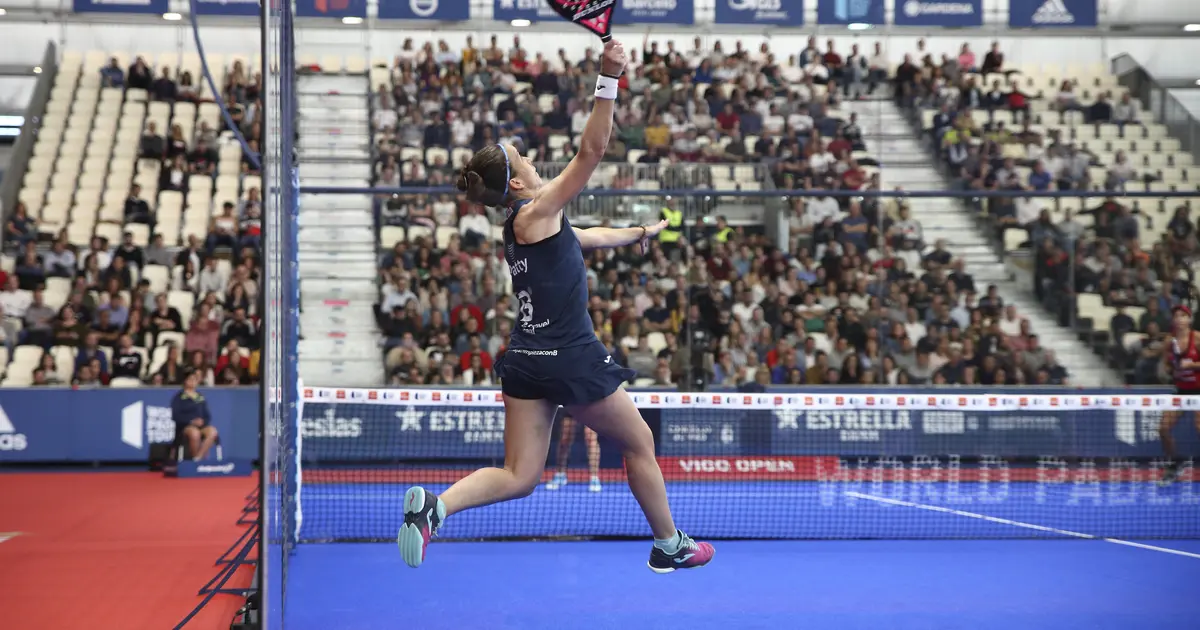
4-Week Padel Training Plan for Beginners — From First Session to Match Play
A structured 4-week padel training plan for beginners. Week-by-week sessions covering grip, footwork, basic shots, volleys, lobs, and match play.
Padel Elbow — What It Is, Prevention, and Recovery
Everything you need to know about padel elbow (lateral epicondylitis). Learn the causes, symptoms, prevention strategies, and recovery steps.
Padel Hydration Guide — How Much to Drink Before, During, and After a Match
How much water to drink for padel: specific amounts before, during, and after play, signs of dehydration, when to use electrolytes, and hot-weather.