 PADEL RULES
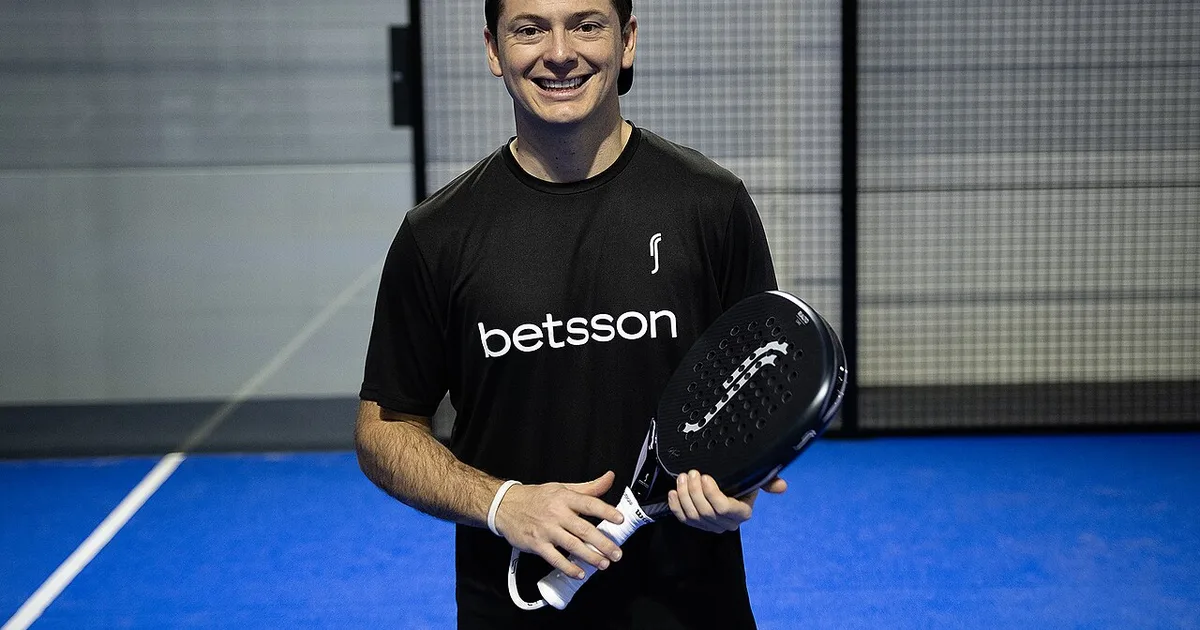
8-Week Padel Training Plan for Intermediate Players — Technique, Tactics, and Match Prep
7 min read
You can rally, you can volley, and you know the basics of padel positioning. Now what? The gap between beginner and competitive intermediate is not about learning new shots — it is about refining the ones you have, building tactical patterns, and performing under match pressure.
This eight-week programme is structured in three phases, each with a specific focus. It assumes you have completed a beginner training period (such as the Beginner Training Plan) and can play full matches without major technical breakdowns.
Schedule: 3–4 on-court sessions per week (75–90 minutes each) plus 2 off-court conditioning sessions (30–45 minutes each).
Note: This is a general training framework. Adjust session intensity and volume based on your fitness level and recovery. If you have existing injuries, consult a qualified professional before increasing your training load.
Phase 1: Technique Refinement (Weeks 1–3)
Goal: Sharpen your existing shots and add the bandeja and vibora to your game.
Weekly Session Plan
| Day | Session Type | Focus | Duration |
|---|---|---|---|
| Mon | On-court | Groundstroke depth and consistency | 75 min |
| Tue | Off-court | Lower body strength and agility | 40 min |
| Wed | On-court | Volley control and placement | 75 min |
| Thu | Rest | Recovery | — |
| Fri | On-court | Overhead shots (bandeja, vibora) | 90 min |
| Sat | Off-court | Core and shoulder conditioning | 35 min |
| Sun | On-court (optional) | Free play or social match | 60 min |
Key Drills
Groundstroke depth: Rally cross-court with a partner. Place a target line (use cones or spare balls) one metre from the back glass. The goal is to land every ball between the target line and the glass. Count consecutive shots that land in the zone — aim for 10 in a row.
Volley placement: Stand at the net while your partner feeds balls from mid-court. Alternate directing volleys to the left third, centre, and right third of the court. Focus on racket face angle and a short follow-through rather than power. The Padel Volley guide covers the technique in detail.
Bandeja introduction: Spend 15–20 minutes per session on the bandeja. Start with hand-fed lobs and progress to rallying where your partner lobs and you respond with a bandeja, then they lob again. The objective is to keep the ball low after the bounce and maintain your net position.
Vibora development: Once your bandeja is consistent, introduce the vibora — the more aggressive sidespin variant. Use the same feeding pattern but aim to move the ball wide with sidespin rather than keeping it central.
Phase 2: Tactical Development (Weeks 4–6)
Goal: Build tactical patterns for common match situations. Improve decision-making and partner coordination.
Weekly Session Plan
| Day | Session Type | Focus | Duration |
|---|---|---|---|
| Mon | On-court | Defensive patterns (baseline play) | 75 min |
| Tue | Off-court | Agility and interval cardio | 40 min |
| Wed | On-court | Attacking patterns (net play) | 90 min |
| Thu | Rest | Recovery | — |
| Fri | On-court | Transition play (back to net) | 90 min |
| Sat | Off-court | Full-body circuit | 35 min |
| Sun | On-court | Competitive match play | 75 min |
Key Tactical Patterns
Defensive baseline play: When both you and your partner are pushed to the baseline, the priority is to regain the net. Practise the sequence: deep lob to push opponents back, advance two steps, split-step, then play the next ball from a more forward position. For a full breakdown, see Defensive Padel Play.
Net play pressure: When your team controls the net, practise holding position and looking for volley winners. The key is patience — do not go for a risky volley when a deep, controlled one will maintain pressure. Study the principles in Net Play Strategy and apply them in drills.
Transition drill: Start every point from the baseline. One pair serves and stays back; the point is live. The serving team must execute a lob-and-advance sequence to reach the net. Track how many points the advancing team wins versus stays at the baseline — this builds the habit of moving forward.
Communication drill: Play points where both partners must call every shot (“mine,” “yours,” “lob,” “stay”). Any point where a call is missed does not count. This forces verbal coordination that becomes automatic in matches.
Mental Game Integration
Tactical development is where the mental game becomes critical. Start building routines between points: a reset breath, a brief plan for the next point, and a commitment to your shot selection before the serve. These habits pay enormous dividends under match pressure.
Phase 3: Match Preparation (Weeks 7–8)
Goal: Simulate match conditions and develop a consistent pre-match routine. Fine-tune weaknesses identified in Phases 1 and 2.
Weekly Session Plan
| Day | Session Type | Focus | Duration |
|---|---|---|---|
| Mon | On-court | Weakness-specific drills | 75 min |
| Tue | Off-court | Light conditioning and mobility | 30 min |
| Wed | On-court | Match simulation (full sets with review) | 90 min |
| Thu | Rest | Recovery | — |
| Fri | On-court | Pre-match routine + tiebreak practice | 75 min |
| Sat | Off-court | Active recovery (light movement, stretching) | 25 min |
| Sun | Match day | Competitive match or tournament | — |
Match Simulation
Play full sets (or best-of-three tiebreaks for time efficiency) with a specific tactical focus for each set. For example:
- Set 1: Focus on starting every point with a plan — decide before the serve whether you will lob, drive, or play short
- Set 2: Focus on transition — count how many times your team successfully moves from baseline to net
- Set 3: Free play — let everything come together without a specific technical focus
After each set, spend five minutes reviewing what worked and what did not. Be specific: “I missed four backhand volleys to the right side” is more useful than “my volleys were bad.”
Pre-Match Routine
Develop a consistent pre-match routine that you follow before every match and practice session. This should include a physical warm-up, a brief mental preparation, and a plan for the first few games. Routines remove decision fatigue and help you arrive on court focused.
Tracking Your Progress
Keep a simple training log with three pieces of information per session:
- What you worked on — the specific drill or tactical pattern
- What went well — one positive to reinforce
- What to improve — one thing to focus on next session
After eight weeks, review your log. You will see clear patterns in your development and know exactly where to direct your next training block.
What Comes Next
After completing this programme, you should have a well-rounded game with reliable groundstrokes, controlled net play, at least one overhead weapon (bandeja or vibora), and tactical awareness of when to attack and when to defend.
Your next steps depend on your goals. Competitive players should increase match-play volume and consider tournament entries. Players focused on long-term development should cycle back to Phase 1 with more advanced technique targets — adding the chiquita, improving serve variety, or developing glass exits under pressure. Continue your off-court conditioning throughout to maintain the physical base that supports everything you do on court.
Stay in the loop
Get padel rule updates and tournament news — no spam.
More in Fitness & Training
How Many Calories Does Padel Burn? Estimates by Duration and Intensity
How many calories does padel burn? A 70 kg player burns 560–700 calories per hour. Estimates by weight, intensity level, and match duration.
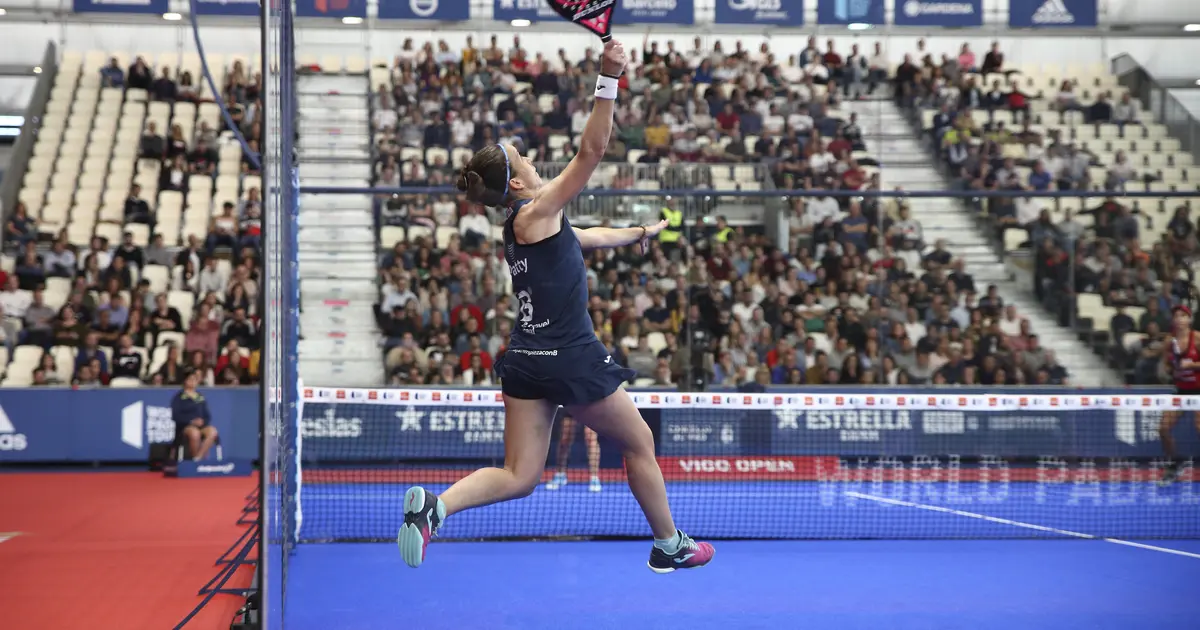
4-Week Padel Training Plan for Beginners — From First Session to Match Play
A structured 4-week padel training plan for beginners. Week-by-week sessions covering grip, footwork, basic shots, volleys, lobs, and match play.
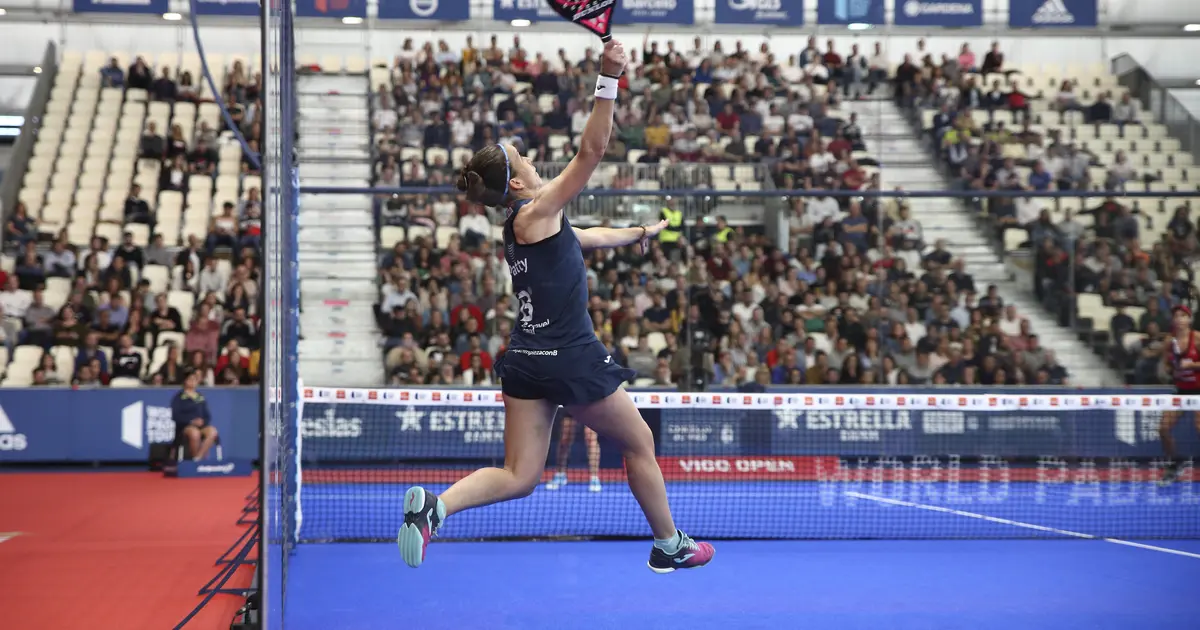
10 Best Padel Drills for Beginners to Improve Fast
Practical padel drills for beginners — 10 exercises to improve your volleys, serves, lobs, wall play, and court movement from your first sessions.
Padel Elbow — What It Is, Prevention, and Recovery
Everything you need to know about padel elbow (lateral epicondylitis). Learn the causes, symptoms, prevention strategies, and recovery steps.