 PADEL RULES
Padel Nutrition Guide — What to Eat Before, During, and After a Match
7 min read
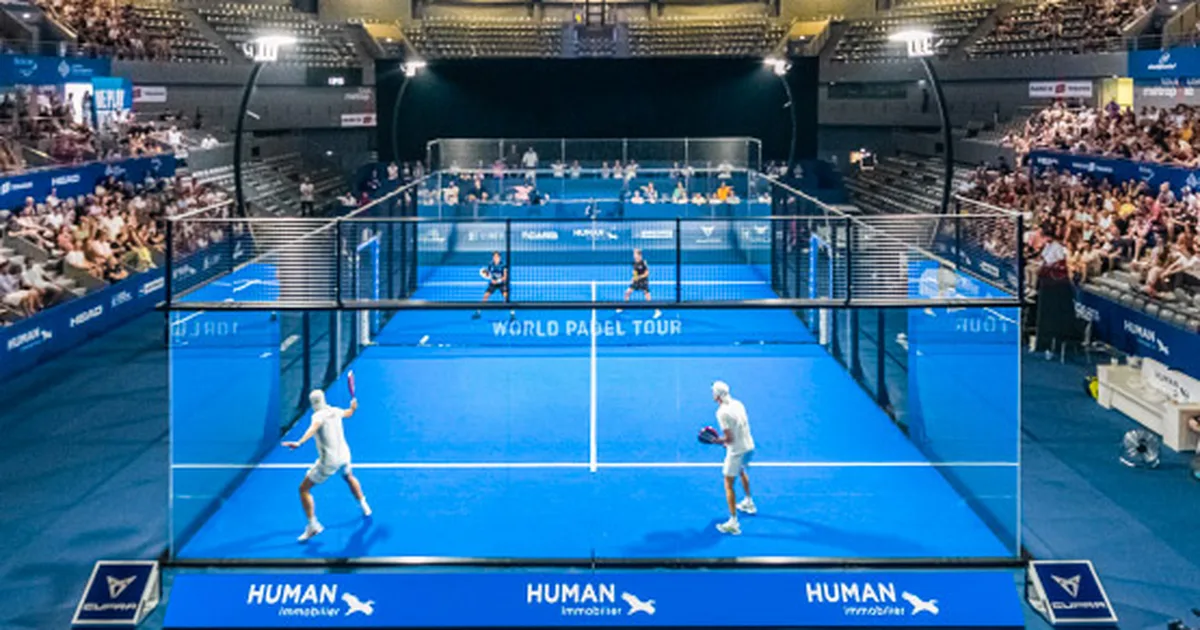
What you eat and drink before, during, and after padel directly affects how well you play and how quickly you recover. Padel is an intermittent, high-intensity sport — short explosive rallies separated by brief rest intervals — and that pattern places specific demands on your energy systems. This guide gives you practical, evidence-based nutrition advice for every phase of your padel day.
Understanding the Energy Demands of Padel
Padel rallies are short — typically 4 to 10 seconds — with 10 to 20 seconds of rest between points. This places padel firmly in the category of intermittent high-intensity sports, similar to tennis, badminton, and squash.
Your body primarily uses the phosphocreatine and glycolytic energy systems during rallies, with aerobic metabolism dominating recovery between points. In practical terms, this means:
- Carbohydrates are your primary fuel — particularly for high-intensity rally work
- Protein supports muscle repair — critical after sessions involving significant physical demand
- Hydration is equally important as food — energy can be negated entirely by dehydration
For hydration specifics, see our padel hydration guide.
Pre-Match Nutrition
Main Meal: 2 to 3 Hours Before
This meal provides the bulk of your match-day fuel. The goal is to top up muscle glycogen (stored carbohydrate energy) without eating so close to playing that you feel heavy or bloated.
What to include:
- Carbohydrates — pasta, rice, potatoes, bread, or oats. Aim for a portion that fills roughly half your plate.
- Moderate protein — chicken breast, fish, eggs, tofu, or legumes. A palm-sized portion is appropriate.
- Low fat and fibre — high-fat meals slow gastric emptying, meaning food sits in your stomach longer. Reduce fried foods, heavy sauces, and large quantities of vegetables in this pre-match window.
Practical examples:
- Pasta with tomato sauce and grilled chicken
- Rice with baked salmon and steamed broccoli (small portion)
- Porridge with banana and a boiled egg
- A toasted bagel with scrambled eggs and smoked salmon
Avoid anything unfamiliar or known to cause digestive upset. Match day is not the time to experiment with new foods.
Pre-Match Snack: 30 to 60 Minutes Before
A small, easily digestible carbohydrate snack in the final hour before play tops up blood glucose without overloading your digestive system.
Good options:
- One banana (fast-releasing natural sugars, easy to digest)
- A small handful of dates (4 to 6)
- A rice cake or two with a thin layer of honey or jam
- A small slice of white toast with honey
- A 250 ml glass of fruit juice diluted 50/50 with water
Avoid high-protein or high-fat foods in this window. They take longer to digest and are not useful as quick fuel. Skip caffeine-heavy energy drinks unless you are accustomed to them — caffeine can increase anxiety and worsen hydration.
Nutrition During a Padel Match
For a standard 90-minute recreational or club match, most players do not need to eat during play. Your pre-match nutrition, combined with adequate hydration, should be sufficient.
When You Do Need Match-Day Fuel
If you are playing a long competitive match (more than 90 minutes), a tournament with multiple matches in a day, or you did not manage a proper pre-match meal, consume small amounts of quick-releasing carbohydrate during breaks:
- Bananas — the classic court-side snack. Easy to eat quickly, fast-releasing energy, and contain potassium to help with cramping.
- Dates — compact, sweet, and highly effective. 3 to 4 dates between sets can restore blood glucose quickly.
- Energy gels — convenient for competitive play. A standard gel (about 25 g of carbohydrate) during a changeover is sufficient for most players.
- Sports drinks — a 500 ml bottle of isotonic sports drink provides both carbohydrate (around 30 g) and electrolytes simultaneously.
Eat small amounts frequently rather than a large amount once. The goal is to maintain blood glucose, not to feel full.
Post-Match Recovery Nutrition
Recovery nutrition is often neglected but is arguably the most important meal in your padel nutrition plan — especially if you play multiple times per week.
The Recovery Window: Within 30 Minutes
The 30 minutes immediately after finishing play is when your muscles are most receptive to absorbing nutrients for repair and glycogen replenishment. Consume a combination of protein and carbohydrates as soon as practical.
Fast recovery options (within 30 minutes):
- A protein shake with a banana
- Greek yoghurt with fruit and a drizzle of honey
- A glass of milk and a piece of fruit
- Chocolate milk — genuinely effective as a recovery drink, providing both macronutrients
Full Recovery Meal: Within 2 Hours
Follow up the initial snack with a balanced meal within 2 hours:
- Protein — 20 to 40 g is the target range for muscle protein synthesis. Chicken, beef, fish, eggs, tofu, or legumes.
- Carbohydrates — rice, pasta, potatoes, or bread to replenish muscle glycogen.
- Vegetables — provide micronutrients and antioxidants that reduce inflammation.
Practical examples:
- Chicken breast with rice and salad
- Tuna pasta with cherry tomatoes
- Eggs on wholegrain toast with avocado
- Lentil soup with crusty bread
Daily Nutrition for Regular Padel Players
If you play padel two or more times per week and train separately, your day-to-day diet matters as much as match-day nutrition.
Carbohydrate Intake
Regular players need adequate carbohydrate across the day to maintain glycogen stores and energy levels. Aim to include carbohydrate at most meals — oats at breakfast, rice or bread at lunch, and pasta or potatoes at dinner.
Protein Targets
For active adults playing padel regularly, a protein intake of 1.4 to 2.0 g per kilogram of body weight per day supports muscle maintenance and recovery. For a 75 kg player, that is 105 to 150 g of protein daily, spread across three to four meals.
Healthy Fats
Do not eliminate fat from your diet. Omega-3 fatty acids (from oily fish, walnuts, and flaxseed) have anti-inflammatory properties that support recovery. Unsaturated fats from olive oil, avocado, and nuts are beneficial for overall health.
Micronutrients
A varied diet rich in colourful vegetables and fruits will provide most of the micronutrients padel players need. Iron (red meat, leafy greens), calcium (dairy, fortified foods), and vitamin D (oily fish, eggs, sunlight) are worth paying attention to if you eat restrictively.
Supplements: What Is Worth Considering?
Most recreational padel players do not need supplements. The following have reasonable evidence bases for active sports players:
- Creatine monohydrate — improves explosive power and supports high-intensity interval training. Relevant if you are also doing gym-based padel fitness training. The standard dose is 3 to 5 g per day.
- Caffeine — a genuine performance enhancer for alertness, reaction time, and endurance. A cup of coffee 30 to 45 minutes before play can be effective. Avoid if you are sensitive to caffeine or prone to anxiety.
- Magnesium — often depleted in players who sweat heavily. May help reduce muscle cramps. Magnesium glycinate or citrate forms are well absorbed.
- Vitamin D — relevant for indoor players or those in low-sunlight climates. Deficiency is common and affects muscle function and immunity.
Protein supplements (whey, plant-based powders) are useful when meeting daily protein targets from food alone is inconvenient — after a late-night session, for example — but they are not superior to food sources.
Start with food. Add supplements only once your diet is already consistent and well-structured.
Stay in the loop
Get padel rule updates and tournament news — no spam.
More in Fitness & Training
How Many Calories Does Padel Burn? Estimates by Duration and Intensity
How many calories does padel burn? A 70 kg player burns 560–700 calories per hour. Estimates by weight, intensity level, and match duration.
4-Week Padel Training Plan for Beginners — From First Session to Match Play
A structured 4-week padel training plan for beginners. Week-by-week sessions covering grip, footwork, basic shots, volleys, lobs, and match play.
10 Best Padel Drills for Beginners to Improve Fast
Practical padel drills for beginners — 10 exercises to improve your volleys, serves, lobs, wall play, and court movement from your first sessions.
Padel Elbow — What It Is, Prevention, and Recovery
Everything you need to know about padel elbow (lateral epicondylitis). Learn the causes, symptoms, prevention strategies, and recovery steps.